What Your Transmission Fluid Color is Actually Telling You
I honestly remember the lightbulb moment vividly. There I was, about to change my transmission fluid, and I peeked at the dipstick only to see a murky, dark brown sludge staring back at me. It hit me—I had no idea what this meant for my car. Weeks later, after a few rough shifts and unexpected stutters, I realized that the color of your transmission fluid isn’t just a trivial detail—it’s a vital sign that could warn you about looming trouble. If you’re like me, then you’ve probably ignored this tiny but telling indicator for way too long.
Why Your Transmission Fluid Color Matters More Than You Think
Your transmission is the control center for how your vehicle shifts gears and runs smoothly. But beneath the hood, there’s a vital fluid that keeps everything running—your transmission fluid. Noticing its color can be the difference between catching a problem early or facing a costly repair down the line. Think of it like your blood work—just a simple change in hue can signal issues like overheating, contamination, or wear. Regularly checking and interpreting this small detail can save you hours, money, and stress.
Are you aware of the different shades your transmission fluid might turn into? Wouldn’t you want to catch a potential transmission failure before it’s too late?
Is inspecting transmission fluid really worth the fuss?
I used to think that a quick fluid change was enough, and that the color didn’t matter unless I experienced shifting problems. Boy, was I wrong. I’ve made the mistake of neglecting this simple check, which ended up costing me a lot more—both personally and financially. Early on, I overlooked the signs because I didn’t realize how quickly transmission fluid degrades or becomes contaminated. Did you know that the color change can indicate issues like burned fluid, which is a sign of overheating? This realization pushed me to learn more, and I am here to share that knowledge so you don’t fall into the same trap. For a deeper understanding, check out [this article](https://autofixclinic.com/transmission-troubles-expert-insights-for-smooth-shifting) for expert insights.
Now, let’s uncover the secrets behind your transmission fluid’s hues and what they truly mean for your vehicle’s health. Ready to become your car’s best health detective?
Gather Your Tools and Prepare for Inspection
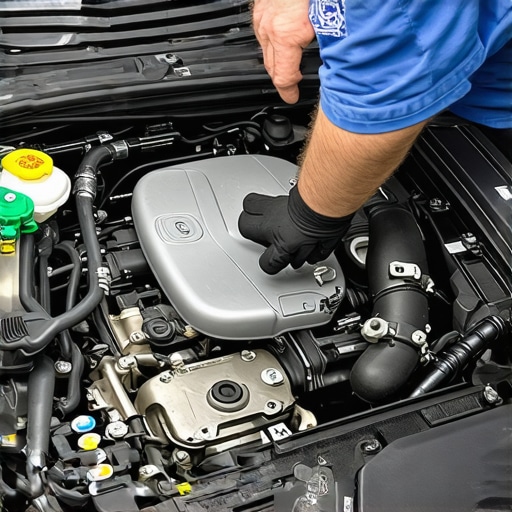
Before you dive into checking your transmission fluid, ensure your vehicle is on a level surface, parked in a safe spot, with the engine warmed up for a few minutes. Turn off the engine and engage the parking brake. Gather necessary tools such as a clean rag or paper towel, a flashlight, and, if applicable, a transmission fluid dipstick.
My experience
I once decided to check my transmission fluid after noticing slight hesitation in shifting gears. I parked my car on a flat driveway, started the engine, and allowed it to warm. Using a flashlight, I located the dipstick, pulled it out, wiped it clean, reinserted it, then pulled it again. Seeing a dark, sludge-like fluid confirmed my suspicion that a fluid change was overdue.
Locate and Access the Transmission Fluid
If your vehicle has a dedicated dipstick, it’s usually near the back of the engine bay, marked with a brightly colored handle. For cars with sealed transmissions, professional service may be necessary. Consult your owner’s manual or visit a certified mechanic for guidance. An ASE-certified technician can accurately assess your transmission’s condition if you’re unsure.
Check the Fluid Color and Consistency
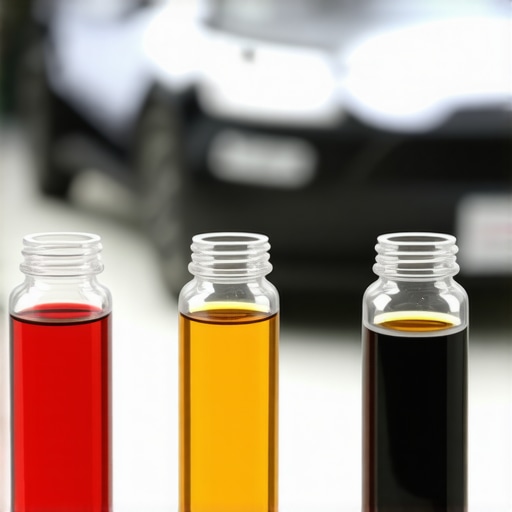
With the engine warm, remove the dipstick and observe the fluid. Healthy transmission fluid is usually pinkish or translucent red. If it appears dark brown, black, or has a burnt smell, it indicates contamination or overheating. To verify, compare the color against your vehicle’s specifications or industry standards. Remember, regular oil and transmission fluid changes are crucial for longevity.
Assess Fluid Level Accurately
Wipe the dipstick clean with a rag, reinsert it fully, then pull it out again to read the level. If the fluid is below the ‘Full’ mark, you need to add the correct type of transmission fluid. Be cautious not to overfill, as excess can cause shifting issues. Refer to your owner’s manual or professional guidance for the right fluid type and quantity.
Address Any Issues Immediately
If you notice burnt smell, dark color, or inconsistent levels, schedule an appointment with an experienced mechanic. Early intervention can prevent costly repairs. During my own check, I noticed the fluid was nearly black and smelled burnt—promptly, I booked a transmission flush, which restored smooth shifting. This proactive step avoided future transmission troubles.
While many car owners believe that an oil change is a simple routine that doesn’t require much thought, this misconception can lead to critical issues down the line. A common myth is that as long as the oil looks clean and the engine runs smoothly, there’s no need to worry about oil quality or the certification of your mechanic. In reality, understanding the nuances—like the importance of synthetic oils or the significance of ASE (Automotive Service Excellence) certifications—can drastically impact your vehicle’s lifespan. Many assume that all car services are equal, but an ASE-certified technician adheres to rigorous standards, ensuring your car receives expert care that many uncertified mechanics might overlook.
One trap many fall into is neglecting the advanced signs of transmission wear that aren’t immediately visible. For example, subtle slipping or shuddering during shifts might be dismissed as normal but could indicate impending transmission failure. Recognizing these signs early can save you from costly repairs. Additionally, there’s a misconception that transmission fluids don’t need changing unless visibly contaminated. However, experts highlight that even without apparent color change, fluid degradation over time reduces transmission efficiency. Regularly consulting trusted sources like [this guide on top oil change tips](https://autofixclinic.com/top-oil-change-tips-for-safe-driving-in-2025) helps in making informed decisions.
Beware of the internal traps: many owners rely solely on external vehicle appearance or basic visual checks, but advanced diagnostics reveal issues that quick inspections miss. For instance, a vehicle’s shifting behavior or engine temperature spikes during idling might point to deeper mechanical problems. Advanced maintenance such as oil analysis or professional diagnostics often uncovers hidden issues—something that casual inspections can’t detect.
So, what are the common pitfalls? Overlooking the importance of proper service scheduling, assuming cheap parts are sufficient, or trusting unverified mechanics can cost more in the long run. Having the right certifications, like those from ASE, ensures technicians are qualified to handle complex systems, including transmissions. As a car owner, developing an understanding of these nuances empowers you to make smarter decisions.
Always remember that maintenance isn’t just about replacing parts; it’s about maintaining the intricate balance of your vehicle’s systems. The subtle signs of wear, the myths surrounding routine checks, and the advanced mistakes can all be pitfalls but also learning opportunities. Stay proactive, educate yourself, and don’t hesitate to seek expert advice—your car’s longevity depends on it.
Are you guilty of any misconceptions about car maintenance? Let me know in the comments and share your experiences. For more insights, check out [this comprehensive guide on choosing the right car service](https://autofixclinic.com/choosing-the-right-car-service-for-your-vehicles-needs) to keep your vehicle running smoothly.
Keep It Running: Tools I Trust for Effective Car Care
Maintaining your vehicle’s transmission and overall health requires more than just basic knowledge; it demands the right tools and a systematic approach. Personally, I rely on a combination of high-quality diagnostic scanners like the Autel MaxiSys series, which allow me to read codes and perform active tests with precision. These tools go beyond generic code readers, offering in-depth insights that help identify issues before they escalate.
Another indispensable item is a radiator pressure tester. Over time, I’ve found it invaluable for detecting hidden leaks that might otherwise cause transmission overheating or fluid contamination. Regularly using these testers helps me catch problems early, saving money and extending my vehicle’s lifespan. For complex fluid inspections, I employ infrared thermometers to check transmission and engine temperatures during operation, ensuring they stay within optimal ranges.
Utilizing software like OEM-specific diagnostic platforms—such as Identifix or Mitchell 1—further enhances my diagnostic accuracy. These systems integrate vehicle-specific data and repair histories, making troubleshooting faster and more reliable. I also invest in quality fluid extraction tools designed for flushing transmission systems safely, which is essential for effective maintenance without overfilling or residual contamination.
Future of Car Maintenance Tools
The trend is shifting towards smart diagnostics and IoT-enabled vehicles, which will allow real-time monitoring of critical systems. As vehicles become more sophisticated, having access to advanced tools that can interface with onboard computers will become vital for proactive maintenance. Digital apps integrated with cloud data will provide personalized maintenance alerts, reducing guesswork and extending vehicle longevity.
How do I maintain these tools over time?
Regular calibration and cleaning are essential. I schedule periodic checks for my diagnostic devices and ensure my fluid tools are free of debris to avoid erroneous readings. Storing equipment in dry, clean environments prevents corrosion and degradation. Investing in durable cases and following manufacturer guidelines keeps my tools ready for reliable use whenever needed. Consistently updating software and firmware also ensures compatibility with the latest vehicle models and repair techniques. This proactive approach has kept my maintenance practices sharp and my vehicle running smoothly.
If you’re serious about keeping your vehicle in top shape, I highly recommend mastering the use of these diagnostic tools and maintenance devices. And don’t forget, combining good tools with a certified mechanic can make all the difference. For additional insights on choosing trusted service providers, visit this guide on selecting quality car service.
Three Lessons I Wish I Learned Sooner About Transmission Care
First, trusting that transmission fluid color doesn’t matter is a common yet costly mistake. I once thought that as long as my car was shifting smoothly, everything was fine—turns out, early warning signs like darkened fluid could prevent major repairs. Second, overfilling the transmission fluid isn’t just about messy spills; it can cause shifting issues—being cautious and following manual specs saved me from unexpected breakdowns. Lastly, ignoring subtle shifts or delays might seem minor but often indicates underlying transmission wear; catching these early can extend the lifespan of your vehicle significantly.
The Gear I Swear By for Safe, Reliable Transmission Maintenance
One tool I can’t live without is an OEM-specific diagnostic scanner. It provides insights that generic tools simply can’t, especially for modern cars with complex electronics. A high-quality transmission fluid extractor ensures a thorough flush without residual contamination, vital for long-term health. For reference, I trust the importance of regular fluid changes, and these tools empower me to perform preventive maintenance myself. Lastly, a reliable infrared thermometer helps keep an eye on operating temperatures—overheating is often the silent killer of transmissions, and early detection saves money.
Your Next Move: Keep Your Transmission Running Smoothly
Remember, mastering transmission health isn’t just about tools or tips—it’s about building confidence in proactive care. If you take the time now to learn and apply these insights, you’ll enjoy a more reliable, longer-lasting vehicle that responds eagerly every time you hit the gas pedal. Don’t let uncertainty hold you back; becoming your own car’s best advocate is easier than you think. Share your experiences or questions below—I want to hear how you’re taking charge of your vehicle maintenance!