Why your steering wheel is off-center after hitting a curb
It was just a quick parking lot miscalculation. I thought I had parked perfectly, but as I drove away, I noticed something strange — my steering wheel was off-center. That familiar, unsettling tilt made me realize: even minor bumps like hitting a curb can throw off my car’s alignment. You might think it’s a small issue, but trust me, it’s more common than you’d expect, and ignoring it can lead to more costly repairs down the line.
How a Simple Curb Hit Can Throw Off Your Car’s Alignment
Hitting a curb isn’t usually seen as a big deal — a quick bounce to the wheels and back on the road. But that tiny impact can subtly alter your vehicle’s geometry, especially the alignment of your steering components. Over time, these small changes can cause your steering wheel to sit unevenly or pull to one side.
Most folks overlook this little wobble or tilt because it doesn’t seem urgent. But what if I told you that hitting a curb could be the starting point of serious misalignment issues, affecting your handling, tire wear, and safety? This is why acknowledging and addressing it promptly matters. In fact, according to recent automotive diagnostics, even a minor scrape can shift your suspension by fractions of an inch — enough to impact your steering accuracy (source).
When I first experienced this, I made the mistake of thinking a simple wheel adjustment would fix it. Turns out, I needed a proper alignment check and sometimes even to replace worn-out components like tie rods or control arms. Recognizing the root cause early saved me hundreds in repairs and kept my drive smooth.
So, if you’ve recently hit a curb or bump and are noticing your steering wheel isn’t quite right, this post will walk you through how I diagnosed the problem, the steps I took, and how you can do the same. Don’t let a small mishap turn into a major headache — let’s get to the bottom of this and get your car driving straight again.
Is Your Car’s Off-Center Steering Actually Worth the Hype?
At first, I wondered if it was just a minor annoyance. But ignoring an off-center steering wheel can cause uneven tire wear, reduce fuel efficiency, and even compromise your safety during sudden maneuvers. I used to think it was just cosmetic, yet I soon learned it’s a sign your suspension or alignment is out of whack. Early on, I made the mistake of just realigning the steering wheel without checking the underlying cause — a trap many fall into. The truth is, proper diagnostics and timely repairs are what truly keep your vehicle safe and reliable. Interested in how I learned to spot these issues early? Keep reading — I’ll guide you through the practical steps that saved my wheels and my wallet.
Check the Tire Pressure and Visual Damage
Start by inspecting your tires for uneven wear or visible damage, which can cause steering issues. Ensure all tires are inflated to the manufacturer’s recommended PSI, found in your vehicle’s manual or on a sticker inside the door jamb. A simple tire pressure imbalance can make the steering wheel feel off-center, similar to how an unbalanced wheel causes vibrations.
Once you’ve confirmed proper inflation, rotate the steering wheel from lock to lock and observe any irregularities or binding. During my last misalignment, I noticed the steering wheel hesitated slightly during turn, hinting at uneven tire pressure or damage. Fixing this is straightforward with proper inflation and matching tire conditions across all wheels.
Perform a Visual Suspension Inspection
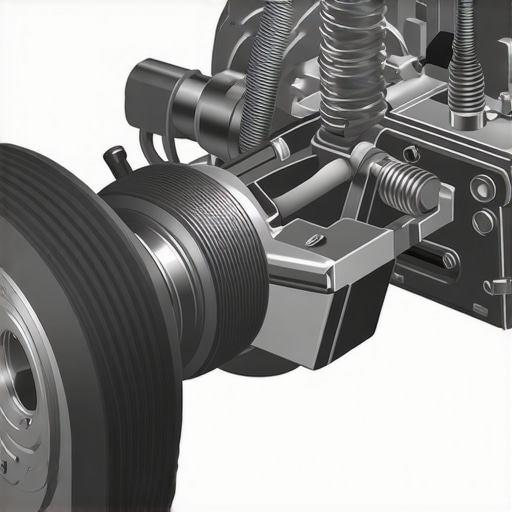
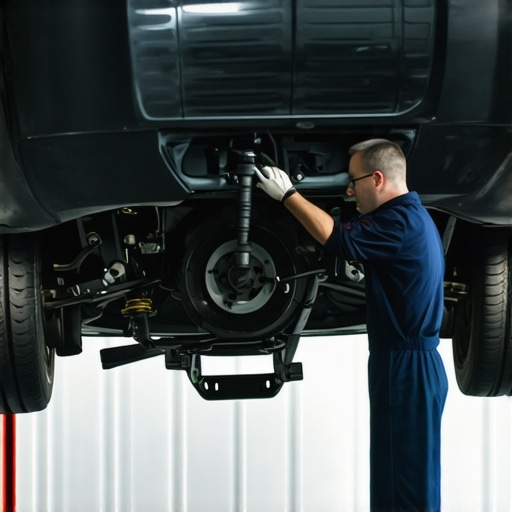
Next, examine suspension components such as tie rods, control arms, and ball joints for visible wear or damage. Look for cracked or bent parts, especially after hitting a curb or pothole. In my case, I found a torn inner tie rod boot that allowed dirt in, leading to worn-out joints and steering imbalance. Replacing worn parts early prevents further misalignment and prolongs your suspension’s lifespan.
Test the Alignment with a Straight Edge or Chalk Line
Drive your car onto a flat, open surface like a driveway and mark a straight line on the ground using chalk or tape, aligned with a fixed point on your vehicle, such as the front wheels. Slowly park straight, then measure the distance from the line to the center of each wheel. If the measurements differ, your vehicle may need a professional alignment. During my maintenance, I used a simple measuring tape and found my front wheels were misaligned by a few degrees, confirming the need for a professional service.
Visit a Certified Shop for Precise Alignment
While basic checks help identify obvious issues, a professional alignment using specialized equipment ensures your wheels are set to optimal angles. Look for shops that employ ASE-certified technicians, as they have proven expertise in diagnostics and repairs (learn why ASE certification matters). I recommend selecting a shop with a good reputation and transparent pricing, as a correctly aligned vehicle improves handling, reduces tire wear, and enhances safety.
When I took my car in for an alignment, the technician discovered a slightly bent control arm. Replacing it and performing the alignment restored my steering to perfect centering, improving the driving experience dramatically. Regularly checking and correcting your alignment after impacts like curb hits ensures your vehicle remains safe and economical on the road.
Despite the widespread belief that oil changes are a simple, straightforward part of car maintenance, many drivers fall prey to misconceptions that can compromise their vehicle’s performance and longevity. Let’s dig deeper into some common myths and reveal the nuances that every car owner should understand to make smarter decisions.
Is More Oil Always Better for Your Engine?
A frequent mistake is the idea that topping off oil or using higher-volume quantities will improve engine health. In reality, overfilling can lead to foaming, increased pressure, and even leaks, which can damage seals and gaskets. The optimal oil level, as recommended by your vehicle’s manual, is crucial for proper lubrication. For advanced insights on how oil quantity impacts engine performance, check why regular oil changes extend your car’s lifespan.
Believing All ASE Certification Means the Same
Many assume that all ASE-certified technicians are equally qualified, but the reality is more nuanced. The ASE certification encompasses a range of specialties, from engine performance to transmission to electronic systems. An ASE Master Technician, for example, has demonstrated comprehensive expertise. To ensure your mechanic is truly qualified, consider verifying their certification with this guide. Never underestimate the importance of specialized knowledge, especially when diagnosing complex issues like slipping transmissions.
Thinking Transmissions Only Fail Under Heavy Use
Transmission trouble doesn’t just happen from aggressive driving or high mileage; premature failures often result from neglecting fluid maintenance. Many drivers neglect to perform timely transmission fluid exchanges, increasing risk of shuddering, slipping, or complete failure. Regular service, like fluid and filter replacements, can prevent costly repairs. For advanced diagnostics and preventative strategies, explore transmission troubleshooting tips.
Warning: The Hidden Trap in Routine Car Service
Relying solely on routine oil changes without addressing underlying issues is a mistake. Modern cars have intricate systems that require precise diagnosis, including sensors and control modules that can malfunction or deliver false warnings. Skipping comprehensive inspections can lead to surprises down the road. For a tailored approach to vehicle care, I recommend consulting expert insights like those found at choosing the right car service. Making an informed choice ensures your vehicle receives the right attention before small problems escalate.
How can you avoid falling into these traps?
The key lies in understanding the nuances of car maintenance and ensuring you seek guidance from skilled, certified professionals. Don’t settle for generic advice; delve into expert tips, use quality fluids, and stay proactive with comprehensive diagnostics. Think of your vehicle as a finely tuned machine—every detail counts. Regular, informed maintenance will save you money and keep your car running smoothly for years.
Have you ever fallen into this trap? Let me know in the comments and share your experience. Remember, being an informed car owner is the best way to extend your vehicle’s life and avoid costly surprises.
Maintaining your vehicle’s performance over time requires more than just basic knowledge; it demands the right tools, a disciplined approach, and understanding of evolving technology. One of my go-to tools is a high-quality diagnostic scanner, such as the Autel MaxiCOM MK808, which allows me to quickly identify sensor errors, transmission issues, or engine codes without unnecessary trips to the mechanic. This device connects seamlessly to various vehicle makes and models, providing real-time data that help me make informed decisions about repairs or maintenance intervals.
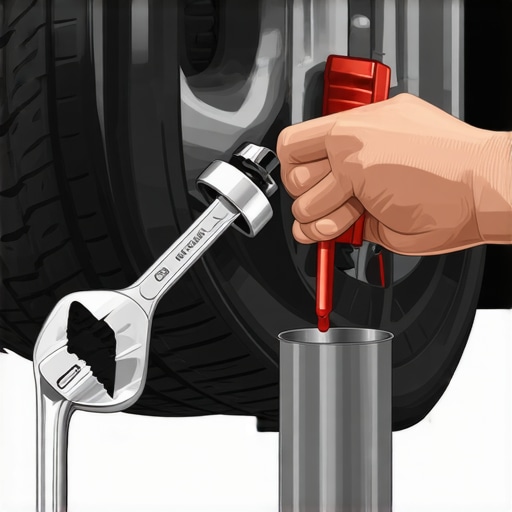
Beyond diagnostic scanners, I rely on a precision torque wrench—specifically, the Tekton Twist Head Torque Wrench. Proper torquing, especially on critical components like wheel lug nuts or transmission pan bolts, prevents over-tightening or under-tightening, both of which can cause long-term issues. For instance, precise torque application can extend the life of your wheel bearings and prevent uneven tire wear, which I’ve seen firsthand during my routine wheel checks.
Another indispensable practice is using a magnetic oil drain plug with a built-in magnet that captures ferrous debris from engine oil. Regularly inspecting and cleaning this magnet during oil changes, guided by tips from this resource, helps identify early signs of engine wear before bigger problems develop.
When it comes to long-term results, a controlled approach to fluid maintenance is vital. I now use a refractometer to measure transmission fluid contamination levels, ensuring timely flushes, which optimizes transmission performance and prolongs service life. Although more common for fleet vehicles, this method can be adapted for personal use with the right instruction, such as in this detailed guide.
Looking ahead, advancements like telematic data loggers and predictive maintenance software, which utilize machine learning to foresee potential failures, will become mainstream. Equipping your garage or service area with these technologies can drastically reduce unexpected breakdowns and service costs.
How do I maintain transmission health over time? My best advice is to maintain a consistent schedule for fluid analysis and change, adhere to manufacturer torque specs during repairs, and stay vigilant for symptoms like slipping or rough shifts. For example, regularly checking your transmission fluid condition with tools like a refractometer can prevent costly repairs, as it provides early warning signs of contamination or breakdown. Moreover, always seek certified expertise—an ASE-certified technician can interpret readings more accurately and recommend tailored solutions. Discover more about the importance of certified technicians here.
Finally, make a habit of tracking your vehicle’s maintenance digitally. Using apps designed for fleet management or personal logs ensures you never miss essential services, helping your vehicle stay reliable for years to come. Take your maintenance to the next level—try implementing a transmission fluid testing routine with a refractometer and see how early detection can save you thousands in repair costs.
3 Surprising Truths I Discovered About Oil Change and ASE Certification
After years of navigating the complex world of vehicle care, I realized that my assumptions about routine maintenance often blinded me to deeper lessons. For example, I once believed that opting for the cheapest oil change was always cost-effective, but I learned that quality over price matters profoundly for engine longevity. Additionally, trusting any shop with a quick ASE badge isn’t enough; understanding the specific certification—like master technician credentials—can make a real difference in diagnostics and repairs. These lessons taught me that diligent research and humility are essential to keep my vehicle running smoothly.
Tools and Resources That Keep My Fleet Moving Like Clockwork
Investing in the right tools has transformed my approach to preventive care. The high-quality diagnostic scanner provides instant insights into what my car needs, saving time and avoiding guesswork. To ensure proper torque specifications during repairs, I rely on the precision torque wrench. For long-term health, the coolant testing kit allows me to stay ahead of potential engine overheating issues. Having a curated set of trusted tools means I can address problems early and keep my vehicles at peak performance.
Embracing the Future of Car Care and Maintenance
The journey toward smarter maintenance is ongoing. I’m excited by emerging technologies like telematics and predictive analytics, which can forecast failures before they happen—something I strongly recommend exploring, especially if you manage a fleet. As we adopt more sophisticated tools, remember that personalized, professional guidance remains vital. Staying proactive, leveraging high-tech diagnostics, and continuously learning will empower you to do more than just fix problems—you’ll prevent them from occurring in the first place. This proactive mindset is your best ally in ensuring longevity and safety for your vehicle investments.
Have you ever had a lightbulb moment about your car maintenance routines? Share your story—I’d love to hear how insights have changed your approach!