How to tell if your CV boot is torn before the axle snaps
It was a morning like any other, until I heard that unmistakable grinding noise when I turned the steering wheel—a sound that sends a shiver down any car enthusiast’s spine. That moment, I realized I might have ignored a small, seemingly insignificant problem for too long. The tiny torn CV boot that’s been staring at me from beneath my car could have led to a costly axle failure if I hadn’t caught it just in time.
Why Spotting a Torn CV Boot Matters Before disaster Strikes
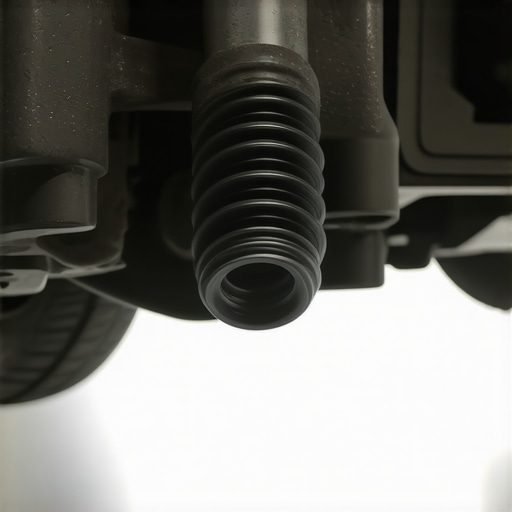
Ignoring issues with your CV boot isn’t just about avoiding a mess under your car—it’s about preventing a chain reaction of costly repairs and safety hazards. The CV (constant velocity) boot is a crucial rubber cover, protecting the CV joint that allows your wheels to turn smoothly. When this boot tears, dirt, debris, and moisture can sneak in, causing the joint to wear prematurely. If left unchecked, this can lead to a complete axle replacement—something that could have been avoided with a few simple inspections.
In my early days as a DIY enthusiast, I made the mistake of assuming a slight grease leak was nothing serious. I thought, “It’s just a little dirt; it’ll last a bit longer.” Big mistake. That oversight cost me thousands in repairs when the joint failed. Now, I’m here to share what I’ve learned—because I don’t want you to go through that pain.
Ever wondered how to tell if your CV boot is torn before the axle snaps? Today, I’ll walk you through practical signs and checks that can save you from an expensive roadside breakdown or worse.
Is It Really Worth the Fuss to Check?
You might think, “It’s just a small tear; how bad can it be?” Well, according to automotive experts, a torn CV boot can lead to joint failure within a few thousand miles—sometimes even sooner if driven under harsh conditions. The cost of replacing an axle can easily surpass the price of a simple inspection or early replacement of a damaged boot.
One common mistake I made early on was assuming such problems could wait or wouldn’t happen to my vehicle. That false sense of security can be dangerous. Regularly checking the boots and listening for warning signs can make all the difference. And it’s easier than you might think, with just a bit of knowledge and some proactive habits.
If you’re curious about the credentials behind the advice, consider the importance of ASE certification, which ensures technicians are equipped with the knowledge to diagnose these issues properly. You can learn more about what that entails on [this page](https://autofixclinic.com/what-does-an-ase-certification-mean-for-your-cars-maintenance).
Now that I’ve shared my wake-up call, let’s dive into how you can identify the telltale signs of a torn CV boot and keep your vehicle rolling smoothly.
Get Hands-On with Visual Inspection
Start by safely elevating your vehicle using jack stands on a flat surface. Wear gloves and eye protection. Crawl beneath your car and locate the CV joints on each side of the axle. Look for torn or cracked rubber boots and grease splatters around the area. A micro-story: I once noticed a tear on my driver’s side boot after a routine oil change, which prompted me to replace it before further damage occurred, saving me from a costly axle replacement.
Check for Grease Leaks and Dirt
Grease leaking from torn boots often attracts dirt and debris, creating a grimy buildup. Wipe the area with a rag—if you find grease near the joint and dirt caked onto the boot, that’s a red flag. Remember, a clean-looking boot may still be torn—inspect thoroughly.
Listen for Unusual Noises During Drive
Pay attention to clicking, popping, or grinding sounds when turning. These sounds can indicate the CV joint is working without proper protection. During a test drive, try making tight turns in a parking lot; unusual noises while steering may point to torn boots or joint wear.
Perform a Flex Test
While safely supporting the wheel, manually move the joint side to side and up and down. Excessive movement, more than a few millimeters, suggests internal wear caused by boot failure. I caught this during a weekend garage session, which revealed a loose joint needing immediate attention.
Utilize Advanced Visual Diagnostics
If you’re unsure, consider using a flashlight or mirror to inspect hidden parts of the joint more closely. For a more in-depth approach, some enthusiasts use borescope cameras to see inside the boot and joint without removing components. This technique proved invaluable when I suspected a tear but couldn’t see it clearly with the naked eye.
Regular Service Checks Save Money
Schedule periodic inspections with a mechanic to catch issues early. An ASE-certified technician can spot subtle signs of wear before they become serious problems. Check out what ASE certification entails to understand the value of professional diagnostics.
Preventative Measures to Extend Your CV Boot’s Life
Keep your vehicle’s suspension and steering components in good condition, as they influence axle movement. Regularly check and replace your vehicle’s oil and fluids, since proper lubrication reduces strain on joints. Read how regular oil changes improve your car’s longevity.
Choose Quality Replacement Parts
Use OEM or high-quality aftermarket CV boots that resist cracking and tearing. When replacing a torn boot, ensure the mechanic properly greases and clamps the new boot for lasting protection. Quality parts and proper installation are essential to prevent premature failure.
Know When to Seek Professional Help
If you’re unsure about your inspection, or if you notice persistent noises or grease leaks, visit a trusted mechanic. Professional diagnostics, including the use of specialized tools, can identify issues that are invisible to the untrained eye. Visit our contact page to find certified experts ready to assist.
By integrating these steps into your routine maintenance, you minimize downtime and avoid costly repairs down the road. Taking a proactive approach to your vehicle’s CV joints ensures smoother rides and longer-lasting components.
Many car owners operate under misconceptions that can hinder proper vehicle maintenance. One prevalent myth is that all transmission fluids and oil changes are created equal—that a quick drain-and-fill suffices for long-term health. In reality, high-quality, manufacturer-recommended fluids and precise change intervals are critical for optimal performance. Relying solely on mileage without considering driving conditions or using inferior fluids can accelerate wear, eventually leading to costly repairs.
Another common misconception surrounds ASE certification. Many believe that having an ASE badge on a technician guarantees flawless service. However, the certification indicates a level of competence, but ongoing training and specialization are equally essential. An ASE-certified technician might excel in diagnostics but lack depth in specific areas like transmission repairs or hybrid systems. To ensure your vehicle gets the best care, look for shops that specialize in your car’s needs, combining ASE credentials with experience.
For instance, many owners neglect routine transmission checks, assuming severity only manifests as shifting issues. But, as experts highlight in detailed guides like our transmission troubleshooting post, early symptoms such as hesitation, shuddering, or delayed engagement can precede major failures. Catching these signs with a keen eye or professional diagnostics can save you thousands.
Furthermore, there’s a trap in believing that more frequent oil changes always equate to better engine health. While regular oil is essential, overdoing it or switching to synthetic without proper understanding can lead to unintended consequences. As discussed in our oil change article, adhering to manufacturer schedules and choosing the right oil type based on your driving conditions is crucial. Skipping these nuances might result in either unnecessary expenses or overlooked issues.
In advanced maintenance, considering the nuances like the importance of proper torqueing during oil drain plug replacement, or using a camera inspection to detect early signs of internal wear, can make a significant difference. Expert insights emphasize that understanding these subtleties elevates your DIY or professional service standard.
So, the next time you schedule service, ask: Am I following the manufacturer’s specifications? Are my technicians blending experience with ongoing education? Remember, detailed knowledge and proactive habits are your best armor against unexpected breakdowns.
Have you ever fallen into this trap? Let me know in the comments. And for more guidance on choosing the right service shop, visit this resource.Maintaining your vehicle over the long term requires not only understanding the critical components but also having the right tools and techniques to ensure optimal performance. As a car enthusiast and professional, I rely on a set of specific equipment and software that I personally trust to keep everything running seamlessly. In this post, I’ll share insights into my recommended tools, the methods I use for diagnosis and maintenance, and where I see future trends heading in automotive care.
How do I maintain transmission health and oil clarity over time?
One critical aspect of vehicle longevity is monitoring and maintaining your transmission system and engine oil. I swear by a high-quality digital transmission fluid tester, which allows me to accurately assess the fluid’s condition without relying solely on color or smell. This device provides real-time data on fluid temperature, viscosity, and contamination levels, helping me determine if a fluid exchange is needed before any breakdown occurs. Regular use of such testers aligns with expert advice found in our transmission troubleshooting guide.
For engine oil, I employ a multimeter with a specific coolant tester probe to check for coolant contamination in oil samples, ensuring I spot issues like head gasket failure early. Additionally, I use oil analysis kits that can be sent to labs for detailed reports—an invaluable resource for those managing a fleet or working on complex vehicles.
Efficient diagnostics with software and hardware tools
On the software side, I depend on OEM-specific diagnostic scanners that interface with a vehicle’s ECU. For instance, my trusted OBD-II scanner with extended Bosch compatibility helps me identify minor sensor issues before they escalate—saving time and money. I prefer models that support live data streaming and CAN protocol reading, like the Snap-on Verus series, as they provide comprehensive insights for complex diagnostics.
Hardware tools are equally essential. A reliable magnetic wheel alignment tool with laser guides ensures my suspension and steering components are correctly calibrated after repairs. I also have a compact borescope camera, which I use to inspect hard-to-reach parts such as inside CV boots or engine chambers, providing visual confirmation without invasive disassembly. Incorporating these tools into my routine guarantees precision and peace of mind during maintenance sessions.
Looking ahead: Trends shaping future vehicle care
Predictions suggest that advanced diagnostics and predictive maintenance will become the norm, integrating AI-driven sensors capable of alerting owners to issues before symptoms appear. Electric vehicles (EVs) demand different tools and approaches, emphasizing software updates and battery health monitoring. Staying ahead means investing in versatile, upgradeable equipment and continuing education—something I actively do through courses offered by automotive certification programs like ASE certifications. I encourage you to test your current diagnostic tools’ capabilities regularly and consider adding quantitative oil and fluid testers to your toolkit.
Implementing these precise methods and trustworthy tools has transformed my maintenance routine, ensuring my vehicles stay reliable mile after mile. Don’t hesitate to invest in quality diagnostic equipment—it’s an empowering step toward proactive vehicle care. Start by trying out a simple oil analysis kit today, and notice the difference in your troubleshooting confidence.
Lessons I Wish I Had Learned Sooner in Car Maintenance
- Trusting cheap parts or rushing repairs can cost you exponentially more in the long run—quality always pays off.
- Neglecting proactive diagnostics might save time today but leads to costly failures tomorrow—prevention is better than repair.
- Relying solely on generic knowledge can blind you to specific needs of your vehicle—in-depth understanding makes a difference.
- Overestimating the simplicity of routine maintenance can cause overlookable issues that snowball into major problems.
- Certifications like ASE are valuable, but ongoing education ensures you’re at the forefront of evolving automotive technology.
Tools and Resources That Shift My Maintenance Game
- OBD-II Extended Compatibility Scanners: Essential for real-time diagnostics, helping me catch issues before they escalate.
- High-Quality Oil Analysis Kits: Provide detailed reports on engine health, saving money in the long term.
- Reliable Digital Transmission Fluid Testers: Allow me to assess fluid condition accurately in my own workshop.
- Automotive Certification Courses from Trusted Bodies: Keep my skills sharp and knowledge current, especially when dealing with complex systems.
Your Next Move Starts Today
Taking proactive control of your vehicle’s transmission and oil health isn’t just maintenance—it’s a mindset shift that pays dividends. By investing in quality tools, ongoing learning, and attentive care, you ensure reliability and peace of mind on every journey. Remember, mastering these secrets transforms your approach from reactive to strategic, extending your vehicle’s life and enhancing safety.
What has been your biggest breakthrough in understanding or maintaining your vehicle? Drop your story below—let’s learn together!
**Note:** For trusted insights on how ASE certification enhances your vehicle care, visit this page. To connect with experts for your specific needs, don’t hesitate to reach out here. Ensure your vehicle receives the professional attention it deserves with the right knowledge and tools at your side.