The risk of ignoring a small power steering fluid leak
It was a typical Tuesday morning when I first noticed a tiny, almost invisible puddle forming beneath my car. At first, I shrugged it off—just another drop of water from the air conditioner, right? But a nagging feeling told me to take a closer look. That small, almost negligible leak from my power steering was about to teach me a costly lesson. If only I had paid attention sooner.
Why Overlooking Small Power Steering Leaks Is a Shortcut to Bigger Problems
Many drivers dismiss small leaks as nothing to worry about. After all, it’s just a tiny drop, and what’s the harm? Well, here’s the truth—those little leaks are like warning flags waving in your face. Ignoring them can lead to progressive damage within your steering system, potentially compromising your safety and causing expensive repairs. It’s easy to assume a leak isn’t urgent when it’s barely noticeable, but the reality is that any loss of power steering fluid can cause your steering to feel stiff, especially during cold mornings or tight turns. Early action can save you hundreds of dollars and a lot of frustration.
But Is It Worth the Effort to Fix Small Leaks?
I used to think I could just top it off and keep driving. That was a mistake. Early on, I missed the significance of that tiny leak because I believed a simple fluid refill would fix everything. But as I learned, a small leak can rapidly escalate, damaging the power steering pump, hoses, or the rack itself. In fact, according to automotive experts, ignoring minor leaks is a common mistake that often results in steering failure or complete system overhaul later. Preventive maintenance and early repairs are way cheaper—and safer—in the long run.
If this scenario sounds familiar or if you’re wondering whether your own vehicle might be quietly signaling trouble, I encourage you to get to the root of the issue before it’s too late. You can schedule a thorough inspection with trusted professionals, like those at Auto Fix Clinic, who can identify the source of leaks and prevent costly damage. Remember, taking proactive steps now can ensure your car remains safe and reliable on the road.
Start with a Visual Inspection
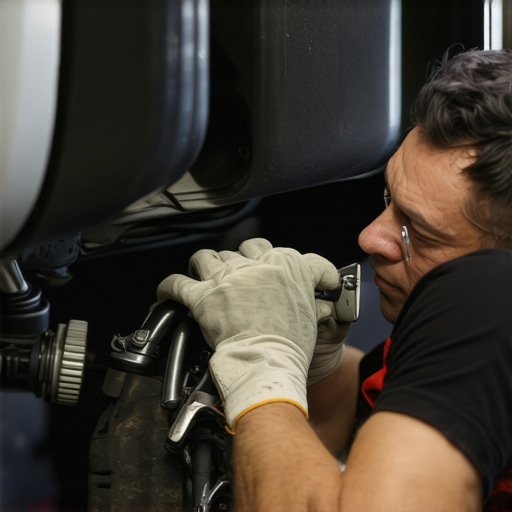
Before you dive into repairs, park your vehicle on a level surface and turn off the engine. Put on gloves and flashlight in hand, then examine the power steering system components—hoses, pump, and reservoir—for obvious leaks or cracks. Remember, a small puddle doesn’t always mean the leak’s original source; trace the fluid trail back to its origin. I once found a tiny crack in a hose connector that was almost invisible but caused a significant drop in fluid over a few days.
Drain and Remove Affected Components
To work effectively, drain the power steering fluid using a turkey baster or pump. Replace the fluid with the correct type as specified in your owner’s manual. For this step, ensure your vehicle is cool to avoid burns from hot fluid. Use a wrench set and drain pan to disconnect hoses or pump components—be systematic and keep track of bolts. During my last repair, I labeled each hose with masking tape to avoid confusion upon reassembly, preventing leaks caused by incorrect connections.
Identify the Exact Source of the Leak
Clean the area thoroughly with a degreaser or brake cleaner. Start the engine and turn the steering wheel left and right to circulate the fluid, then observe where fresh fluid begins to seep. Sometimes, leaks occur at the pump’s seal or where hoses connect to the reservoir. I once replaced a leaking o-ring seal that appeared intact before testing—it fixed my leak instantly, saving me costly pump replacement later.
Replace Faulty Parts and Seal Leaks
Order genuine replacement parts, preferably from certified suppliers. For hoses, use a high-quality hydraulic or power steering hose to ensure durability. If a seal or o-ring is damaged, replace it with an ATSM-approved part. When installing new components, lubricate seals with power steering fluid to ease installation. After reassembling, fill the reservoir with fresh fluid, bleed the system by turning the steering wheel fully left and right, then check for leaks. During mine, careful tightening and bleeding avoided air pockets that could cause steering jerks.
Test and Monitor the Repair
Start the engine and observe the system for leaks and smooth steering operation. Take the vehicle for a short drive, turning the wheel multiple times to circulate fluid evenly. Check the fluid level and top off if necessary. Continuously monitor the repaired area for any signs of seepage during the next 24 hours. This hands-on approach prevents getting stranded with a failed OEM pump or hose, which can be catastrophic on the road.
Schedule a Professional Inspection When Needed
If at any step you’re unsure or if leaks persist, it’s wise to contact certified technicians. A professional ASE-certified mechanic can perform a comprehensive inspection, identify hidden issues, and ensure your safety. Remember, regular inspections and maintenance—like oil changes and transmission checks at top oil change tips or affirming ASE certification via ASE credentials—are your best defense against costly repairs and breakdowns.When it comes to vehicle maintenance, many car owners rely heavily on popular myths and surface-level advice, but as an automotive expert, I’ve seen how these misunderstandings can lead to costly mistakes. One prevalent misconception is that all oils and transmission fluids are interchangeable, which is far from the truth. Using the wrong type of oil can cause increased engine wear and reduced lifespan, making it essential to consult your vehicle’s manual or a certified technician—more information on the importance of proper oil selection is available at our guide to oil changes. Additionally, many believe that a quick, inexpensive service is sufficient for transmission health; however, neglecting scheduled transmission flushes or ignoring early warning signs can lead to severe damage, as covered in transmission maintenance insights. A common trap is assuming ASE certification guarantees a technician’s expertise in your specific vehicle—while it indicates a high standard, always verify their specialization, especially when dealing with complex systems like modern turbos or hybrid drivetrains. Studies by automotive industry analysts show that vehicles serviced by ASE-certified technicians experience fewer repairs and better longevity. To avoid these pitfalls, ask questions about your mechanic’s experience, request detailed diagnostics, and resist the urge to cut corners on preventive care. Remember, routine maintenance like oil changes and inspections are your best defense against unexpected breakdowns and costly repairs. Make sure you’re not falling into common traps that could threaten your vehicle’s reliability. Have you ever fallen into this trap? Let me know in the comments.
Tools That Make Maintenance Easier and More Effective
To ensure your vehicle stays reliable and safe over the long haul, investing in high-quality, precision tools is a must. I personally rely on a torque wrench like the Ingersoll Rand T4i Torque Wrench for exact tightening of critical components such as suspension bushings and engine mounts. This ensures you don’t under-tighten or over-tighten, both of which can lead to costly failures. Additionally, a digital multimeter, like the Fluke 115 Compact Digital Multimeter, helps me diagnose electrical issues quickly—be it a faulty sensor or a failing alternator. Precision and speed matter when troubleshooting, and quality tools save you time and prevent errors.
Having a reliable jack is another fundamental piece. I recommend the Arcan ALJ3T Service Jack because its sturdy design and high weight capacity provide stability during oil changes or suspension work. For draining fluids, a Mityvac Vacuum Pump makes oil, coolant, and transmission fluid replacement a cleaner, more controlled process—especially helpful in tight spaces or when working solo.
Software Solutions for Long-Term Maintenance Records
Being organized is crucial for maintaining your vehicle’s health. I use digital maintenance logs to track oil changes, filter replacements, and scheduled inspections. Apps like CarFAX or the manufacturer’s digital service programs keep me on top of recall notices and upcoming service needs. By logging every maintenance activity, you can spot trends early and address issues before they escalate, saving money in the long run. As vehicles become more complex, especially with hybrid and electric components, maintaining detailed records helps ensure you meet all recommended service intervals, vital for ASE-certified technicians verifying long-term health.
Tools for Safe and Precise Transmission Work
Transmission work demands meticulous attention. I swear by the Lisle 57000 Transmission Fluid Pump to fill transaxles without spillage—critical when working in tight engine bays. For diagnostics, a professional-grade scan tool like the Autel Maxisys MS908 allows access to advanced system parameters, perfect for diagnosing shifts or solenoid issues. These tools help avoid unnecessary repairs and ensure the longevity of your transmission, especially when following expert advice shared in transmission troubleshooting guides.
Predicting the Future of Automotive Maintenance
The trend points toward smarter, connected tools that integrate with diagnostic software to provide real-time data, predictive analytics, and automated alerts. Think of tools with AI-learning capabilities that warn you about impending failures before symptoms even appear. As vehicle electronics grow more sophisticated, the ability to monitor and maintain these systems remotely will become standard, further emphasizing the importance of integrating hardware and software solutions for holistic car care.
How do I keep my vehicle’s systems operating smoothly over time?
Implement routine inspections with diagnostic tools, keep detailed maintenance records, and upgrade your toolkit periodically to include the latest tech. Regularly consulting trusted sources like our maintenance tips can help you stay ahead. Why not start today by testing your vehicle’s electrical system with a multimeter to catch potential issues early? This small step can prevent big repairs down the road—and keep your car running reliably for years to come.
Lessons from My Own Pitfalls with Power Steering Maintenance
One of the biggest insights I gained was realizing that ignoring a tiny leak often leads to major repairs. Early on, I overlooked that small puddle because I thought topping off fluid was enough. Now, I understand that proactive inspection and swift repair can save hundreds—and even thousands—compared to costly system replacements. The lightbulb moment was recognizing that small signals can prevent big breakdowns, and acting promptly is always worth it.
Tools and Resources That Changed My Approach to Car Care
Investing in quality tools like a reliable torque wrench or a digital multimeter has been transformative. They let me diagnose issues with confidence and precision, saving time and money. I also rely heavily on trusted sources such as our maintenance tips and professional diagnostics like transmission troubleshooting guides to make informed decisions. These resources are my secret weapons in maintaining vehicle health long-term.
Emotional Boost for Your Car Maintenance Journey
Remember, mastering car care isn’t about being a mechanic—it’s about empowering yourself. Small steps like regular inspections and using the right tools build confidence and extend your vehicle’s lifespan. Your dedication now will pay off with safer drives, fewer breakdowns, and more money saved. Don’t wait until a leak turns into a disaster; start today with a simple visual check or a quick visit to professional experts.