Why Your Engine Vibrates When You Are Stopped at a Red Light
I vividly remember the moment I first noticed my car trembling while stopped at a red light. A sudden jolt, like my vehicle was trying to dance without my permission. At first, I thought it was just a rough startup or maybe some minor issue I could ignore. But as weeks went by, that trembling became an uncomfortable reminder that something wasn’t quite right. It wasn’t just annoying—it felt like a warning sign waving right in front of me.
Unraveling the Mystery of Engine Vibrations During Idle
After digging around and chatting with a trusted mechanic, I realized that idle vibrations aren’t just nuisances—they can point to underlying problems affecting your car’s health. Today, I want to share what I’ve learned from personal experience and expert insights. We’ll explore the common causes behind engine vibrations when you’re stopped and how you can diagnose and fix them before they turn into costly repairs.
Is Your Car’s Shaking Actually Serious? Or Just Annoying?
One mistake I made early on was dismissing my car’s shaky stop as a minor issue. Turns out, ignoring it can lead to bigger problems down the road. An engine that vibrates at idle might be signaling issues like misfiring spark plugs, worn engine mounts, or dirty fuel injectors. Recognizing these signs early can save you money and frustration. According to a study in the Auto Fix Clinic, addressing idle vibrations promptly can extend your engine’s lifespan and improve fuel efficiency.
Now that I’ve opened up about my experience, let’s dive into the specific reasons your engine might be shaking and what practical steps you can take to get it back to smooth operation. Ready to troubleshoot like a neighbor who cares? Let’s get started.
,
Start with a Visual Inspection
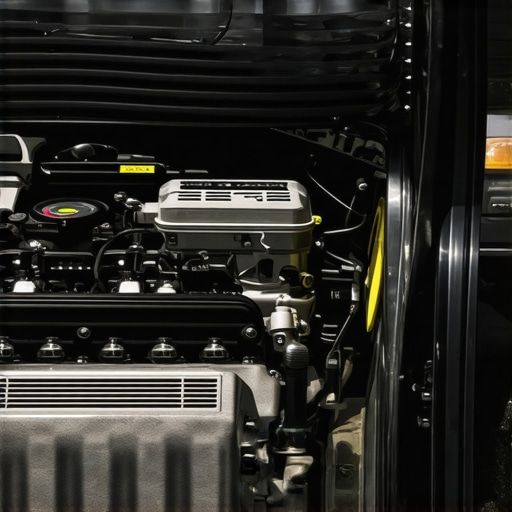
Before jumping into complex diagnostics, open your hood and look for obvious issues like loose wires, cracked hoses, or oil leaks. Tighten any loose components and note any irregularities. During my experience, I personally found a loose spark plug wire that, once secured, noticeably reduced the shaking. Use a clean flashlight to inspect for corrosion or damage on the battery terminals and engine bay connections.
Check the Engine Mounts
Engine mounts act as shock absorbers for the engine. Worn or broken mounts can cause excessive vibrations. To assess them, observe the engine while shifting from park to drive and reverse; if the engine shifts unusually or exhibits excessive movement, the mounts might need replacement. A certified mechanic can perform a more thorough inspection, but a basic visual cue can save you time and money. Remember, faulty mounts can lead to further damage if ignored.
Test Spark Plugs and Ignition System
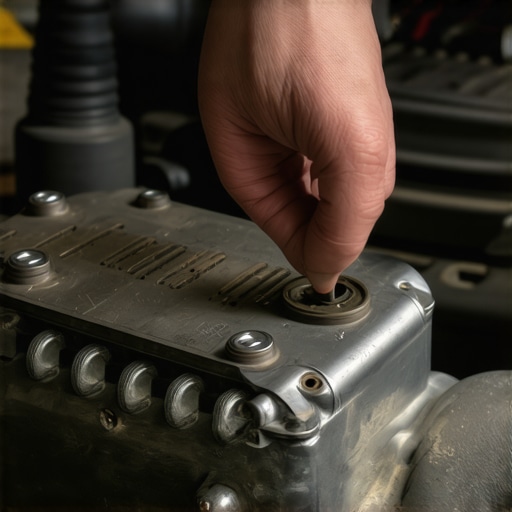
Misfiring spark plugs are common culprits for idle vibrations. Remove one spark plug wire at a time and inspect the electrode for wear or deposits. If they’re dirty or worn, replacing them is straightforward and inexpensive. When I replaced my spark plugs with the help of a DIY guide, I noticed immediate smoothness at idle. Use quality plugs recommended by your vehicle manufacturer to ensure optimal performance.
Assess Fuel System Components
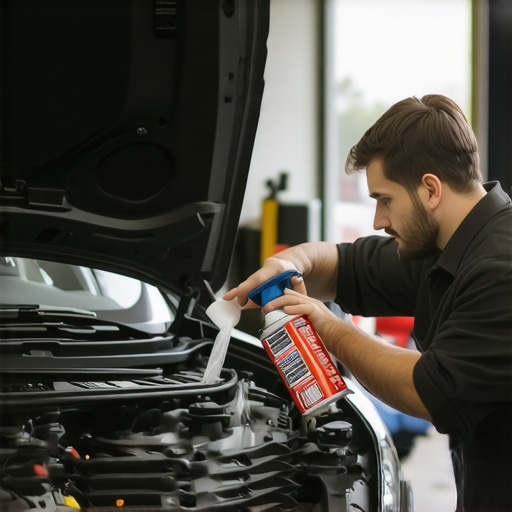
Dirty fuel injectors can cause inconsistent combustion, leading to engine shaking. Consider using a fuel injector cleaner or scheduling a professional cleaning if you’re comfortable doing it yourself. For a quick check, listen for engine hesitation during acceleration, which can signal clogged injectors. Remember, regular maintenance like oil changes and fuel system cleanings plays a vital role in avoiding these issues—check out top oil change tips to learn more.
Evaluate the Air Intake and Vacuum System
A cracked or disconnected vacuum hose can lead to rough idling. Listen for hissing sounds and visually inspect hoses for cracks or disconnections. Replacing damaged hoses is simple—most auto parts stores carry universal kits. Proper air intake ensures your engine receives the correct amount of air; a dirty or clogged air filter can choke airflow, causing vibrations. Regularly replacing your air filter, as explained in popular tips, keeps performance optimal.
Perform a Compression Test
If you’ve gone through the previous steps and still experience problems, a compression test can reveal internal engine issues like worn piston rings or valves. While this requires specific tools and expertise, most ASE-certified technicians can perform this efficiently. An uneven compression reading indicates internal wear, which may necessitate engine repairs or rebuilds. Regular vehicle checkups and understanding the significance of ASE certification, explained in this guide, ensure you stay ahead of these problems.
Dispelling Myths About Transmission Maintenance
Many car owners believe that transmission fluid is a one-and-done service, but in reality, neglecting regular checks can lead to costly repairs. Popular advice suggests waiting until you notice shifting issues before acting, yet expert insights demonstrate that proactive maintenance, like transmission flushes at recommended intervals, greatly extend transmission lifespan. Relying solely on a mechanic’s word without understanding your vehicle’s specific needs is a rookie mistake. For more comprehensive guidance, check out transmission maintenance tips tailored to modern vehicles.
Why Car Service Is More Than Just Routine Tasks
Commonly, owners think that taking their car for periodic oil changes suffices, but quality service encompasses a broader spectrum—such as inspecting suspension, brakes, and transmission components. Skipping detailed diagnostics during service can hide underlying issues that worsen over time. Many underestimate the importance of choosing a service provider who understands your car’s unique architecture; this is where researching certified technicians becomes crucial. Read expert advice on selecting the right service to avoid common pitfalls.
Oil Changes Aren’t Just About Oil
There’s a misconception that oil changes are trivial, yet they influence engine health profoundly. Using the wrong oil type or delaying changes, especially in modern GDI engines, can cause carbon buildup and fuel efficiency drops. An overlooked nuance is the importance of oil quality and filter integrity—cheap filters might save a few dollars upfront but can lead to engine wear. The best practices for oil changes recommend following the manufacturer’s specs and timing to optimize engine longevity.
Avoiding the Illusion of ASE Certification
Many assume that ASE certification guarantees a technician’s expertise, but that’s a misconception. While ASE credentials indicate a baseline of knowledge, they don’t always equate to thorough diagnostics or updated skills with the latest vehicle technology. A mechanic might hold a badge yet lack familiarity with hybrid systems or modern transmissions. Anecdotal experience shows that asking about ongoing training and hands-on experience often yields better results. For a deeper dive, visit this article on ASE certification to understand how it truly impacts your vehicle’s care.
How can you tell if your ASE-certified mechanic truly has advanced expertise?
This is a nuanced question. Beyond checking certification status online, observe how a technician approaches diagnostics—do they ask insightful questions about your driving habits? Do they utilize modern tools like live drive diagnostics? Their willingness to explain issues in layman’s terms reflects deeper expertise. Remember, ASE certification is a solid start but not the final stamp of mastery. Do you keep this in mind during your next service appointment? Share your experiences in the comments!
Maintaining your vehicle over time requires more than just routine checks; it involves using the right tools and adopting disciplined practices. Personally, I rely on specific equipment that not only enhances diagnostic accuracy but also extends the lifespan of my car. One essential investment is a high-quality OBD-II scanner, like the BlueDriver, which I use weekly to monitor engine parameters in real-time and catch minor issues before they escalate. This device connects effortlessly to your smartphone, providing detailed trouble codes and suggested fixes, ensuring you’re not guessing when problems arise.
Another critical tool is a dedicated digital tire pressure gauge. I prefer the Schrader 52970, known for its precision and durability. Maintaining proper tire pressure is vital for fuel efficiency and tire longevity—regularly checking it with a reliable gauge keeps me aligned with manufacturer specifications, and it’s a simple step that yields significant benefits. For long-term health, I also maintain an inventory of quality replacement parts like OEM oil filters and spark plugs, ensuring that when service is needed, I can act quickly and avoid the delays of waiting for parts.
When it comes to fluid maintenance, I schedule semi-annual oil changes, strictly adhering to the recommendations outlined in this expert guide. Using a certified ASE technician ensures that the job is done correctly, but I also use a magnetic oil drain plug to capture any particles, helping me track internal wear over time. This proactive approach minimizes surprises, especially in high-mileage engines, and prolongs efficiency.
Latest software tools continue to evolve; I invest in maintenance apps that remind me of upcoming service intervals based on my vehicle’s age and usage patterns. These apps, like Car Minder Plus, integrate with maintenance schedules and keep logs of repairs, which is invaluable when reselling or diagnosing future issues. As the automotive industry moves toward smarter, connected vehicles, staying updated with diagnostic software will become even more vital. According to a recent article in Automotive Engineering, integrated diagnostic systems predict component failures before symptoms become evident, reducing repair costs and downtime.
In my experience, adopting these tools not only makes preventive maintenance manageable but also empowers me to be proactive rather than reactive. I encourage you to try out one of these devices—perhaps starting with a reliable tire pressure gauge—and see how it transforms your maintenance routine. The future of vehicle care leans heavily on digital integration, and embracing these innovations now means you’ll keep your car running smoothly well into the future.
The Hardest Lesson I Learned About Transmission and Car Service
One of my biggest mistakes was assuming that a simple fluid change could fix all shifting issues. It wasn’t until a seasoned mechanic explained the importance of a complete transmission flush that I realized overlooked maintenance can lead to costly repairs. This taught me that proactive, comprehensive care often saves money and stress in the long run.
3 Myths About Oil Changes and ASE Certification That Held Me Back
I used to think that ASE certification was a guarantee of the best service. However, I discovered that ongoing training and specialization matter more. Additionally, I believed that frequent oil changes were unnecessary unless the car showed problems, but proper, manufacturer-recommended oil change intervals are key to engine longevity. These misconceptions delayed my understanding of true vehicle maintenance.
What Experts Won’t Tell You About Car Maintenance and Your Fleet’s Performance
While routine tasks are essential, I learned that paying attention to subtle signs—like slight vibrations or unusual noises—can prevent major breakdowns. Modern vehicles require tailored service plans, and trusting a technician who understands your specific model and industry needs is vital. Staying informed with resources like regular maintenance tips ensures you’re ahead of costly surprises.
Curated Tools That Changed My Maintenance Routine
Investing in a quality OBD-II scanner, such as the BlueDriver, allowed me to monitor engine parameters in real-time and diagnose issues early. A reliable tire pressure gauge like the Schrader 52970 helped me maintain optimal fuel efficiency. Additionally, using digital maintenance apps keeps track of service intervals, making proactive care more manageable. These tools empower you to take control of your vehicle’s health with confidence.
Your Next Move Toward a Smoother Ride
Remember, mastering your transmission and car maintenance isn’t reserved for mechanics—it’s within your reach. Embracing these lessons and tools will make your vehicle last longer and perform better. Start small—check your tire pressure today or schedule an oil change—each step moves you toward greater independence and peace of mind. You’ve got this, so why not begin now? What maintenance step will you tackle first? Share your plans below!