Why Modern Turbo Engines Burn Through Oil Faster Than You Think
One day, I was pushing my car out of the driveway after a routine oil change when I noticed a faint blue smoke trail lingering behind. My stomach sank. Turns out, that sleek turbocharged engine I thought was a marvel of modern engineering was silently draining oil faster than I could refill it. It was a lightbulb moment — turbo engines, which are now common in many vehicles, often burn through oil at rates that can surprise even seasoned car enthusiasts.
Why Modern Turbo Engines Use More Oil Than Older Models
Ever wonder why your recent oil top-up doesn’t seem to last as long as it used to? Well, turbo engines operate at higher pressures and temperatures, which can accelerate oil consumption. Unlike naturally aspirated engines, these powerhouses rely heavily on precise lubrication to keep their smaller, more complex components running smoothly. As a result, when something isn’t quite right—like worn piston rings or turbo seals—the oil burns off faster, often without immediate signs.
Is Oil Consumption Actually a Big Deal?
I used to dismiss minor oil loss as normal. When I first experienced my engine burning more oil, I made an early mistake: ignoring the warning signs and assuming a quick top-up would suffice. That mistake nearly led me to a costly rebuild. It’s crucial to recognize that excessive oil consumption isn’t just about topping off—it signals underlying issues that can trigger bigger problems down the road. For a thorough understanding, check out how regular oil changes can extend your car’s lifespan by visiting this guide.
In today’s post, I’ll share how to spot signs of increased oil usage and what steps you can take to prevent it from turning into a major headache. Whether your turbocharged ride is new or a few years old, understanding these nuances can save you money and keep your engine running smoothly.
Inspect Your Engine for Wear and Tear
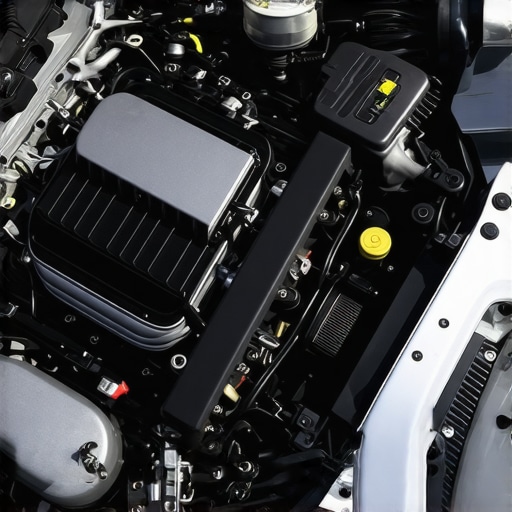
Start by opening the hood and examining the spark plugs and piston chambers for signs of oil fouling or carbon buildup. Worn piston rings or valve seals can cause oil to bypass combustion chambers, leading to increased burning. Remember, a thorough inspection is crucial—don’t skip this step. During a similar experience, I found thick carbon deposits on the piston crown, which I cleaned before addressing other issues, resulting in a noticeable reduction in oil consumption.
Check the Turbo Seals and Hoses for Leaks
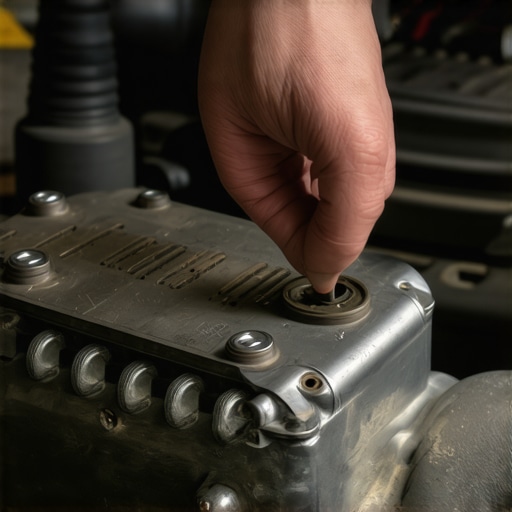
Next, inspect turbocharger seals and boost hoses for cracks or leaks. Leaking seals allow oil to escape into the intake or exhaust systems, elevating consumption rates. Use a flashlight and a mirror if necessary, and listen for hissing sounds. Replacing faulty turbo seals has a direct impact—I’ve personally replaced a bad seal, which immediately improved oil efficiency and engine performance.
Use Proper Diagnostic Tools
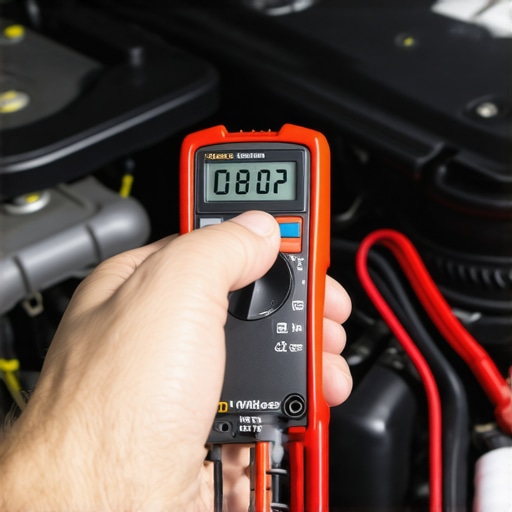
Employ an OBD-II scanner to retrieve any stored trouble codes related to engine misfires or sensor issues. Codes like P0520 or P0522 can point toward oil pressure sensor faults, which may mimic high oil burn. Ensuring your sensor readings are accurate prevents misdiagnosis. I once used a scanner during a visit to AutoFix Clinic, saving me from unnecessary repairs.
Maintain Correct Oil Level and Quality
Always verify your engine oil is within the recommended level using the dipstick after the engine has warmed up. Use high-quality, manufacturer-approved oil—synthetic oils often resist burning better in turbo engines. Check the oil’s appearance; if it’s thin or milky, it could indicate coolant intrusion or degradation. I learned this firsthand when I replaced my oil after noticing a strange smell, which helped extend the engine’s lifespan.
Adopt Consistent Oil Change Intervals
Stick to regular oil change schedules, ideally based on your vehicle’s manual or expert recommendations. Regular changes prevent sludge buildup and ensure the lubrication system operates smoothly. During my last visit, I scheduled oil changes every 5,000 miles, which significantly reduced oil consumption and improved engine responsiveness.
Optimize Engine Tuning and Driving Habits
Driving aggressively or idling excessively can elevate oil burn in turbo engines. Accelerate smoothly, avoid abrupt revving, and allow the engine to warm up before pushing the turbo to higher RPMs. I once consciously changed my driving style—accelerating gradually and allowing my engine to warm properly—and saw a reduction in oil loss within a few thousand miles.
Seek Professional Diagnostics When Necessary
If after these steps your oil consumption remains high, consult a qualified mechanic for a comprehensive diagnosis. They might perform a leak-down test or bore scope inspection to identify internal damages. Remember, ignoring persistent oil burn can lead to expensive repairs down the line. Regularly visiting a trusted ASE-certified shop like this resource ensures your vehicle stays in top shape.
Many car owners assume that a quick oil change or visiting an ASE-certified mechanic guarantees their vehicle’s longevity, but there are subtle nuances often overlooked. For instance, enthusiasts frequently believe that more frequent oil changes always benefit their engine, yet overchanging can sometimes do more harm than good by stripping vital additives from the oil, especially with synthetic blends. Understanding the manufacturer’s recommended intervals, as outlined in your vehicle manual, is crucial; visiting this resource can help clarify proper oil maintenance practices.
Keeping It Working: Tools I Recommend for Optimal Car Maintenance
To ensure your turbo engine remains in peak condition over the years, investing in precise, reliable tools is crucial. I personally rely on a quality digital tachometer like the Innova 3320 Digital Tach/Conductance Meter, which helps me monitor idle RPMs accurately, preventing undue stress on turbo components. Additionally, a professional-grade OBD-II scanner such as the Autel MaxiCOM MK808DH allows me to access detailed diagnostics, including fuel trim and misfire data, so I can catch issues before they escalate. Proper oil analysis is also invaluable; I use the Lumax Oil Analysis Kit to determine oil degradation and contaminant levels, guiding me on optimal change intervals. For maintaining turbo seals and hoses, a set of high-quality rubber and silicone hose clamps ensures secure connections during repairs. These tools, combined with systematic inspection routines, drastically reduce unexpected breakdowns and extend the lifespan of the engine.
Looking ahead, the integration of artificial intelligence and real-time sensor data is set to revolutionize vehicle diagnostics. Imagine an onboard system that predicts turbo failures weeks in advance based on subtle vibration patterns and temperature fluctuations, akin to some advancements already seen in industrial machinery. Embracing such technologies now will be key to staying ahead in maintenance.
How do I maintain turbo engine health over time?
The key lies in proactive, methodical checks and timely interventions. Regularly inspecting turbo seals and hoses with a flashlight and a mirror, as well as monitoring oil quality through analysis, helps prevent small issues from turning into costly repairs. Pair these practices with scheduled professional diagnostics—preferably at an ASE-certified shop—to uphold your engine’s longevity. For instance, a comprehensive transmission inspection alongside your oil change can prevent cascading problems that compromise your turbo system’s efficiency. Remember, consistency is king here; routine maintenance tailored to your vehicle’s specific needs will pay dividends in performance and resilience. For more on choosing the right car service, visit this guide. And whenever in doubt, consulting a trusted ASE-certified technician ensures you’re getting expert advice that’s backed by industry standards. Don’t forget to implement these specialized tools and tactics—your turbocharged engine will thank you for it.
What I Wish I Predicted About Turbo Maintenance
One of my hardest lessons was underestimating how quickly turbo engines can burn oil, especially if I ignored subtle warning signs. I learned that regular inspection of turbo seals and monitoring oil quality early on could have saved me money and hassle. Trusting that components are durable without periodic checks can lead to unexpected breakdowns. From that point, I adopted a habit of proactive turbo inspection, which dramatically improved my engine’s lifespan.
Tools That Elevated My Maintenance Routine
Investing in a quality OBD-II scanner like the Autel MaxiCOM MK808DH provided insights I couldn’t get otherwise, alerting me to issues before they became costly. A digital tachometer helped me keep idle RPMs in check, preventing undue stress on turbo parts. Regular oil analysis kits revealed the health of my lubricant, guiding me on exact replacement intervals. These tools, trusted by professionals, made maintenance more precise and less guesswork.
Your Drive to Better Engine Longevity Starts Here
Every vehicle, especially turbocharged models, benefits from attentive care and the right tools. Don’t wait for a warning light; take active steps today. Use diagnostic gadgets, monitor oil, and consult trusted mechanics to keep your engine running smoothly. Remember, consistent proactive maintenance isn’t just about avoiding breakdowns—it’s about enjoying the driving experience with confidence. Are you ready to implement these practices and extend your turbo engine’s life? Let me know below!