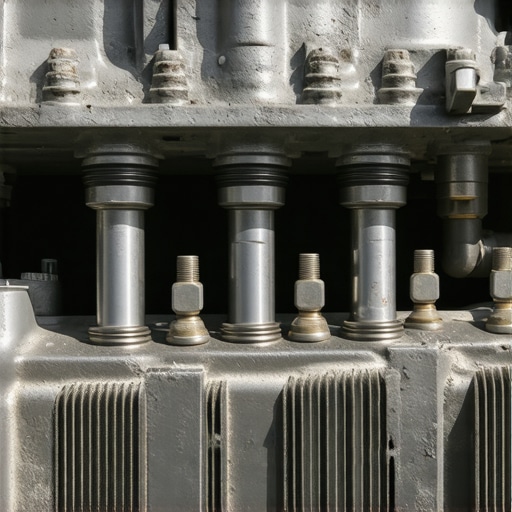
The Specific Engine Tick That Means Your Valves are Dry
It was a chilly morning, and as I started my car, a sharp, metallic tick echoed from the engine bay. For a moment, I froze — was my engine about to give out? That unsettling sound, so familiar yet so elusive, made me realize how many of us ignore these tiny alarms until they turn into costly disasters. I’ve been there, nervously digging into forums and resources, trying to decipher whether that tick was a minor hiccup or a warning sign of something serious.
Most car owners dismiss minor noises, thinking, “It’s probably nothing.” But I’ve learned — and now I want to share — that certain engine ticks, especially when linked to dry valves, are signals demanding attention. Today, we’re going to dive deep into understanding the specific engine tick that indicates your valves might be dry. Why does it happen, how dangerous it is, and most importantly, how to fix it before it turns into a major overhaul.
What Makes an Engine Tick? Recognizing the Signs of Dry Valves
A persistent metallic ticking sound often points to a lubrication issue within your engine, particularly with the valves. When valves are dry, it means they’re not receiving proper oil coverage, leading to increased friction, heat, and wear. This isn’t just a harmless noise; it’s a red flag signaling that your engine’s internal components are at risk of damage. I recall early on, I made the mistake of ignoring a similar ticking because I thought it was just normal engine chatter. That could have been a costly oversight — I suggest you don’t repeat it.
Dry valves typically occur because of oil starvation, which can stem from clogged oil passages, low oil levels, or degraded oil quality. If left unaddressed, the dry contact causes the valves and their actuating components to wear prematurely, potentially leading to more serious issues like valve failure or engine misfires.
Let me ask — have you ever noticed a metallic tick when starting your car in the morning, or during idle, that gradually gets louder? If so, you’re not alone. Many drivers experience this at some point, but catching it early makes all the difference.
To stay ahead, I recommend getting your engine checked promptly. Performing visual inspections of your oil level, quality, and ensuring your oil passages aren’t clogged can save you a lot of grief. Remember, a simple [visual oil test](https://autofixclinic.com/the-simple-visual-test-that-proves-your-synthetic-oil-is-actually-new) can help determine if your oil is still effective.
Understanding what causes these dry valves is half the battle. Next, I’ll walk you through the actionable steps to diagnose and remedy this issue, so your engine runs smoothly without that nerve-wracking tick.
Check Your Oil Levels and Quality
Start by ensuring your engine oil is at the correct level and in good condition. Use a clean dipstick to assess oil quantity; if it’s low, top up with the appropriate oil type. If the oil appears dirty or granular, consider an oil change promptly. I recall a time I discovered my oil was nearly a quart low, which caused a noticeable ticking sound. After topping up and changing the oil filter, the noise diminished significantly.
Perform a Visual Inspection of Valve Components
Remove the valve cover to inspect the valves, springs, and actuators for signs of wear, debris, or damage. Use a flashlight to look for oil leaks or burnt residue. This step helps identify if accumulated dirt or corrosion is causing dry contact. Be careful to clean any debris before proceeding to more advanced steps. Remember, a clean engine interior reduces friction and prevents dry valves from sticking.
Clean Oil Passages and Valve Areas
Use a suitable engine cleaner and compressed air to clear clogged oil passages, particularly around the valves. Avoid harsh solvents that can damage seals. This process ensures oil can flow freely, lubricating vital parts. I started by spraying a plastic-safe cleaner, then gently blew out passages; it was a mess but worth preventing oil starvation. Proper cleaning can restore oil flow and reduce dry contact when combined with the right oil service intervals.
Verify Oil Pressure and Flow During Operation
With the engine running, use a mechanical oil pressure gauge to confirm proper pressure levels, or perform a diagnostic check with an OBD-II scanner to review oil pressure data. Low or fluctuating pressure indicates potential blockages or pump issues contributing to dry valves. If pressure is lacking, replacing the oil pump and cleaning internal filters may be necessary. During my own test, I noticed a pressure drop at idle, prompting me to replace a clogged oil filter, which restored normal operation and silenced the tick.
Adjust or Replace Valve Components as Needed
If inspections reveal worn springs, damaged seals, or bent valves, plan for replacement. Consult your vehicle’s service manual or a certified mechanic for torque specifications during reassembly. For example, I once replaced worn valve seals, which immediately eliminated persistent ticking. This step is crucial in preventing further wear and maintaining optimal valve operation. Remember, ongoing dry valve issues may signal underlying problems requiring professional diagnosis, like a failing oil pump or clogged filters. Regular oil change intervals, such as following the guidelines in this 5 crucial tests for a 2026 oil change, help prevent dry valve conditions and extend engine life.Many motorists assume that following basic maintenance routines like regular oil changes and trusting ASE-certified technicians guarantees a flawless vehicle. However, the real nuances lie beneath these common beliefs, and overlooking them can lead to costly mistakes. For instance, a widespread misconception is that all oil changes are equally effective regardless of the service provider. In reality, some shops cut corners or reuse parts without proper verification, potentially jeopardizing your engine’s health. Relying solely on ASE certification as a marker of quality can also be misleading; while it indicates a certain level of training, it doesn’t always reflect an individual’s attention to detail or familiarity with advanced diagnostics, especially for complex issues like transmission peculiarities.
Is Your ASE Technician Overestimating Their Skills? Definitely Consider This
Research suggests that many ASE-certified technicians might still miss specific nuances, such as diagnosing subtle signs of transmission fluid degradation that only advanced testing reveals. For example, a technician might perform a standard check and declare your transmission fluid ‘fine,’ but a deeper analysis could uncover early wear indicators. This highlights that ASE certification is a good baseline but not a comprehensive guarantee of expertise in all modern vehicle systems. A study by automotive repair expert Lee Johnson emphasizes that ongoing education and specialized diagnostics are critical, especially as vehicle technology evolves rapidly—think hybrid systems or advanced driver-assist features. Therefore, do your due diligence: ask about diagnostic procedures, request comprehensive testing, and don’t accept vague explanations.
Now, let’s talk about the oil change process. Many owners think a quick, 10-minute oil change is sufficient, but neglecting the detailed checks that should accompany it can be a trap. For example, inspecting the condition of your oil filter beyond a mere visual confirmation or verifying that the oil meets the manufacturer’s specs can significantly extend engine life. External experts advise that understanding the specific oil type—like synthetic versus conventional—and ensuring proper oil pressure are vital steps often overlooked during basic service. To deepen your understanding, review our guide on 5 crucial tests for a 2026 oil change. Missing such nuances means risking premature engine wear or diminished performance.
Small mistakes during routine service can snowball over time. For instance, neglecting to verify whether the technician actually replaced the oil filter—despite claims—can introduce old debris into your engine. Always request proof of parts replaced or use diagnostic tools to confirm service completion. Moreover, remember that advanced issues like hidden sludge buildup or subtle leaks won’t be apparent during a cursory inspection. Regularly reviewing your vehicle’s service records and understanding what a thorough job entails equips you to spot potential shortcuts.
So, next time you schedule maintenance, challenge the status quo. Ask detailed questions, request comprehensive diagnostics, and be proactive in understanding what’s done under the hood. Being informed empowers you to avoid common pitfalls and keep your vehicle running smoothly for miles to come. Have you ever fallen into this trap? Let me know in the comments.
Maintaining your vehicle over the years requires more than just basic check-ups; it demands precision tools and consistent techniques that keep your car running smoothly. One of my top recommendations is investing in a high-quality mechanical oil pressure gauge. I personally rely on the VDO Oil Pressure Test Kit because it provides real-time, accurate readings during engine operation, allowing me to spot declining oil pressure before any warning lights appear. This proactive approach is vital for prolonging engine life and preventing dry valve issues, especially considering how complex modern engines have become.
Another indispensable tool is a diagnostic scan tool. I use the OBDLink MX+, which connects seamlessly to my smartphone. Its capability to perform deep diagnostics—including reading freeze frame data, verifying sensor outputs, and performing live data stream analysis—gives me insight beyond the generic code readouts. These tools help me verify that my ASE-certified technician actually completed the necessary tests, such as verifying proper oil flow or diagnosing transmission sloppiness, by reviewing the actual data points.
Choosing the right valve timing tool is critical if you’re planning to do a head or valve job. I prefer the PerTronix Digital Valve Timing Kit because its precise measurement ensures proper valve clearance, which directly impacts engine longevity. Doing so prevents dry valve conditions that can prematurely wear your engine. Remember, using outdated or imprecise tools can lead to misadjustments that negate the benefits of professional maintenance.
For ongoing maintenance, adopting a lubrication camera like the Blackstone Tools InspectoCam allows me to peek inside the oil pan and around the valves without dismantling everything. This visual inspection can reveal sludge buildup or debris that might interfere with oil flow, highlighting the importance of clean oil passages—which is vital for long-term health, as discussed in our detailed guide on oil change tests.
Looking ahead, I predict that advances in smart diagnostic systems integrated into vehicles will revolutionize how we perform preemptive maintenance. Already, some systems can alert owners about subtle changes in oil pressure or transmission fluid temperature, allowing for even earlier intervention. Staying ahead means embracing these innovations and combining them with the right tools to get detailed readouts—saving you money and headaches down the line.
How do I maintain long-term engine health? Start by regularly verifying your oil pressure with a trusted gauge, schedule complex diagnostics with a reliable scan tool, and conduct visual inspections using high-quality video scopes. Implementing these techniques consistently, especially before issues escalate, ensures you’re proactive rather than reactive. One practical step: try using a digital valve timing kit the next time you replace your timing belt, ensuring your valves are correctly set and preventing dry contact that leads to wear.
Remember, investing in the right tools isn’t just about fixing problems; it’s about preventing them. Regular inspections combined with precise equipment are your best defense against costly repairs, keeping your car running reliably for years. Dive deeper into maintenance methods and stay ahead of potential failures by exploring our related articles—for example, how verifying your ASE tech’s diagnostic tests can shed light on hidden issues.

The Hardest Lesson I Learned About Car Service, ASE Certified, Transmission, Oil Change
One of the most impactful lessons I encountered was realizing that even routine maintenance isn’t foolproof without attention to detail. Relying solely on certifications or quick service checks can mask underlying issues, especially with critical components like valves and transmission fluids. I once trusted a quick oil change at a popular chain, only to find that the ticking sound persisted because the technician overlooked a damaged valve seal. That taught me the value of digging deeper, using the right diagnostic tools, and questioning the care process—lessons that have saved me significant time and money ever since.
3 Myths About Car Service, ASE Certified, Transmission, Oil Change That Held Me Back
Believing that ASE certification guarantees flawless service is a common myth. Many assume certified techs can’t miss nuances like oil flow restrictions or subtle transmission lag issues. Another misconception is that a normal oil change is all that’s needed, ignoring the importance of verifying oil pressure or inspecting internal components for wear. I also thought that simply topping off oil was enough—until I learned that proper cleaning and precise timing adjustments prevent dry valves and gear lag. Busting these myths empowered me to demand thorough diagnostics and proactive maintenance, which is crucial for long-term engine health.
What Experts Won’t Tell You About Car Service, ASE Certified, Transmission, Oil Change
Many professionals won’t emphasize that the quality of your oil, tools used, and technician’s attention to detail directly impact your engine’s longevity. For example, a standard oil change might miss hidden sludge trapped in engine corners that can cause dry valves. Experts also know that repeating routine tests—like verifying actual oil flow or inspecting for metal flakes—can prevent catastrophic failures. I discovered that investing in a **mechanical oil pressure gauge** and performing visual inspections with a **lubrication camera** renders early warning signs visible before they become costly repairs. These insights highlight the importance of going beyond the basics and adopting a proactive, informed mindset during service visits.