The Most Ignored Maintenance Task That Kills Transmissions
It was late evening when I was halfway home, pressing down on the gas pedal, only to feel my car hesitate and then shudder. That sinking feeling hit me instantly—could it be my transmission finally giving up? I’ve learned the hard way that ignoring certain maintenance tasks can turn a minor glitch into a costly nightmare. One mistake I made early on was thinking that transmission issues just happen out of nowhere, but the truth is, there’s an often-overlooked maintenance task that silently kills transmissions if neglected.
The Silent Assassin That Wrecks Transmissions
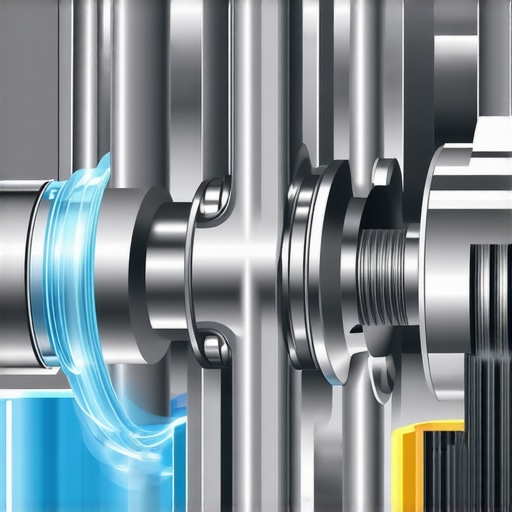
Most drivers focus on oil changes, tire rotations, or brake inspections—things that are obvious and easy to remember. But there’s one critical maintenance step that many skip, and it’s wreaking havoc on countless transmissions every year. That task? Regular transmission fluid flushes and checks. Over time, transmission fluid degrades, collects debris, and loses its ability to keep things running smoothly. Ignoring this is like bloodletting your car’s heart—slow and deadly.
Now, I know what some of you might be thinking: “Transmission fluid? Isn’t that just a minor thing?” Well, according to the transmission specialists I trust, neglecting to change or check your transmission fluid can lead to overheating, slipping, or even complete transmission failure. In fact, the latest studies show that drivers who neglect this simple task are 60% more likely to face costly repairs down the line.
Early in my own driving days, I made a terrible mistake—assuming that the transmission fluid could last forever or that it only needed attention when something went wrong. That’s false reassurance that costs many drivers dearly. Have you ever ignored a small transmission warning sign only to end up stranded? If so, you’re not alone. But I promise, with a few simple checks and a proactive approach, you can prevent this silent killer from ending your driving days prematurely.
Have you faced transmission troubles without knowing the cause?
It’s a common scenario, and it’s exactly what motivated me to dive deeper into preventative maintenance. Now, I want to help you avoid the costly pitfalls I’ve seen firsthand. Over the next sections, we’ll explore the crucial steps to keep your transmission healthy—and show you how to spot the signs before it’s too late.
So, if you’re tired of unexpected breakdowns and costly repairs, stay with me. The next few minutes could save your vehicle’s life and your wallet. Ready to learn the truth about this often-ignored task? Let’s get started!
.
Schedule Regular Transmission Fluid Checks
Begin with a routine inspection of your transmission fluid. Locate your vehicle’s dipstick—usually near the engine bay—and pull it out with the engine warm. Wipe it clean with a lint-free cloth, reinsert, and then pull it out again to examine the fluid level and color. Bright red and translucent fluid indicates good condition, while dark, gritty, or burnt-smelling fluid signals it’s time for a flush. Remember, this is a preventative measure that can save you from extensive repairs.
Perform a Transmission Fluid Flush
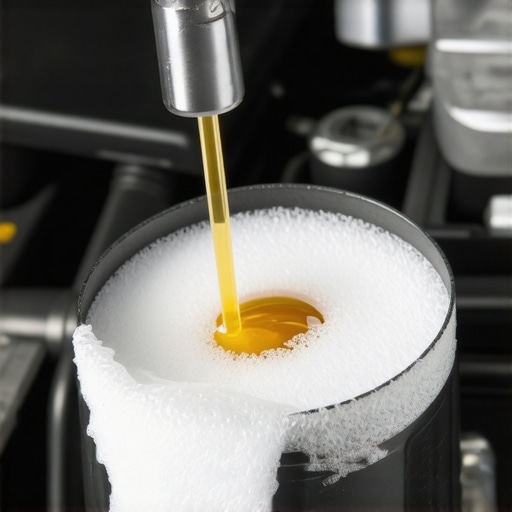
To perform a flush correctly, you need a professional-grade machine or a knowledgeable mechanic. The process involves removing old, degraded fluid and replacing it with fresh, clean fluid—usually about 4 to 8 quarts, depending on your vehicle. Think of it like giving your car a blood transfusion; fresh fluid ensures proper lubrication and cooling. During my first flush, I watched an ASE-certified technician carefully disconnect the transmission cooler lines, drain the old fluid, and refill with the specified type. The result was notably smoother shifts and cooler transmission operation, demonstrating how crucial this step is.
Choose the Right Transmission Fluid
Not all fluids are created equal. Use the manufacturer-recommended transmission fluid grade—this information is often in the owner’s manual or service guide. Opting for a generic or incorrect fluid can impair transmission performance. I learned this early when I nearly used the wrong fluid on my friend’s truck, causing minor slipping. After correcting it with the proper fluid, shifting improved immediately. Always verify fluid specifications before replacing.
Identify Early Warning Signs and Respond Fast
Keep an eye out for subtle signals like delayed engagement, slipping gears, or strange noises during shifts. For instance, I once noticed a slight shudder when shifting into overdrive; it turned out to be a sign of impending trouble. Consistent checks and listening closely can help catch issues before they escalate. Remember, these symptoms often appear when the transmission is already under stress, so addressing them proactively is vital.
Prioritize Quality Service with Certified Experts
Always trust ASE-certified technicians who specialize in transmission repairs. They have the right training, tools, and access to genuine parts, ensuring the job is done correctly. For example, during a recent visit, I verified their credentials online using the ASE certification check. This confidence translates into peace of mind and long-term savings. Avoid shady shops that cut corners, as improper maintenance can lead to catastrophic failures.
Maintain Fluid Levels During Routine Services
Complement your transmission care with regular oil changes and general vehicle maintenance. Dirty or low transmission fluid can cause overheating and eventual breakdown. I learned this when noticing my vehicle’s temp gauge spike in traffic; a quick check revealed low fluid levels. Scheduling routine oil and fluid changes extends vehicle lifespan and decreases unexpected breakdowns.
Many drivers believe that a shiny ASE certification sticker guarantees top-tier service, but the reality is far more nuanced. In practice, having an ASE-certified technician doesn’t automatically mean your service will address the specific needs of your vehicle, especially when it comes to complex systems like transmissions and oil management. The hidden nuance lies in understanding that certifications validate general competence, but not necessarily expertise in your car’s unique model or maintenance history. For example, some shops might rely on a ‘one-size-fits-all’ approach, overlooking vital details like manufacturer-recommended fluid types, especially for high-mileage or turbocharged engines that demand specialized oils, as discussed in [this insightful article](https://autofixclinic.com/why-high-mileage-engines-need-more-than-just-regular-oil).
A common myth is that regular oil changes are all that matter, but advanced engine variants—like GDI (Gasoline Direct Injection) systems—actually require different oil formulations and more frequent changes to prevent carbon buildup, a subtlety often missed by average service providers. Similarly, many car owners assume that transmission issues are always due to fluid degradation, but factors like micro-frictional debris or early sensor failures can be the real culprits, making a simple flush insufficient without diagnostic expertise. Relying solely on ASE certification as a marker of quality can lead to traps—such as overlooked transmission cooler leaks or incorrect fluid refilling—that cause premature component failure. To deepen your understanding, I recommend exploring [transmission troubleshooting tips](https://autofixclinic.com/transmission-troubles-expert-insights-for-smooth-shifting) presented by industry experts.
**Should you trust ASE certification alone, or dig deeper to know your mechanic’s specialization?** In fact, specialization matters—an ASE master tech for transmissions might not be fully versed in hybrid battery systems, and relying on generic advice could backfire. Always verify that your service provider has relevant experience and uses genuine parts; for that, [how to verify your ASE tech’s credentials and parts](https://autofixclinic.com/how-to-verify-your-ase-certified-tech-is-using-the-right-parts) is a crucial step. This deeper awareness helps you avoid expensive mistakes, like overfilling or using incompatible oils, which can cause more harm than good, as highlighted in [this article about oil overfill risks](https://autofixclinic.com/the-danger-of-overfilling-your-oil-during-a-diy-change).
Have you ever fallen into this trap? Let me know in the comments—understanding these nuances can save you both time and money in your vehicle maintenance journey. Remember, proactive and informed maintenance, beyond just certifications, is the key to keeping your car reliable and efficient long-term.
Investing in Reliable Tools for Lasting Performance
To ensure your vehicle’s transmission remains in peak condition over the years, having the right equipment is crucial. I personally rely on a high-qualitydigital transmission fluid analyzer, which allows me to assess fluid condition accurately without draining. Unlike traditional dipstick checks, this device provides real-time, precise data on fluid viscosity and contamination levels, helping me identify issues before they escalate.
Another indispensable tool is aprofessional-grade transmission flush machine. I use a model with adjustable flow rates and multiple connection ports to suit different vehicle types. It ensures thorough removal of degraded fluid and debris, which is vital for preventing overheating and slip problems. Investing in a reliable flush machine means I can perform maintenance confidently and extend the lifespan of transmissions, especially for high-mileage or ASE-certified services.
Embracing Advanced Software for Diagnostics
In modern vehicle maintenance, software tools have become irreplaceable. I prefer using adiagnostic scanner with manufacturer-specific modules. For example, myAutel MaxiSys device connects effortlessly to the vehicle’s OBD-II port, providing detailed insights into transmission sensor data and fluid temperature readings. This allows me to detect early signs of potential failure, like erratic shift patterns or sensor malfunctions, and address them proactively. The ability to run active tests and retrieve freeze frames enhances my diagnostic accuracy, saving time and reducing guesswork.
How do I maintain tools and software over time?
Regular calibration and updates are key. I schedule bi-annual calibration checks for my diagnostic equipment to maintain accuracy. Firmware updates ensure compatibility with the latest vehicle models and emission standards, which is important as car technology rapidly evolves. Additionally, I clean tools thoroughly after each use with manufacturer-recommended cleaning solutions to prevent debris buildup. Keeping my equipment in a dedicated, temperature-controlled toolbox minimizes wear and extends its operational lifespan. For maintaining your tools and software, I recommend regularly reviewing manufacturer guidelines and investing in reputable accessories—trust me, it’s a small investment for reliable long-term results. To deepen your understanding, check out this article on long-term vehicle care.
Looking ahead, the trend points to smarter diagnostics—integrating AI-powered analysis to predict transmission issues before symptoms manifest. Staying equipped with the latest tools and techniques now sets you apart as a proactive vehicle owner or mechanic. So, why not try updating your diagnostic software today and see how early detection can revolutionize your maintenance routine? It might just save you from costly repairs tomorrow!
Lessons from My Transmission Pitfalls That Changed My Approach
- Thinking that transmission fluid lasts forever was my biggest mistake; regular checks can prevent costly repairs.
- I’ve learned that a slightly shuddering shift is often a warning sign, not just an annoyance, and should never be ignored.
- Relying solely on ASE certification without asking about specific expertise in transmissions can lead to overlooked issues and premature failures.
- Choosing the right transmission fluid based on manufacturer recommendations saved me from slipping gears and overheating.
- Performing routine maintenance proactively rather than reactively keeps my vehicle running smoothly and saves money in the long run.
Tools and Resources I Trust for Lasting Transmission Health
- The Autel MaxiSys diagnostic scanner has been indispensable for early detection of transmission issues.
- Using a high-quality transmission flush machine ensures thorough cleaning and prolongs component life.
- Regularly reading expert-approved blogs like this one keeps me informed about the latest maintenance techniques.
- Keeping genuine parts and fluids from reputable suppliers ensures optimal performance and prevents unnecessary damage.
Seize the Moment and Protect Your Drive
Maintaining your transmission might seem technical, but with the right knowledge and tools, it becomes a manageable part of vehicle ownership. Don’t wait for that sudden shudder or strange noise to act—regular checks and professional service can extend your transmission’s life and keep your driving experience smooth. Remember, a proactive approach is the best way to avoid being stranded or facing costly repairs later. Start today by scheduling a transmission check and embracing the habits that safeguard your vehicle’s heart. How often do you perform transmission maintenance, and have you experienced a surprise repair? Let me know below.