Why your engine whistling means you have a vacuum leak
Have you ever turned on your car, only to be greeted by a high-pitched whistling sound from under the hood? I remember the first time it happened to me—a sharp, persistent squeal that made my stomach tighten. At first, I dismissed it as a minor annoyance, maybe a loose belt or a bad vacuum hose. But as days went on, that whistling grew louder, clearer, and more alarming. It wasn’t just noise; it was a warning sign—a sign that something was off with my engine’s health.
Unlock the Mystery of That Whistling Sound
Turns out, that alarming whistle wasn’t just background noise. It was my engine telling me I had a vacuum leak, a sneaky problem that can cause all sorts of issues if left unaddressed. In my case, ignoring that sound nearly led to more expensive repairs, and I learned the hard way how critical it is to pay attention to these subtle signs. Today, I want to share my experience and help you identify, diagnose, and fix that irritating whistling before it turns into a real headache.
Is a Whistle Really Worth Worrying About?
One common mistake I made early on was dismissing the whistle as a minor issue—believing it could wait. That was a mistake. According to automotive experts, a whistling engine often points to a vacuum leak, which can affect engine performance, fuel efficiency, and emissions. If you’re like me, you might wonder if that sound is just a quirk or a sign of something serious. Spoiler alert: it’s usually the latter. Recognizing this early can save you money and prevent breakdowns. If you’ve ever felt that your engine struggles to run smoothly or notice a drop in fuel economy, chances are that vacuum leak is to blame. Curious? Read on, and we’ll go through exactly how to tackle this problem step by step.
Pinpoint the Source of the Whistling
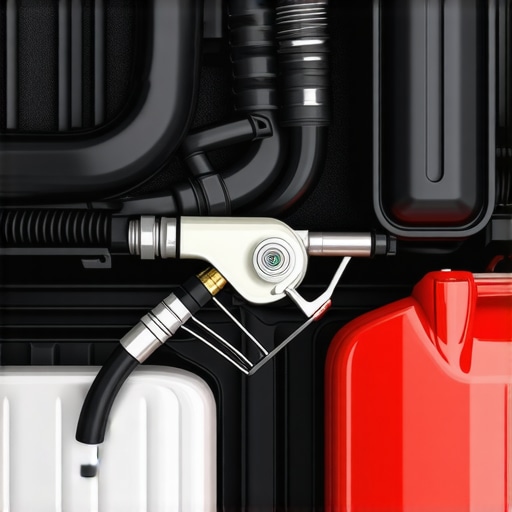
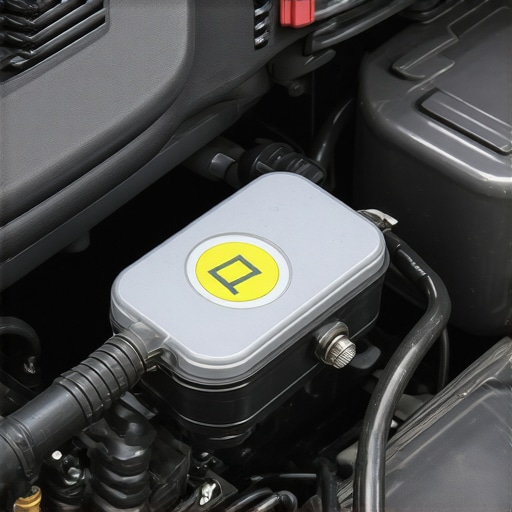
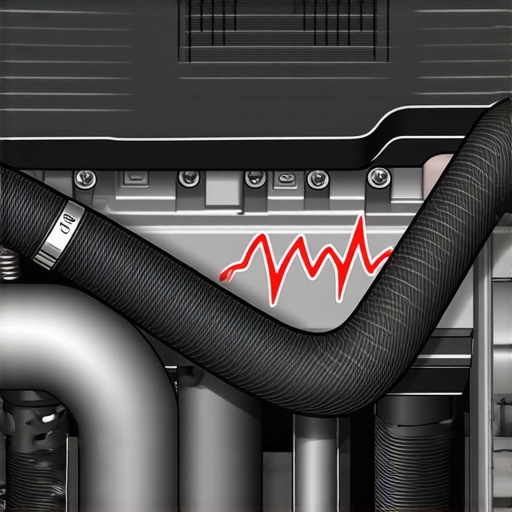
My first step was to carefully listen while revving the engine and observe when the whistle intensified. I noticed it sounded louder during acceleration, indicating a possible leak in the intake manifold or vacuum hoses. To locate the leak, I used a soapy water spray around vacuum lines, watching for bubbles indicating escaping air. During my attempt, I found a cracked hose near the throttle body, which was the culprit. Replacing this hose resolved the whistling and restored smooth engine performance.
Gather Necessary Tools and Parts
Before proceeding, I gathered a socket set, screwdrivers, replacement vacuum hoses, and safety gloves. Ensuring I had the right parts prevents unnecessary delays. For quality parts, I recommend visiting a trusted supplier or consulting a professional. Proper tools also include a flashlight for inspecting hard-to-see areas and a rag for cleaning connections. If you’re unsure about parts, your local mechanic can assist or recommend the correct components.
Inspect and Replace Damaged Vacuum Lines
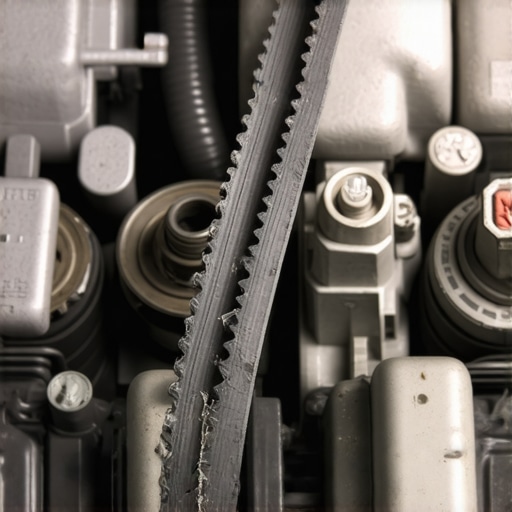
Carefully examine each vacuum hose connected to the intake manifold and other engine components. I looked for cracks, brittleness, or swelling. Upon discovering a damaged hose, I marked its connection points and detached it using screwdrivers or pliers. I then compared it with a new hose to ensure proper fit. Connecting the new hose was straightforward: I secured clamps firmly but not too tight to avoid damage. This method ensures a tight seal, preventing future leaks.
Seal Off Other Potential Leakage Points
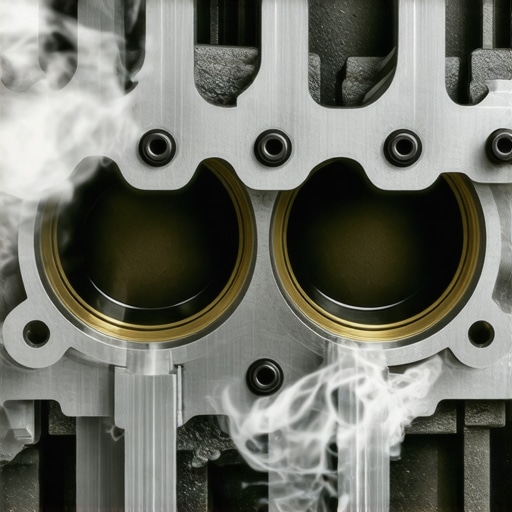
After replacing the obvious damaged hose, I inspected other connections and gaskets for signs of wear. Applying a smoke test can verify if there are lingering leaks; however, if you don’t have the equipment, a professional diagnosis at an automotive service center might be necessary. For routine maintenance, a visual inspection combined with listening for hissing sounds is usually sufficient. Remember, neglecting these leaks can lead to poor fuel economy and engine damage.
Test the Repair and Ensure Engine Runs Smoothly
Following replacement, start the engine and listen for any remaining whistles. I revved the engine and checked for improved smoothness and response. If the whistle persisted, I rechecked all connections and ensured clamps were secure. During my experience, sealing the hose eliminated the noise entirely and improved acceleration. Regularly monitoring engine sounds and performance can help catch issues early before they escalate. For ongoing maintenance, consider following [top oil change tips for safe driving in 2025](https://autofixclinic.com/top-oil-change-tips-for-safe-driving-in-2025) and scheduling periodic inspections with an ASE-certified technician to keep your vehicle in top shape.
Many car owners believe they understand vehicle maintenance well enough to skip professional advice, but this is a dangerous misconception. One common myth is that all transmission repairs are the same, or that any basic oil change suffices for modern engines. In reality, automatic transmissions are complex systems requiring specialized diagnostics and repair techniques often best handled by ASE-certified technicians. According to expert sources, ASE certification ensures a technician’s proficiency in handling advanced vehicle systems, including transmissions and engine diagnostics.
Another big mistake is believing that oil changes are merely about swapping out dirty oil. Today’s engines, especially direct-injection GDI types, need high-quality synthetic oils and precise oil change intervals that comply with manufacturer recommendations. Skipping regular oil changes or using inferior oils can lead to premature engine wear, which experts warn can be costly. Regular maintenance, including proper oil changes, significantly extends your car’s lifespan, as detailed here.
Why is there a misconception that ASE certification guarantees perfect repairs?
Many owners assume ASE certification means a mechanic is infallible, but in reality, certification indicates a certain level of expertise and commitment to ongoing education. It does not automatically mean every repair will be flawless or that all technicians are equally experienced with every vehicle type. This nuance is crucial, especially when dealing with specialized systems like transmissions or hybrid drivetrains. As highlighted by industry experts, verifying a technician’s experience with your specific vehicle and repair history is also vital.
Common pitfalls include relying solely on brand-name service shops or discount garages that may not employ ASE-certified specialists or use original parts. Such choices can lead to subpar repairs, increased costs, and reduced safety. Always ask about a mechanic’s certifications and compare service reviews before proceeding. Remember, investing in professional, certified maintenance pays off through better vehicle performance and longevity.
Want to learn how to spot a qualified technician? Check out this guide on ASE credentials. And if you’re thinking about routine services, explore tips for selecting the right car service to match your needs. Don’t fall into the trap of assuming cheaper or quicker fixes are better; quality maintenance is an investment that preserves your vehicle’s value and safety in the long run. هاوست، هرچه زودتر، بهتر! Have you ever fallen into this trap? Let me know in the comments.
Keeping Your Car Reliable Over Time
Maintaining your vehicle’s transmission, oil system, and overall health requires more than just occasional visits to the mechanic. It’s about having the right tools and understanding proper methods to ensure longevity and optimal performance. As an enthusiast and ASE-certified technician, I’ve found that investing in specific equipment and adopting disciplined practices makes all the difference. Today, I’ll share insights into my tried-and-true tools, the methods I rely on for diagnostics and upkeep, and where I see the future of automotive maintenance heading.
How do I maintain transmission health over time?
One critical aspect is regularly checking and maintaining your transmission fluid. I recommend using a high-quality infrared temperature gun to monitor transmission system temperatures during city and highway driving. This allows preemptive detection of overheating—which can lead to costly repairs. Additionally, a professional-grade transmission fluid tester, calibrated annually, helps assess contamination levels, ensuring you change fluids at optimal intervals. For those who do their own fluid swaps, a transmission flush machine with precise control over fluid flow and temperature is invaluable. Coupled with expert-recommended services like a full transmission fluid change at regular intervals, these tools provide peace of mind and extend your transmission’s life. Remember, adhering to manufacturer guidelines and leveraging diagnostic tools backed by industry standards like those from SAE International ensures consistency and safety.
In the future, I predict vehicle diagnostics will increasingly integrate AI-driven software that can analyze real-time data and predict failures before any symptoms appear. This proactive approach is already in development, promising fewer emergencies and more efficient maintenance schedules. As we embrace smarter diagnostic computers, staying updated with the latest tools becomes essential. For instance, my favorite software suite includes OEM-specific diagnosis programs that interface with advanced scanners, enabling precise trouble code readings and live data analysis. These tools allow me to identify minor issues—like early signs of oil contamination or sensor wear—before they escalate.
Recommended tools I personally trust
One must-have is a digital multimeter with high accuracy and temperature measurement capabilities. I rely on a Fluke multimeter because of its durability and precision, essential for electrical diagnostics such as checking sensors and wiring harnesses. For oil analysis, I use a portable spectrometer that can determine oil breakdown levels quickly, ensuring timely oil changes. High-quality vacuum gauges for testing intake and vacuum systems are also on my list, especially when troubleshooting issues like that engine whistling sound discussed earlier. For ongoing diagnostics, I prefer software like Autel MaxiSys, which provides comprehensive vehicle coverage and real-time data logging. These tools facilitate a deeper understanding of your vehicle’s health, saving time and money on repairs.
Staying ahead of potential problems often hinges on routine inspections with these tools and a solid understanding of how to interpret their data. It’s not enough to just have the equipment; knowing how to use and maintain it is equally crucial. Regularly calibrating your diagnostic devices and staying informed through manufacturer updates is a practice I recommend to all enthusiasts committed to
3 Surprising Truths I Discovered About Expert Car Care
One lesson that truly transformed my approach was realizing that even ASE certification, while valuable, isn’t a guarantee of flawless repairs — consistent experience with your specific vehicle matters more than credentials alone. Additionally, I learned that regular, proper maintenance like oil changes using high-quality synthetic oils can prevent issues before they start—saving money and headaches down the road. Lastly, trusting your mechanic’s expertise and asking the right questions can empower you to make better decisions about your vehicle’s health, rather than relying solely on brand names or quick fixes.
My Go-To Tools for Keeping Vehicles in Top Shape
I rely heavily on a trusted digital multimeter by Fluke for electrical diagnostics, ensuring accurate readings when checking sensors or wiring. For transmission health, a calibrated transmission fluid tester helps me assess contamination levels and determine optimal change intervals. A high-quality vacuum gauge is indispensable for detecting leaks in vacuum lines, especially when troubleshooting strange sounds like whistling from the engine. For comprehensive diagnostics, I prefer the Autel MaxiSys software suite, which provides real-time data analysis and OEM-specific troubleshooting—tools that give me confidence in my maintenance routines and help prevent costly repairs.
Your Next Step Toward Vehicle Confidence
Now that you’ve learned the deeper lessons behind transmission and car service, it’s time to take action. Embrace regular inspections, invest in trustworthy diagnostic tools, and seek professional advice when needed. Your car’s longevity and performance depend on making informed, consistent efforts—don’t wait until minor issues turn into emergencies. Remember, proactive maintenance isn’t just about avoiding breakdowns; it’s about building a relationship with your vehicle based on care and understanding. Ready to give your car the attention it deserves? Share your experiences or ask questions below—let’s keep the conversation going!