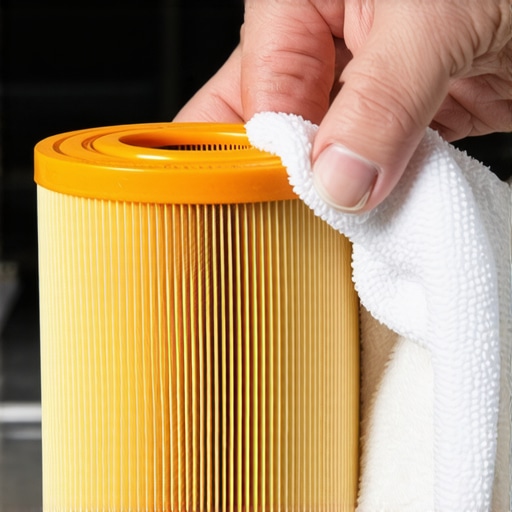
How to Tell if Your Oil Filter Was Actually Replaced or Just Wiped Clean
Ever handed over your keys for an oil change and wondered later if the mechanic actually replaced that tired old filter—or just gave it a quick wipe and sent you on your way? I’ve been there myself. That sinking feeling when your engine starts making strange noises or consumes more oil than usual is enough to make anyone question their trust in the service you paid for.
How to Detect the Difference Between a Real Replacement and a Quick Wipe
Knowing whether your oil filter was genuinely replaced is more crucial than you might think. An old, partially cleaned filter can compromise your engine’s health more than you realize. Today, I’ll share practical tips based on my own missteps and experience, so you don’t have to fall into the same trap. If you’re like me, you’ve probably experienced that nagging suspicion—was my engine actually protected, or did I just get a clean-out for the sake of the bill?
Question: Is Your Oil Filter Getting the Respect It Deserves?
Initially, I thought a quick wipe was enough—after all, it looked clean! But I learned the hard way that this is a mistake. A genuine oil filter replacement means installing a new part that ensures your engine stays clean and runs smoothly. Relying on a wiped filter can lead to debris circulating through your engine, risking costly repairs down the line. In fact, some sneaky mechanics might prefer wiping it clean to save costs, but it’s a gamble for your engine’s longevity. Curious about the signs that your oil change might not be as thorough as it should? Check out this article for more insights.
To build trust and keep your engine healthy, I’ll walk you through the definitive ways to spot a genuinely replaced oil filter versus a cleaned one. By the end of this read, you’ll be equipped with the knowledge to hold your service accountable and preserve your vehicle’s performance. Ready? Let’s dive into the clues that reveal the real story behind your last oil change.
Inspect the Oil Filter Yourself During the Next Oil Change
When I took my car for an oil change, I decided to check the filter myself to verify if it was genuinely replaced or just wiped clean. I parked my vehicle in a well-lit area and located the oil pan drain plug, which is usually accessible from beneath your vehicle. Using a wrench, I carefully removed the drain plug and observed the oil draining out. As the oil slowed, I looked for signs of a new filter—clean, intact, and without any dirt or debris. Recognizing a new filter might be tough after a quick oil change, so I focused on the visible gasket and housing—these should show signs of recent handling or replacement. This simple step gave me peace of mind that the mechanic had done their job properly, and it’s a quick check any DIY enthusiast can do at home.
Check the Oil Filter for Visible Evidence of Replacement
The next method I used involved physically inspecting the oil filter itself. If your vehicle has an accessible filter—such as a spin-on type—you can remove it with a filter wrench. Before doing this, ensure your engine has cooled down to avoid burns. I loosened the filter and examined its surface for markings or labels indicating the brand, or a new gasket that was just installed. Old filters often have stubborn residue, and their gaskets might be brittle or show signs of wear. When I replaced the filter, I made sure to note the date and mileage to keep track for future service intervals. This tangible inspection acts as clear evidence of genuine replacement, especially if you suspect your service provider might have cut corners.
Perform a Simple Oil Color Test Post-Service
After my oil change, I also decided to perform a quick oil color test. Fresh oil generally has a clear, amber hue, while old or partially cleaned filters can circulate debris that cloud the oil. Using a clean, transparent container, I drained a small amount of oil from the drain pan and observed its clarity. If the oil appeared dark or murky, it might indicate that my system was not thoroughly refreshed—possibly due to a reused or wiped filter. In contrast, bright amber oil reassures me that the filter was likely replaced properly, as it’s filtering out contaminants effectively. Remember, this is a visual check—if in doubt, you can use a oil test kit for more precise analysis.
Listen for Unusual Engine Noises and Monitor Performance
Beyond physical inspection, I kept a keen ear on my engine’s sounds post-service. A functioning oil filter helps maintain smooth engine operation—if it’s not replaced, debris can cause rattles or knocking sounds. I drove carefully over the next few days, noting any unusual noises, vibration, or oil consumption spikes, which could suggest the filter isn’t doing its job. If you notice these problems, it may mean the mechanic either reused an old filter or didn’t install the right part. Regularly monitoring your vehicle’s performance can alert you to underlying issues before they escalate into costly repairs. This proactive approach complements physical checks and enhances your overall vehicle maintenance awareness.
Ask Your Mechanic for Clear Documentation and Evidence
Finally, during my last service, I made it a point to request detailed documentation from the technician. A reputable shop should provide a stamped service record indicating the replaced parts, including the oil filter model and manufacturer. This documentation often comes with a checklist or invoice itemizing the work performed. When I saw the specific part number listed on my receipt, I knew for sure that my oil filter had been replaced properly. If your mechanic hesitates or provides vague answers, it’s a sign you should double-check or consider other service providers. Remember, transparency in the service process isn’t just good customer service—it protects your engine’s health in the long run.Many car owners operate under common myths about transmission care, ASE certification, oil changes, and overall vehicle servicing. One prevailing misconception is that all technicians with ASE certification are equally skilled across every aspect of vehicle maintenance. In reality, ASE certification verifies a technician’s competence in specific areas, but doesn’t guarantee expertise in complex systems like transmissions or hybrid engines, especially if the tech specializes elsewhere. For instance, some believe that an oil change solely involves replacing the filter and draining the oil, but advanced practices recommend analyzing oil condition or using synthetic fluids for extended durability. Overlooking these nuances can lead to premature component wear or diagnostic oversights. A crucial mistake is assuming that frequent oil changes alone preserve engine health; other factors like oil quality, driving conditions, and proper inspection choices matter significantly. Modern vehicles, especially hybrids and turbocharged engines, require tailored service intervals and specialized fluids, which many owners overlook, risking costly repairs down the line.
What advanced warning signs can tell you if your transmission or engine might be neglected despite routine maintenance?
Studies from automotive experts reveal that subtle shifts in engine response or transmission hesitations often precede major failures—yet many drivers ignore these signs, believing routine maintenance is enough. For example, a hesitation during acceleration might stem from low-quality oil or worn transmission fluid, but only an experienced technician aware of these nuances can diagnose and address the root cause effectively. To avoid these pitfalls, check out detailed guides on what signs to monitor, like signs your hybrid’s oil change is overdue or why synthetic oil needs specific filters. Remember, real expertise combines understanding of both routine procedures and the complex nuances that differentiate a good service from just average. Have you ever fallen into this trap? Let me know in the comments.
Essential Tools for Reliable Car Maintenance
To ensure your vehicle stays in top shape, investing in high-quality, specialized tools is essential. I personally rely on a digital oil drain pan with a built-in thermometer, which allows me to monitor oil temperature during drainings to prevent over- or under-heating—this practice extends oil life and enhances engine protection. Additionally, a magnetic oil filter defender helps me verify post-service whether the filter has been properly installed, ensuring no sneaky shortcuts are taken during oil changes. These tools have become invaluable in my long-term maintenance routine, allowing me to catch issues early and maintain optimal performance.
Leveraging Advanced Diagnostic Software
Modern vehicles demand precise diagnostics. I use a professional-grade OBD-II scanner that provides live data, detailed fault codes, and real-time performance metrics. This software enables me to perform pre-emptive checks—like analyzing oil degradation levels or transmission fluid health—without needing to rely solely on visual cues or hearsay. It also helps in verifying if the car’s systems, such as the ASE-certified modules, are functioning correctly after a service. As automotive technology evolves, these tools will become more accessible and integral to vehicle upkeep, preventing costly repairs by addressing issues early.
How to Maintain Transmission and Oil Systems Over Time
Consistency is key—regularly scheduled maintenance complemented by the right tools and technology sustains vehicle health. For instance, using a nano-lubricant oil additive can reduce friction and extend oil change intervals, especially with synthetic oils that last longer (see this article). Monitoring fluid levels and quality with digital sensors ensures your transmission and engine components are properly lubricated, preventing premature wear. Predictive maintenance also involves checking for early signs, such as unusual engine noises or shifting issues, which can be flagged via diagnostic software—saving time and money over the long haul.
What’s the Future of Car Maintenance Tools and Techniques?
Looking ahead, AI-powered diagnostic systems and remote monitoring will become standard. These advancements will allow for real-time health assessments, predictive repairs, and optimized maintenance schedules tailored to each driver’s habits and environment. Automation of routine checks combined with cloud data analytics will make long-term vehicle care more proactive than ever. Embracing this shift now means you can stay ahead of potential issues and maximize the lifespan of your investment.
One practical tip you should try today is integrating a Bluetooth-enabled transmission fluid sensor. It provides continuous updates on fluid condition, alerting you to potential problems before they escalate. By doing so, you can maintain smooth gear shifts and avoid costly repairs like those detailed in this guide. Don’t wait for warning lights—empower yourself with advanced tools for smarter, safer vehicle ownership.

The Hidden Truths About Genuine Oil Filter Replacements
One of the most eye-opening lessons I learned was the importance of recognizing genuine part replacements over superficial tricks. I used to believe that a quick wipe sufficed, but now I understand that installing a new oil filter is a small but significant act that preserves engine health. This revelation has made me more vigilant, encouraging me to verify every service either by inspection or documentation, ensuring I get what I pay for.
The Power of Personal Inspection and Trust
Performing simple checks during oil changes, like inspecting the filter or monitoring oil color, transformed my confidence in vehicle maintenance. These tangible actions connect me to my car’s well-being, reminding me that a proactive attitude goes a long way. Relying solely on mechanics felt risky, but now I see that a keen eye and basic tools can prevent costly mistakes and foster genuine trust.
Why I No Longer Take My Car’s Care for Granted
The biggest lesson I carry is that attentive maintenance isn’t just about following schedules—it’s about understanding my vehicle’s unique needs. By paying close attention to signs like unusual engine noises or shifts, I catch potential issues early. This approach not only saves money but deepens my appreciation for the craftsmanship behind every service, reinforcing the importance of being an informed car owner.
Resources That Elevated My Maintenance Game
Over time, I developed a toolkit that makes vehicle care more efficient. A high-quality digital oil drain pan with a thermometer helps me control oil temperature during drains, extending oil life and protecting the engine. A magnetic filter defender allows me to verify proper installation post-service, ensuring no shortcuts were taken. For diagnostics, a professional-grade OBD-II scanner provides real-time data that uncovers problems before they escalate. These tools have become invaluable allies in my journey toward better car health.
Looking Ahead: Innovating My Maintenance Routine
The future excites me as technology continues to evolve. Integrating Bluetooth-enabled transmission fluid sensors and AI-powered diagnostics promises even smarter maintenance, proactively alerting me to issues. Embracing these innovations will empower me to extend my vehicle’s lifespan and enjoy worry-free driving. My advice? Start exploring these tools now; your car—and your wallet—will thank you.
What’s Your Next Step in Catching Maintenance Shortcuts
Have you ever wondered if your oil filter was genuinely replaced or just wiped clean? Sharing your experience or questions below can help us all become more confident vehicle owners. Together, we can elevate the standard of car care and ensure our engines perform at their best.