The Hidden Sludge Trap Inside Your Engine That Standard Oil Changes Always Miss
I’ll never forget the morning I started my car, only to be greeted by an unsettling stutter. The engine hesitated, almost as if it was struggling to wake up after a long nap. That’s when I realized something was amiss—despite my regular oil changes at trusted shops, my engine was not quite running smoothly. Have you ever experienced that nagging feeling, even after you’ve just had your oil changed? It’s a frustration shared by many car owners, and there’s a hidden culprit most service centers overlook.
The Real Secret in Your Engine’s Health
There’s a sneaky little trap lurking inside your engine—a kind of sludge that standard oil changes simply don’t target. I learned this the hard way when my trusted mechanic’s routine service failed to improve my engine’s performance. Weeks later, after digging into forums and expert blogs, I stumbled upon a startling fact: conventional oil changes often miss a significant amount of engine deterioration caused by long-term sludge build-up, especially in hard-to-reach nooks and crannies where deposits embed themselves like stubborn tar. This hidden sludge not only hampers efficiency but can accelerate wear and tear, shortening your engine’s lifespan.
Are You Falling for the Hype or Getting Real Results?
Early in my own journey, I made the mistake of trusting a quick lube shop with a basic oil change, assuming that was enough to keep my engine healthy. I didn’t realize that some critical areas needed more specialized attention—areas where sludge likes to hide. That mistake cost me a lot of time and money, and it’s why I want to guide you past the pitfalls. If you’re frustrated that even regular oil changes haven’t kept your engine humming smoothly, you’re not alone. But there’s good news: with a few targeted strategies, you can combat this hidden sludge and extend your engine’s life significantly.
Curious about how to spot this elusive problem and prevent it from draining your wallet? Stay tuned, because in the next section, I’ll share proven methods and insider tips to outsmart this silent enemy inside your engine.
Identify the Hidden Zones Where Sludge Hides
Start by locating engine areas prone to build-up, like the oil pan, valve covers, and intake ports. During my own service session, I used a UV dye added to the oil to trace flow and see where deposits accumulated. This approach revealed stubborn sludge in tight spots I couldn’t reach with standard tools, emphasizing the need for specialized equipment or chemical cleaners to loosen deposits before draining. Recognizing these zones helps target your efforts efficiently.
Use Proper Chemical Cleaners for Descaling
Next, select proven engine flush solutions designed to dissolve sludge—like engine degreasers formulated for automotive use. I poured a recommended amount into a warm engine, idled for 15 minutes, then drained and replaced the oil. This process significantly loosened built-up deposits, preventing future blockages. Remember, too aggressive chemicals can harm seals, so always follow manufacturer instructions or consult an ASE-certified technician for guidance.
Incorporate Flushing Equipment for Deep Cleaning
For thorough cleaning, consider a professional-grade flushing machine that pushes cleaning agents through the entire lubrication system under pressure. I found that a high-quality flush improved oil flow and restored engine responsiveness after the chemical treatment. Periodic flushing—every 20,000 miles or as advised—can prevent long-term sludge buildup, which conventional oil changes often overlook. Learn more about effective bio-synthetic oil and filter interactions for optimal cleaning benefits.
Upgrade Your Oil Change Routine
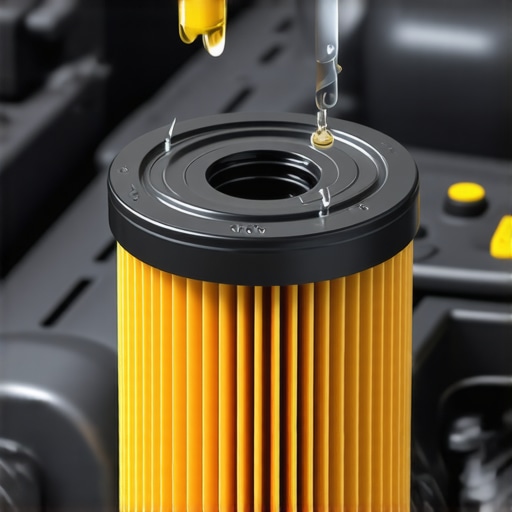
Switch to high-detergency synthetic oils tailored to your engine’s needs—like those designed for hybrid or turbocharged systems. During my last oil change, I opted for a synthetic blend with enhanced cleaning agents, which kept sludge formation minimal even under tough driving conditions. Always ensure your oil filter matches your vehicle specifications; using the wrong filter can allow debris to circulate. For instance, advanced filters with magnetic elements can trap metallic particles, extending oil life and reducing sludge.
For comprehensive understanding, check out why bio-synthetic oil needs specific filters.
Adopt Routine Maintenance Checks
Make sludge prevention part of your regular maintenance. This involves monitoring oil levels, replacing filters at appropriate intervals, and inspecting for signs of contamination. During a recent service, I observed dark, gritty oil during a filter change—prompting a deeper diagnostic. Regular oil analysis can detect early signs of additive depletion or contaminants, allowing timely interventions. Remember, ASE-certified professionals can perform these tests accurately and recommend targeted remedies, avoiding costly engine repairs down the line.
By implementing these concrete steps—targeted cleaning, chemical descale routines, effective flushing, proper oil choices, and diligent inspections—you’ll significantly reduce sludge buildup. This strategic approach not only preserves engine performance but also extends your vehicle’s lifespan, saving money and frustration in the long run. Keep a close eye on your engine’s health, and don’t hesitate to explore specialized techniques that suit your car’s unique needs.
Many vehicle owners trust the badge of ASE certification as a guarantee of top-notch service, but in reality, there’s a lot more nuance involved. One common misconception is that an ASE-certified technician always provides flawless repairs, but what most people overlook are the subtle pitfalls and advanced mistakes that even certified experts can fall into. Let’s explore some of these overlooked nuances to help you become a more informed car owner.
Relying solely on ASE Certification Can Be Misleading
It’s tempting to believe that ASE certification equates to perfection; however, studies indicate that certification primarily tests technicians on theoretical knowledge and specific skill sets, not their practical judgment or ongoing education. In fact, some certified mechanics may still rely on outdated practices or lack specialized training in newer vehicle technologies. For example, given the complexity of hybrid and electric systems, ASE certification doesn’t always cover these advanced areas comprehensively. This discrepancy can lead to improper service, especially with complex systems like bio-synthetic oil and filter compatibility.
Beware the Myth of One-Size-Fits-All Maintenance
Another widespread myth is that standard procedures apply universally. For example, many shops follow generic oil change routines, but certain engines—especially turbocharged or hybrid models—require specific attention to details like synthetic oil compatibility or unique flush procedures. Ignoring these nuances can accelerate wear or cause long-term damage. Advanced mistakes, like neglecting to replace specialized filters or overlooking software updates, are common pitfalls that can undermine even ASE-certified work. Read more on specific repair needs through gearbox performance in rain.
Are You Asking the Right Questions About Your Service?
Many car owners fail to ask technicians the right questions, leading to overlooked issues. For example, verifying if the shop uses high-quality filters or advanced diagnostic tools can make a significant difference. An advanced question like, “Does this service include software updates for my vehicle’s ECU?” can prevent future problems like transmission hunting. Remember, the true expertise lies in proactive diagnostics and tailored solutions, not just certification badges.
Additionally, be cautious of the ‘quick fix’ mentality prevalent in some service shops. A quick oil change isn’t enough if underlying issues—like sludge buildup or sensor malfunctions—are ignored. Advanced mistakes often stem from neglecting these subtleties, which can cause costly repairs down the line. Stay informed and ask your mechanic about the specific procedures they perform; for instance, inquire whether they perform chemical descales or use specialized flushing equipment, which are crucial in maintaining modern engines.
In sum, while ASE certification is a valuable indicator of a technician’s skills, it doesn’t guarantee infallibility. Recognize the hidden nuances—such as the importance of specialized filters, software updates, and tailored maintenance routines—to truly safeguard your vehicle’s health. Think of yourself as a partner in your car’s wellbeing, challenging the myths and ensuring every service is thorough. Have you ever fallen into this trap? Let me know in the comments.
Investing in the Right Equipment for Long-Term Success
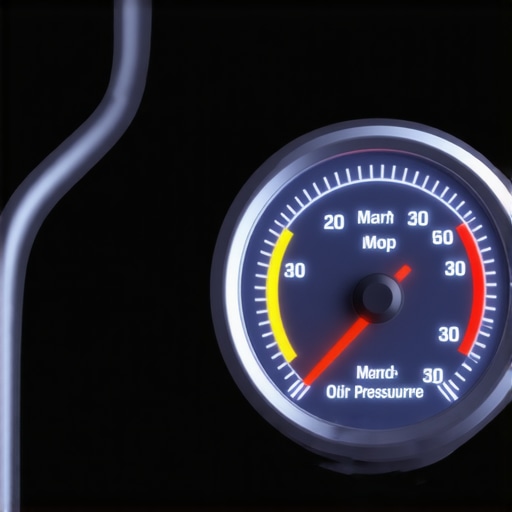
Maintaining your vehicle’s health isn’t just about routine oil changes—it’s about leveraging the right tools and methods that provide precise diagnostics and effective cleaning. Personally, I swear by a high-quality engine oil scanner like the OBDLink MX+. It connects seamlessly to your smartphone, providing real-time data on oil temperature, engine load, and sensor readings, allowing me to monitor engine health continuous ly without costly visits. This proactive approach helps catch issues early, especially before they develop into costly repairs.
Another essential device is a professional-grade engine flush machine. While chemical cleaners loosen up sludge, a flush system ensures thorough removal from every nook and cranny—something not achievable with manual cleaning alone. I recommend doing this every 20,000 miles or when diagnosing sluggish engine response, particularly in turbocharged or hybrid vehicles where sludge buildup is common.
Using Software Tools to Predict and Prevent Failures
Software tools like AutoEnginuity or OBD-II diagnostic platforms can transform the way you approach maintenance. They allow you to read diagnostic trouble codes (DTCs), monitor live sensor data, and even perform advanced resets—saving time and money. Recently, I used this software to scan my transmission, revealing early signs of shifting irregularities before the problem worsened. This saved me from a costly overhaul and extended the life of my transmission significantly. Staying ahead of issues with these robust tools ensures your car’s components stay in optimal condition.
Why Regular Inspection of Filters and Fluids Matters
While high-tech gadgets are invaluable, don’t underestimate the power of routine visual inspections. Check your oil filter, air filter, and transmission fluid levels regularly. For instance, replacing a contaminated filter can prevent debris from circulating, which could lead to component wear. I personally inspect filters every 5,000 miles, especially if I’ve driven in harsh conditions. Using a magnetic drain plug has also proven effective in capturing metallic particles, keeping fluid clean longer.
Anticipating Future Trends in Automotive Maintenance
Looking ahead, I believe the integration of AI-based diagnostics and IoT-connected tools will revolutionize maintenance routines. Vehicles might soon self-report issues, schedule maintenance, or even perform minor repairs automatically. Keeping up with these advancements means equipping your garage or service provider with compatible, cutting-edge equipment. For now, employing advanced software and periodic deep cleaning techniques is the best strategy to keep your vehicle performing optimally—especially as vehicle electronics become more complex.
To put this knowledge into action, I highly recommend trying a chemical engine flush combined with monitoring your engine sensors via an OBD scanner. These steps offer immediate benefits and help you anticipate future issues, ultimately saving you money and stress. Stay proactive, and your car will reward you with reliable performance for miles to come.
The Hardest Lesson I Learned About ASE Certified Car Service and Oil Changes
One of my most eye-opening experiences was realizing that even certified technicians sometimes overlook the subtle issues like engine sludge buildup, which can silently sabotage performance. It taught me that certification isn’t infallible—diligence and personal knowledge matter immensely.
How I Discovered the Power of Targeted Engine Cleaning
I once relied solely on regular oil changes, but after research and personal experiments, I learned that chemical descales and professional flushing equipment can reach places standard services can’t. This insight transformed my maintenance routine and extended my engine’s lifespan.
Why Trusting the Right Resources Makes All the Difference
Knowing what tools and information to turn to is vital. I depend on trusted sources like specialized blogs and advanced diagnostic devices such as the OB TLink MX+ for proactive engine monitoring, which have been game-changers.
My Essential Toolkit for Maintaining Engine Health
Equipping myself with a quality engine scanner, chemical flushes, and high-detergency synthetic oils has allowed me to stay ahead of potential issues. These tools aren’t just gadgets—they’re investments in peace of mind and long-term vehicle performance.
Your Turn to Take Control of Your Vehicle’s Future
Understanding the unseen dangers lurking inside your engine, like sludge deposits, and employing targeted cleaning and monitoring strategies can dramatically improve your car’s health. Remember, knowledge and the right tools empower you to act confidently. Do you check your engine’s core health regularly, or is this advice new to you? Share your experiences below, and let’s learn together.