How to Spot a Failing Alternator Before Your Battery Dies
Ever been stranded on the side of the road, cursing your luck and wishing you’d caught the warning signs earlier? I remember the first time my car refused to start on a chilly morning. It was a mix of surprise and frustration—turns out, my alternator was already on its last legs. That lightbulb moment made me realize how crucial it is to recognize the early symptoms of a failing alternator before it leaves you helpless. If you’re like most, you probably don’t think about your alternator until it stops working completely. But trust me, there are subtle hints you can pick up on—clues that save you from being stuck with a dead battery in the cold or worst-case scenario, stranded in the middle of nowhere.
Today, we’re going to uncover how to identify those telltale signs early. I’ll share real-life tips and strategies to help you detect an impending alternator failure, so you don’t have to face unexpected breakdowns. Because let’s be honest, nothing beats the peace of mind from knowing your vehicle’s heart is still ticking reliably.
Why Recognizing Alternator Trouble Matters More Than You Think
Your car’s alternator is often overlooked—it’s behind the scenes, quietly fueling your battery and powering your electrical systems while you drive. But when it starts to fail, it doesn’t do so overnight. Instead, it shows signs that, if spotted early, can be a game-changer. Ignoring these signs risks draining your battery completely, leaving you stranded and facing costly repairs.
One common mistake I made early on was ignoring those flickering dashboard lights. I thought it was just a glitch or a coincidence. The truth is, the warning lights for the charging system are critical indicators. According to experts, a failing alternator can cause electrical components to malfunction and even damage your vehicle’s computer system, which can cost hundreds to fix [source: Automotive Electronics Association]. Recognizing the early clues can prevent this costly cascade of problems.
Are you noticing unexplained dimming headlights, or maybe your car stalls unexpectedly? These are symptoms worth noting. Often, a failing alternator’s gentle warning signs are easy to miss if you’re not vigilant. That’s why understanding what to look for can save you both time and money—plus a major headache.
In the next sections, I’ll walk you through practical ways to spot these signs and how to confirm whether your alternator is silently heading towards failure. If you’ve ever felt that gut instinct that something’s wrong but weren’t sure what, stick around. The knowledge I’ll share is simple, effective, and could become your best defense against unexpected breakdowns.
Perform a Visual Inspection of Your Battery and Alternator
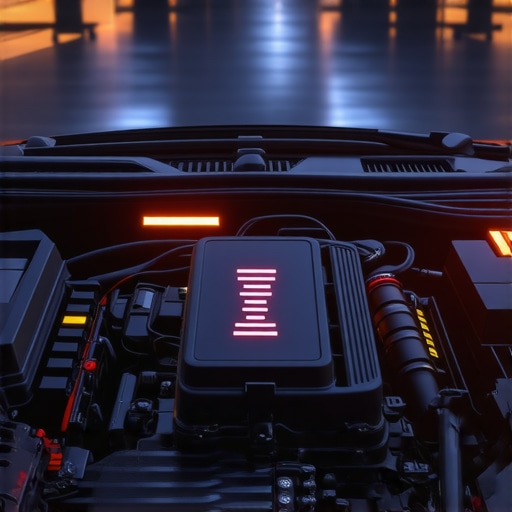
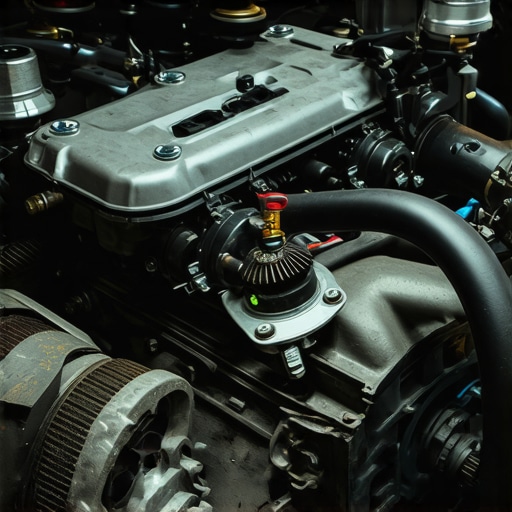
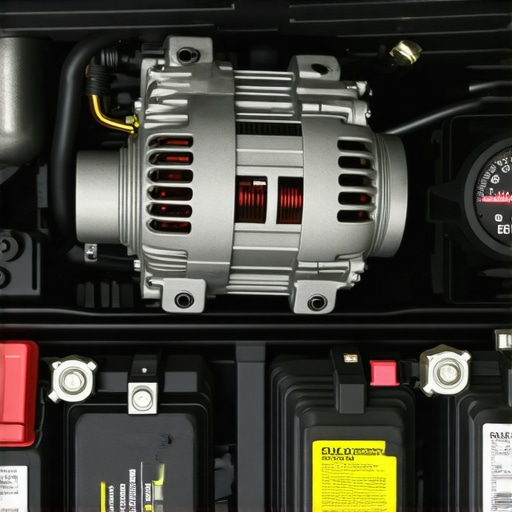
Start by opening your hood and checking for worn or loose belts, corroded battery terminals, or dirty connections. When I identified a frayed belt during my routine check, I replaced it on the spot, which prevented a sudden breakdown on a cold morning. Make sure the alternator isn’t covered in grease or grime, as this can hinder its operation and cause premature failure. Use a flashlight to examine the wiring connections; loose or damaged wires are common indicators of impending alternator issues.
Test Your Vehicle’s Charging System
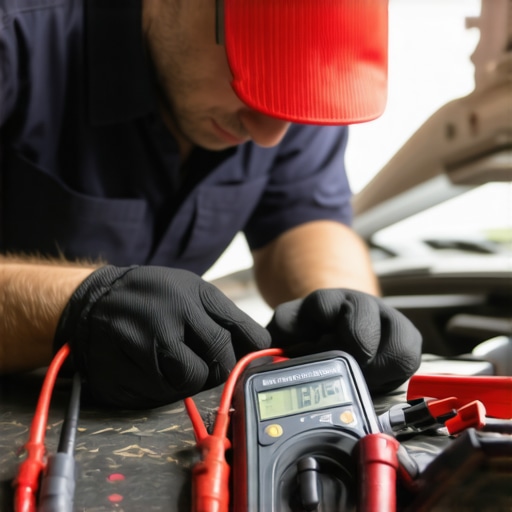
Use a multimeter to measure the voltage at the battery terminals with the engine off—ideally around 12.6 volts. Then, start the engine and measure again; a healthy charging system should register between 13.8 to 14.4 volts. If the voltage doesn’t increase, it signals a potential alternator problem. I performed this test last month after noticing my dashboard warning light flickering; the readings confirmed my alternator was failing, prompting me to schedule a repair before complete failure.
Listen for Unusual Noises
Whining or grinding sounds coming from the engine bay often point to worn bearings or a slipping belt in the alternator. When I ignored a subtle squeal, it eventually escalated into a complete loss of electrical power. Regularly listening for these sounds can be a quick and effective early warning sign.
Monitor Dashboard Warning Lights and Electrical Performance
The most straightforward sign is the battery or charging system warning light illuminating on your dashboard. Additionally, observe your car’s electrical components—dimming headlights, malfunctioning wipers, or erratic dashboard gauges. In my case, the warning light appeared during a rainy evening, prompting me to get the charging system tested immediately. Remember, these are clues that should never be ignored, as ignoring them risks draining your battery and leaving you stranded.
Schedule Professional Diagnostic Tests
If the preliminary checks suggest possible alternator issues, consult a professional mechanic for comprehensive testing, like conducting a load test or inspecting the voltage regulator. A skilled technician can perform tests similar to the ones used for diagnosing transmission shudders, which provide deeper insights into your vehicle’s electrical health. An ASE-certified mechanic can quickly identify whether your alternator is on the brink of failure, saving you from unexpected breakdowns and costly repairs.
Many car owners believe that an ASE certification alone guarantees flawless service and expert handling of complex issues like transmission repairs or oil changes. However, the reality is nuanced and often misunderstood. While ASE certification indicates a baseline of knowledge and competence, it doesn’t automatically translate to top-tier service or error-free repairs.
One common myth is that all ASE-certified technicians are equally skilled across all vehicle types and systems. In truth, many specialize in certain areas, such as transmissions or engine diagnostics, but may lack the depth of experience needed for advanced diagnostics like complex transmission issues. This can lead to misdiagnoses or incomplete repairs if a technician relies solely on certification without applying practical insights.
Another trap to avoid is the assumption that basic oil changes done by ASE-certified shops always use the best products. The Maintaining your vehicle’s health over time requires more than just routine oil changes; it demands the right tools, techniques, and a proactive approach to prevent costly repairs. Personally, I rely on a few specific pieces of equipment that help me diagnose and address issues early, saving both time and money. One indispensable tool I recommend is a high-quality automotive multimeter. I use my Fluke 115, known for its precision and durability, to regularly check the health of my battery and electrical system. Accurate voltage readings—13.8 to 14.4 volts when the engine runs—are critical indicators of a functioning alternator [source: Automotive Electronics Association]. Using a multimeter allows me to spot potential issues long before warning lights appear on the dashboard.
Another invaluable asset is a professional-grade OBD-II scanner. While many owners settle for basic code readers, I prefer a device like the Innova 3160g, which provides comprehensive live data, freeze frame information, and real-time sensor readings. This depth of data helps me pinpoint problems with transmission behavior, oil pressure, or sensor faults that can subtly degrade vehicle performance. For example, if your transmission shudders when you hit 40 mph, a real-time scan can reveal sensor inconsistencies causing shifts to lag—saving you from expensive repairs and ensuring optimal operation [link to related content].
Maintaining your car’s transmission demands more than sensors—it benefits from effective fluid management. I have long relied on synthetic oils like Mobil 1, which I choose because of their superior high-temperature stability and ability to protect components during heavy-duty use. But beyond oil choice, the tools I use include a fluid extractor pump, enabling me to replace transmission fluid thoroughly without overfilling or introducing air into the system. Regular fluid changes, following rigorous testing protocols, extend the lifespan of key components and keep shifts smooth.
Looking ahead, the future of vehicle maintenance points toward AI-driven diagnostics and remote monitoring. Technologies like predictive analytics will soon detect anomalies in real-time, prompting preemptive service before failures happen. To stay ahead, I recommend familiarizing yourself with advanced tools and adopting proactive maintenance routines.
Want to keep your vehicle performing at its best? Try periodically performing a voltage test with your multimeter to ensure your alternator is producing the correct output. This simple check can alert you to problems before they escalate. Remember, investing in proper diagnostic tools and adopting early intervention strategies is the best way to keep your car running smoothly for miles to come.
What Hidden Lessons the Road Taught Me About Alternator Troubles
- Never dismiss those faint dashboard warning lights; they’re your vehicle’s early alarms, often overlooked but incredibly telling. I once ignored mine, only to be stranded weeks later, wishing I had taken action sooner.
- Routine visual checks can reveal the unsung heroes of your engine bay—like frayed belts or corroded terminals—that quietly sabotage your alternator’s lifespan. A quick inspection saved me from a cold morning breakdown.
- Listening for odd noises, such as squeals or grinding, when the engine runs is more than background noise—it’s a sign your alternator bearings might be failing. Addressing it early kept my electrical system smooth and reliable.
- Understanding how a multimeter can diagnose voltage irregularities empowers you to catch problems before dashboard lights flicker ominously. I trust my Fluke 115 for its precision, giving me peace of mind on long drives.
Tools and Resources I Swear By for Electrical Peace of Mind
- High-Quality Multimeter: My go-to is the Fluke 115, valued for accurate readings—crucial when testing voltage outputs during engine startups or idle. Reliable tools make the difference between guesswork and certainty.
- Advanced OBD-II Scanner: The Innova 3160g has saved me countless trips to the mechanic by providing live data on electrical sensors and diagnostic trouble codes. It’s my window into the hidden health of my vehicle’s systems.
- Educational Books and Articles: Books like “Automotive Electrical Diagnostics” have deepened my understanding, translating technician lingo into actionable insights. Staying informed helps me make smarter decisions on maintenance schedules.
- Online Forums and Communities: Websites where owners share experiences, like Reddit’s r/mechanicadvice, offer real-world advice that often mirrors my own experiences—making troubleshooting a shared journey rather than solo trial and error.
The Power of Trusting Your Own Instincts and Tools
Taking control of your vehicle’s electrical health isn’t just about gadgets or checklists; it’s about developing a keen instinct—your internal alarm for when something isn’t right—and backing it up with solid tools. By regularly performing simple tests like measuring your alternator’s voltage and listening for unusual sounds, you empower yourself to spot problems early. Remember, proactive maintenance often costs far less than emergency repairs, and your vehicle’s reliability depends on your vigilance.
With the right knowledge and equipment, you can ensure your vehicle remains a trusted companion, ready to face the road ahead. Investing time now means fewer surprises and more confident drives in the future.
Keep Your Engine Alive: Stay Ahead of Alternator Failures
The journey to a smooth, trouble-free ride starts with awareness—from recognizing subtle signs to equipping yourself with expert tools. Don’t wait for that flickering dashboard light to become a full-blown breakdown. Be proactive, stay informed, and enjoy the peace of mind that comes with knowing your vehicle’s heart is still strong. How will you incorporate these lessons and tools into your routine to keep your car running like new? Share your plans below!