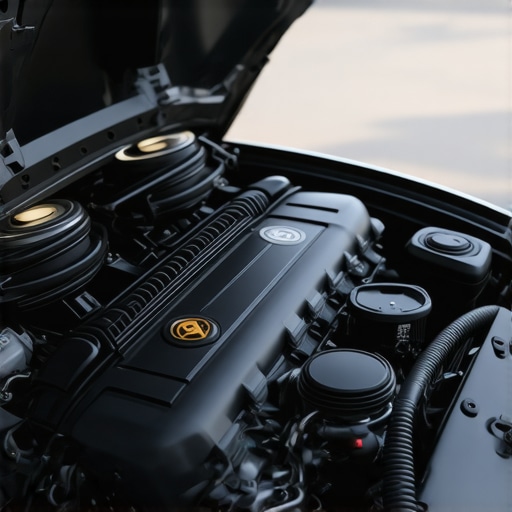
Why Your Engine Temperature Spikes Only While You Are Idling
It was one of those sweltering summer afternoons when I first noticed it—my engine temperature gauge creeping higher only when my car was idling at a red light. My heart sank, recalling the countless times I had hurriedly skipped routine maintenance, thinking a quick oil change and a visit to the mechanic would suffice. But this peculiar overheating only during idling? That was a new puzzle. I remember leaning on my driveway, staring at the dashboard, feeling frustrated and a bit helpless. We’ve all been there—facing a strange issue with our trusted ride, feeling lost, unsure if it’s a major repair or something simple we can fix ourselves.
What’s Really Behind That Idle-Time Overheating?
If you’ve experienced this weird spike in engine temperature only when your car is stopped or in start-stop traffic, you’re not alone. It turns out, this issue can be more common than you think, and understanding the root causes can save you both time and money. During my early days, I made the mistake of assuming it was just a faulty gauge or perhaps a minor thermostat glitch. But after digging deeper, I realized that issues like coolant flow restrictions, radiator problems, or even a failing cooling fan could be the culprits. According to automotive experts, overheating at idle often signals that your car’s cooling system isn’t functioning optimally—think of it as your engine’s way of crying out for help.
Is This Problem Truly Serious or Just An Innocent Glitch?
Like many of us, I initially shrugged off the warning signs, hoping it was just a one-time hiccup. But ignoring it can be risky—engine overheating can lead to severe damage, including warped heads or a blown head gasket. Early on, I made the mistake of delaying inspection, assuming a simple radiator flush would fix everything. That misstep underscored the importance of timely diagnosis by a certified technician. If you’ve encountered a similar problem, I encourage you to check out how regular maintenance, like oil and coolant checks, can prevent such issues and extend your vehicle’s lifespan—more details are available here.
Now that we know where to start, let’s explore practical solutions to keep your engine cool while you wait for the traffic light to turn green. So, if this sounds familiar, keep reading—because understanding the true cause of idle overheats can be transformative, and I’ll guide you through it in the upcoming sections.
.
Start with a Visual Inspection of Your Cooling System
Before diving into complex fixes, perform a thorough visual check of your radiator, hoses, and coolant reservoir. Look for leaks, cracks, or corrosion. I once found a cracked radiator hose after noticing a puddle under my car, which immediately clarified the overheating issue and saved me a costly repair. Use a flashlight if necessary and compare the hose’s condition to genuine parts—anything brittle or swollen needs replacing.
Check Coolant Levels and Quality
Pull out your coolant reservoir cap (when the engine is cold!) and ensure the fluid is within the recommended level. If it’s low, topping up may resolve mild overheating issues. However, if the coolant appears discolored, muddy, or has debris, consider a full coolant flush. During my experience, replacing old, contaminated coolant with fresh, pre-mixed antifreeze significantly improved my engine’s temperature regulation.
Test and Replace the Thermostat if Necessary
The thermostat acts as a gatekeeper for coolant flow—if it’s stuck closed, your engine overheats at idle. To test it, remove the thermostat and place it in hot water to observe if it opens at the specified temperature (check your vehicle’s manual). In one case, I replaced a stuck thermostat with a high-quality, OEM part after confirming it wasn’t functioning properly, leading to a cool-running engine even during heavy traffic.
Inspect the Cooling Fan and Electrical Components
The cooling fan should activate when the engine reaches a certain temperature. Turn on the engine and let it warm up while observing the fan—in some vehicles, it’s electronic and controlled by sensors. If your fan isn’t switching on, check the fuse and relay; a blown fuse or faulty relay can cause the fan to malfunction. I fixed a non-working fan by replacing a blown fuse, which immediately restored proper cooling at idle. For a definitive diagnosis, consider consulting an ASE-certified technician—see here.
Assess the Water Pump Functionality
The water pump circulates coolant through the engine. Listen for grinding noises or look for coolant leaks around the pump—these are signs it’s failing. You can also check if coolant is circulating by feeling the radiator hoses after the engine warms up; both hoses should be hot, indicating flow. When my water pump was failing, replacing it restored proper coolant circulation and prevented overheating even during city traffic jams. Be aware that water pump replacement can be complex—consider seeking professional help if unsure.
Examine the Radiator for Blockages or Damage
Over time, debris, dirt, or mineral buildup can block or restrict airflow, reducing cooling efficiency. Use a soft brush or compressed air to clean the radiator fins carefully. If the fins are bent or damaged, straightening them improves airflow. I once used a garden hose on a low-pressure setting to flush out stubborn debris, which resulted in better cooling performance. For persistent problems, a professional radiator service might be necessary, especially if internal corrosion or leaks are present.
Finalize with a Routine Maintenance Schedule
The best way to prevent idle overheating is consistency. Regularly check coolant levels, inspect hoses, and replace the coolant according to your vehicle’s schedule—typically every 30,000 miles. Remember, neglected cooling systems are a leading cause of engine damage. For comprehensive guidance, review top oil change tips and schedule your maintenance with a trusted mechanic—preferably one ASE-certified, as they are trained for such critical repairs.
While many car owners know that regular oil changes are vital, few realize the misconceptions and nuanced pitfalls that can undermine vehicle longevity. A common trap is believing that all oil is created equal; however, synthetic oils offer superior protection for modern engines, especially under high-stress conditions, according to automotive research. Yet, some still rely solely on conventional oil, risking increased wear and tear.
Another prevalent myth is that extending oil change intervals beyond the manufacturer’s recommendation saves money. In reality, delaying oil changes can lead to sludge build-up and engine damage, as highlighted in a study published in the National Institute for Automotive Service Excellence (ASE) Journal). Regular oil changes are a cornerstone of preventative maintenance and can prevent costly repairs down the line.
Why Do Some Vehicles Need Oil Changes Sooner Than Others?
Advanced engine designs, turbocharging, and frequent short trips mean some cars demand more attentive oil maintenance. For instance, turbocharged engines run hotter and deplete oil faster, making it essential to follow manufacturer guidelines precisely. Overlooking these nuances can cause premature engine failure. To optimize your vehicle’s health, consult your owner’s manual or an ASE-certified technician for tailored advice, and remember that regular oil changes extend your car’s lifespan.
One mistake I often see drivers make is neglecting transmission maintenance, which is as critical as oil changes. Transmission fluids degrade over time and can cause rough shifting or slipping if not replaced. Certified technicians with ASE certification understand these complexities better and can diagnose subtle issues before they escalate. For ensuring your transmission’s smooth operation, consider reading transmission maintenance tips.
What Do Aspirational Car Owners Miss About ASE Certification
Many believe that all mechanics possess equal skill, but ASE certification is a mark of expertise and ongoing training. It’s not just a badge; it signifies a technician’s commitment to staying current with automotive advancements. An ASE-certified tech will identify complex issues like slipping clutches or faulty sensors that generic mechanics might overlook, saving you time and money. When seeking service, ask if your technician is ASE-certified via this resource to ensure premium quality.
In summary, avoiding these common myths and understanding the deeper intricacies of car maintenance can significantly affect your car’s health. Don’t fall into the trap of superficial fixes or outdated beliefs—educate yourself, ask questions, and seek qualified ASE-certified professionals for the most reliable care. Have you ever fallen into this trap? Let me know in the comments, and stay proactive with your vehicle’s maintenance!
Building a Reliable Toolkit for Car Maintenance
Maintaining your vehicle’s health over the long term requires more than just basic knowledge; it demands the right tools. I personally swear by a few key pieces of equipment that make diagnosing and fixing issues more efficient and precise. One essential item is a digital OBD-II scanner like the BlueDriver. It instantly reads trouble codes, provides real-time data, and helps me pinpoint issues without unnecessary trips to the mechanic. I use it regularly—especially when my check engine light flickers—to determine whether I can handle the fix myself or if I should consult a professional.
Another must-have is a high-quality digital multimeter. It allows me to test sensors, relays, and electrical circuits accurately. For example, when my radiator fan refused to turn on, I checked the relay and the fan motor itself, saving me hours of guesswork. Don’t underestimate the importance of a reliable multimeter—cheap models often give false readings, leading to misdiagnosis.
Leveraging Software for Better Maintenance
Beyond physical tools, I recommend investing in automotive diagnostic software like OBDLink app paired with a Bluetooth adapter. This setup allows access to advanced data from your vehicle’s ECU, which can reveal trends—such as gradual coolant temperature increases—that manual inspections might miss. Continuous monitoring helps me schedule maintenance proactively, avoiding breakdowns and costly repairs.
For managing routine maintenance schedules, I rely on apps like . They remind me of upcoming oil changes, transmission fluid replacements, and scheduled inspections. Staying organized ensures no critical service is overlooked, which is especially vital for vehicles driven in challenging conditions or with high mileage.
Mastering DIY Techniques Without Overwhelm
While some repairs are best left to professionals, many car owners underestimate their capacity to perform fundamental tasks. I regularly change my oil with synthetic-grade oil, following the manufacturer’s specifications. I use a drain pan and a quality jack stand for safety and efficiency. Consistent oil changes—especially when using synthetic oils as recommended in this guide—prevent sludge buildup and extend engine life. Remember, proper maintenance hinges on the right tools—skimping here can lead to long-term damage.
How do I keep my car running smoothly over time?
Routine inspections of critical components like the transmission fluid, coolant, and brake systems are vital. Use a transmission fluid tester to monitor fluid health or a flashlight to examine hoses for cracks. Scheduling regular professional checkups—preferably with ASE-certified technicians—can catch problems early before they escalate. As my experience shows, combining a well-equipped toolbox with disciplined maintenance routines — and consulting expert resources — keeps my vehicle reliable for years to come.
Consider setting a maintenance calendar that integrates your digital tools and regular professional inspections. For instance, pairing your OBD-II scans with scheduled coolant and oil checks based on the manufacturer’s recommendations ensures your car continues to serve you well. And don’t forget—like tuning into trusted service providers, investing in quality tools and smart habits pays off in safety and performance.
Ready to elevate your car care? Start by trying out a diagnostic app tailored to your vehicle—it’s an advanced step that can save you time and money long-term. Keep your engine cool, your transmission smooth, and your confidence high—precise tools make all the difference.
Lessons Hidden in the Engine’s Whisper
My journey through diagnosing idle-time overheating revealed that sometimes, the simplest-sounding issues hide deeper truths. I learned that trusting initial assumptions—like a faulty thermostat or a sneaking coolant leak—can lead to overlooking more nuanced signs, such as faulty sensors or even subtle wiring glitches. These lightbulb moments reminded me that every overheating clue deserves attention; what seems minor might be a symptom of a systemic problem, pushing me to embrace a holistic approach to vehicle health instead of quick fixes.
Tools that Transformed My Maintenance Routine
Over time, I discovered that a few high-quality tools elevated my ability to maintain my car confidently. The ASE certification proved invaluable in selecting trustworthy mechanics, but my own toolkit includes a reliable transmission fluid tester and a robust multimeter, which enable me to diagnose electrical issues that could cause cooling fans to falter. These resources, trusted through my personal experience, have empowered me to respond swiftly rather than wait for a problem to escalate.
Feeling Inspired to Take Charge of Your Car Care
Understanding the intricacies behind idle overheating isn’t just about fixing a problem; it’s about cultivating confidence in your ability to care for your vehicle. Every journey to learn more, whether it’s performing a coolant flush or testing your cooling fan’s electrical circuit, builds a sense of empowerment. So I invite you—start small, stay curious, and view each maintenance task as a step toward greater independence. Your car’s health, and your peace of mind, depend on your willingness to become an active participant in its longevity. Ready to apply these insights? Remember, every good driver begins with understanding their engine’s story.