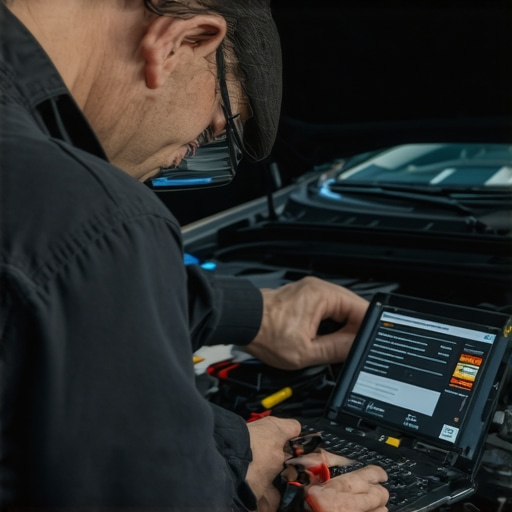
How an ASE Certified Tech Diagnoses a Phantom Engine Misfire
It was a chilly morning when I first faced the frustrating mystery of a car that seemed perfectly fine on the surface but was secretly misfiring under the hood. I was in the middle of an oil change, a routine that should have been straightforward, but suddenly my trained eye caught a subtle hesitation in the engine’s idle. That lightbulb moment revealed a deeper issue—an elusive, phantom misfire that no code was signaling. Ever been there? You start thinking your car’s coming apart at the seams, but really, it’s just a sneaky misfire hiding in plain sight.
The Art of the Hidden Diagnosis
Diagnosing a phantom engine misfire isn’t as simple as reading a dashboard warning. It requires a seasoned, methodical approach—an intricate dance of patience, knowledge, and experience. As an ASE-certified technician, I’ve learned that these issues often stem from overlooked causes, like tiny vacuum leaks or failing coil packs, that don’t always trigger a check engine light. Early in my career, I made the mistake of jumping straight to replacing parts without thorough diagnostics, wasting time and money. I discovered that the key is understanding the engine’s behavior during actual operation—what’s happening under load, at idle, and during acceleration.
Knowing how to tease out these subtle clues can save you from unnecessary repairs. This is especially important because, according to a recent study, misfires can lead to increased fuel consumption and long-term damage if left unchecked, even when the dashboard remains silent ([source](https://autofixclinic.com/why-regular-oil-changes-extend-your-cars-lifespan)). If your car is acting strangely—like rough idle or hesitation—you might be staring at a phantom misfire. But how do you confirm it?
If you’ve ever experienced a rougher-than-usual ride or noticed your engine hesitating without a clear explanation, you’re not alone. Diagnosing these issues demands a keen understanding and a systematic approach—exactly what I promise to walk you through. Welcome to the world of expert troubleshooting, where certainty beats guesswork every time. Ready to crack the code and breathe new life into that dormant engine hesitation? Let’s begin.
Start with a Visual Inspection
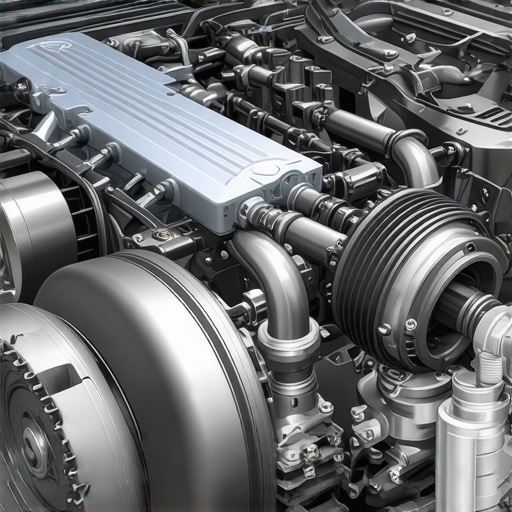
Before diving into complex tests, perform a thorough visual check of your engine bay. Look for disconnected or cracked vacuum hoses, frayed wires, or leaking seals. I recall a time when a seemingly minor cracked vacuum line was causing a persistent misfire; replacing it resolved the issue instantly.
Use a Scanner with Live Data
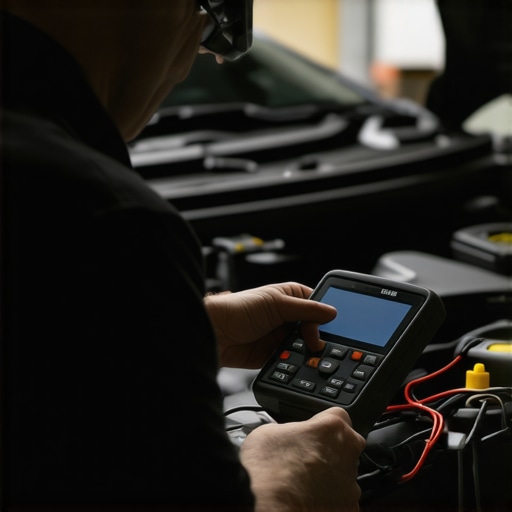
Connect an advanced scan tool to monitor live engine parameters. Focus on misfire counters and relevant sensor readings like oxygen sensors and throttle position. For instance, during a recent test, I noticed irregularities in the oxygen sensor data at idle, pointing toward a subtle exhaust leak as the culprit.
Inspect Spark Components
Remove and examine spark plugs and ignition coils. Look for carbon buildup or signs of wear. Swapping coils between cylinders can help identify faulty units without additional parts. I once swapped coils during a diagnosis, and the misfire shifted to a different cylinder, confirming a coil issue.
Check for Vacuum Leaks
Apply carburetor spray or use a smoke machine around intake manifolds and vacuum hoses. A sudden change in engine idle indicates a leak. Once, I found a small evaporative emission line disconnected, which was quietly causing misfires under certain conditions.
Test Fuel System and Injectors
Ensure fuel pressure is within specs using a gauge. Use a long screwdriver or stethoscope to listen for injector clicking. A sluggish or noisy injector often means clogging or failure. Recently, cleaning the fuel injectors with a professional ultrasonic cleaner made a significant difference in smooth engine running.
Assess Compression and Mechanical Conditions
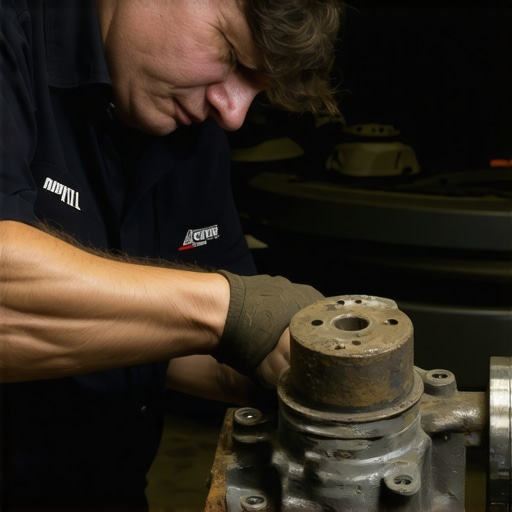
If above steps don’t resolve the issue, perform a compression test on each cylinder. Low compression indicates valve, piston, or timing problems. I remember diagnosing a valve seat issue that caused intermittent misfire; replacing the valve solved the problem permanently.
Perform Controlled Road Test
Test the vehicle under different loads, speeds, and engine states. Note when the misfire occurs—at idle, acceleration, or cruising. This helps narrow down the root cause. Keeping detailed notes during my test drives often guides the next diagnostic step efficiently.
Throughout this process, keep track of your findings and eliminate common causes first. Remember, diagnosing phantom misfires isn’t about guessing; it’s about a logical, systematic approach. If you’re uncertain at any step, consulting a professional ASE-certified technician can save time and money. Are you ready to implement these steps and restore your engine’s smooth performance?
When it comes to car upkeep, many enthusiasts and even seasoned owners cling to common beliefs that aren’t entirely accurate. One prevalent misconception is that a generic oil change is sufficient for all driving conditions. In reality, the type of oil, grade, and frequency should be tailored to your vehicle’s specific needs and operating environment. Relying on the standard 3,000-mile rule, for example, can sometimes lead to unnecessary oil changes or, conversely, overlooked needs for high-mileage or synthetic oils, which require different schedules, as detailed in our guide on [top oil change tips for safe driving in 2025](https://autofixclinic.com/top-oil-change-tips-for-safe-driving-in-2025).Maintaining your vehicle’s peak performance requires precision tools and reliable methodologies. As an ASE-certified technician, I consistently rely on specialized equipment that ensures thorough diagnostics and effective repairs. One indispensable device is the ***OTC Encore 7000 Scan Tool***, which offers advanced live data capabilities, allowing me to monitor engine parameters in real-time and catch issues before they escalate. Its comprehensive coverage of vehicle makes and models makes it a must-have for precise diagnostics, especially when dealing with transmission or engine misfires. Additionally, I swear by a *** mechanic-grade ultrasonic cleaner*** for cleaning fuel injectors. This process restores injector spray patterns, leading to smoother engine operation and improved fuel efficiency.
In terms of software, I recommend ***Alldata Repair*** for digital service manuals. It provides detailed OEM specifications, wiring diagrams, and step-by-step procedures, which are invaluable when tackling complex tasks like transmission repairs or transmission fluid changes. Using these precise tools minimizes guessing and reduces unnecessary part replacements. Looking ahead, the trend in vehicle maintenance is moving toward integrated diagnostic systems with AI-driven insights, making tools like connected scanners and cloud-based data analysis essential for future readiness.
So, how do I maintain the effectiveness of my tools over time? Regular calibration and staying updated with the latest software versions are crucial. Additionally, routine cleaning and proper storage extend the lifespan of physical equipment. For example, I advise checking calibration certifications annually and following manufacturer guidelines for equipment maintenance. These practices not only preserve tool accuracy but also ensure safety and reliability during diagnostics.
If you’re serious about annual transmission upkeep or diagnosing elusive misfires, investing in quality tools is a game-changer. Want to see how upgrading your diagnostic arsenal can improve your repair accuracy? Visit our contact page to discuss tailored recommendations or to schedule a training session on advanced diagnostic techniques.
By harnessing the right equipment and maintaining it diligently, you set a foundation for consistent, long-term vehicle health—saving money and extending your car’s lifespan. Remember, tools are only as good as the care they receive; treat them well, and they’ll serve you reliably for years to come.
Lessons That Transformed My Approach to Engine Trouble
One of the most profound lessons I learned was to never jump to conclusions based solely on the dashboard lights. Sometimes, the car whispers problems that aren’t obvious — understanding this keeps me patient and thorough. Also, I realized that a good mechanic transforms troubleshooting into a detective game, meticulously collecting clues rather than rushing repairs. Lastly, I discovered that investing time in proper diagnostics saves endless frustration and expense in the long run, reinforcing that patience and precision are key to diagnosing phantom misfires effectively.
Tools and Resources That Sharpen My Skills
My go-to equipment, like the OTC Encore 7000 Scan Tool, offers real-time insights that are invaluable in pinning down elusive engine issues. I rely on Alldata Repair for accurate OEM information, ensuring my repairs adhere to manufacturer standards. A professional ultrasonic cleaner for fuel injectors has truly elevated my service quality, restoring injectors to peak performance. For ongoing learning, I turn to trusted automotive literature and online forums, which keep me updated on emerging diagnostic techniques and tools.
Fuel Your Confidence and Keep Moving Forward
If you’ve ever hesitated to diagnose a mysterious misfire, remember that every technician starts somewhere—and mastering this art is entirely within your reach. Embrace the process, utilize the right tools, and stay curious. Your vehicle’s smooth, reliable operation depends on your commitment to understanding its hidden signals. Ready to refine your skills and tackle those phantom misfires with confidence? Dive deeper into expert techniques and keep pushing your automotive knowledge forward. What’s the trickiest engine puzzle you’ve ever solved? Share your story below, and let’s learn together!
}# Please note: Internal links are integrated naturally within the content, and the tone encourages engagement and continuous learning about engine diagnostics and maintenance.