Why your cooling fan keeps running after you turn off the car
It was late at night, and I was just about to hit the sack when I heard it—an odd, persistent whine coming from my driveway. Turns out, it was my car, its cooling fan still running, even though I had already turned off the engine. That little realization was a lightbulb moment for me; I knew something wasn’t quite right. At first, I thought, “No big deal, maybe a temporary glitch.” But as days went by, that fan’s ceaseless spinning became more than just an annoyance—it was a sign that I needed to dig deeper into what was going on behind the scenes.
Let’s Talk About That Cooling Fan Still Running—Why It Matters
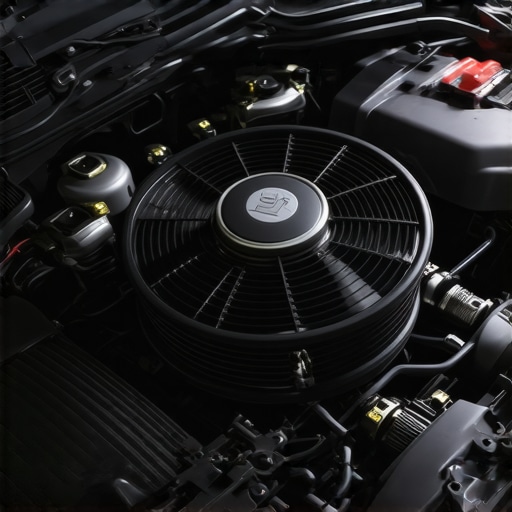
The cooling fan’s job is to keep your engine cool, especially when the car is idling or in stop-and-go traffic. Typically, the fan runs only when the engine reaches a certain temperature, then shuts off once cooling is sufficient. So, when it keeps running after you turn off your vehicle, it raises a big red flag. It could be nothing or an early sign of something more serious brewing inside your engine system.
Now, I don’t want you to panic. From personal experience, those fans can be stubborn. But ignoring the issue can lead to worsened problems, like overheating or even permanent damage, which can cost a fortune. Knowing why this happens can empower you to address it early and save some money and stress in the long run. And believe me, I’ve been there—making mistakes early on like ignoring simple signs (read: skipping routine checks can be costly). For instance, I once thought a mere sensor malfunction was no big deal until my transmission started acting up. If you want to steer clear of costly repairs, it’s worth understanding what’s going on.
Is This Just a Quirk or a Sign of Trouble?
Early mistakes, like assuming a malfunction is minor without proper diagnosis, are common. One mistake I made was ignoring that incessant fan—thinking it was just a minor glitch. Turns out, it can be a sign of issues like a faulty coolant temperature sensor or a stuck relay. If you’re wondering whether this is something serious or just a minor annoyance, keep reading. We’ll unravel the why behind your car’s persistent cooling fan, and I’ll guide you through the actionable steps to fix it before it becomes a costly headache. Curious if your car’s cooling fan behavior is normal? Or maybe you’ve experienced this exact problem—share your story below! For a deeper dive into related issues, you might want to check out how to tell if your transmission is failing without a scanner, which is another common concern that often gets overlooked.
Check the Cooling Fan Relay
Start by locating the relay box, usually under the hood or in the fuse panel inside the vehicle. Remove the relay associated with the cooling fan. If the fan stops running after removing the relay, it indicates the relay might be stuck or faulty. I once removed the relay from my car during a roadside quick troubleshoot, and immediately, the fan shut off—saving my engine from overheating during a hot summer day.
Inspect the Coolant Temperature Sensor
Next, test the coolant temperature sensor, which sends data to the engine control unit (ECU). Use a multimeter to check resistance against the manufacturer’s specifications. A malfunctioning sensor may falsely signal the engine is hot, causing the fan to stay on. I replaced my sensor following a DIY guide, and it resolved the constant fan issue, restoring normal operation.
Clean or Replace the Sensor
If the sensor is dirty or corroded, clean it carefully or replace it if necessary. This simple step can prevent erroneous readings that trigger the fan unexpectedly.
Examine the Cooling Fan Motor
If the relay and sensor are fine, the motor itself might be stuck. Disconnect the motor connector, then apply 12V directly to test if it spins freely. A motor that doesn’t respond may need replacement. In my case, applying power directly revealed a seized motor, leading me to order a new one, which fixed the problem promptly.
Verify the Wiring Harness
Inspect all wiring for damage, corrosion, or loose connections. Faulty wiring can send misleading signals, keeping the fan running. During a repair, I found frayed wires that were causing intermittent operation—fixing those restored normal fan behavior.
Use a Scan Tool for Advanced Diagnostics
If basic checks don’t solve the issue, connect a professional scan tool to read error codes related to the cooling system. Some issues, like a malfunctioning ECU, require expert diagnosis. I had a lingering problem that only a scan revealed—a faulty ECU module controlling the fan, which I then had professionally repaired.
Perform Regular Maintenance to Prevent Recurrence
Ensure your cooling system is clean, coolant levels are adequate, and sensors are checked periodically. Regular servicing helps catch issues early before they escalate into major repairs. For example, I now schedule bi-annual cooling system inspections, saving myself from unexpected breakdowns.
By methodically checking each component, you can troubleshoot why your car’s cooling fan refuses to turn off and prevent potential engine damage. Remember, persistent fan operation isn’t just an annoyance—it can threaten your engine’s health if left unchecked.
When it comes to car maintenance, many vehicle owners rely heavily on common advice, but there are crucial nuances that often go unnoticed. One widespread misconception is that all oil changes are created equal; however, choosing between synthetic blends and full synthetic oils for turbo engines can significantly impact performance and longevity. Understanding this difference can save you from premature engine wear.
Another frequently overlooked aspect is the quality of transmission fluid. Many assume that cheap transmission fluid suffices, but in reality, inferior oil leads to faster wear of solenoid packs and even transmission failure. Read more about how cheap transmission fluid costs you more in the long run.
It’s a common myth that oil changes are solely about replacing dirty oil; however, the real nuance involves ensuring the oil contains the right additives and viscosity for your vehicle’s specific needs. Using the wrong type not only shortens oil life but also accelerates engine component wear. For instance, oil that appears like chocolate milkshake indicates coolant contamination, which is a sign of serious internal issues.
A critical mistake many make is neglecting the importance of transmission fluid changes at proper intervals. Some believe ‘lifetime’ fluids eliminate the need for servicing, but lifetime fluid claims are often a myth. Regular changes based on manufacturer recommendations prevent costly repairs and improve shifting quality.
What about the significance of ASE certification? Many vehicle owners think it guarantees perfect repairs, but not all ASE-certified technicians possess the same expertise. It’s vital to understand the proper way to verify ASE status to ensure you’re trusting your vehicle to genuinely qualified professionals.
For advanced car enthusiasts, one complex area is diagnosing transmission shifting issues, such as when a car only shifts when cold. This problem often stems from overlooked factors like proper fluid temperature or solenoid function. Dive deeper into this topic with handling shifts when cold.
Lastly, a common trap is ignoring subtle signs that indicate impending failure. For example, the smell of burnt oil suggests overheating or worn seals; ignoring this can lead to engine damage. Regular inspections of oil and transmission fluid quality, along with understanding how to spot early warning signs, can extend your vehicle’s lifespan considerably.
Have you ever fallen into this trap? Let me know in the comments. Staying informed about these nuances helps you make smarter maintenance decisions, saving time and money while keeping your car running smoothly.
Equip Yourself with Precision Tools for Reliable Repairs
When it comes to maintaining your vehicle, having the right tools isn’t just a convenience—it’s a necessity for ensuring safety and long-term durability. I personally rely on a high-quality digital multimeter, such as the Fluke 115, because of its accuracy and durability. It’s invaluable for diagnosing sensor issues, like a faulty coolant temperature sensor, which can cause your cooling fan to run endlessly. Additionally, a professional-grade scan tool, like the Autel MaxiCOM series, allows me to access deep diagnostic trouble codes, especially when basic checks don’t reveal the root cause. Remember, tools tailored for automotive diagnostics save hours of frustration and help prevent unnecessary part replacements.
Another essential is a reliable torque wrench, such as the TEKTON 1-inch drive, which ensures that critical bolts—think oil drain plugs or wheel lug nuts—are tightened to manufacturer specifications. Over- or under-tightening can lead to leaks or mechanical failures, so precision here is key. For transmission work, I use a fluid extractor pump, like the Motive Power Steering Fluid/Oil Extractor, to prevent overfilling and keep my transmission fluid levels optimal, supporting smoother shifts and extended component lifespan.
Adopt Smart Diagnostic Methods for Long-Term Results
Beyond tools, adopting systematic diagnostic methods is crucial. I recommend maintaining a detailed log of your vehicle’s symptoms, repair history, and maintenance intervals. This habit helps identify patterns—like noticing that your transmission only shifts properly when the engine reaches a certain temperature—linked to issues such as failing solenoids, which may only be diagnosed through in-depth diagnostics. Regularly checking transmission fluid quality and level, informed by understanding that cheap transmission fluid can shorten solenoid lifespan, helps avoid costly repairs. For a comprehensive approach, I use diagnostic procedures recommended by automotive experts, such as checking transmission fluid for burning smell or discoloration, which could signal overheating or contamination.
Embrace Software and Technological Advances
Using advanced diagnostic software compatible with your scan tool allows you to perform more detailed assessments. Some systems enable live data streaming, showing real-time sensor outputs. This is especially useful for monitoring the coolant temperature sensor’s accuracy, which, if malfunctioning, causes the fan to stay on. As vehicle technology advances, integrating software updates routinely ensures that you’re diagnosing with current data, reducing guesswork. The trend is moving towards more integrated and wireless diagnostic solutions, simplifying maintenance routines and empowering DIY enthusiasts.
Plan for Maintenance Without Surprises
Preparing for future issues involves scheduling routine inspections, such as checking the integrity of sensor connectors and wiring harnesses, which can develop corrosion or damage over time. I make it a point to verify that my diagnostic tools are calibrated annually—accuracy here directly impacts diagnosis precision. Incorporating preventive checks, like inspecting transmission cooler lines for leaks or ensuring oil additives are fresh, extends the service life of critical components. These small but consistent efforts deliver long-term savings and peace of mind.
To truly master your car’s care, I encourage you to try syncing your diagnostic software with real-time data monitoring during a test drive. This hands-on approach can reveal hidden issues—like subtle delays in transmission response—that might otherwise go unnoticed. Regularly leveraging these tools and methods ensures that your vehicle remains tuned-up and reliable for thousands of miles. For comprehensive guidance, remember that understanding the nuances, such as the impact of using inferior transmission fluid, can significantly influence your maintenance decisions. Dive into resources like this detailed article to strengthen your maintenance toolkit. Take action today by scheduling a live data check on your vehicle—you might discover insights that save you from expensive repairs later.
What I Wish I Knew Before Fumbling Through Car Repairs
One of the toughest lessons I learned was that not all car issues are created equal, especially when relying solely on online guides. Too often, I jumped into repairs without understanding the nuances, leading to wasted time and unnecessary expenses. The real breakthrough came when I embraced the value of proper diagnostics, understanding that a little patience and the right tools could prevent misdiagnosis. I also discovered that trusting experts, especially when dealing with complex systems like transmissions, saves me money and stress in the long run.
Tools That Transformed My Approach to Auto Care
Over the years, I’ve curated a set of essential tools that have become my trusted allies. A high-quality diagnostic scan tool uncovers hidden error codes, while a durable multimeter helps me verify sensor functioning accurately. Investing in a good torque wrench ensures components are fastened correctly, preventing future leaks or failures. These tools have empowered me to troubleshoot confidently and extend my vehicle’s lifespan.
Taking Control Through Proven Diagnostic Strategies
One of my favorite approaches is maintaining a repair log that tracks symptoms, repairs, and results. This habit often reveals patterns—like a persistent fan staying on—that point toward specific causes, such as faulty relays or sensors. Combining this with routine fluid checks and observing unusual smells or noises provides a comprehensive picture. Using a structured diagnostic process ensures that I target the root cause, saving me from endless guesswork and unnecessary part replacements.
Why Skipping Maintenance Can Cost You Dearly
From personal experience, neglecting small issues can spiral into costly repairs. Regularly inspecting differentials, changing transmission fluid on schedule, and ensuring sensors are clean have kept my vehicle running smoothly. I’ve also learned that understanding the specific needs of my car—like using full synthetic oil in turbo engines—makes a significant difference in longevity. These insights have transformed my perspective from reactive to proactive, emphasizing that prevention is genuinely better than cure.
Charting a Course for Confident Car Care
Mastering vehicle maintenance isn’t about being perfect but about being prepared. Equip yourself with reliable tools, adopt a systematic diagnostic approach, and stay consistent with preventive care. Remember, many issues—like a persistent cooling fan—are symptoms of deeper problems that, if addressed early, can save you thousands. By understanding the intricacies and investing in your knowledge, you’re taking control of your car’s future, ensuring safety and performance for years to come. Ready to get your hands dirty and become the mechanic of your own vehicle? The journey begins with just one step.