
Why synthetic oil is the only choice for modern turbo engines
It happened on a gloomy Saturday morning. I pulled into my driveway after a 50-mile cruise, feeling pretty smug—until I peeked under the hood and noticed that peculiar smell lingering in the air. A quick peek revealed a slight leak, and I realized I’d been running my turbocharged engine on cheap, conventional oil for far too long. That lightbulb moment hit me hard—I’d overlooked the importance of proper lubrication, especially for the high-performance engines in my modern ride. Since then, I’ve been obsessed with understanding what truly keeps these engines running smoothly, and I’ve come to a simple conclusion: **Synthetic oil isn’t just a luxury; it’s a necessity for turbocharged engines today.**
Protect Your Turbo: Why Conventional Oil Just Doesn’t Cut It
If you own a modern turbocharged vehicle like I do, you know firsthand how demanding these engines are. The high heat, rapid acceleration, and intricate internals require more than just basic lubrication. Using regular, mineral-based oil is like trying to keep a fiery engine cooled with plain water—it simply won’t hold up. Over time, this leads to increased wear, carbon deposits, and even costly engine damage. Investing in high-quality synthetic oil is about safeguarding your investment and ensuring your turbo engine can perform at its best for miles to come.
Are Synthetic Oils Really Worth the Hype?
Initially, I was skeptical myself. The price difference was noticeable, and I wondered if it was just marketing noise. However, my early mistake was underestimating the toll that heat and pressure take on engine oil. I learned the hard way that cheap oil degrades faster, loses its lubricating properties, and can cause more harm than good. Scientific studies back this up; for example, a report from the SAE (Society of Automotive Engineers) confirms that synthetic oils maintain optimal viscosity and oxidation stability much longer than conventional oils under demanding conditions.
For those still on the fence, consider this a gentle nudge: Don’t risk premature engine wear. Regular oil changes with synthetic oil not only protect your turbo but also extend your engine’s lifespan and improve fuel efficiency. Want to ensure your car gets the best treatment? Learn more about top oil change tips for safe driving in 2025.
Now, let’s dig into how you can be certain you’re making the right choice for your turbo engine and what pitfalls to avoid along the way.
Prepare Your Workspace and Gather Essentials
Before diving into the oil change, ensure your vehicle is parked on a level surface and turned off for at least 15 minutes to let the engine cool. Gather high-quality synthetic oil as recommended by your vehicle’s manufacturer, along with a new oil filter, a wrench set, a drain pan, and latex gloves. Remember, using the right tools prevents mishaps and ensures a smoother process. I learned this firsthand when I skipped a proper wrench and ended up struggling with a stubborn filter, causing a small mess but ultimately saving time in the long run.
Drain Old Oil Properly and Safely
Locate the Drain Plug and Prepare
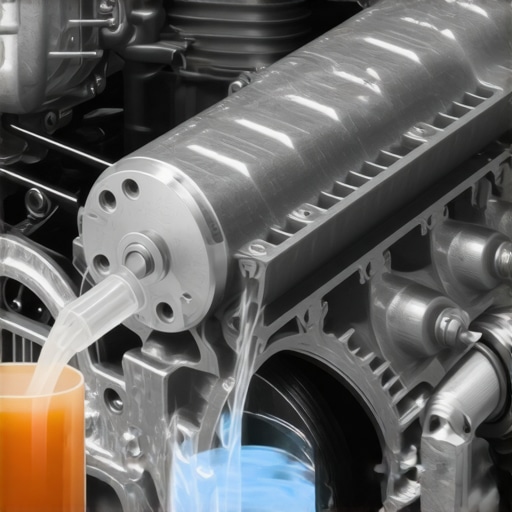
Identify the drain plug, usually at the oil pan’s lowest point. Position your drain pan beneath it. Carefully loosen the drain plug using the correct wrench, allowing the oil to flow out steadily. Think of this step like draining a bathtub: opening the valve slowly prevents splashes and controls flow. Be cautious—hot oil can cause burns. I once hurried this step, spilling hot oil on my hand—lesson learned: patience is critical here.
Handle Disposal Responsibly
Once drained, seal the old oil in a container for recycling. Never pour it down the drain or onto the ground. Many service centers accept used oil; check local regulations. Proper disposal protects the environment and keeps you compliant. After this step, I took the used oil to a recycling center, feeling relieved I wasn’t contaminating the local water supply.
Replace the Oil Filter Carefully
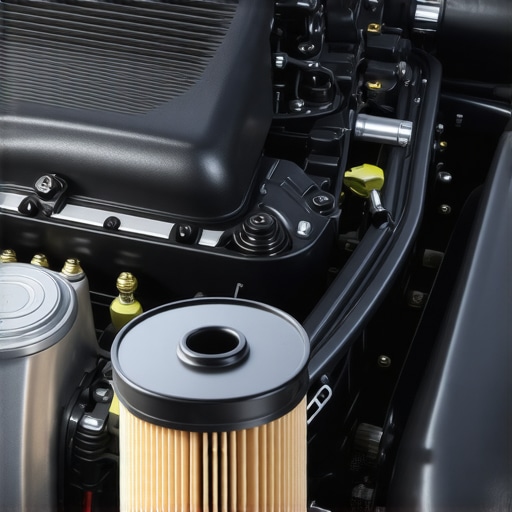
Use an oil filter wrench to remove the old filter. Take note of its orientation to match the new one. Apply a little fresh synthetic oil to the gasket of the new filter to ensure a good seal. Install the new filter by hand until snug, then tighten slightly with the wrench—avoid over-tightening, which can damage the gasket. Think of the filter like a cap on a bottle—cross-threading creates leaks. I once overtightened, causing a leak, and had to redo the process, emphasizing the importance of careful torque.
Refill with Premium Synthetic Oil
Check your vehicle’s manual for the exact oil capacity and type. Pour the new synthetic oil through the fill port, using a funnel to avoid spills. Start by adding about 80% of the recommended amount, then check the level with the dipstick. Add more until the oil reaches the proper level—overfilling can cause foaming and reduce lubrication, so precision matters. I used my phone’s flashlight to read the dipstick at dusk, ensuring I got the level just right.
Double-Check Everything and Test Drive
Secure the oil fill cap tightly. Start the engine and let it run for a few minutes to circulate the new oil. Inspect underneath for leaks around the filter and drain plug. Turn off the engine and wait a couple of minutes, then recheck the oil level, topping off if necessary. During a test drive, listen for unusual noises and monitor engine temperature. This practice mirrors ASE standards for thoroughness—something I now prioritize after experiencing a minor oil leak from a poorly tightened filter earlier that week. Regular maintenance like this not only prolongs your engine’s life but also keeps your turbocharged ride performing at its peak. For comprehensive tips, visit top oil change tips for safe driving in 2025 and why regular oil changes extend your car’s lifespan. Ensuring proper technique now will save you costs later and keep those high-performance engines humming smoothly.Many car owners believe that oil changes are simply a routine task—drain the old, replace the filter, fill up with synthetic or conventional oil, and call it a day. However, this oversimplification overlooks critical nuances that can significantly impact your vehicle’s longevity and performance. One common myth is that all oils are created equal, leading many to opt for cheap alternatives, thinking that price equates to quality. In reality, synthetic oils offer superior oxidation resistance and better thermal stability, especially in high-performance engines, as highlighted in a SAE (Society of Automotive Engineers) study. Skimping here can accelerate engine wear, especially under demanding conditions.
Another misconception is that frequent oil changes are unnecessary if the engine isn’t showing warning signs. In fact, neglecting regular oil maintenance allows contaminants to accumulate and oil to degrade faster, which can cause catalytic converter damage or piston ring wear. Regularly scheduled oil changes, aligned with the manufacturer’s recommendations, are essential—not just for engine health but also for optimal fuel efficiency. You can learn more about how consistency in maintenance extends your car’s lifespan by visiting why regular oil changes matter.
Diving deeper, many drivers are unaware of the complexities surrounding transmission care. Transmission fluid, for instance, isn’t just a lubricant; it acts as a coolant and hydraulic fluid. Over time, it can break down or become contaminated, leading to slippage or shifting issues. Contrary to what some believe, a simple check might not reveal the full story—getting a professional diagnosis ensures you don’t miss early signs of trouble. For advanced insights, consider reading transmission maintenance tips from experts.
Now, let’s address a question that confuses many: How do you truly know if your car service provider is qualified? Often, assuming that a shop displaying a generic seal or offering a low price guarantees quality can be risky. ASE certification, for example, is an industry standard indicating a technician’s expertise in diagnostic and repair skills. An ASE-certified technician not only understands the nuances of modern car systems but also adheres to rigorous standards, reducing the odds of overlooked issues or unnecessary repairs. To verify your mechanic’s credentials, you might find this helpful: what does an ASE certification really mean.
Be mindful of the oops pitfalls—like neglecting transmission fluid changes or assuming that the cheapest oil is sufficient. These mistakes can escalate minor issues into costly repairs. Regular, expert-driven maintenance rooted in understanding these nuanced details is your best defense.
Have you ever fallen into this trap? Let me know in the comments. For more tips on choosing the right car service, check out selecting a shop that meets your needs. Staying informed about these hidden nuances can save you money and keep your vehicle running smoothly for years to come.
Investing in Reliable Equipment for Your Car Care Routine
Maintaining a vehicle for the long haul demands more than just knowledge; it requires the right tools that can handle the complexities of modern automotive systems. I personally rely on high-precision torque wrenches, which ensure I tighten components like oil filters and drain plugs to manufacturer specifications—over-tightening can lead to leaks, while under-tightening risks part failure. Trust me, using a digital torque wrench with memory settings has saved me from redoing jobs and prevents potential engine damage.
Another indispensable tool is a quality scan tool capable of reading OBD-II codes across a broad spectrum of modules. Unlike generic code readers, my ASE-certified scanner provides live data, allowing me to monitor transmission pressures, sensor outputs, and readiness monitors. This depth of information helps diagnose issues early, from trans fluid degradation to subtle sensor faults that can affect shifting performance.
For transmission care, a fluid test kit like the FluoroSonic is invaluable. Instead of blindly guessing, I check the condition and additive depletion of the fluid, which previous methods ignored. This proactive approach can extend the transmission’s life significantly, aligning with expert advice found in transmission maintenance insights from industry professionals.
How do I keep my tools effective over time?
Regular calibration is key. Torque wrenches and electronic scan tools drift from their original settings over months or even weeks of use. I schedule calibration at least annually through manufacturer-approved services—this ensures accuracy when dealing with critical components like the oil pan or transmission seals. Additionally, storing my tools in a clean, dry environment prevents corrosion and malfunction caused by humidity. It’s a small investment in time but pays dividends during vehicle maintenance.
Looking ahead, I predict that as vehicles become more dependent on electronics, the integration of advanced diagnostic software will become even more essential. Technologies like wireless diagnostics paired with AI-based troubleshooting could revolutionize how we maintain our cars, making repairs faster and more precise. In the meantime, equipping your garage with a solid set of calibrated, professional-grade tools will keep your maintenance safe, effective, and budget-friendly.
Are there key practices for long-term tool effectiveness?
Absolutely. Regularly updating your diagnostic software ensures compatibility with newer vehicle models. Cleaning mechanical tools after each use with appropriate solvents prevents rust and debris buildup that compromise precision. Furthermore, investing in a good quality tool storage cabinet keeps your equipment organized and protected, avoiding accidental damage that could render them unusable when you need them most.
If you’re serious about keeping your vehicle in top condition, try calibrating your torque wrench before your next oil change or transmission service. This small step can make a significant difference in ensuring sealed components stay tight and functioning properly—an easy yet often overlooked aspect of preventive maintenance. For additional insights on how to select the best tools for your needs, visit choosing the right car service tools.
The Hardest Lesson I Learned About oil change,ASE certified,transmission,car service
My journey into automotive maintenance taught me that prioritizing quality and expertise isn’t just smart—it’s vital. Skimping on synthetic oil or rushing through a service can lead to unexpected breakdowns, especially with high-performance turbo engines. The most valuable insight? Always trust seasoned professionals with ASE certification, as their knowledge can save you thousands in repairs and extend your vehicle’s lifespan.
Stepping Beyond the Checklist: Why I Now Choose Certified Specialists
Initially, I believed that quick, budget-friendly oil changes were enough. However, experience revealed that certified technicians pay attention to the little details—precise torque specs, proper disposal methods, and correct fluid types—that make a huge difference. Their expertise ensures your turbocharged engine receives the attention it deserves, preventing issues like premature wear or poor fuel efficiency. For those serious about vehicle longevity, verifying ASE credentials should be your first step.
My Toolbox for Long-Term Vehicle Confidence
Over the years, I’ve curated a set of reliable tools that have become indispensable: a calibrated digital torque wrench, a comprehensive OBD-II scan tool, and a quality transmission fluid test kit. These tools empower me to perform accurate diagnostics and maintenance, reducing reliance on guesswork. I’ve learned that regularly calibrating my equipment and trusting reputable sources like industry-standard tools ensures consistent results and keeps my engine running smoothly against the demanding conditions of modern turbo engines.
Here’s What Waiting Could Cost You
Neglecting proper lubrication and timely transmission care isn’t just about inconvenience—it’s about risking your engine’s future. Small issues like oil leaks or fluid degradation can snowball into expensive repairs if left unaddressed. Implementing proactive maintenance routines, like routine oil changes with synthetic lubricants and professional diagnostics, has transformed my relationship with my vehicle. Remember, investing in proper care today is the smartest way to enjoy worry-free driving tomorrow. Curious about how to optimize your vehicle’s performance? Dive into top oil change tips for safe driving in 2025.
Insider Wisdom: Lessons I Wish I Knew About Engine Love
- Rushing the oil change process can lead to overlooked leaks or improper filter seating. Patience and attention to detail matter more than you think.
- High-quality synthetic oil isn’t just for performance; it’s essential for protecting turbocharged engines under intense heat and pressure.
- Verifying the credentials of your mechanic—like ensuring they’re ASE-certified—can be the difference between a routine service and costly repairs.
- Regular transmission checks and fluid changes, supported by diagnostic tools, prevent subtle issues from becoming major headaches.
The Road Ahead for Enthusiasts Like You
Embracing the nuances of engine care transforms maintenance from a chore into a safeguard for your passion. With the right knowledge, tools, and trusted professionals, you can keep your turbocharged engine responsive and reliable for years to come. Don’t settle for mediocrity—strive for excellence in every oil change and service appointment. So, what’s the one maintenance habit you’re going to start this month to protect your high-performance vehicle? Drop a comment below and share your plans—I’d love to hear your journey towards better engine health.