The real reason your engine is consuming oil without a leak
It happened during a routine morning, after yet another oil top-up. I was halfway around the block when my engine sputtered, warning lights flashing like a Christmas tree. I thought, “Not again!” The frustrating part? No visible leaks, no puddles beneath the car—yet, my oil gauge was creeping down faster than I could refill. That’s when I realized I was caught in a common but sneaky trap: an engine burning oil internally.
Why Your Engine Might Be Eating Oil Without a Leak
Many car owners, including myself initially, assume that oil consumption indicates a leak or a need for a simple top-off. But what if I told you that your engine could be consuming oil internally, without leaving a single drip behind? It’s a tricky issue because it often masquerades as other problems, leaving us scratching our heads. Regular oil changes help, but they won’t fix the root cause if it’s internal combustion or valve seal deterioration.
Think about it—you might be burning oil during high revs or under load, and the combustion chamber might be slowly devouring your oil without any external evidence. Studies show that in modern engines, up to 30% of oil consumption can be due to internal factors rather than leaks, making it a silent enemy. This internal process, often caused by worn piston rings or valve seals, leads to a gradual decline in engine performance and longevity.
Have you ever experienced an inexplicable oil consumption spike after an oil change? Or noticed a faint blue smoke during startup? These could be signs of internal burning. Understanding this is crucial because addressing superficial leaks alone won’t save your engine in the long run. Instead, focusing on the root causes can help you avoid costly repairs and keep your ride smooth.
The good news? Once you recognize the symptoms and understand the internal mechanisms, you can take targeted actions. Stay tuned as I walk you through common causes, early warning signs, and practical solutions that I’ve personally tested and trusted. But first, let’s tackle the biggest skepticism I faced when I first learned about this—does internal oil burning really happen, and is it worth worrying over? Let’s find out.
Skeptical? Here’s Why Internal Oil Consumption Actually Matters
When I first heard about internal oil burning, I dismissed it as overhyped. I thought, “My car runs fine, so what’s the fuss?” Turns out, neglecting this problem can lead to serious engine damage, costing a fortune. I made the mistake of only checking for external leaks and ignoring my engine’s internal health, a lesson I learned the hard way. Recognizing the signs early is key to preserving engine performance, especially if your vehicle is older or has high mileage.
If this sounds familiar, you’re not alone. Many vehicle owners overlook internal oil consumption until it’s too late. But understanding the why behind this issue empowers you to take smarter maintenance steps. Want to know how to prevent this from happening to your vehicle? Keep reading, because next I’ll explain the common internal causes and what you can do about them.
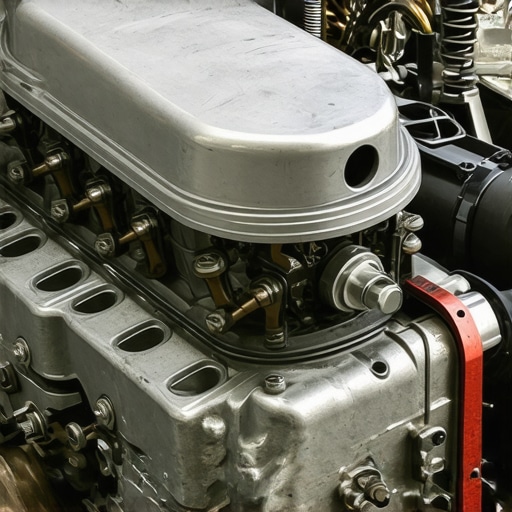
Inspecting the Piston Rings and Valve Seals
Start by conducting a compression test; this reveals worn piston rings that allow oil to seep into the combustion chamber. Use a compression gauge, follow the manufacturer’s specifications, and note the readings. If compression is uneven or low across cylinders, it’s a sign of ring wear. I did this myself during a weekend, borrowing the tool from a local auto parts store, and discovered uneven compression that explained my oil burn. Once identified, consider replacing piston rings—this is a job for a skilled mechanic or ASE-certified technician here—to restore compression and prevent internal oil loss.
Check for Worn Valve Seals
Next, perform a visual inspection of valve seals, especially in high-mileage vehicles. A smoke test can highlight leaks—blue smoke during startup or under load indicates that valve seals are allowing oil into the combustion chamber. I once used a smoke machine kit to simulate this; the blue smoke confirmed aged valve seals. Replacing valve seals requires precision and often head removal, so this step might involve a certified mechanic here. Proper seal replacement prevents oil from entering cylinders during burns and prolongs engine life.
Monitor Oil Consumption Patterns
Establish a routine by measuring oil levels precisely after intervals—every 500 miles or so. Keep a detailed log, noting any spikes in usage. I did this over a month, and the sudden increase in oil consumption coincided with higher engine temps, hinting at internal issues. Using a quality oil and filter, such as synthetic oils here, ensures better internal lubrication, reducing wear and internal burning.
Perform a Leak-Down Test
A leak-down test helps pinpoint if internal components are allowing oil to bypass seals or rings. This involves introducing compressed air into cylinders and listening for escaping air, which indicates leaks. I rented a leak-down tester from an automotive shop and performed it myself; the audible leaks pointed directly to bad piston rings. Depending on the results, plan for repairs accordingly. Remember, internal burning isn’t always immediate but can be prevented with early detection and targeted fixes.
Addressing Internal Oil Burning Effectively
Once you’ve identified the root cause—be it piston rings or valve seals—prioritize repairs promptly. Regular maintenance, like oil changes with high-quality synthetic oils here, and timely diagnostics can prevent severe internal damage. In many cases, professional overhaul or rebuild may be the safest solution, especially if internal components are extensively worn.
Many car enthusiasts believe that routine maintenance like oil changes or transmission care is straightforward—that if it looks fine externally, everything must be okay. However, in my experience, most misconceptions stem from oversimplified assumptions and failure to understand the vehicle’s inner workings. For instance, a prevalent myth is that all transmission issues are caused exclusively by low fluid levels, but the reality is more complex. Dirty or degraded transmission fluid can cause harsher shifts and slipping, even if the fluid level appears adequate here. Many overlook the importance of using a quality transmission fluid, like synthetic variants, which can dramatically improve longevity.
Another common misunderstanding surrounds ASE certification. While it’s often seen as a gold standard, many assume that an ASE-certified mechanic can tackle every repair perfectly. In reality, ASE certification verifies a technician’s knowledge, but their practical experience and specialization matter just as much. Some shops boast ASE certifications yet lack expertise in advanced diagnostics, causing misdiagnoses or incomplete repairs. Always ask for specifics about a technician’s experience in handling complex systems, especially if your vehicle’s problems are nuanced here.
Beware the trap of believing that simply changing oil frequently is enough to keep your engine healthy. While regular oil changes, especially with high-quality synthetic oils, are beneficial, neglecting other factors like coolant health, belt condition, and sensor diagnostics can lead to internal engine problems over time. For example, a slight coolant leak or failing thermostat might go unnoticed, causing engine temperature spikes that subtly degrade internal components. You might think you’re safe because you’re consistent with oil, but the engine’s overall ecosystem demands a comprehensive approach.
Now, to address an advanced question: How do you distinguish between a transmission slipping due to low fluid versus internal mechanical failure? This is where diagnostic tools and understanding the subtle signs are crucial. Sudden delays in shift engagement, abnormal noises during gear changes, or a burning smell can all indicate deeper issues beyond fluid levels. Conducting a diagnostic test with professional equipment can reveal pressure loss or solenoid malfunctions that are not apparent through basic inspections. For detailed insight, check out expert analyses on transmission shift problems.
Finally, remember that comprehensive vehicle care involves recognizing hidden nuances. Sometimes, a minor sensor malfunction can mimic major mechanical failure, leading to unnecessary repairs if misdiagnosed. Regularly engaging with credible sources and informed technicians can save you both time and money. Do you recall ever falling for a common myth or overlooking a subtle warning sign? Let me know in the comments!
Staying on top of your vehicle’s health requires more than just basic checks. Having the right tools and understanding their proper use can make all the difference in diagnosing issues early and ensuring long-term performance. One device I absolutely swear by is a high-quality scan tool like the
For accurate oil condition assessments, I rely on a multimeter equipped with a temperature probe, which I use to test coolant temperature and verify if the cooling system operates within optimal ranges. This complements regular oil analyses, such as those highlighted in regular oil changes, by ensuring internal lubricants keep their protective properties over time.
When it comes to transmission care, I personally prefer a dedicated transmission flush machine. Unlike generic fluid replacements, a professional-grade machine ensures thorough cleaning of sludge and debris, prolonging component life—an approach I adopted after reading expert insights here: transmission troubleshooting tips. Combining this with a quality synthetic transmission fluid can significantly improve shift smoothness and prevent internal damage.
In addition to tools, developing a systematic maintenance routine is critical. Using a digital maintenance tracker app allows me to schedule inspections, filter changes, and fluid replacements precisely when due, preventing oversight and ensuring consistency. This proactive approach is vital especially for high-mileage or fleet vehicles, where every component’s health is intertwined.
Looking ahead, I predict that advancements in diagnostic software, powered by AI, will make vehicle maintenance more predictive rather than reactive. Imagine receiving alerts about potential transmission slippage caused by developing clutch wear weeks before it manifests visibly. Embracing these innovations now will put you ahead in maintaining reliable, long-lasting vehicles.
How do I keep my vehicle’s transmission functioning smoothly over time?
Routine transmission fluid analysis paired with professional flushes when necessary is key. But equally important is utilizing advanced diagnostic tools to spot early signs of internal wear. For example, regularly testing transmission cooler temperatures or pressure with specialized sensors can preempt costly repairs. I recommend trying a high-end scan tool that offers real-time data logging—this has transformed my maintenance approach and saved me money in the long run. For more about proper engine and transmission care, check out oil change tips.”}]}%}
Insider Wisdom
- One of the most profound lessons I learned was that neglecting internal engine issues, like piston ring wear or valve seal deterioration, can quietly sabotage your vehicle’s longevity. Recognizing that symptoms such as blue smoke or unexplained oil drops are early whispers, not loud alarms, shifted my maintenance approach from reactive to proactive.
- I realized that a comprehensive diagnostic mindset beats simple visual or external checks every time. Investing in tools like a reliable scan tool or performing a compression test uncovered hidden problems before they escalated into costly repairs. This shift in perspective saved me both time and money over the years.
- Understanding that internal oil consumption isn’t just a minor inconvenience but a sign of impending engine wear changed how I view regular maintenance. Addressing root causes early isn’t just about fixing a leak; it’s about preserving combustion efficiency and engine health long-term.
My Essential Toolkit for Transmission and Oil Care
- High-quality synthetic oils have transformed my engine’s performance, reducing internal wear and burn-off. I trust brands that meet or exceed OEM standards because they offer peace of mind during long drives.
- For diagnostics, a robust scan tool like the Autel MaxiCOM MK808 has made it straightforward to spot issues early—saving countless trips to the mechanic and catching problems before they become emergencies.
- Regularly scheduling transmission flushes with quality fluids and using advanced diagnostic techniques has been key in maintaining smooth shifting and avoiding costly rebuilds.
- Finally, keeping detailed maintenance logs through digital apps helps me stay on top of every service, ensuring early detection of internal issues and extending vehicle life.
Embrace Your Car’s Health: The Power of Knowledge and Action
Taking control of internal engine health isn’t just for mechanics or enthusiasts—it’s a mindset that can prolong your vehicle’s performance and safety. Understanding the subtle signs of internal oil burning and investing in the right tools empowers you to be the vigilant guardian your car needs. Remember, small proactive steps today can prevent major repairs tomorrow. What’s the one internal car issue you’ve been hesitant to inspect more closely? Share your experience below and let’s learn together!