How to Diagnose a Whining Sound That Increases with Engine RPM
It happened on a chilly Saturday morning, just as I was pulling out of my driveway. My car suddenly erupted into a loud, high-pitched whine that seemed to grow louder as I revved the engine. Frustration crept in. Had I ignored a problem? Was my vehicle doomed to a costly repair? That nagging noise was more than just annoying—it was a signal that something needed attention. Like many car enthusiasts or everyday drivers, I’ve faced that unsettling moment when a whining sound increases with engine RPM, leaving you wondering whether to panic or to just turn up the radio. Today, I want to share how I cracked the code on that sound, so you don’t have to go down the same rabbit hole. We’ll explore the root causes, how to identify them, and most importantly, what steps you can take to keep your vehicle running smoothly.
Understanding the Whine: The First Clues to Pay Attention To
Is your engine’s scream worth worrying about?
Many folks dismiss a whining noise as just a minor squeal, maybe from the accessory belt or a loose pulley. But an increasing pitch that rises with engine RPM often hints at a more serious issue, especially if it’s persistent and loud. The sound can come from various sources—power steering, alternator bearings, or even the transmission—each demanding a different approach to diagnose.
Early in my journey as a DIY enthusiast, I made the mistake of assuming that all whines would go away with a simple belt adjustment. Turns out, that was a rookie error. Misidentifying the origin of the noise only delayed the fix and led to more expensive repairs. It’s almost always better to take a systematic approach — listen carefully, observe when it happens, and consider recent service history.
One reliable tip I learned is that the specific characteristics of the sound—such as its tone, when it occurs, and under what conditions—can reveal its source. For instance, a whine that gets louder when you turn the steering wheel often indicates a power steering pump issue, which [can be fixed with routine maintenance](https://autofixclinic.com/stop-shifting-into-park-while-your-wheels-are-moving). But identifying these clues is just the first step. Next, we’ll look at how to zero in on the exact culprit so you can act before things turn costly.
Pinpoint the Source with Systematic Checks
Inspect the Power Steering System
Start by checking the power steering fluid level; low fluid often causes whines that increase with steering effort. Listen for the noise when turning the wheel; if it gets louder, the pump or belt may be the issue. To diagnose further, start the engine and turn the steering wheel slowly from lock to lock, noting any increased noise or resistance. I once faced this on my old van; after replenishing the fluid and tightening the belt, the whining disappeared, restoring smooth steering. For more insights, see this guide on power steering whines.
Examine the Alternator and Belts
Check Belt Condition and Tension
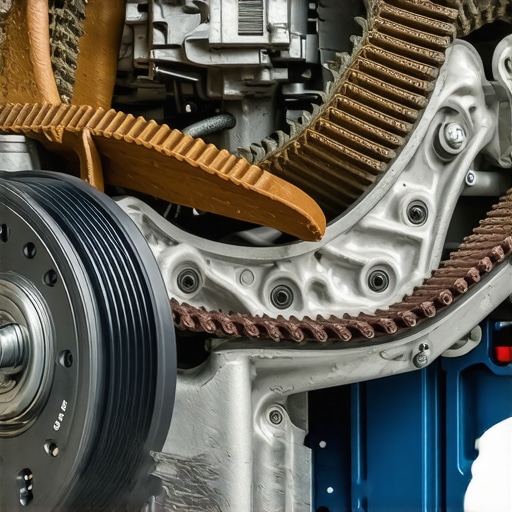
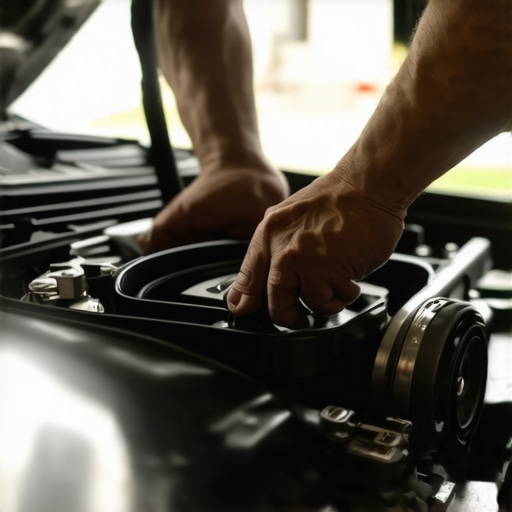
Loose or worn serpentine belts are common culprits. To verify, turn off the engine, and visually inspect the belt for cracks, glazing, or fraying. Use a belt tension gauge for precise tension measurement; a loose belt slips and causes a high-pitched squeal that varies with engine RPM. I had a similar case where tightening the belt with a standard wrench fixed the noise. Remember, belts should have about half an inch of deflection. If worn, replace them promptly to avoid more severe belt-driven accessory failures. Learn more at this article.
Investigate the Transmission and Noise Transmission Paths
Test Transmission and Fluid Levels
Sometimes, a whining noise can be transmitted through the transmission, especially if fluid levels are low or the fluid has degraded. Check the transmission fluid level when the engine is at operating temperature and the vehicle is in park or neutral, following your vehicle’s manual procedure. Look for dark, burnt-smelling fluid or metal shavings, which indicate internal wear. I once topped off my transmission fluid, which temporarily reduced the noise, but a full flush was needed soon after. To avoid future issues, schedule regular fluid exchanges—it’s crucial, especially for high-mileage vehicles. For details on signs of internal transmission problems, see this resource.
Assess Accessories and Bearings
Listen for External Suspension or Belt-Driven Components
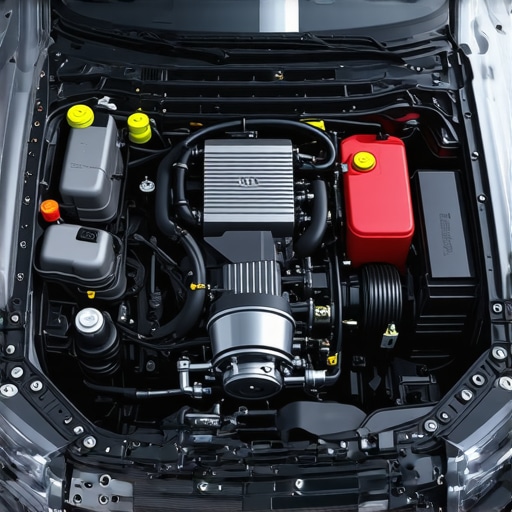
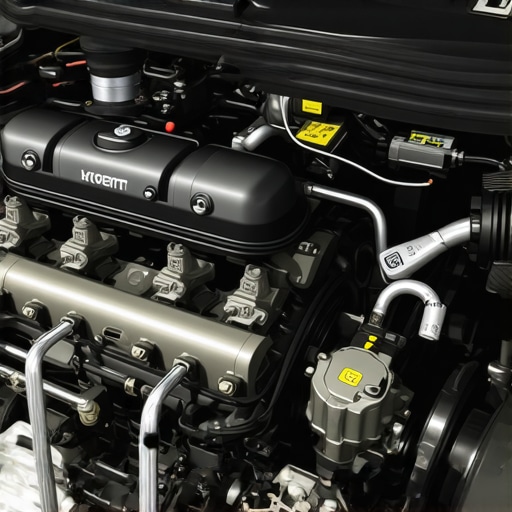
Components like idler pulleys, tensioners, or wheel bearings can produce whines that mimic engine or belt noises. With the engine running, listen closely near the engine bay and wheels. Use a mechanic’s stethoscope or a long screwdriver, placing the tip on suspected parts to amplify the sound, and listen through the handle. Occasionally, a bearing may be worn out, causing a high-frequency whine that changes with vehicle speed. During one repair, I identified a failing alternator bearing by this method; replacing the alternator eliminated the noise completely. Regular inspection of these parts prevents roadside breakdowns. For a detailed explanation, visit this article.When it comes to vehicle care, many drivers rely on widespread beliefs or superficial understandings that can lead them astray. Let’s debunk some of these misconceptions and shed light on advanced nuances that can significantly impact your car’s longevity and performance.
Why Believing That Oil Changes Are Just About the Oil May Be Mistaken
Most people think an oil change is a simple matter of swapping out dirty oil for clean. While that’s fundamentally true, the real nuance lies in understanding the quality of the oil used and the importance of oil analysis, especially for high-mileage or performance vehicles. Using synthetic oils, for instance, isn’t just a luxury—it’s a strategic choice that reduces engine wear and improves efficiency over time. Some quick-lube shops may push cheaper, lower-quality filters or oils, which can actually harm your engine by starving critical seals or clogging vital passages. An expert-favored approach emphasizes the importance of adhering to manufacturer recommendations and considering synthetic options, particularly when your driving involves extreme conditions or heavy loads.
Many Think Transmission Servicing Is A One-Size-Fits-All Meal
Transmission maintenance is often misunderstood as a straightforward fluid change, but modern transmissions are complex, and their servicing requires nuanced understanding. For example, some vehicles benefit from flushing their transmission fluid, while others might be harmed by it, especially if the fluid’s breakdown has led to sludge or debris buildup that can get stirred up and cause more harm. Moreover, the type of transmission fluid matters—using the wrong specification can impair shifting and reduce component lifespan. An often-overlooked nuance involves cooling systems for transmissions; neglecting to inspect or replace transmission coolers can lead to overheating, which is a silent killer of transmission life. Check out this article to understand early signs of cooler failure and prevent costly repairs.

One common misconception is that any ASE certification automatically ensures impeccable service. However, the truth is that ASE certifications are a baseline indicator of technical knowledge, not a guarantee of specializing in complex modern systems or identifying subtle issues. It’s crucial to seek out technicians with certifications relevant to your vehicle’s technology—such as L1 advanced diagnostics—especially for newer hybrid or turbocharged engines. This subtlety can make the difference between a quick fix and a prolonged, costly misdiagnosis.
Beware of the trap that more frequent service always equals better longevity. Recent studies indicate that following manufacturer-recommended intervals, especially with high-quality synthetic oils, can extend the life of your vehicle without unnecessary expenses. For example, this research suggests that 10,000-mile oil change intervals are viable with proper oil selection and monitoring.
In conclusion, approaching your car’s maintenance with a nuanced perspective—understanding the specific needs dictated by your vehicle’s design and operating conditions—can save you money and prevent breakdowns. Don’t fall into the trap of one-size-fits-all advice. Instead, dig deeper, ask your mechanic for detailed explanations, and stay informed. Have you ever fallen into this trap? Let me know in the comments!Maintaining your vehicle effectively over time requires more than just basic knowledge; it demands **the right tools and a strategic approach**. As an enthusiast or a professional, investing in quality equipment can **save you money**, **prevent breakdowns**, and **extend your car’s lifespan**. One of my top recommendations is a **digital multimeter**—I personally use a **Fluke 115** for its **precision and durability**. It’s invaluable for diagnosing electrical issues like faulty sensors or wiring faults, especially when an engine check light appears unexpectedly. Additionally, **OBD-II scanners** such as the **BlueDriver** have revolutionized diagnostics. They allow me to **read and clear error codes**, monitor live sensor data, and **pinpoint issues faster**—saving hours of guessing work.
Another tool I rely heavily on is a **belt tension gauge**—specifically, the **Sturtevant-Rannoch** model. Proper belt tension is crucial for preventing squeals and ensuring accessories like the alternator and power steering pump operate smoothly. I measure tension precisely, ensuring the belt deflects within manufacturer specifications. For instance, many belts should have about **½ inch of deflection at specified tension**. Regularly checking this prevents **preventable failures and costly repairs**.
In terms of long-term treatment, I recommend **engine oil analysis kits**—such as those offered by **Blackstone Labs**. While not a regular expense, performing **oil tests periodically** can reveal **wear metals**, **contaminants**, and **additive depletion**—giving insights well before any symptoms manifest. Personally, I send a sample every **30,000 miles** for my classic car, catching issues early.
Looking into the future, **automation and smart diagnostics** will become increasingly integrated into our vehicle maintenance routines. Advances in **connectivity** and **AI**, for example, will likely offer **predictive maintenance alerts**, **remote diagnostics**, and **automatic scheduling**—making DIY maintenance even more precise.
**How do I maintain the reliability of my car tools and diagnostics over time?** Regular calibration and updating of software are vital. For example, always ensure your **OBD-II scanner firmware** is current; manufacturers frequently release updates that improve compatibility and feature sets. Also, **keep your multimeter’s probes clean and check calibration annually**—a simple step that ensures ongoing accuracy.
If you want to boost your maintenance skillset, try calibrating your **belt tension gauge** this month or running a **comprehensive oil analysis** in your next service cycle. These small but significant steps can help you **detect potential issues early** and **maintain your vehicle’s performance** for miles to come. For detailed guidance on diagnostics, visit this resource.
Lessons That Changed My Approach To Car Care
- Never underestimate the power of understanding your vehicle’s unique needs; a one-size-fits-all approach can lead to costly mistakes.
- Realizing that the quality of fluids and parts—like synthetic oil or proper transmission fluid—can significantly extend your car’s lifespan was a game-changer for me.
- Getting ASE-certified was not just a badge, but a reminder that continuous education and specialization lead to better diagnostics and repairs.
- Over time, I learned that trusting an experienced technician who stays updated on the latest technology saves money and reduces frustration.
My Go-To Resources for Smarter Car Maintenance
- Blackstone Labs Oil Analysis Kits: These allow me to catch early signs of engine wear and avoid unexpected breakdowns, keeping my vehicle in prime condition.
- High-Quality Diagnostic Tools like BlueDriver: They empower me to read error codes myself, understand what’s happening under the hood, and communicate more effectively with mechanics.
- Relevant Industry Blogs and Forums: Websites like Autofixclinic have honest insights and detailed guides that help me make informed decisions about maintenance intervals and repair strategies.
- Manufacturer Service Manuals: They provide specifications and procedures tailored exactly to my vehicle, ensuring I follow the most reliable maintenance practices.
Your Next Miles Start with A Fresh Perspective
Maintaining your vehicle with a nuanced understanding of oil changes, transmission health, and the value of ASE certification can truly make a difference. The road to reliable, long-lasting driving begins with staying curious and proactive—so don’t hesitate to dive deeper. What’s one car maintenance myth you’ve uncovered that changed your approach? Share your story below!