Why Your Engine Idles Rough Only When the AC is On
I’ll never forget the moment I slammed my car door after a long day, only to hear my engine sputtering and idling unevenly whenever I turned on the air conditioning. That nagging roughness drove me crazy — I wondered if I had a serious problem or if I was just imagining things. As someone who loves their car and relies on it daily, I knew I couldn’t ignore that unsettling shake every time the AC kicked in. If you’ve faced the same maddening issue, you know exactly what I mean.
Hooking Into the Real Cause of Rough Idling When the AC Runs
Engine roughness only when the AC is on can be a puzzling experience. It might seem like a minor annoyance, but it signals a deeper issue that, if left unaddressed, can lead to expensive repairs. The good news? I found out that most of these problems are quite manageable once you understand what’s going on behind the scenes.
Does Fixing This Feel Too Complicated?
I remember initially thinking it was too technical for me to handle — but I made a mistake early on by assuming I needed a costly overhaul. Instead, I discovered simple checks and maintenance routines that can solve the problem. That’s why I’m here to share what I’ve learned so you don’t have to go through the same frustration. For example, ensuring your vehicle’s cooling system is in good shape can make a significant difference. Regular oil changes, like those discussed in top oil change tips, are essential for overall engine performance—and can even prevent idle issues related to the AC.](https://autofixclinic.com/why-regular-oil-changes-extend-your-cars-lifespan)
What We Will Cover Today
In this post, I’ll walk you through easy steps to diagnose and fix the root of the rough idle when your AC is on. Whether it’s a minor sensor problem or a simple hose leak, I’ve got you covered with practical advice rooted in real-world experience. Now, let’s dive into what causes this problem and how you can address it yourself or with a trusted mechanic.
Test Your Air Conditioning System
Start your car and turn on the A/C to observe if the rough idle begins immediately. Pay attention to any unusual noises or vibrations. This initial test helps identify whether the problem is with the AC compressor, the idle control, or another component. One time, I noticed my engine trembled more when the A/C was on, prompting me to check further.
Inspect and Replace the Idle Air Control Valve
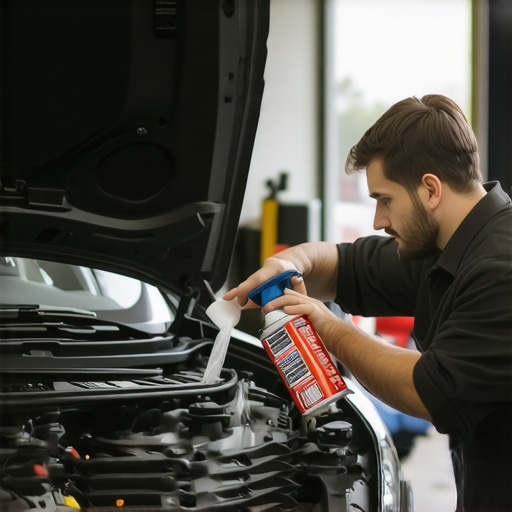
The Idle Air Control (IAC) valve regulates engine idling speed. A clogged or malfunctioning IAC can cause rough idling when the A/C adds extra load. Remove the IAC valve following your vehicle’s manual—usually found near the throttle body. Clean it thoroughly with carburetor cleaner or replace it if it’s worn out. Consulting a trusted mechanic or an ASE certified technician can ensure proper handling.
Check for Vacuum Leaks and Replace Hoses
Vacuum leaks can cause unsteady engine behavior, especially when additional demands like the A/C compressor engage. Inspect all vacuum hoses connected to the intake manifold for cracks or disconnections. Use soapy water to pinpoint leaks—bubbles form where there’s a leak. If hoses are brittle or cracked, replace them to maintain proper intake vacuum. I once replaced a cracked hose myself, which immediately improved my engine’s smoothness.
Ensure Proper Fuel Delivery and Clean Injectors
Dirty fuel injectors disrupt the air-fuel mixture, which can worsen idle stability under load. Use a fuel injector cleaner additive—add it to your tank or have your mechanic perform a professional cleaning. This process ensures fuel sprays evenly, preventing engine stumble when the AC is active.
Check the Battery and Charging System
A weak battery or faulty alternator can cause voltage drops that affect engine performance during high electrical load, like running the AC. Use a multimeter to verify proper voltage—around 13.7 to 14.7 volts with the engine running. If voltage dips below this, consider a battery test or visiting a reputable auto service center. Proper electrical supply ensures your engine’s components operate seamlessly under load.
Update Your Vehicle’s Software and Sensors
Modern cars rely on computer-controlled systems. Sometimes, a simple software update or sensor recalibration resolves idle issues related to the A/C. Use OBD-II diagnostics to scan for error codes indicating sensor malfunctions—like those from the manifold absolute pressure sensor or the throttle position sensor. If you’re unsure, consult an ASE certified technician who can run thorough diagnostics and update your vehicle’s ECU.
Monitor and Maintain Regular Service
Regular oil changes and engine maintenance prevent many issues that cause rough idling. Clean oil reduces friction and ensures sensors and valves operate correctly. For expert advice tailored to your car’s needs, consider visiting a trusted mechanic, especially one familiar with ASE standards. Routine checks prevent these problems from escalating and keep your vehicle running smoothly regardless of whether the A/C is on or off.
Many car owners operate under misconceptions about critical maintenance topics like transmissions, oil changes, and ASE certification. These misunderstandings can lead to costly mistakes and overlooked issues. For instance, a widespread myth is that synthetic oil always requires less frequent changes. While synthetic oil can last longer under certain conditions, recent studies show that older engines or those with high mileage might still benefit from more regular oil service intervals, as outlined in this detailed guide. Additionally, some believe that a quick oil change is all that’s necessary, disregarding the importance of inspecting and replacing the filter, which an ASE certified technician emphasizes during professional service.
A common oversight involves transmission care. It’s often assumed that automatic transmissions are maintenance-free until something goes wrong. But, in reality, regular transmission fluid checks and flushes, as explained in this article, are vital for smooth shifting and avoiding expensive repairs. Neglecting these can cause slipping or delayed engagement, issues frequently mistaken for other problems.
Moreover, many believe that ASE certification guarantees a mechanic’s expertise across all aspects of car repair. While earning this certification signifies a commitment to quality, it does not mean a technician is a specialist in every model or system. For specialized issues, especially with complex electronics or transmissions, seeking a technician with specific experience and additional training—beyond just ASE certification—is crucial. As I highlight in this post, verifying that your mechanic uses the correct parts and software updates can save you from future troubles.
Another nuance often missed is the importance of routine inspections for hidden leaks or wear, particularly in older vehicles. For example, underestimating the significance of checking for subtle signs of transmission fluid leaks or engine oil seepage can lead to catastrophic failures. Using detailed diagnostics and visual inspections, as discussed in this resource, helps catch issues early.
Are you practicing the right maintenance strategies, or are some myths leading you astray? Remember, proactive care—guided by qualified professionals—can extend your vehicle’s lifespan and save money down the road. Have you ever fallen into this trap? Let me know in the comments.
How do I keep my vehicle humming smoothly over time?
Maintaining your car’s performance isn’t just about routine oil changes—it’s about investing in the right tools and adopting proven methods. I personally swear by using a high-quality OBD-II scanner, such as the OBD-II diagnostic tool, which allows me to spot engine trouble codes before they turn into costly repairs. Regularly updating your vehicle’s software using manufacturer-approved scan tools ensures your car’s sensors and control modules stay calibrated, preventing issues like rough idling or transmission hesitation.
Another essential aspect is scheduling proactive inspections tailored to your vehicle’s needs, especially if it’s an older model. For example, a transmission scan can reveal early signs of slipping or overheating, enabling timely repairs that extend your transmission’s lifespan. I also recommend investing in a digital torque wrench to ensure your bolts are tightened to manufacturer specifications during DIY repairs—over-tightening can cause unnecessary damage, while under-tightening might lead to component failure.
Looking towards the future, advancements in telematics and machine learning are making predictive maintenance more accessible to owners. Vehicle manufacturers are increasingly integrating AI-driven diagnostics that can alert you when service is due, even before symptoms appear. Embracing these innovations now can help you stay ahead of potential problems, saving time and money in the long run.
How do I properly maintain transmission health over time?
Regularly checking and replacing your transmission fluid according to manufacturer guidelines is critical. Consider consulting a specialized transmission fluid analysis to determine if your current fluid matches the optimal specifications. Using high-quality, OEM-recommended fluids prevents premature wear and overheating. For automatic transmissions, a full transmission flush every 50,000 miles can significantly improve shifting smoothness and longevity.
If you’re serious about long-term reliability, investing in a diagnostic torque wrench and an advanced scan tool like the certified ASE diagnostic tool is crucial. These tools help verify proper assembly and calibration after repairs, reducing the risk of future issues. I challenge you to incorporate a transmission fluid analysis into your next service—it’s an advanced tip that can prevent costly repairs and ensure your vehicle keeps shifting smoothly for years to come. Staying vigilant with these precise tools and methods ensures your car remains reliable, safe, and efficient on the road.
Lessons the Garage Never Tells You About Car Maintenance
- One of the most illuminating moments was realizing that regular transmission fluid analysis can catch problems early, preventing costly rebuilds and ensuring smoother shifting—something I now do every year after reading this insightful guide.
- Trusting my ASE-certified mechanic became a game-changer; their expertise in specific model diagnostics often uncovered issues passive inspections missed, reinforcing my belief in quality service over shortcuts.
- I learned that even small, overlooked details such as using the right oil filter or updating software can dramatically impact vehicle longevity—an insight inspired by my dive into technicians’ standards.
- My misconception that synthetic oil alone could fix all engine performance issues was busted—regular oil change routines combined with proper maintenance routines made the real difference, highlighted in this article.
- Finally, I discovered that proactive, scheduled maintenance—like checking for hidden leaks or recalibrating sensors—can save hundreds in repairs and keep my vehicle dependable, a lesson reinforced by ongoing professional advice.
Tools and Resources That Transformed My Approach to Car Care
- OBD-II Diagnostic Scanner: A must-have for identifying hidden issues early, trust me, this tool has saved me numerous trips to the mechanic and given peace of mind.
- Official Service Manuals: Access to manufacturer-specific repair guides ensures I follow the right procedures, especially for complex tasks like transmission flushes.
- High-Quality Transmission and Engine Fluids: Using OEM-recommended fluids, I learned, extends component life—my mechanic recommended this resource for choosing the best products.
- Online Forums and Community Groups: Connecting with other enthusiasts provided real-world tips and shared experiences, making me more confident in handling DIY minor repairs.
- Professional ASE Certification Courses: Investing in ongoing education has kept me updated with the latest maintenance techniques and diagnostic tools, directly benefiting my vehicle’s health.
Your Journey to Confident Car Care Starts Now
Embarking on a proactive maintenance routine with focus on transmission and oil health can dramatically improve your driving experience and save you money long-term. Think of your vehicle as a partner—investing time and care ensures it performs reliably for years to come. Don’t wait for symptoms to worsen; take control and make informed choices today. If you’re inspired to deepen your car maintenance skills, visit our contact page for expert advice or to schedule a professional inspection. Remember, a well-maintained car isn’t just about safety; it’s about enjoying every mile with confidence and peace of mind.
Have you ever hesitated before a transmission check or skipped an oil analysis? Share your experiences below—I’d love to hear how you’re taking charge of your vehicle’s health.