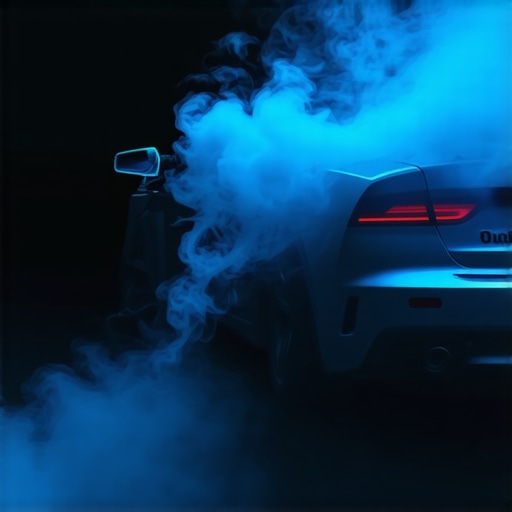
The Scary Meaning of Blue Smoke from Your Exhaust Pipe
It was a chilly Saturday morning when I first noticed the peculiar bluish tint billowing from my car’s exhaust. At first, I brushed it off as just another quirk of my aging vehicle. But as the smoke persisted, my stomach knotted. I knew something was wrong—deep down, I felt that pit-of-the-stomach dread that every car owner fears. That moment of realization hit me hard: blue smoke isn’t just a harmless quirk; it can be a sign of serious internal trouble.
Why You Shouldn’t Ignore Blue Smoke from Your Exhaust
Blue smoke from the exhaust pipe can feel like a little warning bell ringing in the background, but trust me, it’s warning you of something more serious. If you’ve noticed this elusive haze and dismissed it as just a bit of engine oil burning off, think again. Overlooking these signs can lead to costly repairs, or worse, complete engine failure.
I made the mistake early in my mechanic journey by assuming that a little oil smoke was normal for high-mileage engines. It took a costly lesson and countless hours studying diagnostics to realize that blue smoke isn’t something to ignore. Instead, it’s a red flag that your engine might be burning oil due to worn piston rings or valve seals. According to experts, burning oil can cause engine damage if unaddressed—so it’s better to catch the problem early.
Curious if your vehicle might be suffering from this problem? Keep reading, and I’ll guide you through what it means and how to handle it. Today, I’ll share proven steps that can save you money and extend your car’s lifespan. If you want to understand why regular maintenance like an [oil change](https://autofixclinic.com/top-oil-change-tips-for-safe-driving-in-2025) is crucial, or how to spot early signs of engine trouble, stick with me.
Will Blue Smoke Really Lead to Engine Failure?
Many skeptics think blue smoke is just a minor inconvenience, but the truth is, unchecked oil burning can cause serious damage—sometimes irreversible. The key is timely diagnosis and intervention. Have you ever experienced persistent smoke and wondered if it’s normal or a sign of impending doom? Trust me, I’ve been there.
Now, let’s dig into what causes blue smoke, how to confirm its presence, and what actionable steps you should take. Staying informed about these signals is part of being a responsible car owner. So, let’s get started—your engine will thank you.h2>Check your oil level and condition
Recently, I faced blue smoke out of my vehicle, and the first step I took was to verify the oil level using the dipstick. A low or dirty oil amount often indicates oil burning issues. Ensure the oil is at the recommended level and looks clean; if not, it might be time for an oil change, which is essential in maintaining engine health (see tips here).
Inspect piston rings and valve seals
Worn piston rings or valve seals are common culprits behind blue smoke. To diagnose, perform a compression test or leak-down test, preferably with professional tools. I remember renting a compression tester from my local auto parts store and following a tutorial to get accurate readings. A significant drop in compression indicates the need for piston ring replacement, a task that may require an ASE-certified mechanic (more on ASE certification).
Perform a thorough oil change and filter replacement
Changing the oil is a straightforward yet crucial step. Drain the old oil, replace the oil filter with a high-quality one, and refill with fresh, manufacturer-specified oil. During my own experience, I used a synthetic oil recommended for high-mileage engines, which helped reduce oil burning over time. Proper filtration prevents debris from causing further engine wear. Remember, regular oil changes extend your car’s lifespan and prevent issues like blue smoke (see why it matters).
Inspect valve seals and replace if needed
The valve seals prevent oil from entering the combustion chamber. Worn seals allow oil to seep in, causing blue smoke. I replaced mine after watching a step-by-step video, paying close attention to safety and cleanliness. This task involves removing the cylinder head, which is best performed by a qualified technician. Proper seal replacement restores proper engine sealing and reduces oil consumption.
Assess the PCV valve
The Positive Crankcase Ventilation (PCV) valve helps regulate engine pressure and oil fumes. A clogged or malfunctioning PCV valve can contribute to oil burning and blue smoke. I checked mine by removing it and shaking it—if it rattled freely, it was good. If not, a replacement was in order. Regular inspection or replacement of the PCV valve can prevent excessive oil consumption and maintain emission standards.
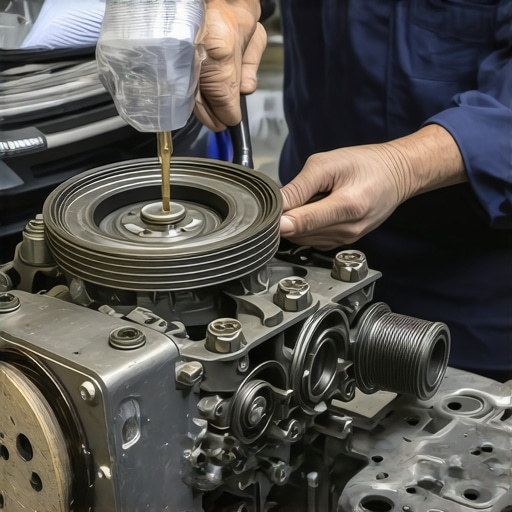
Illustration of a mechanic inspecting and replacing piston rings and valve seals to fix blue smoke issues.
Test drive and confirm the fix
After completing repairs, take your car for a test drive. Observe the exhaust fumes; if the blue haze has diminished significantly or vanished, the issue is resolved. If smoke persists, further diagnostics may be necessary, such as checking for turbocharger issues or internal engine damage. Consulting with an ASE-certified technician can ensure comprehensive diagnostics and proper repairs (learn more about ASE mechanics).
Many car owners believe that simple actions like routine oil changes or choosing an ASE-certified mechanic guarantee their vehicle’s longevity and performance. However, beneath these common assumptions lie nuanced details that can significantly impact your car’s health. For instance, many think that all oil changes are created equal, but in reality, the type of oil and the expertise of the technician make a huge difference. Using synthetic oil, for example, offers superior protection, but only if the technician understands when and why to recommend it, rather than just upselling. Similarly, believing that every ASE certification is equivalent can lead to misguided trust. While ASE-certified mechanics have proven competence, not all specialties are equal, and some certifications, like L1 diagnostic, showcase advanced skills that can identify complex issues before they escalate. Don’t assume that any shop boasting ASE certification will handle complex transmissions or electronic diagnostics optimally; always verify their specialties.
Misconceptions also extend to transmission care. Many think a simple fluid change is enough, but newer transmissions require a more nuanced approach, such as a complete flush with the correct fluid type, especially in modern turbocharged and CVT models. Overlooking this can cause premature wear or catastrophic failure. Understand that transmission components are a delicate balance of hydraulic and mechanical systems; improper maintenance or neglect can lead to slipping, shuddering, or complete breakdown. For instance, a common mistake is ignoring subtle signs of transmission slipping, which, if addressed early with the right diagnostics, can save thousands of dollars and prevent breakdowns.
Now, let’s consider some less obvious pitfalls. For example, many overlook that the quality of their transmission fluid directly influences shift smoothness and component longevity. Cheap or incorrect fluid types can cause build-up and corrosion, especially as fluids age and degrade. External studies, such as one published by the Society of Automotive Engineers, emphasize that using the correct, high-quality fluid matched to your vehicle’s specifications is essential for optimal transmission performance.
Have you ever fallen into this trap? Let me know in the comments. Being aware of these nuances ensures you’re not just covering the basics but truly optimizing your vehicle’s lifespan and performance. Remember, a well-informed owner is an empowered owner—so next time you schedule your service, ask detailed questions about the procedures and products used. Your car will thank you.Maintaining your vehicle’s transmission and engine health requires the right tools and a systematic approach. Personally, I rely on a high-quality digital inspection scope, such as the Autel MaxiScope, which allows me to diagnose complex electrical and sensor issues accurately without invasive procedures. This device connects via OBD-II and provides real-time data, helping me identify subtle faults early. Additionally, a magnetic drain plug magnet is invaluable for catching metallic debris during an oil change, giving me a heads-up on internal wear before it becomes catastrophic. Regular use of an infrared thermometer helps me monitor transmission and engine component temperatures, ensuring they stay within optimal ranges, especially during test drives. For software, I prefer using OEM diagnostic programs like Bosch’s KTS series, which can access manufacturer-specific codes and adapt to newer vehicle models more effectively than generic scanners. These tools have become indispensable, especially given the rapid evolution of automotive electronics. Looking ahead, the integration of AI-driven diagnostics promises even quicker and more precise troubleshooting, reducing downtime and repair costs.
### How do I maintain transmission performance over time?
Honestly, the secret lies not just in regular fluid changes, but in adopting a preventive mindset. Incorporate diagnostic checks using advanced tools monthly, verify fluid health visually and analytically, and stay vigilant for early signs of slipping or shuddering. Remember, a proactive approach, combined with quality tools, extends the lifespan of your transmission and helps avoid costly repairs. For example, repeatedly inspecting your transmission fluid’s smell and color, using a dedicated dipstick or sensor, can reveal overheating or contamination before damage occurs. For detailed guidance on fluid maintenance, I recommend exploring [this article](https://autofixclinic.com/why-your-gearbox-whines-like-a-jet-engine-during-acceleration). Don’t wait for symptoms—try elevating your maintenance routine with a high-precision diagnostic scanner and see the difference in your vehicle’s longevity and smoothness.
Avoid the Pitfalls: Lessons Nobody Tells You About Engine Care
If I could turn back time, I’d tell my younger self that every sign of engine trouble, especially blue smoke, is a chapter in your vehicle’s story that shouldn’t be ignored. The biggest lesson I learned is that trust in quick fixes or assumptions—like thinking a little oil smoke is normal—can accumulate into costly repairs. Engine issues hide behind seemingly minor symptoms, and facing them head-on with the right knowledge can save you thousands and prolong your car’s life. The true insight? Regular, proactive maintenance and understanding your vehicle’s signals are priceless tools that empower you as a car owner—because your vehicle only tells you what it’s willing to share when you listen carefully.