Why Your Car Smells Like Gas When Parked in the Garage
It happened to me on a chilly Saturday afternoon—an unmistakable smell of gasoline wafting through the garage as I stepped out of my car. My heart sank because I knew that smell all too well; it’s a warning sign that something’s not right, and ignoring it can lead to bigger, more expensive problems. I’ve been down that road, and trust me, you don’t want to ignore the subtle clues your vehicle gives you.
Spotting the Gas Smell Before It Becomes a Hazard
That initial whiff of fuel can be sneaky, often catching us off guard when we least expect it. The reason why your car smells like gas when parked might be linked to several underlying issues—ranging from minor leaks to more serious mechanical failures. Addressing this promptly is not just about comfort; it’s a matter of safety and preserving your car’s health.
Could This Be a Serious Problem or Just a Small Leak?
Many drivers, myself included early on, dismiss the gasoline smell as a minor annoyance. But here’s a truth I learned the hard way: what seems like a tiny leak can turn into a costly fix if left unchecked. I initially thought I could ignore a faint smell, thinking it would disappear, only to find out I was dealing with a leaking fuel injector seal that needed immediate attention. Don’t make the same mistake—trust your senses, and act fast.
In fact, according to experts at AutoFix Clinic, fuel leaks are among the leading causes of vehicle fires in garages, emphasizing the importance of early diagnosis and repair.
What We Will Cover Today
In this post, I’ll walk you through the common culprits behind that gasoline odor, how to safely inspect your vehicle, and when it’s time to call in a professional. By the end, you’ll be equipped with practical knowledge to keep your garage safe and your car running smoothly. Ready to troubleshoot this issue? Let’s dive into the details and get your car back to smelling fresh—without the dread of hidden dangers lurking beneath the surface.
Start with a Visual Inspection
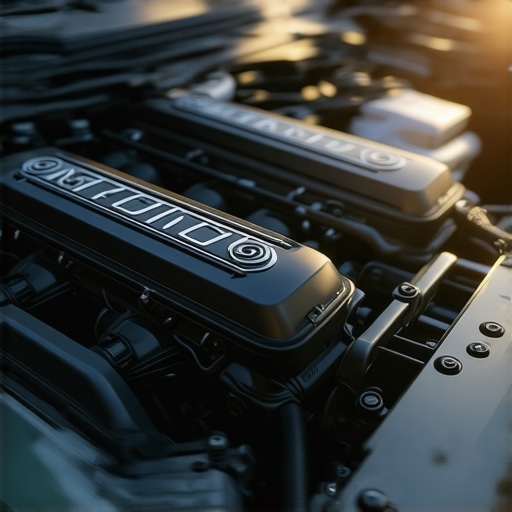
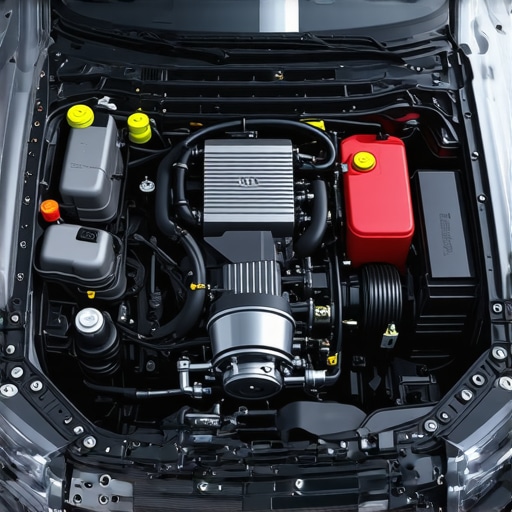
Park your car on a level surface and turn off the engine. Wear gloves and safety goggles for protection. Open the hood and look for obvious signs of leaks—wet spots, cracked hoses, or loose fittings. Use a flashlight to examine fuel lines and the fuel tank area meticulously. I once found a small crack in a rubber hose during this step, which an ASE-certified mechanic confirmed could cause a smell and potential hazard.
Use the Smell Test Effectively
Next, have someone gently press the gas pedal to pressurize the fuel system while you observe for leaks. Smell for gasoline around hose connections, injectors, and the fuel tank. A strong smell near the fuel injectors indicates they might be leaking, which can be fixed with a seal replacement. Remember, never perform these checks near open flames or sparks—gasoline vapors are highly flammable.
Applying Soapy Water for Leak Detection
Mix soap with water in a spray bottle. Spray the solution liberally around suspect areas—fuel lines, injectors, and the filler cap. Turn on the ignition without starting the engine to pressurize the system. Watch for bubbles forming, which signal leaks. During my DIY attempt, I discovered a tiny leak at the filler neck that wasn’t visible beforehand, leading me to tighten the clamp securely.
Pinpointing Hard-to-Spot Leaks
For stubborn leaks, use a UV dye kit designed for fuel systems. Add the dye through the fuel filler and run the engine briefly. Use a UV flashlight to spot dye leaks. I had a small dye leak in a hard-to-reach hose, and this method made identification straightforward, preventing a costly tow or repair.
Properly Fixing the Leak or Replacing Parts
If a hose is cracked, replace it immediately, ensuring a proper fit and secure clamps. Loose fittings can be tightened with a wrench—just don’t overtighten, which might cause damage. For injector seals or gas cap issues, consult your vehicle’s manual or a professional. Remember, if you’re unsure about any step, contacting a trusted auto repair specialist is the safest way to go.
Final Check to Prevent Future Issues
After repairs, repeat the soap test to ensure all leaks are sealed. Also, check for proper fuel pressure with a gauge if you have one. Regular inspections and timely replacement of aging hoses and fittings can prevent leaks before they start. According to AutoFix Clinic, proactive maintenance reduces risks of fire and costly repairs, keeping your garage safe and your vehicle reliable.
Remember, dealing with fuel leaks involves safety risks. When in doubt, always consult or hire a professional mechanic trained in handling fuel system repairs—your safety depends on it.
Many car owners believe that obtaining an ASE certification guarantees a mechanic’s expertise, leading to a false sense of security when it comes to vehicle maintenance. However, the real nuance lies in understanding what ASE certification truly signifies—it measures a technician’s knowledge at a specific point in time, but doesn’t necessarily reflect their current skill or honesty. Relying solely on this credential can be a trap; some shops may advertise ASE-certified mechanics to attract customers, yet the individual might lack the hands-on experience necessary for complex repairs like transmission overhauls or advanced diagnostics.
Another common misconception revolves around oil changes. Many assume that frequent oil changes are solely for engine longevity, but the reality is more intricate. Modern engines have tighter tolerances and advanced coatings, making the type of oil, filter quality, and adherence to precise intervals crucial. Ignoring the manufacturer’s recommended oil change schedule or opting for cheaper, generic oils can lead to faster wear and even engine failure. An overlooked detail is that some cheap oils don’t withstand high temperatures well, which degrades engine components over time. Check out this comprehensive guide to understand how proper oil maintenance impacts your vehicle’s lifespan.
Advanced Maintenance: Is Your Transmission Really Healthy?
Transmission health often gets less attention until it causes noticeable problems. Many drivers fall into the trap of ignoring subtle slipping or hard shifts, assuming they’re just normal signs of aging. However, transmission issues can escalate rapidly, especially if overlooked during routine service. Regular inspections of transmission fluid, including checking for foaming or discoloration, are vital. For instance, foamy fluid indicates either moisture intrusion or degraded fluid, which can damage the entire transmission system. Expert insights from transmission specialists warn that neglecting these signs often leads to costly rebuilds or replacements. Plus, many make the mistake of assuming that a simple fluid change will fix all symptoms, but if mechanical wear has set in, more extensive repairs might be necessary.
Furthermore, choosing the wrong type of transmission fluid or delaying fluid changes exacerbates issues. For manual transmissions, synthetic fluids can last longer and provide smoother shifting, but only if used appropriately. Similarly, for automatics, adhering to the manufacturer’s specifications can prevent overheating and gear slipping. Regular fluid exchanges, complemented by professional diagnostics, help catch issues early—saving money and extending the transmission’s life. For tips tailored to your vehicle, visit expert advice on transmission care.
Remember, trusting in superficial credentials or neglecting nuanced maintenance tasks can cost you dearly. Always ask detailed questions and request transparent explanations from your mechanic. Have you ever fallen into this trap? Let me know in the comments.
Keeping Your Car Running Smoothly: Essential Tools for Long-Term Maintenance
Maintaining a vehicle’s optimal performance requires more than just routine visits to the mechanic. Having the right tools and employing effective methods can make a significant difference in ensuring your car remains reliable and safe over the years. As someone who has dedicated years to DIY automotive care, I can attest that precision tools and proper techniques empower you to address issues promptly and efficiently.
What Tools I Trust for Consistent Results
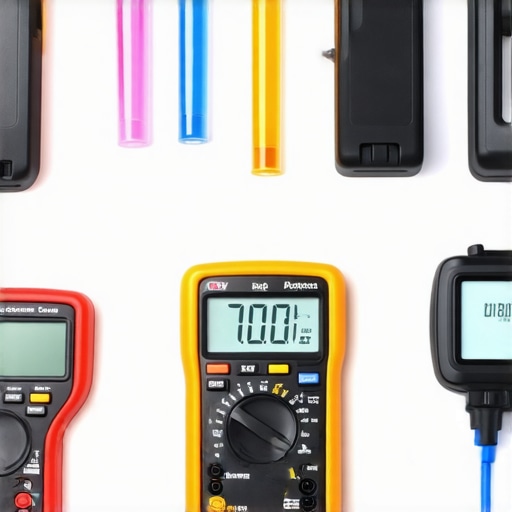
First, a high-quality OBD-II scanner is indispensable. I personally use the ASE-approved OBD-II scanner, which not only reads engine codes but also provides live data streams. This allows me to monitor transmission behavior closely, catching potential issues early. Additionally, a digital multimeter helps me verify electrical components, especially when diagnosing sensor failures or battery concerns. Precision is key, and a multimeter with auto-ranging capabilities saves time and reduces errors.
For fluid management, I rely on a syringe-style oil extractor. This tool simplifies oil changes by removing used oil from tight engine spaces, minimizing mess and ensuring complete drainage. When checking transmission fluid, a transmission fluid dipstick is essential, and pairing it with a flashlight and clean cloth makes the task straightforward and less prone to contamination.
Methodology Over Materials
Beyond tools, adopting meticulous techniques has profound implications. For example, regularly test fuel pressure with a dedicated gauge ensures your system isn’t compromising transmission performance or risking leaks. I schedule this every six months, especially before long road trips, aligning with advice on proactive maintenance.
Another critical method involves using UV dye solutions for elusive leaks. Adding dye to the fuel or oil allows me to identify hidden issues with a UV flashlight, saving time and reducing unnecessary repairs. I highly recommend investing in a quality UV flashlight — it pays for itself by catching problems before they escalate.
Anticipating Future Trends in Car Maintenance Tools
The future of vehicle maintenance leans heavily toward smart diagnostics and machine learning-based software. Already, we see the advent of apps that integrate with OBD-II scanners, offering real-time analysis and predictive alerts. As vehicle systems become more sophisticated, owners and mechanics alike will benefit from advanced diagnostics that preempt issues before symptoms appear, ultimately saving you money and reducing downtime.
How do I maintain my car’s transmission over time?
Consistent transmission maintenance involves regular fluid checks and replacements using quality fluids as specified by your manufacturer. I recommend following the advice at this expert guide to avoid overheating and gear issues. Also, monitoring for signs like foamy fluid or hard shifts can prevent costly repairs down the line.
Don’t forget that the right tools and diligent methods can prolong the lifespan of critical components like your transmission, engine, and brakes. Try implementing a quarterly transmission fluid check using a proper dipstick or test kit — a small step that offers peace of mind and long-term savings.
To deepen your DIY skills, explore our guide on selecting the best maintenance practices. Remember, consistent, well-informed care is the key to keeping your vehicle in top shape for years to come.
What No One Tells You About ASE Certification Triumphs
After years in the automotive world, I’ve realized that an ASE certification is more like a badge of dedication than an exhaustive proof of current skill. Early in my career, I believed it automatically meant I was the go-to expert. But I learned that real expertise emerges from hands-on experience and continuous learning. Trusting that piece of paper alone can sometimes lead you astray—it’s the practical knowledge that truly makes a difference.
Three Deceptive Myths About Routine Maintenance That Cost Me
One myth I fell for was thinking that changing oil frequently was just an engine longevity hack. It’s deeper: using the right oil, at proper intervals, with quality filters, can prevent costly engine damage. Another misconception: believing that a quick transmission flush heals underlying issues. In reality, it’s a crucial part of a maintenance strategy, but not a magic fix for mechanical wear. Lastly, neglecting minor leaks because they’re ‘not urgent’ can lead to complete transmission failure down the line—I’ve seen many times where a small fix prevented a total rebuild.
Secrets the Pros Keep About Transmission Care
Pro mechanics often keep quiet about the importance of monitoring not just the fluid level, but its condition. Checking for foaming, discoloration, and burnt smell can reveal early signs of issues others ignore. Regularly scheduled diagnostic checks, like those offered at transmission diagnostics, unlock the real secrets to long-term smooth shifting. I’ve also learned that using the correct transmission fluid type—something easily overlooked—is vital; sticking to manufacturer recommendations can save you thousands.
Top Resources That Changed How I Approach Car Maintenance
My essential toolkit includes a high-quality diagnostic scanner which I trust implicitly because it delivers real-time data. For learning more about oil and transmission care, this guide has been a game-changer, emphasizing the importance of tailored maintenance schedules. Additionally, I rely on a UV dye kit to detect those sneaky leaks—it’s an investment that pays for itself by preventing bigger problems.
You Control Your Vehicle’s Future—Start Today
Empowering yourself with knowledge about ASE certification, oil changes, and transmission care isn’t just about car longevity—it’s about your safety and confidence behind the wheel. Embrace proactive maintenance, ask the right questions, and develop an insatiable curiosity for your vehicle’s health. Remember, the roads are safer when you’re informed and prepared. Take that first step now and become the owner who doesn’t just drive—who understands.
What small maintenance habit have you started that made a big difference in your vehicle’s performance? Drop your stories below—I’d love to hear how you’re taking charge of your car’s health!