How to Protect Your Paint from Tree Sap and Bird Droppings
I remember the first time I parked my brand-new car under a sprawling tree, only to find it covered in sticky sap and a messy coat of bird droppings the next morning. That sudden jolt of frustration hit hard—my shiny paint, now marred and dull. It was a lightbulb moment that made me realize how vulnerable our vehicles truly are. If you’ve ever stared at those stubborn stains and wondered how to keep your car looking pristine without spending a fortune at the detail shop, you’re not alone. Today, I want to share my personal strategies for protecting your paint from these pesky intruders, backed by real-world experience and expert advice.
Why Protecting Your Car’s Finish is More Important Than Ever
In our busy lives, we often overlook basic car maintenance, assuming a good wash will suffice. But the harsh reality is that environmental factors—like tree sap and bird droppings—can cause significant damage if not addressed properly. Tree sap, for instance, is composed of sticky resins that can harden and etch into your clear coat, leading to permanent paint damage. Bird droppings, rich in acids, can eat through the paint layer in a matter of days if left untreated. According to experts, these substances can weaken the protective clear coat, causing dullness, discoloration, and in severe cases, rust formation.
If you’re serious about maintaining your vehicle’s value and appearance, understanding how to prevent and remove these threats is crucial. From my own mishaps, I learned that quick action and a few preventative measures can save you hundreds in repairs down the line. Don’t let a moment of neglect turn your investment into a costly nightmare.
Is Regular Washing Enough to Keep Your Paint Safe?
Initially, I thought that frequent washes would do the trick, but I soon realized that standard cleaning doesn’t always cut through stubborn sap or tough bird droppings. Early on, I made the mistake of using harsh scrubbing and aggressive chemicals, which only worsened the situation. Trust me, I learned the hard way that choosing the right cleaning products and techniques is vital. For instance, using a gentle, pH-balanced cleaner and soft microfiber cloth can make all the difference. If you’re unsure which products are best, I recommend reading about top oil change tips for safe driving [here](https://autofixclinic.com/top-oil-change-tips-for-safe-driving-in-2025) to ensure your car’s entire maintenance routine is on point.
Now that you’re aware of the potential damage and my personal lessons, let’s dive into the practical steps you can take to keep your paint pristine and protected from the perils of nature. Trust me, with a few simple precautions, your car will thank you for years to come.
Prep Your Workspace for Safe Car Care
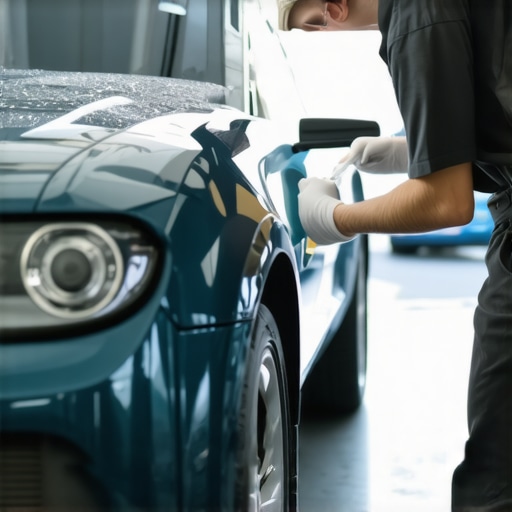
Before you start, find a shaded, dust-free area to wash your vehicle. Park on a level surface, turn off the engine, and gather all necessary supplies—microfiber cloths, pH-balanced cleaner, a soft sponge, and a detailing spray. This preparation minimizes the risk of scratching or damaging your paint during cleaning. Once, I made the mistake of washing my car in direct sunlight, which caused water spots and streaks; now, I always choose early mornings or late afternoons for a safer, streak-free finish.
Clean Off Surface Dirt Gently
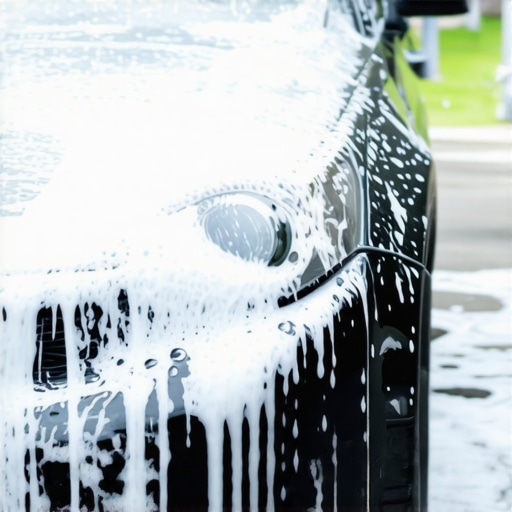
Start with a thorough rinse to remove loose dirt and debris. Use a high-pressure hose or a gentle stream of water to avoid scratching the paint. Working from top to bottom prevents dirt from settling on already cleaned areas. Remember, never scrub dry; dry rubbing can cause micro-scratches that dull your finish over time. I once aggressively wiped a patch of bird droppings with a rough cloth, which etched tiny scratches into my clear coat. After that, I always opt for a car-safe cleaner designed for bird droppings, which softens residues before removal. For stubborn stains, apply a small amount of specially formulated cleaner and let it sit for a few minutes, then gently wipe with a microfiber cloth.
Safely Remove Sticky Sap and Bird Droppings
Tree sap and bird droppings are tough enemies, but patience and proper techniques can save your paint. Use a dedicated tar and sap remover or an automotive-safe degreaser. Apply sparingly with a soft sponge, working in circular motions. For bird droppings, I recommend letting the cleaner sit long enough to dissolve the acids before softening the deposit with a microfiber towel. Avoid using household solvents like acetone or nail polish remover, which can strip the clear coat. Once removal is complete, rinse thoroughly. I learned this lesson one winter when I used a harsh solvent to remove sap, resulting in a dull patch that took weeks to polish out. To prevent future issues: apply a wax or sealant periodically, creating a barrier against tacky substances and bird droppings.
Polish and Protect the Surface
Applying a high-quality wax or paint sealant enhances shine and creates protection from environmental hazards. Use a soft applicator pad and work in small sections. Circular motions ensure even coverage. Let the wax cure as per product instructions—usually 10-15 minutes—then buff with a clean microfiber cloth. This extra layer helps water slide off, reduces bonding of contaminants, and makes future cleanings easier. I noticed my car stayed cleaner longer after applying a wax coat, and small stains were easier to remove. For a professional finish, consider a synthetic sealant or ceramic coating, which provides superior protection and lasts longer than traditional wax.
Routine Maintenance Keeps Damage at Bay
Develop a habit of quick daily inspections: check for new bird droppings or sap, especially after parking under trees. Keep your wash tools dedicated for your vehicle to avoid cross-contamination. Schedule regular full washes and waxing sessions—ideally every 3-4 months. Remember, prompt removal of environmental contaminants prevents them from etching into the paint. To learn more about maintaining all aspects of your vehicle, visit [the importance of regular oil changes](https://autofixclinic.com/why-regular-oil-changes-extend-your-cars-lifespan) and [transmission care tips](https://autofixclinic.com/transmission-troubles-expert-insights-for-smooth-shifting). Consistency and proper technique are your best defenses against costly repairs and dull finishes, keeping your car looking new for years.Many car owners believe that sticking to basic services and trusting generic advice is enough to keep their vehicles in top shape, but in reality, there are nuanced pitfalls that can undermine your maintenance efforts. One widespread myth is that oil changes alone are sufficient for transmission health, which isn’t true—transmission fluid needs specific attention and sometimes even separate servicing, as explained in [transmission troubleshooting insights](https://autofixclinic.com/transmission-troubles-expert-insights-for-smooth-shifting). Another common misconception is that earning an ASE certification automatically guarantees expert-level knowledge across all car systems; however, many mechanics with ASE credentials might specialize solely in oil changes or brake repairs, leaving vital systems like transmissions or drivetrain components less expertly managed. For instance, people often assume an ASE certification covers the entire scope of vehicle maintenance, but the reality is more nuanced—check out [what ASE certification really means](https://autofixclinic.com/what-does-an-ase-certification-mean-for-your-cars-maintenance) to understand its scope.
A crucial mistake many make involves over-relying on the idea that regular oil changes will prevent other serious issues. While timely oil changes extend engine lifespan, neglecting transmission fluid levels, condition, and other vital components can lead to costly failures. Moreover, many are unaware of the importance of using the right type of oil, as different engines require different viscosities and formulations; using the wrong oil can impair lubrication and accelerate wear. This is especially true with newer engines that depend on synthetic oils or specialized formulations. This nuance is often overlooked, leading to subpar performance and early component failure.
Advanced car maintenance involves understanding intricacies like fluid compatibility, proper service intervals, and the importance of professional diagnostics, which go beyond basic awareness. For example, mixing different brands of brake fluid or ignoring the specific transmission fluid recommended for your vehicle can cause damage, as highlighted in detailed guides like [the dangers of mixing brake fluids](https://autofixclinic.com/the-danger-of-mixing-different-brands-of-brake-fluid). Likewise, many fail to recognize that even the best oil change won’t compensate for worn transmission seals or malfunctioning solenoids in your transmission assembly. Recognizing these subtle details can save you from expensive repairs and ensure your vehicle’s longevity.
Be cautious of the trap of assuming that the lowest-priced service offers the same quality as a comprehensive, expert checkup—that’s often false economy. Always verify that your mechanic is experienced in transmission diagnostics or the specific service your vehicle needs, and don’t hesitate to ask for detailed explanations or diagnostics, especially for complex systems. An ASE certification, while valuable, isn’t a guarantee of expertise in every niche—learn more about selecting the right service provider [here](https://autofixclinic.com/choosing-the-right-car-service-for-your-vehicles-needs). Remember, proactive, nuanced maintenance tailored to your vehicle’s specific needs is the key to avoiding unexpected breakdowns and costly repairs.
Have you ever fallen into this trap? Let me know in the comments.
Essential Tools for Reliable Car Maintenance
Having the right equipment at hand makes all the difference in maintaining your vehicle’s longevity and performance. I personally rely on a high-quality digital multimeter, which helps me monitor battery health, check charging systems, and troubleshoot wiring issues with precision. Investing in a reliable code scanner, like the Autel MaxiCOM, has saved me countless trips to the mechanic by allowing me to read and clear diagnostic trouble codes (DTCs) myself, especially for complex systems like transmissions.
Why a Good Multimeter Matters
For example, measuring the voltage output from your alternator ensures you’re not over- or under-charging your battery, preventing unexpected failures. Modern multimeters are user-friendly and provide detailed readings, making them invaluable whether you’re diagnosing a simple dead battery or inspecting sensor signals for advanced systems.
Software Solutions for Modern Vehicles
Beyond physical tools, I recommend software like OBD-II diagnostic apps synced with Bluetooth adapters. These apps provide real-time data on engine parameters or transmission health, helping me identify issues before they escalate. They integrate seamlessly with smartphones, offering detailed insights whether you own an ASE-certified shop or a dedicated enthusiast.
Perfecting Your Maintenance Routine
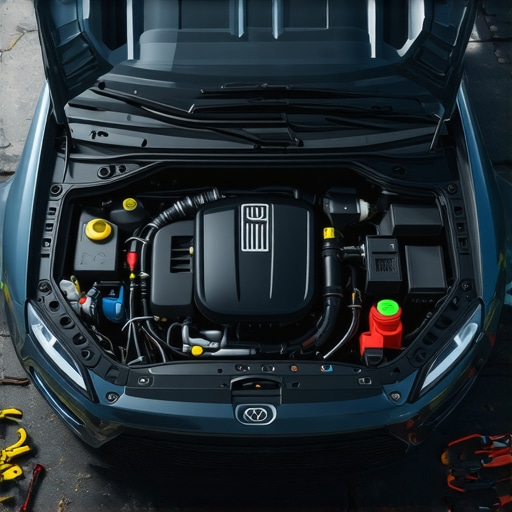
If you’re serious about your car’s health, establishing a disciplined routine is essential. Regularly inspecting fluid levels, replacing filters, and checking for irregular wear patterns can save you big $$$ down the road. For transmission systems, sticking to expert-recommended service intervals—often every 30,000 to 60,000 miles—is prudent. In fact, detailed insights from transmission troubleshooting experts highlight the importance of using manufacturer-specific fluids and avoiding aftermarket substitutes that may harm the system. I’ve found that combining diagnostic scans with physical inspections allows me to catch emerging issues early, especially with ongoing trends toward more sophisticated transmission control modules.
How do I maintain my systems over time?
In the future, expect diagnostic technology to become even more integrated into regular maintenance, with AI-driven tools that predict failures before they manifest. Staying current with the latest software updates and understanding your vehicle’s specific needs—as detailed in guides about ASE certification—ensures you’re always ahead of potential problems. Regularly updating your checklists and using proven tools like a professional-grade scan tool can enhance your maintenance quality significantly. For a hands-on approach, try scheduling a diagnostic session following a routine oil change or transmission checkup; it often reveals hidden issues that simple inspections might miss. Discover more about choosing the right car service for your needs to optimize long-term results and avoid unnecessary repairs.
Lessons From the Garage: What The Experts Won’t Say Out Loud
One of the hardest lessons I learned in maintaining my vehicle is that even the most trusted ASE-certified mechanics can sometimes overlook nuanced issues, especially with transmissions. I once believed that routine oil changes kept everything in check, but after a costly transmission repair, I realized the importance of specialized diagnostics and proper fluid maintenance. Don’t assume that a quick visit guarantees comprehensive care; digging deeper and understanding your vehicle’s unique needs makes all the difference.
Another lightbulb moment was discovering how misinformation about lifetime parts or generic fixes can lead you astray. For instance, believing that all transmission fluids are interchangeable could cause long-term damage. Educating myself through credible sources transformed my maintenance approach, saving money and preventing downtime. Remember, the devil is in the details, and being proactive with knowledge pays off in the long run.
I’ve also learned that cutting corners—like skipping professional diagnostics or neglecting manufacturer-recommended service intervals—can cost you dearly. My advice is to align your maintenance routine with expert guidance, utilize quality tools, and stay curious about how your vehicle truly functions. Sometimes, the most valuable lessons are rooted in costly mistakes, but with the right mindset, you can turn those experiences into long-term savings and better vehicle health.
Tools and Resources That Changed My Maintenance Game
My go-to resource has become a professional-grade OBD-II diagnostic scanner; it offers insights that I previously left to my mechanic. Brands like Autel MaxiCOM have proved invaluable in diagnosing transmission issues early, avoiding unnecessary repairs. I trust these tools because they empower me to understand what’s happening under my hood, giving me confidence when discussing repairs or maintenance with my mechanic.
For learning about proper fluid types and maintenance schedules, I often turn to detailed guides on reputable automotive sites. The article on why regular oil changes matter provided clarity on specific intervals and the importance of using manufacturer-recommended fluids, particularly for transmissions. It’s these resources, coupled with quality tools, that keep my vehicle running smoothly and prolong its lifespan.
Books like “Automotive Repair for Dummies” have supplemented my hands-on experience, making complex topics approachable. Plus, staying connected through forums and professional networks keeps me updated on the latest trends and issues. Remember, continual learning and investing in the right tools are keys to becoming your own best car advocate.
Seize Control and Keep Your Vehicle Running Like New
Your car is more than just a machine; it’s an investment that rewards your attention and care. Embrace the lessons learned, equip yourself with trusted resources, and take proactive steps today. With a little effort and curiosity, you can avoid costly repairs and enjoy the ride for years to come. Don’t wait for a breakdown—your best cars maintenance starts now.
What’s your biggest challenge when it comes to maintaining your vehicle’s transmission? Let me know below—it might just help others find their own breakthrough!