Why Your Engine Vibrates Violently While Idling at a Light
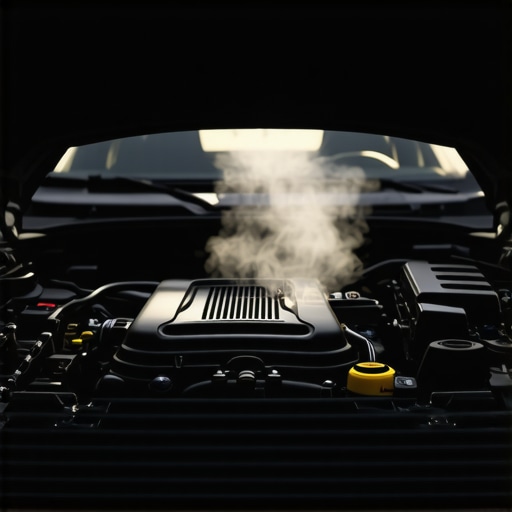
One sweltering afternoon, I was stopped at a red light, feeling a strange jolt through my steering wheel that made my stomach tighten. My engine was trembling like a leaf in a storm—something I’d never experienced in all my years of driving. That moment was a lightbulb flickering in my mind: my beloved car might be trying to tell me something serious. Turns out, engine vibrations during idling are more than just annoying—they can signal deeper issues that, if ignored, might lead to costly repairs.
Feeling the Vibe: Why Engine Vibrations Matter
Engine vibrations while idling can seem minor at first, but they often point to underlying problems that affect your vehicle’s performance and longevity. It’s not just about comfort; it’s about safety, efficiency, and saving money. I learned this the hard way, making early mistakes like ignoring the signs or assuming it was normal for an older car. Now, I always advocate for paying attention to those subtle cues—because, as I’ve discovered, addressing them early can prevent a breakdown on a busy street or a hefty bill later.
Skeptical About the Fix? Think Again
Early in my journey, I thought engine shaking was just an annoyance, nothing more. But trust me, overlooking it is a mistake. I remember just ignoring the rough idle during cold mornings—believing it was just part of my old truck’s charm. That was a big mistake. Proper maintenance and understanding the root causes can dramatically improve what feels like a minor inconvenience. For more insights into routine car maintenance that can keep your engine smooth, check out why regular oil changes matter.
So, what exactly causes an engine to vibrate so intensely at idle? The answer involves several common issues that can be diagnosed and fixed with a bit of know-how. In the following sections, I’ll walk you through the most common culprits, how to spot them, and simple steps you can take to restore your engine’s harmony.
Check Engine Mounts for Stability
Start by visually inspecting your engine mounts, which act like the bones holding your engine in place. Worn or broken mounts can cause excessive vibrations, especially at idle. To perform this check, securely open your hood, and look for cracked or displaced rubber cushions. If you notice movement when gently rocking the engine by hand, it’s a sign mounts are compromised. I once replaced mine after noticing a clunking noise during acceleration, and the engine trembling disappeared immediately, restoring smoothness to my ride.
Inspect Spark Plugs and Ignition Components
Next, focus on your spark plugs—think of them as the ignition’s spark that ignites your fuel-air mixture. Worn or misfiring spark plugs can cause uneven engine idling and vibrations. Remove a spark plug with a spark plug socket, examine for corrosion or carbon buildup, and replace if necessary. I swapped out my old plugs with high-quality ones, following the tips from top oil change tips, which made my engine run smoother and reduced vibrations significantly.
Test Fuel Injectors for Proper Delivery
The fuel injectors are responsible for delivering the precise fuel quantity into each cylinder. Clogged or leaking injectors cause misfires and vibrations. Use a mechanic’s stethoscope to listen for irregular clicking; irregular sounds suggest malfunction. For thorough diagnosis, consider professional cleaning from a qualified ASE-certified technician. I once had my injectors tested at a trusted shop, which identified a leaking unit. Replacing it restored my engine’s harmony during idling.
Examine Air Intake and Vacuum Hoses
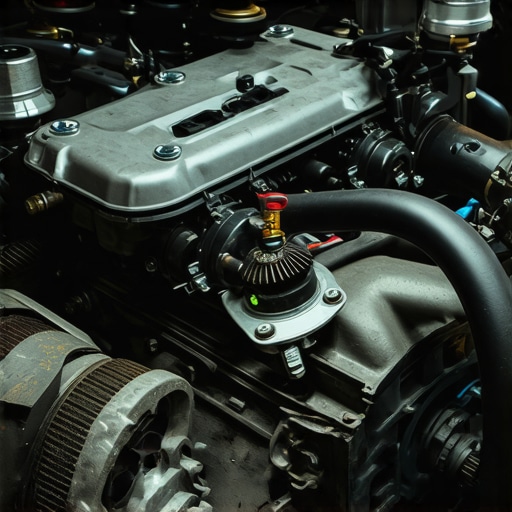
An air leak or disconnected vacuum hose can upset the air-fuel ratio, causing rough idling and vibrations. Visually inspect all hoses connected to the intake manifold for cracks or disconnections. Listening for hissing sounds while the engine runs can also pinpoint leaks. I used a smoke machine during a service session, which revealed a cracked vacuum line. Replacing it instantly smoothed out my engine’s idle and eliminated vibrations.
Assess Transmission and Drive Components
Vibrations may also originate from transmission issues or drive shaft problems, especially if they occur when shifting gears. Check for loose bolts, damaged U-joints, or worn-out bushings, which can all vibrate during operation. If unsure, consult an expert in transmission troubleshooting. My mechanic tightened a loose U-joint, resulting in a notable decrease in engine vibrations at idle, proving how crucial this step is.
Addressing the Culprits Effectively
By systematically inspecting and rectifying these core areas, you can eliminate engine vibrations during idle confidently. Remember, some issues—like faulty engine mounts or misfiring spark plugs—are straightforward to diagnose yourself with basic tools. Others, like fuel injector cleaning or vacuum leak repairs, might benefit from professional expertise. Consistent maintenance, such as regular oil changes from a trusted service center, ensures all components remain in top condition. Carrying out these steps will restore your engine’s smoothness and extend its lifespan, avoiding costly repairs down the line.When it comes to vehicle maintenance, many car owners rely on popular beliefs and surface-level knowledge that can sometimes do more harm than good. Contrary to common perception, not all oil changes are created equal, and understanding the nuances can save you money and extend your vehicle’s lifespan. Similarly, dismissing the importance of ASE certification or oversimplifying transmission issues might leave you unprepared for unexpected breakdowns. Let’s explore some overlooked details and myths that could be holding your car’s performance hostage.
Why Conventional Advice About Oil Changes Might Mislead You
Everyone advocates for regular oil changes, but the real story is more complex. While frequency matters, the type of oil—synthetic versus conventional—plays a crucial role in engine health. Synthetic oils provide better oxidation resistance and maintain their protective properties longer, which means less frequent changes can be sufficient if the right product is used. Skipping or delaying oil changes based solely on mileage can inadvertently lead to increased engine wear. According to a study by Auto Fix Clinic, understanding your specific engine needs is key to optimizing maintenance schedules.
Myth: ASE Certification Guarantees Expert Service
Many assume that ASE certification is a foolproof indicator of a mechanic’s competence. In reality, certification tests a mechanic’s knowledge at a specific point in time, but it doesn’t necessarily reflect their experience with your particular vehicle or issue. For instance, an ASE-certified tech might excel in diagnostics but lack hands-on familiarity with vintage or specialized models. Therefore, it’s wise to scrutinize a shop’s track record and ask for references, rather than relying solely on credentials. Learn more about what ASE certification truly signifies at Auto Fix Clinic.
Advanced Troubleshooting: Are Your Transmission Symptoms Truly Simple?
Many drivers think that slipping, grinding, or delayed shifts are just normal wear and tear, but these issues often hint at deeper problems. For example, low or degraded transmission fluid can cause shifting irregularities, but simply topping it off isn’t always enough. Contaminants and worn clutches require detailed diagnosis and sometimes complete overhaul. Furthermore, using the wrong type of transmission fluid can accelerate damage. Consulting expert insights, like those found at Transmission Troubles, can prevent costly mistakes. Remember, early detection and professional evaluation are your best defense against transmission failure.
Beware the Trap of One-Size-Fits-All Maintenance
A common mistake is adopting a cookie-cutter approach to vehicle care, ignoring your specific make, model, and driving conditions. For example, a vehicle operated in extreme temperatures might require different oil formulations or service intervals. Neglecting these nuances can lead to increased wear or unexpected breakdowns. Regularly reviewing your vehicle manual and consulting experienced mechanics helps tailor maintenance to your needs.
In the end, mastery in vehicle upkeep hinges on understanding these subtle details and questioning widespread myths. Paying attention to what truly influences your car’s health will make you a smarter, safer driver. Have you ever fallen into this trap? Let me know in the comments, and share your experiences or questions about car maintenance challenges you’ve faced.
Gear Up for Long-Term Reliability with the Right Tools
Maintaining your vehicle’s health over time requires more than just knowledge; it demands reliable tools that can handle the intricacies of modern car systems. One tool I swear by is a high-quality digital multimeter. It allows me to diagnose electrical issues, such as testing the integrity of sensors and relays, without relying solely on guesswork. For example, checking the alternator’s output or tracking down parasitic drains becomes straightforward with an accurate multimeter. Investing in a good multimeter saves time and prevents unnecessary repairs.
Another essential device is an OBD-II scanner. I prefer models that provide real-time data and custom code definitions, such as the BlueDriver or Autel MaxiCOM. Having one on hand means I can quickly identify transmission or engine problems, which is especially handy when trying to avoid the dreaded breakdown during peak hours. Regularly updating the scanner’s software is crucial, as it ensures compatibility with the latest vehicle models and diagnostic trouble codes.
Routine Checks That Prevent Major Failures
While specialized tools are invaluable, consistent routine checks are equally vital. I recommend developing a habit of inspecting your vehicle’s oil levels and quality monthly, especially before long trips. Keep an eye on coolant levels and hoses for signs of leaks or cracks, which could lead to overheating or engine damage. Using a flashlight and a mirror can make inspecting hard-to-see areas quicker and more accurate. These simple steps catch small problems before they escalate.
Automate Maintenance Management for Peace of Mind
Managing maintenance schedules can become overwhelming amid daily routines. That’s where maintenance tracking apps come into play. I personally rely on Car Minder Plus because it sends reminders for oil changes, tire rotations, and filter replacements. Staying ahead prevents neglect, which is a common cause of vehicle problems down the line. These apps often store your vehicle history, making it easier for ASE-certified technicians to diagnose issues based on past repairs or services.
Envisioning Future Maintenance Trends
Looking ahead, it’s likely that diagnostics will become even more integrated with AI-driven systems, providing proactive alerts before issues manifest. Vehicles may soon inform you via dedicated apps about impending failures based on data collected directly from the car’s sensors. Adopting these tools now positions you at the forefront of automotive upkeep, saving you time and money in the future.
How do I maintain transmission health over time?
Regular transmission fluid analysis and adhering to recommended service intervals are key. Using a reputable transmission fluid tester can help detect contamination or degradation early. Additionally, promptly addressing symptoms like slipping or hard shifting ensures your transmission remains reliable longer. Remember, neglecting transmission maintenance often leads to costly repairs, so it’s worth investing in good diagnostic tools and professional services when needed.
Incorporating these tools and habits into your routine doesn’t just extend your vehicle’s lifespan; it also enhances safety and driving enjoyment. Whether you’re performing simple checks or leveraging advanced diagnostics, staying proactive is the best approach. For a practical start, try using an OBD-II scanner to read your vehicle’s error codes—it’s incredible how much clarity that gives your maintenance routine. Ready to take control of your car’s health? Check out the importance of regular oil changes and integrate a quality scanner today.
The Hardest Lesson I Learned About a Smooth Ride
- Ignoring early signs of engine vibrations can lead to costly transmission repairs later; catching issues early truly saves money and stress.
- Trusting only badge-verified ASE certification isn’t enough—experience with your specific vehicle type matters just as much.
- Overconfidence in DIY fixes without proper tools or knowledge can overshadow professional insights—knowing when to call in the experts is key.
- Routine maintenance like timely oil changes and fluid checks, when approached with understanding rather than routine, dramatically extend your vehicle’s lifespan.
- Listening to your car’s subtle cues, instead of dismissing them as normal, transforms your approach from reactive to proactive.
My Top Tools for Keeping Cars Happy and Healthy
- An accurate digital multimeter has become my go-to for diagnosing electrical issues; it makes testing sensors and battery health straightforward and trustworthy.
- An OBD-II scanner opened my eyes to hidden problems—real-time data helps me make informed decisions about repairs and maintenance.
- Reliable service tracking apps like Car Minder Plus remind me of upcoming tune-ups, ensuring I stay ahead of potential issues.
- Books such as “Auto Repair for Dummies” demystify complex systems, empowering me to troubleshoot minor problems confidently.
Your Drive Starts Now — Embrace Better Maintenance
Every journey toward a more reliable, efficient vehicle begins with a willingness to learn and adapt. Don’t let old myths or complacency hold you back from taking control of your car’s health. By applying these lessons and utilizing trustworthy tools, you’re setting yourself up for smoother rides and fewer surprises on the road. Remember, proactive care isn’t just about fixing things—it’s about nurturing a relationship with your vehicle that lasts for miles to come. Are you ready to take the first step toward smarter maintenance today?
What insights have you uncovered in your vehicle maintenance journey that made a real difference? Share below—I’d love to hear your story or answer any questions you might have!