Why Your Engine Temp Spikes Only When You Are Stopped
I’ll never forget that sweltering summer day when I was reluctantly stuck in traffic, watching the temperature gauge creep into the red zone for the first time. My heartbeat quickened as I realized my engine was overheating, despite the fact that I had just had my oil changed at a trusted car service. That moment made me realize there’s more to engine temps than just ambient heat or bad coolant—especially when it spikes only when you’re stopped. If you’ve ever experienced a similar scare, you’re not alone. Many car owners believe their engines only run hot due to poor cooling systems, but often, the culprit is something much simpler yet overlooked.
Understanding Why Engine Temp Spikes at Idle
The truth is, your engine’s cooling system is a complex dance of components working seamlessly. When your vehicle is idling or stopped, the cooling fans should kick in, and the radiator should dissipate heat efficiently. But if your engine temp rises only when you’re parked or idling, it hints at a specific set of potential issues—from a failing radiator fan to coolant flow problems. Early in my experience, I made the mistake of ignoring a seemingly minor warning light, believing it was nothing serious. That was a mistake that could have cost me a costly engine rebuild. To avoid this, it’s essential to understand the common causes and how to spot them early.
Regular maintenance plays a vital role here. For example, [getting regular oil changes](https://autofixclinic.com/why-regular-oil-changes-extend-your-cars-lifespan) helps keep your engine running smoothly and prevents issues that can cause overheating. Many drivers underestimate the importance of transmission health or failing cooling fans in this scenario. If your cooling fan isn’t functioning correctly, especially when the engine is hot and stationary, it can rapidly lead to overheating. I learned this firsthand the hard way—by neglecting to check my fan, I almost damaged my engine beyond repair.
While it might seem intimidating, the solutions are often straightforward, and not all require a mechanic’s visit. But first, understanding the root causes is crucial. So, if this sounds familiar—riding along with that uncomfortable feeling of your engine overheating only during those frustrating stops—don’t worry. I’ll walk you through practical steps to diagnose and fix the problem, saving you money and hassle in the long run.
Is Overheating Only a Coolant Issue? Think Again
Many early on assume cooling system failures are the main reason, but the truth is, there’s a broader picture. Sometimes, the problem lies in the radiator fan, water pump, thermostat, or even the radiator itself. My biggest mistake was focusing solely on the coolant, forgetting that the fan plays just as vital a role. For a deeper understanding, [reading about how transmission troubles can also impact engine temperature](https://autofixclinic.com/transmission-troubles-expert-insights-for-smooth-shifting) can be insightful. By the end of this post, you’ll be equipped with the knowledge to identify and address these causes quickly, keeping your engine cool when it matters most.
Check the Cooling Fan Operation
Start by inspecting your radiator fans. Turn off the engine when cold, open the hood, and locate the fans. With the engine running and at operating temperature, observe if the fans activate when the engine reaches a certain temperature. If they don’t, the fan relay or motor might be faulty. I once found my fan didn’t turn on, causing my engine temp to spike during a traffic jam. Replacing the faulty relay restored normal cooling behavior.
Verify Coolant Levels and Condition
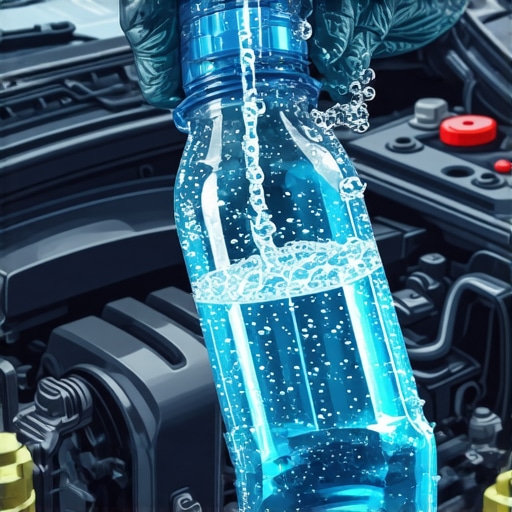
Next, ensure your coolant is at the proper level and in good condition. Remove the radiator cap when the engine is cool, check the coolant level against the marked minimum and maximum lines. If low, top it off with the appropriate mix of coolant and distilled water. Also, inspect for signs of contamination or murkiness—like the murky coffee color—which indicates a need for a flush. During my own check, I realized I had added water instead of coolant, which reduced heat dissipation and led to overheating.
Inspect the Thermostat for Malfunction
The thermostat controls coolant flow and can stick closed, trapping heat in the engine. To test, remove the thermostat and place it in hot water; it should open at the specified temperature. If it remains closed, replacement is necessary. I caught a sticking thermostat after noticing my temperature gauge rising rapidly upon startup, and replacing it fixed the overheating issue.
Assess the Water Pump Functionality
The water pump circulates coolant through the engine and radiator. Listen for unusual noises or leaks around the pump pulley. To test, start the engine and observe if coolant circulates through the radiator hoses (be cautious—hot coolant is dangerous). If the pump isn’t working, the engine will overheat during idling while cooling fans attempt to compensate. I once replaced a failing water pump myself, which immediately improved my engine’s temperature stability.
Clean or Replace Radiator and Hoses
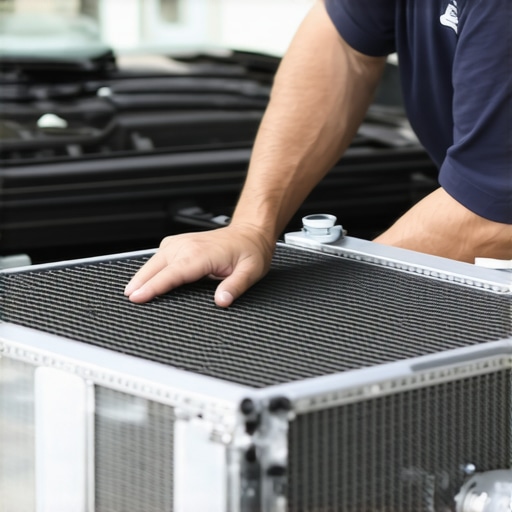
Over time, debris can clog the radiator fins, impairing heat dissipation. Use a gentle stream of water or compressed air to clean the fins, or have a professional flush the radiator if build-up is significant. Additionally, inspect hoses for cracks or leaks. During a summer road trip, I gingerly cleaned my radiator, which led to a noticeable drop in engine temps during long idling periods.
Ensure Proper Oil and Transmission Fluid Levels
High-quality engine oil lubricates and cools internal parts better. Regularly check your oil level with the dipstick, ideally using [oil with sufficient zinc for engines requiring it](https://autofixclinic.com/why-your-luxury-car-needs-specific-high-zinc-oil). Also, a well-maintained transmission fluid prevents excess heat. Dirty or low transmission fluid can cause additional engine stress. During my routine maintenance, I upgraded to synthetic oil recommended by ASE-certified technicians, which helped maintain optimal engine temperatures at idle.
Schedule Professional Inspection If Needed
If these steps don’t resolve the overheating, it’s time to consult a trusted car service provider. Persistent issues could stem from hidden radiator leaks or internal engine problems that require expert diagnosis. I learned this the hard way when ignoring a slow coolant leak led to severe engine damage. Regular maintenance, including [seeing an ASE-certified mechanic](https://autofixclinic.com/what-does-an-ase-certification-mean-for-your-cars-maintenance), helps prevent such costly repairs.
 Many drivers believe that an oil change is a simple, routine task—just drain the old oil, replace the filter, and you’re set. But in my experience, this mindset often leads to overlooking critical nuances that can significantly affect your vehicle’s longevity. For instance, the misconception that all oils are created equal is widespread; however, choosing the wrong type—like using conventional instead of synthetic oil in high-performance or modern engines—can accelerate wear and even cause engine problems down the line. Regular [oil changes](https://autofixclinic.com/why-regular-oil-changes-extend-your-cars-lifespan) are essential, but knowing the right oil and the proper intervals makes all the difference, a detail many miss. An advanced mistake is neglecting to consider your driving conditions—stop-and-go city driving demands different oil viscosities compared to highway cruising. Moreover, some think that topping off oil is enough, but frequent low readings could indicate leaks or internal issues needing professional inspection. A common myth is that only older cars require frequent oil changes—yet newer models, especially with turbochargers or direct injection, often need more precise maintenance schedules. Another trap is underestimating the importance of transmission health; many assume transmission fluid is a lifelong lubricant, but untreated degradation can lead to slipping and overheating. External studies, like those from the *Automotive Maintenance Association*, confirm that neglected transmission fluid is a leading cause of early transmission failure. When I initially ignored this, I faced costly repairs that could have been prevented with proper awareness. Having an ASE certification is often viewed as a mark of trust, but not every shop displays their credentials, and some technicians might not stay updated with the latest vehicle technology. An ASE-certified mechanic is trained to diagnose complex issues accurately, but it’s equally important to ask the right questions—such as whether they follow manufacturer-recommended procedures. Always verify their certification through official channels; superficial checks can be misleading. To ensure your car services are thorough, choose providers that emphasize transparency and ongoing technician education, as detailed in [this guide on selecting the right car service](https://autofixclinic.com/choosing-the-right-car-service-for-your-vehicles-needs). A critical mistake I see often is trusting a quick lube without understanding their expertise level. Remember, your vehicle’s health depends on quality service, not just speed. How do you ensure your car maintenance is comprehensive? Have you ever fallen into this trap? Let me know in the comments. Proper maintenance is an investment—don’t let misconceptions undermine your vehicle’s performance.
Invest in Quality Diagnostic Tools
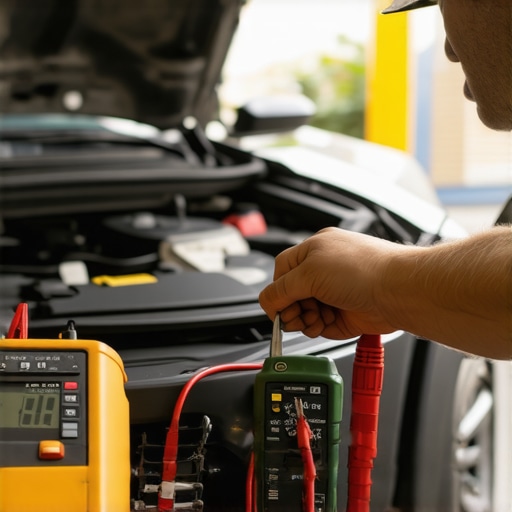
To keep your vehicle running smoothly over the long haul, having the right diagnostic equipment is non-negotiable. I personally rely on an OBD-II scanner like the BlueDriver, which provides comprehensive real-time data and confirms factory codes. This tool has saved me countless trips to the mechanic by pinpointing issues early, especially with transmission troubles, as explained in this detailed guide. Modern cars have complex systems, and a reliable scanner allows you to monitor sensors, read freeze-frame data, and even reset error codes, ensuring that small problems don’t escalate into costly repairs.
Prioritize Regular Fluid Checks with Precision
Beyond oil, maintaining transmission fluid at optimal levels is critical. I use a high-quality, ASE-certified fluid test kit that measures viscosity and contaminants—crucial for diagnosing issues that could affect your shifting performance. Regular testing helps me detect early signs of transmission fluid degradation, preventing overheating and gear slipping. This proactive approach aligns with oil change best practices. As transmission troubles can be subtle, consistent monitoring proves invaluable, especially if you’re planning to scale your vehicle’s lifespan or fleet operation.
Develop a Routine for Visual Inspections
Visual checks are often overlooked but are fundamental for detecting issues before they become costly. My routine includes inspecting hoses, belts, and radiators—looking for cracks, leaks, or corrosion. I recommend carrying a good LED flashlight and a mirror for hard-to-see areas, and keep a set of basic tools handy. For engine cooling, a quick glance at the radiator and fan assembly can reveal problems such as debris buildup or fan failure, which can lead to overheating during idling. Thanks to these routine inspections, I’ve avoided emergency breakdowns and kept my maintenance on schedule.
Embrace Advanced Software for Fleet or Personal Use
For those managing multiple vehicles or seeking more sophisticated diagnostics, software applications like AutoEnginuity provide deep insights into engine performance, transmission state, and even emission levels. This software integrates seamlessly with diagnostic tools and offers customizable dashboards to track multiple parameters over time. I’ve found that syncing this data with maintenance logs enhances my ability to plan service intervals effectively. As vehicle technology advances, embracing such tools will become a standard part of responsible car ownership or fleet management, leading to improved resale value and reliability, as discussed in this article.
Predict Future Trends in Car Maintenance Tools
Looking ahead, I believe the integration of AI and predictive analytics will revolutionize vehicle maintenance. Devices that can anticipate failures before symptoms appear—based on data trends—are on the horizon. This proactive approach minimizes downtime and repairs, ensuring your vehicle stays operational without unexpected disruptions. It’s a trend I plan to incorporate into my long-term maintenance plan, reducing costs and extending the lifespan of my cars.
How do I keep my tools performing over time?
Regular calibration and proper storage are key. For example, I calibrate my diagnostic scanners every six months using manufacturer-recommended procedures, and I keep sensors and connectors clean and dry. Keeping software updated ensures compatibility with the latest vehicle models. Remember, a well-maintained tool will serve you better and last longer, ultimately saving money and reducing frustration.
Want to get started today? Try calibrating your diagnostic device using the manufacturer’s instructions, and see how early detection can prevent costly failures.
What I Didn’t Know About Routine Maintenance Can Cost More Than You Think
One of the most valuable lessons I’ve learned is that regular maintenance, like [oil changes](https://autofixclinic.com/why-regular-oil-changes-extend-your-cars-lifespan), is not just a quick task but a critical investment in your vehicle’s longevity. Overlooking details—such as the importance of high-zinc oils for luxury engines—can lead to unexpected breakdowns. I once believed that topping off fluids was enough, but now I know that consistent, thorough inspections and using trusted resources have saved me from costly repairs and stress.
Secrets That Even Experts Keep To Themselves
- Don’t underestimate transmission health: Regularly testing transmission fluid with quality tools helps prevent creeping issues. Trust me, early detection saved my transmission life.
- Ask questions about certifications: When choosing a car service, verifying ASE certification matters. I’ve found that certified technicians often spot subtle problems others miss, saving time and money.
- Invest in diagnostic tools: Devices like BlueDriver provide real-time insights and help catch issues before they escalate. This proactive approach transformed my maintenance routine.
- Don’t forget visual inspections: Simple checks of hoses, belts, and radiators can reveal leaks or cracks before they lead to overheating.
- Embrace new tech: Predictive analytics and AI-based diagnostics are on the horizon, promising even better maintenance decisions in the future.
Get Your Vehicle Ready for Anything
Imagine driving without the nagging worry of unforeseen overheating or breakdowns. By applying these insights—checking your cooling fans, verifying coolant levels, and trusting certified professionals—you’re investing in peace of mind. Ready to take control of your engine health? Remember, a little knowledge and proactive steps today can prevent major headaches tomorrow.
What’s the one maintenance step you’ve been neglecting? Let me know below—your experience might help someone else avoid a costly mistake.