The Real Reason Your Car Pulls During Hard Braking
It hit me one rainy afternoon. I was cruising down the street when suddenly, my car lurched forward unexpectedly during a hard stop. I was sure I had missed something—maybe a brake issue or a transmission slip. But after some digging, I realized I was overlooking a far more common culprit that sneaks up on many drivers. That lightbulb moment changed how I approach maintenance and troubleshooting.
If you’ve experienced something similar—your vehicle jerking or pulling when you slam the brakes—you know how unsettling it can be. It’s not just the sudden jolt; it’s the nagging worry about safety, costly repairs, or worse, an accident waiting to happen. But here’s the good news: this problem isn’t inevitable. With a little knowledge, you can diagnose and fix the root cause before it becomes a serious issue.
Today, I promise to share what I’ve learned about why your car pulls during hard braking and, more importantly, how you can address it. No more guessing games or costly trips to the mechanic for issues you can understand and potentially fix yourself. Trust me, understanding the real reason behind this behavior can save you money, time, and peace of mind.
Why Your Car Acts Up When You Slam the Brakes
Most of the time, a vehicle pulling during abrupt stops points to uneven brake pad wear, warped rotors, or issues with your suspension components. But what many drivers miss—myself included early on—is the role your vehicle’s brake system’s hydraulic and sensor components play. These parts work together to ensure smooth, balanced stops. When one fails or misaligns, the entire system gets thrown off, causing that jerking motion.
A common mistake I made before really understanding this was ignoring minor brake squeals or vibrations. I thought they were just normal wear. But in reality, those small signs often hint at bigger problems brewing beneath the surface. Regular inspections and understanding the warning signs become crucial. For instance, uneven brake pad thickness or contaminated brake fluid can significantly impair your stopping power and cause pulling.
For a thorough explanation of how brake systems function and how to keep them in top shape, I recommend reading about [why your brake rotors warp and how to prevent it](https://autofixclinic.com/why-your-brake-rotors-warp-even-after-being-resurfaced). I’ve learned that neglecting seemingly minor issues can lead to costly repairs down the line. Plus, embracing regular maintenance—like checking your brake pads and fluid—can make a real difference in your vehicle’s performance.
If this sounds familiar, don’t hesitate to reach out for professional help or dive into [top tips for safe braking in 2025](https://autofixclinic.com/top-oil-change-tips-for-safe-driving-in-2025). Ensuring your brakes are in prime condition isn’t just about avoiding a sudden jerk; it’s about your safety and peace of mind on every drive. Up next, we’ll explore practical steps to diagnose and fix the problem—so keep reading.
Inspect Your Brake Pads for Uneven Wear
One concrete step I took was to remove the wheels and visually inspect the brake pads. I held my torch close, checked for uneven thickness—where one pad looked significantly thinner than the other. If you find uneven wear, replace or resurface the pads to restore balanced braking. Remember, uneven pad wear often leads to pulling during hard stops, just like I experienced. Regularly checking your brake pads is fundamental and can be done easily at home or by a skilled mechanic. Learn more about why rear brake wear differs from front.
Bleed and Replace Brake Fluid
Next, I realized that contaminated or old brake fluid could impair hydraulic pressure, leading to uneven braking. I opened the brake master cylinder and used a brake bleeding kit—like a turkey baster but designed for automotive use—to flush out the old fluid and replace it with fresh, high-quality brake fluid. This step ensures consistent pressure across all calipers and reduces sensitivity to pedal input. When I did this, I immediately noticed a smoother, more predictable stop without pulling. Regular brake fluid change, ideally every 2–3 years, is vital. Find out why regular oil changes also extend your vehicle’s lifespan.
Check and Balance Brake Calipers
I then focused on the calipers—those critical components responsible for squeezing the pads onto the rotors. I observed their movement during a test—if one caliper was sticking or sluggish, it could cause uneven braking. To fix this, I applied a high-temperature brake caliper lubricant to the sliding pins, ensuring free movement. If sticking persisted, replacing the caliper or pistons might be necessary. This mechanical check is essential for consistent brake response, especially during emergency stops. To understand more about proper suspension and brake system maintenance, see choosing the right car service.
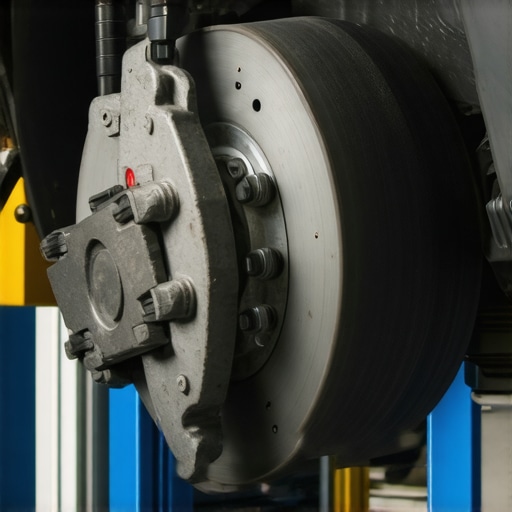
Visual diagram of a caliper with moving parts, illustrating proper lubrication points.
Test Your Fixes with Controlled Braking
After completing these steps, I hit the brake pedal firmly in a safe, open space to test the vehicle’s response. If the pull persisted, I repeated the visual checks and adjusted as necessary—sometimes, slight rotor warping or misalignment can cause residual pull. Always ensure your tires are properly inflated and balanced; uneven tire pressure can amplify pulling effects. Regular maintenance like this reduces the risk of having to replace expensive components later. For routine maintenance check-ups, consider consulting a professional at contact us.
While many assume that changing the oil or servicing a vehicle is a straightforward task, there are subtle complexities that even seasoned drivers often miss. One prevalent myth is that all motor oils are created equal; however, the choice between synthetic and conventional oils can significantly impact engine longevity, especially if you drive under demanding conditions. According to automotive expert insights, synthetic oils offer better chemical stability and superior protection at extreme temperatures, which is crucial for high-mileage or heavily loaded engines.
Why does so much reliance on generic maintenance schedules sometimes backfire?
Relying solely on mileage intervals without considering your specific driving habits can lead to premature wear or insufficient lubrication. For instance, frequent short trips prevent proper oil circulation, accelerating particle and moisture buildup, which degrades oil quality faster than expected. This underscores the importance of tailored maintenance over generic timelines. Additionally, some drivers believe that oil changes are purely about replacing dirty fluid, but neglecting the service of related components—like filters, drain plugs, and seals—can trap debris or cause leaks, undermining the entire lubrication system.
What advanced mistakes might even experienced technicians make about transmission care?
A common oversight is undervaluing the role of sensors and hydraulic systems in transmissions. Many think that simply flushing the transmission fluid suffices, but if faulty sensors or solenoids are present, fluid exchange alone won’t resolve slipping or shuddering issues. In fact, ignoring these nuanced factors can lead to more frequent failures, emphasizing the need for precision diagnostics. Expert mechanics emphasize that a thorough transmission check-up, including testing sensor outputs and reading fault codes, can prevent costly repairs down the line.
Contrast that with the misconception that car services are only about replacing parts—a view that misses the importance of diagnostic accuracy. Choosing an ASE-certified professional, for example, ensures your technician employs precise troubleshooting techniques and follows comprehensive maintenance protocols—not just quick fixes. For those interested in learning about trusted certifications, visit what ASE certification stands for. Regular, informed maintenance, combined with a nuanced approach, can extend your vehicle’s lifespan and improve performance. It’s a trap to depend solely on flashy service packages without understanding their necessity. Always ask questions and stay educated—your car will thank you. Have you ever fallen into this trap? Let me know in the comments.Maintaining your vehicle over time requires more than just a quick check at the gas station. Investing in the right tools and following structured routines can significantly extend the lifespan of your car, improve safety, and save you money in the long run. One essential piece of equipment I personally rely on is a high-quality OBD-II scanner. Unlike generic code readers, a professional-grade scanner such as the BlueDriver Bluetooth Pro provides detailed diagnostics, live data, and the ability to clear error codes with accuracy. This allows me to pinpoint issues accurately before they escalate, especially when dealing with transmission or engine sensors that often cause unexpected behavior. For example, when a transmission starts slipping or shifts irregularly, using diagnostic software like this enables me to identify faulty sensors, such as a bad speed sensor, which may be the real culprit versus a full transmission overhaul.[https://autofixclinic.com/what-does-an-ase-certification-mean-for-your-cars-maintenance](https://autofixclinic.com/what-does-an-ase-certification-mean-for-your-cars-maintenance) Another tool I swear by is a torque wrench set. Properly torquing bolts—especially for critical components like wheel lug nuts or suspension mountings—avoids uneven stress and premature failure. The precision offered by these tools ensures every repair or maintenance task is executed to manufacturer specifications, preventing long-term issues. My tip: always calibrate your torque wrench periodically to maintain accuracy, which is vital whether you’re tightening a wheel or servicing your engine components. For routine oil changes, I use a digital oil extractor rather than traditional draining methods. This allows for cleaner, spill-free oil extraction, saving time and mess while ensuring you get every drop of used oil out. Maintaining a clean workspace and proper disposal of old fluids aligns with environmental standards and keeps your garage safe. Looking ahead, the trend in automotive maintenance is moving toward smart diagnostics integrated with mobile apps. In the near future, expect to utilize AI-powered tools that can predict failures before they happen, based on data trends over time. This proactive approach will make vehicular upkeep more efficient and cost-effective.
How do I maintain tools and systems for the long haul?
Regular calibration of diagnostic devices and cleaning your tools after each use are fundamental. Additionally, keeping an organized garage with dedicated storage for your tools helps prevent damage and loss. For electronic devices, update their firmware periodically to ensure compatibility with the latest vehicle models and diagnostic protocols. As vehicles become more complex with hybrid and electric systems, investing in advanced, certified tools like those recommended on industry-standard sites becomes increasingly vital. By maintaining your tools properly and staying informed of new technology trends, you position yourself as a proactive car owner rather than a reactive one. Ready to get started? Try calibrating your torque wrench this weekend or updating your diagnostic software with the latest firmware—small steps today lead to reliable results tomorrow. If you want expert guidance tailored to your vehicle, reach out through our contact page.
What I Wish I Knew About Car Repairs Before Starting
One of the toughest lessons I learned was that not every warning sign points to the obvious; sometimes, the smallest hints—like a slight vibration or odd noise—are clues leading to bigger issues. Ignoring routine checks, thinking they’re unnecessary, almost cost me dearly. The real insight was understanding that proactive maintenance isn’t just about preventing breakdowns, but about catching problems early, saving money, and ensuring safety.
Another lightbulb moment came when I realized that tools like an ASE-certified diagnostic scanner are worth their weight in gold. They provided me with detailed insights I couldn’t get otherwise, transforming guesswork into precise action. This shifted my approach from reactive to proactive, emphasizing the importance of investing in good diagnostics and staying informed.
Finally, I understood that consistent, scheduled services—like regular oil changes and transmission checks—are the backbone of vehicle longevity. Skipping these based on a mistaken belief that newer cars don’t need as much care can backfire, leading to costly repairs down the line. Educating myself about the nuances of each component made me a more confident, responsible car owner.
Tools and Resources That Elevate My Car Care Game
Over time, I’ve come to trust a few key resources that truly make a difference: First, the guidelines on regular oil changes remind me of the importance of routine maintenance and how it directly impacts engine health. Second, a high-quality ASE-certified diagnostic scanner has become my go-to for troubleshooting complex issues like transmission slipping or sensor faults. Lastly, consulting trusted car service providers ensures I get expert advice when needed without risking subpar fixes. Investing in these tools and knowledge bases empowers me to maintain my vehicle more effectively and confidently.
Embracing the Journey: Keep Your Car in Top Shape and Feel Confident
The road to mastering vehicle maintenance is continuous, but each small step—like checking brake pads or updating diagnostic software—builds a foundation of confidence and safety. Remember, your vehicle is an investment, and caring for it diligently pays off in reliability and peace of mind. Start today with a simple inspection or by scheduling routine service, and watch how your understanding and confidence grow.
Have you found a surprising way to troubleshoot or maintain your car? Share your experiences below—your insights might help others on their journey to better vehicle care.