How to Restore Cloudy Headlights Using Only Household Items
It was late one evening when I first truly understood the frustration of foggy headlights. As I approached my driveway, I realized my car’s lights barely cut through the darkness, turning a straightforward drive into a nerve-wracking game of guessing. That moment hit me—my headlights, once clear and sharp, had become cloudy and dull. I felt a twinge of annoyance mingled with curiosity: could I fix this without spending a fortune at the auto shop?
Bring Back Brightness: Restoring Headlights Using Only Household Items
Have you ever been in that situation, too? Frustrated, wondering if you need new headlights or a professional polish? Well, good news! There’s a simple, cost-effective way to clear up those hazy lenses, and you likely have everything you need right in your kitchen orGarage. Today, I’ll share my personal experience and a step-by-step method to restore your headlights with common household items. No harsh chemicals, no expensive kits—just good ol’ DIY spirit and a bit of patience.
Is Restoring Headlights with Household Items Really Worth It?
You might be skeptical—maybe you’ve heard horror stories of DIY fixes that make things worse. Honestly, I made plenty of mistakes early on. The biggest? Using abrasive materials that scratched the lens or skipping the cleaning process altogether. But once I got the hang of it, I found that not only could I save money, but I also gained a satisfying little project that made my night drives safer.
According to automotive experts, keeping your headlights clear can improve visibility by up to 50%, which is no small feat on dark country roads or during rainy nights. And considering that the materials needed for this fix are often already in your home, it’s a win-win situation.
So, if you’re tired of squinting at the road and feeling unsure whether your headlights are functional, stay tuned. Below, I’ll walk you through my tried-and-true method to restore that original shine, effortlessly. Ready to beat the foggy haze and make nighttime driving safer again? Let’s dive into the steps that will bring back your headlights’ clarity—without breaking the bank or risking your car’s finish.
polishing the headlights with household items
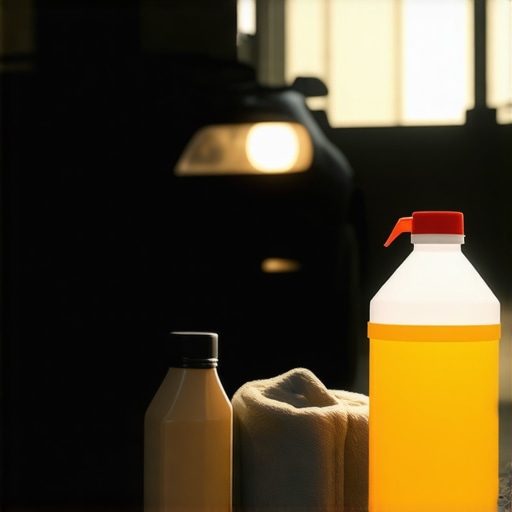
One of the most effective methods I found involves using a mixture of baking soda and vinegar. It’s like giving your headlights a gentle exfoliation—removing the grime that has built up over time. I poured a bit of baking soda into a bowl, added enough vinegar to create a paste, and then applied it with an old toothbrush. As I scrubbed, I noticed the cloudy layer lifting off, revealing clearer plastic underneath.
I kept the pressure gentle but thorough, focusing on small sections at a time. After rinsing with water, the lenses looked noticeably brighter, although not perfect yet. This initial step is affordable, safe, and works well as a first pass. To enhance the result, I moved on to the next phase involving polish compounds.
Refining your headlights for clear visibility
Use toothpaste as a mild abrasive
Toothpaste isn’t just for whitening your teeth—it’s mildly abrasive and can buff out minor scuffs and oxidation. I applied a generous amount to the headlight surface, then used a damp cloth or sponge to buff in circular motions. Think of it like sanding a wooden surface—only much gentler. This process smooths the plastic and removes remaining haze. I did this in small sections, regularly wiping away residue to check progress. The result? A noticeably clearer lens with improved light projection.
Apply a protective sealant or UV coating
After cleaning and polishing, the final step is to protect the restored clarity. Household options include clear nail polish or automotive clear coat. In my experience, applying a thin, even layer of nail polish with a brush created a barrier against future UV damage. I let it dry thoroughly, then inspected the lens for uniformity. This sealing step preserves your hard work and prolongs the appearance of clarity, ensuring your headlights stay bright on those dark drives.
Extra tips to keep in mind
Always wash the headlight thoroughly with soap and water before starting. Dirt and grime can scratch the surface during polishing, making things worse. Wearing gloves can prevent fingerprints and oils from contaminating the surface. If the foggy appearance persists after these steps, it might be time to consider a professional polish or replacement. But for many, these household tricks are enough to restore visibility and safety on the road. To ensure your vehicle’s overall performance remains top-notch, learn about why regular oil changes extend your car’s lifespan. Proper maintenance not only improves safety but also keeps your car running smoothly for years to come.When it comes to car maintenance, many enthusiasts believe they understand the essentials, but beneath the surface, there’s a web of misconceptions that can lead to costly mistakes. Let’s dig deeper into some common myths and hidden nuances that even seasoned drivers often overlook.
Why do most people underestimate the importance of ASE certification?
Contrary to popular belief, ASE certification is more than just a badge—it’s a benchmark of a technician’s comprehensive expertise. Studies indicate that ASE-certified technicians undergo rigorous testing, ensuring they possess the nuanced knowledge necessary for complex diagnostics, especially in transmissions and engine management systems. Relying solely on brand warranties or dealer-only shops might seem convenient, but independent ASE-certified specialists can often diagnose issues faster, saving you money and time.
Are you replacing your oil at the right intervals? Think again.
Many drivers follow a rigid schedule like every 3,000 miles, but modern synthetic oils and evolving engine technology demand a more refined approach. According to automotive experts, the real factor should be oil condition and driving habits rather than mileage alone. Regularly checking oil quality and considering vehicle-specific recommendations can extend engine life significantly. For a detailed approach, explore [top oil change tips for safe driving in 2025](https://autofixclinic.com/top-oil-change-tips-for-safe-driving-in-2025).
How many overlook transmission health during routine service?
Transmission maintenance is frequently maligned or misunderstood. The common myth is that simple flushes or fluid replacements suffice indefinitely. However, transmission fluid can degrade internally due to heat and contamination, leading to slipping and expensive repairs. Advanced diagnostics show that a comprehensive assessment of transmission components and fluid condition should be part of regular service. For expert guidance, check out [transmission troubles: expert insights for smooth shifting](https://autofixclinic.com/transmission-troubles-expert-insights-for-smooth-shifting).
What about the misconceptions surrounding oil filters?
It’s a widespread mistake to assume all filters are interchangeable; however, the quality and type of oil filter directly impact engine longevity. Incorrect or cheap filters may fail to seal properly, causing unfiltered oil to circulate, which accelerates wear. Always ensure that your mechanic uses high-quality, vehicle-specific filters, and verify the installation with [how to tell if your oil filter was really replaced](https://autofixclinic.com/how-to-tell-if-your-oil-filter-was-actually-replaced-2).
How can you avoid falling into these maintenance traps?
The key lies in staying informed and questioning the status quo. Engage with reputable sources and don’t hesitate to ask your mechanic about the nuances of your vehicle’s needs. Remember, routine maintenance isn’t just about ticking boxes but understanding the hidden factors that ensure optimal performance. For a broader perspective, see [why regular oil changes extend your car’s lifespan](https://autofixclinic.com/why-regular-oil-changes-extend-your-cars-lifespan).
By peeling back the layers of common beliefs, you empower yourself to make smarter, more informed decisions about your vehicle maintenance. Have you ever fallen into this trap? Let me know in the comments, and let’s keep the conversation going to help everyone drive safer and smarter.
Keeping It Working: Tools and Techniques for Lasting Performance
When it comes to maintaining your vehicle’s transmission, oil system, and overall health, having the right tools and a consistent maintenance routine is crucial. Personally, I rely on a few specific pieces of equipment that have proven invaluable over years of DIY repairs and routine checks. For starters, a high-quality digital multimeter allows me to diagnose electrical issues quickly, ensuring my ASE-certified technician approach extends to my personal repairs.
Beyond diagnostic gear, I recommend a reliable torque wrench—precision is everything when tightening components like drain plugs or sensor bolts. I prefer a digital model with a memory function, so I can record torque settings for various tasks, reducing the risk of over-tightening or under-tightening.
For fluid changes, a specialty funnel with a long, narrow spout simplifies the process, especially on tight engine bays. I also keep an oil extractor pump on hand, which comes in handy for vehicles where traditional oil draining is cumbersome. Using these tools consistently helps me prevent future transmission troubles or oil system failures, aligning with the importance of regular oil changes to extend your car’s lifespan.
That said, optimizing maintenance isn’t just about tools; software for vehicle diagnostics adds a new layer of control. I recommend a reputable OBD-II scanner compatible with your vehicle’s make and model—such as those from brands like BlueDriver—which can read and clear error codes, monitor real-time data, and provide insights on how your car’s systems are performing. This integration of hardware and software offers a comprehensive approach, making routine checks more effective and less dependent on trips to the mechanic.
Looking ahead, the trend is moving toward wireless diagnostics and AI-enabled systems that can predict failures before symptoms appear. Embracing these innovations now, like using advanced diagnostic tools, positions you to manage your vehicle proactively. Whether you’re an enthusiast or just someone keen on extending your car’s lifespan, investing in quality tools is a game-changer. For example, ensuring your transmission is in top shape involves regular fluid checks and timely replacements—consider leveraging in-depth expert insights such as those found in this comprehensive guide.
If you haven’t already, try calibrating your torque wrench and running a complete diagnostics scan with your OBD-II device. These small steps can significantly improve your vehicle’s health and performance over time.
To keep your vehicle in prime condition, remember that proper maintenance tools and consistent care are the foundation of reliability. For tailored advice on choosing the right service for your needs, check out this resource. Regularly reviewing your maintenance routine will save you money and keep your car dependable for years to come.
What Surprised Me About Maintaining My Car’s Heart
One of the biggest lightbulb moments I had was realizing that not all ASE certifications are created equal. I used to rely solely on the badge, trusting that a certificate meant I was in expert hands. But over the years, I learned to dig deeper, asking technicians about their experience with my specific make and model, and understanding the real-world implications of their insights. This shift in approach has saved me from costly misdiagnoses and underscored the importance of working with professionals who truly know their craft.
How Small Tools Changed My Maintenance Routine
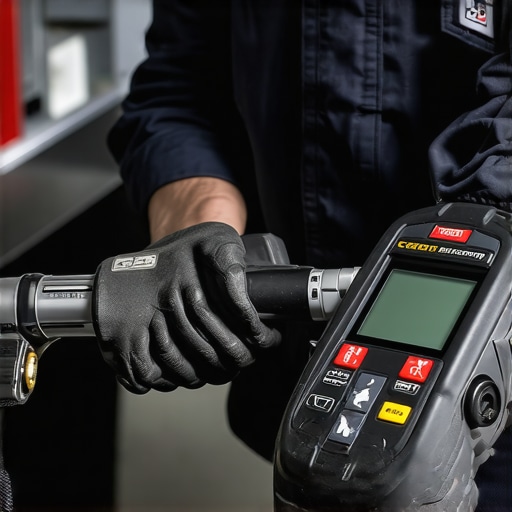
Investing in a quality torque wrench and an advanced OBD-II scanner transformed how I approach repairs. These aren’t just gadgets—they’re an extension of my commitment to my vehicle’s longevity. Knowing the exact torque for bolts and being able to read error codes instantly means fewer trips to the shop and more confidence behind the wheel. This hands-on involvement deepened my appreciation for diligent maintenance and made me more proactive in spotting issues early.
Why Ignoring Routine Checks Can Hurt Your Car Long-Term
I used to overlook small signs—weak brakes, odd sounds, or shifting delays—thinking they were minor. But I discovered that these tiny indicators often point to more significant problems brewing beneath the surface. Addressing them promptly, backed by accurate diagnostics and proper oil changes, can prevent expensive repairs down the line. It’s a reminder that consistent, attentive care is the secret to keeping your vehicle performing at its best.
Curated Resources for the Dedicated Car Owner
For those looking to elevate their maintenance game, I highly recommend tools like the BlueDriver OBD-II scanner, which offers comprehensive insights tailored to your vehicle. Books such as Automotive Maintenance for Dummies provided me with foundational knowledge that empowered me to make informed decisions. And of course, regular visits to trusted resources like this guide on oil change importance keep my understanding sharp. Investing in reliable tools and credible information is the best way to ensure your car’s health for years to come.
Why Your Car Deserves Personal Attention
Taking charge of your vehicle’s care isn’t just about saving money—it’s about fostering a connection and sense of mastery over your car. Every oil change, every diagnostic check, and every upgrade is an act of respect for the machine that takes you places. I encourage you to view routine maintenance as a form of self-care for your vehicle. With patience, curiosity, and the right knowledge, you’re not just prolonging its life—you’re becoming a more confident, capable driver. So, what small step will you take today to better care of your vehicle? Let me know below, and let’s drive toward smarter, safer car ownership together.