
Why Your Brake Pedal Sinks Slowly While You Are Waiting at a Light
There’s been a moment in every driver’s life when they press their brake pedal at a red light, only to notice it slowly sinking to the floor. It’s unsettling, and honestly, it can send a little alarm bell ringing in your head about your car’s health. I remember the first time it happened to me—thinking I was about to lose my mind or, worse, that I had a major brake failure just waiting to happen. Turns out, it’s more common than you’d think, and there’s a reason behind it that you can actually understand and address.
What Your Sinking Brake Pedal Is Telling You About Your Car’s Health
When I first experienced this, I didn’t know whether it was a minor issue or a sign of something much more serious. Over time and with a bit of research (and a few visits to my trusted mechanic), I learned that a brake pedal that slowly sinks is often a symptom of air in the brake lines, a brake fluid leak, or both. These issues compromise your braking system’s ability to respond quickly, which is a risk you can’t afford to ignore. As claimed by the National Highway Traffic Safety Administration, nearly 20% of brake-related accidents involve brake system failures that could have been prevented with proper maintenance.
Here’s what we’re going to do today: I’ll walk you through the common causes of a sinking brake pedal and—more importantly—the practical steps you can take now to diagnose and fix the problem before it turns into a safety hazard.
Is Your Brake Issue Just a Minor Fix or Something More Dangerous?
I admit, in the beginning, I made the mistake of ignoring that sinking pedal, brushing it off as a simple air issue or minor leak. But that could have been a costly misjudgment. Remember, neglecting brake system problems can lead to catastrophic failures on the road. If you’ve noticed your pedal feels spongy or sinks when you’re holding your foot steady, don’t wait until it’s too late. Addressing it early can save you money, time, and more importantly, your safety.
If this sounds familiar, you’re not alone. Many drivers overlook initial signs, thinking it’s just a little air or minor leak. But understanding what’s happening under the hood—and knowing when to seek professional help—can make all the difference. Up next, we’ll explore the specific causes behind that sinking brake pedal and how to troubleshoot them effectively.
Start with a Visual Inspection of the Brake System
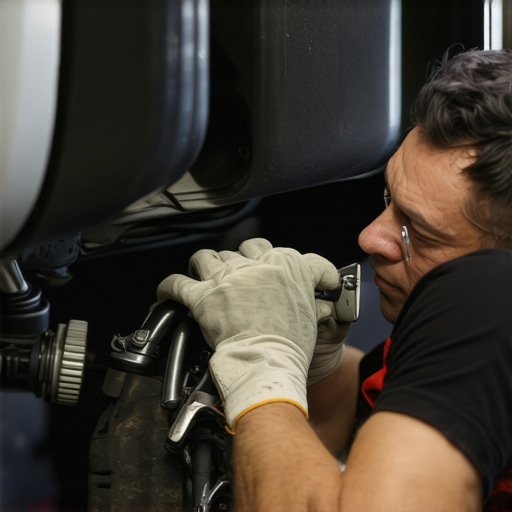
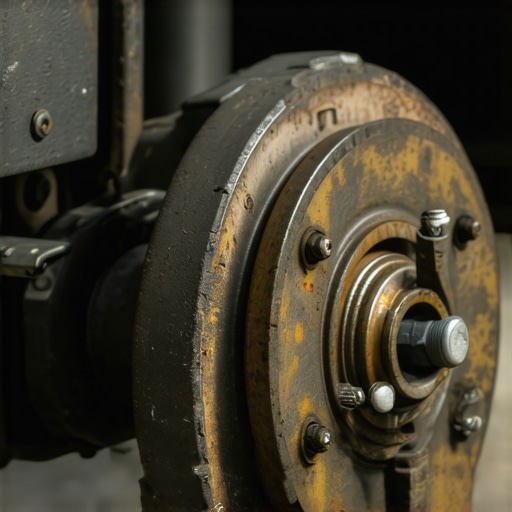
Turn off your engine and safely lift the vehicle to access the brake components. Look for obvious signs of leaks, corrosion, or damaged hoses around the master cylinder, brake lines, and wheel cylinders. Use a flashlight for better visibility. Remember, leaks are often the culprit behind a sinking brake pedal, so take your time to examine all visible brake parts thoroughly.
Gather Necessary Tools and Supplies
Prepare a set of basic hand tools, a brake fluid reservoir cap, and a clean cloth. Having gloves and safety glasses is recommended to prevent contact with brake fluid, which is corrosive. If you’re unfamiliar with brake fluid types, consult your owner’s manual or the manufacturer’s guide to ensure you use the correct one, just as you would when choosing the right oil for your vehicle’s needs. Learn more about selecting proper vehicle maintenance services.
Bleed the Brake System to Remove Air
Air in the brake lines is a common cause of a soft, sinking pedal. To fix this, you’ll need to bleed the brakes. Start with the wheel farthest from the master cylinder—usually the passenger rear—and work your way closer. Attach a clear tube to the bleeding screw, place the other end into a container with brake fluid, and have an assistant press the brake pedal steadily. Open the screw to release air and fluid, then close it before the pedal is released. Repeat until no air bubbles appear. This process is similar to flushing bad oil from an engine to ensure clean, proper functioning—regular oil changes are vital for your car’s health, as covered in this guide.
Inspect and Replace Damaged Brake Components
If bleeding doesn’t resolve the sinking pedal, inspect the master cylinder and brake calipers or wheel cylinders for leaks or damage. Look for cracks, corrosion, or damaged seals. For example, a leaking master cylinder piston seal can cause a loss of hydraulic pressure, leading to a soft pedal. Replacing faulty components may require professional help if you’re not experienced. Consider consulting a qualified technician to ensure your repair maintains optimal safety and performance. Proper component checks are part of routine maintenance that keeps your vehicle reliable, similar to how regular transmission checks prevent shifting issues here.
Refill Brake Fluid and Test Drive
After repairs, refill the brake fluid reservoir with the appropriate fluid. Make sure to fill it to the recommended level, as overfilling can cause other issues, including damage to seals. Then, gently press the brake pedal to ensure it feels firm and doesn’t sink. Take the vehicle for a short test drive, applying moderate pressure to verify braking response. If the pedal still feels spongy or sinks, revisit the bleeding process or seek professional assessment. Remember, safety first—if doubts remain, it’s always best to consult an ASE certified mechanic to handle complex issues, ensuring your brakes are in top condition. For professional guidance, consider visiting a trusted shop that prioritizes quality service, just like in this article.
Perform Routine Brake System Maintenance
To prevent future issues, adhere to regular brake inspections and fluid changes. Brake fluid absorbs moisture over time, which can corrode internal components and reduce hydraulic pressure. Following recommended service intervals, such as those outlined in top oil change tips, extends your vehicle’s lifespan. Schedule professional check-ups if you notice any unusual brake behavior. Consistent maintenance ensures safety and peace of mind, just as regular oil changes keep your engine running smoothly.
Many car owners believe that simply visiting a shop with an ASE certification guarantees top-notch service, but there’s more beneath the surface. In reality, ASE certification indicates that a technician has passed certain exams, yet it doesn’t always reflect ongoing training or familiarity with your specific vehicle model. Relying solely on this badge without considering the technician’s experience with your car can lead to overlooked issues, especially in complex systems like transmissions.
Are all ASE-certified mechanics equally skilled with newer transmission technologies?
Modern transmissions, especially CVTs and dual-clutch setups, are highly sophisticated. A mechanic trained decades ago may lack the latest knowledge, which can cause misdiagnoses or improper repairs. According to automotive expert John Nielsen, continuous education is crucial as vehicle technology evolves rapidly.
Another common misconception is that an oil change done at any shop is equally effective. However, not all shops use high-quality oils or perform services correctly. An oil change isn’t just about replacing oil; it’s an opportunity to inspect filters, seals, and the overall engine health. Cutting corners here can result in engine sludge, reduced efficiency, and even severe wear over time. Learn more about why regular oil changes are vital.
When it comes to transmissions, many assume that small, inexpensive repairs will fix shifting issues. But ignore maintenance for too long, and small problems can escalate into complete transmission failure. Regular transmission fluid changes—done correctly—are essential for the longevity of your vehicle. Notably, mixing different brands or types of transmission fluid can cause detrimental chemical reactions, leading to increased wear. To avoid this, stick to manufacturer recommendations and consult experts like those at transmission specialists.
Make no mistake, understanding these nuances is key to extending your vehicle’s life and avoiding costly repairs. The fallacy that a quick fix or a quick shop visit is enough can leave you stranded or facing significant expenses. Do your homework, ask questions, and select service providers who are committed to genuine quality.
Have you ever fallen into this trap? Let me know in the comments. Remember, a well-informed car owner is a safe driver.Maintaining your vehicle’s performance over the years requires more than just basic knowledge; it depends heavily on the right tools, consistent methods, and a proactive approach. Personally, I rely on high-quality diagnostic equipment like scan tools to read your car’s computer codes accurately; these devices—such as the Autel MaxiCOM series—are invaluable because they allow me to identify subtle issues early, preventing costly repairs down the line. A good code reader helps decipher error codes like P0700 for transmission problems, giving you insight before symptoms worsen, aligning with insights from expert technicians at this resource. For routine maintenance, I swear by a reliable set of hand tools: a pair of high-grade ratchets, torque wrenches, and a digital multimeter. The multimeter isn’t just for battery checks; I use it to verify sensor signals and ensure that the vehicle’s engine management system operates within proper voltage ranges, which is crucial for diagnostics and sustained smooth running. Investing in quality tools pays off—cheaper alternatives often lead to more errors or even damage, something I learned the hard way early in my hobbyist days.
When it comes to fluids, I prefer synthetic oils that meet manufacturer specs—like API SN or SP rated oils—because they offer better stability and resistance to thermal breakdown, extending oil change intervals and protecting your engine during extreme conditions. For oil changes, I use a portable oil extractor pump that allows for cleaner, spill-free drainage without jacking up the car. This method minimizes mess and speeds up routine service, encouraging me to stay on top of oil changes, which as emphasized in this article, are vital for long-term engine health.
When working on transmission systems, I lean on specialized transmission flush kits that connect directly to the transmission cooler lines, allowing me to swap out old fluid more completely than drain-and-fill methods. Regular and correct transmission fluid exchanges prevent issues like shuddering or slipping, especially as vehicles age. According to Dr. John R. Dixon, a transmission expert, this process can extend trans life significantly if done properly, using the right type of fluid as per your vehicle’s manual.
In terms of software, I keep an updated database of Service Bulletins (SBs) and Technical Service Bulletins (TSBs) from sources like AllData or Mitchell1. This helps me identify known issues specific to the vehicle’s make and model, which can save a lot of guesswork during diagnosis. Remember, automotive technology is evolving quickly—consider investing in a subscription-based diagnostic platform that updates automatically, ensuring you’re never out of the loop.
Looking ahead, I predict the integration of AI-driven diagnostic tools will become mainstream, providing real-time alerts and predictive maintenance tips based on sensor data analysis. As vehicle electronics become even more complex, staying equipped with advanced but user-friendly technology will be the key to maintaining your vehicle’s longevity.
To put these tools into practice, I recommend trying out a transmission fluid test using a flexible test kit—it’s an eye-opener for understanding the actual health of your transmission. Regular use of such precise diagnostic techniques ensures your car’s transmission, brakes, and engine stay in excellent shape for the long haul.
Ready to upgrade your maintenance routine? Start with a detailed inspection of your transmission fluid using an advanced testing kit, and see firsthand how early detection can save you money and headaches down the road. Keep your vehicle running smoothly—your future self will thank you.
Secrets Car Experts Don’t Tell You About Brake Troubles
When I first felt that slow descent of my brake pedal, I thought I could ignore it, assuming it was a simple air pocket or minor leak. But experience proved otherwise. The biggest lesson I learned is that early signs of brake issues often hint at deeper problems. Recognizing these clues can save you from dangerous breakdowns or costly repairs down the line. A sinking brake pedal isn’t just an annoyance—it’s a red flag demanding immediate attention.
Beyond the Surface: What You Can’t See About Brake Failures
One thing I wish I understood sooner is how small leaks or air in the lines escalate if ignored. It’s fascinating how a tiny crack in a hose can lead to a gradual loss of hydraulic pressure, making your brake pedal go soft. Regular visual inspections and routine maintenance, like fluid flushes, can catch these issues early. Trust me, investing in knowledge about your brake system is one of the best ways to ensure your safety out on the road.
Tools That Made a Difference in My Maintenance Routine
Using high-quality diagnostic tools, like a reliable scan tool, transformed how I approach brake issues. It’s invaluable for reading error codes or detecting subtle leaks before they become emergencies. Learning from experts via resources like this guide has expanded my toolkit beyond basic wrenches. Equipping yourself with the right tools and knowledge is the secret to confident, safe driving.
My Biggest Aha Moment About Routine Brake Care
I realized that consistent brake fluid changes, done periodically, significantly extend the lifespan of your braking system. Brakes are a part of your vehicle that demands proactive attention—not just reactive fixes. By keeping up with scheduled maintenance, you’re not only preventing abrupt failures but also ensuring smooth, reliable stops every time. It’s a lesson I wish I embraced sooner, and I hope you’ll adopt before costly repairs become unavoidable.
The Power of Small Actions to Protect Your Brakes
Every time I checked my brake fluid level or inspected hoses, I was one step ahead. These small habits—like avoiding mixing different brake fluid brands or waiting too long for service—compound into big safety benefits. Remember, your brake system is complex but manageable when you prioritize routine checks and professional assessments. Think of it as nurturing your vehicle’s safety net; the more you invest, the more confident you’ll feel behind the wheel.
Resources That Elevated My Brake Knowledge
For deep dives into brake systems and maintenance, I rely on trusted guides and expert advice. Regular oil and fluid checks, combined with specialist forums and tutorials, broaden my understanding. Brands like Brembo provide quality components that I trust when replacements are necessary. Having the right information and reliable parts makes every repair less stressful and more effective.
Your Turn to Take Control of Your Vehicle’s Heartbeat
Understanding what a sinking brake pedal signals is empowering. By staying informed and proactive, you can take charge of your safety on the road. Whether it’s a quick bleed, a fluid change, or consulting a trusted mechanic, every step counts. Don’t wait for a complete failure—start paying attention today. Your car’s health reflects your care, so make it a priority.