Why your car pulls left when you hit the brakes
I remember the exact moment I realized something was wrong with my car during a routine drive. I was approaching a stop sign, pressing the brake gently, and suddenly, my steering wheel jerked to the left. It caught me off guard — I felt like I was fighting my own vehicle. That lightbulb moment made me realize how unsafe and frustrating a pulling car can be, especially when it happens unexpectedly. Have you ever faced this problem while driving? If so, you’re not alone. Many drivers experience their vehicles pulling to one side when braking, and it’s not just annoying — it can be dangerous. In this post, I’ll share the insights I’ve gained from my own experience and those I’ve gathered over years working with cars, including tips that can help you identify and fix the root cause.
Understanding Why Your Car Pulls Left During Braking
Start with a Visual Inspection of Brake Components
Begin by examining your brake pads, rotors, and calipers for signs of uneven wear or damage. During a recent instance, I jacked up my car and noticed that the driver’s side rotor was noticeably warped. Replacing or resurfacing the rotors fixed the pulling issue immediately. Visual checks help identify obvious problems and prevent unnecessary parts replacement.
Check Brake Fluid Levels and Conditions
Low or contaminated brake fluid can cause inconsistent braking behavior. Open the hood and inspect the brake fluid reservoir. If the level is low or the fluid appears dark and dirty, drain and replace it. Regular brake fluid changes are crucial; I learned this when my truck’s steering became stiff until I replaced old fluid, which is also detailed in top oil change tips. Maintaining clean brake fluid ensures equal pressure in all brake lines and smooth braking.
Bleed the Brake System for Air Bubbles
Air trapped in brake lines can cause uneven braking. To correct this, bleed the brakes using the one-man or two-man method. In my case, I used a transparent hose and a brake bleeder kit, systematically opening and closing the bleed screws while pressing the brake pedal. This process removes air that compresses under pressure, restoring consistent brake response.
Inspect and Service Wheel Alignment and Suspension
Wheel misalignment causes pulling during braking, especially if one wheel is tilted incorrectly. I took my vehicle for a professional alignment after noticing odd tire wear patterns. Proper alignment ensures that the wheels roll straight and the braking forces are evenly distributed, reducing pulling effects. If you’re unsure, consult an ASE-certified technician; their expertise guarantees precise adjustments—learn why ASE certification matters.
Test and Replace Worn Suspension Parts
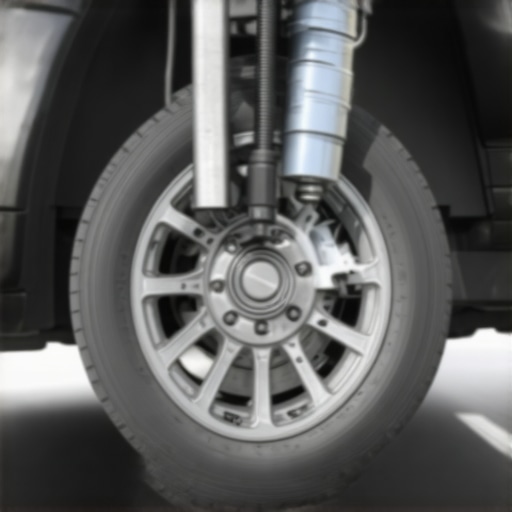
Suspension components like control arms, bushings, and ball joints influence steering and braking. Worn parts can cause instability. I testedmy suspension by pushing down on each corner of the vehicle and observing the rebound; excessive play indicated a need for replacement. Replacing worn bushings and joints stabilized the steering under braking forces.
Evaluate Brake Calipers for Sticking or Seizing
Calipers that stick create uneven brake pressure. During a roadside inspection, I noticed that one caliper was hot to touch after driving. Rebuilding or replacing sticking calipers restored even braking force. Regularly check caliper operation, especially if you notice pulling or unusual noises.
Monitor Tire Condition and Proper Inflation
Uneven tire pressure or tread wear can contribute to pulling. Ensure all tires are inflated to manufacturer specifications and have uniform tread depth. I removed my tires and balanced them to eliminate any vibration or imbalance that might affect braking behavior.
Schedule Professional Brake System Evaluation
Finally, if after these steps your vehicle still pulls left, seek a professional diagnosis. An ASE-certified mechanic can inspect the entire brake system, including the master cylinder and ABS components, offering tailored solutions. Remember, regular maintenance—like regular oil changes—supports the longevity and safety of your vehicle.
Many car owners operate under misconceptions that can lead to costly mistakes. One common myth is that changing your oil less frequently saves money, but experts emphasize adhering to manufacturer-recommended intervals, especially with synthetic oils, which can significantly extend your engine’s lifespan. Relying solely on mileage or time without considering driving conditions can backfire; regular checks and understanding your specific vehicle’s needs are crucial.
Are All ASE Certified Technicians Equally Skilled
Contrary to popular belief, ASE certification indicates a baseline competence but doesn’t guarantee perfection. Some technicians may hold this badge yet lack specialization in advanced systems like modern transmissions or hybrid powertrains. It’s vital to ask about their experience with your vehicle’s particular model and problem areas. Research has shown that ongoing education and hands-on experience are more predictive of quality service than certification alone. Don’t fall for the trap of assuming that an ASE badge equals mastery across all vehicle systems. For instance, transmission repairs demand specialized knowledge, and a reputable shop will have staff trained specifically for that work—check out transmission expert insights for more details. When it comes to oil changes, many owners overlook the importance of inspecting related components such as filters and seals, which can silently deteriorate and cause leaks or poor oil circulation. Upgrading your routine to include a full inspection pays dividends in vehicle longevity. Similarly, neglecting the nuances of car service—like choosing the right fluids and parts—can accelerate component wear. For instance, transmission fluid, if not replaced as per manufacturer specs, can lead to slipping or harsh shifts. This is why regular professional evaluations are invaluable. Have you ever fallen into this trap? Let me know in the comments. Remember, understanding the intricacies of car maintenance—not just the basics—empowers you to make smarter decisions and avoid costly pitfalls.Maintaining your vehicle’s performance over the years requires more than just periodic visits to the mechanic. Investing in high-quality tools and following proven methods can extend your car’s lifespan and ensure safety. One of my go-to tools is a digital multimeter, which I use regularly to monitor battery health, examine alternator output, and diagnose electrical issues early on. I rely on a multimeter because it’s precise, versatile, and affordable—making it indispensable for both DIY inspections and professional diagnostics.
How do I maintain my car’s systems over time?What Really Changed My Approach to Car Maintenance
One eye-opening realization was that consistent, small checks often prevent big, costly problems. Regularly inspecting brake components taught me that proactive maintenance can save you from emergency repairs and safety hazards. This insight pushed me to schedule more frequent professional inspections, especially for critical parts like calipers and rotors.
Tools and Resources That Make a Difference
Keeping a reliable multimeter and an off-the-shelf brake bleeding kit has been invaluable. These tools empower me to diagnose issues early, from checking for air in the brake lines to monitoring electrical components. Additionally, staying updated with reputable resources like ASE certification insights helps me understand the latest standards and techniques in vehicle repair.
Taking Action Starts with the First Step
Every vehicle is a complex system, and the journey to keep it running smoothly involves learning and applying tailored knowledge. Don’t wait until pulling to one side becomes a safety concern—regularly review your brake system, stay informed, and trust qualified professionals when needed. Your car’s health mirrors your dedication to safety and longevity, making driving not just comfortable but safer for everyone.