How to Spot a Failing Fuel Pump Before You Get Stranded
Imagine cruising down the highway when suddenly your car starts to jerk, hesitate, or stall — and you’re miles away from the nearest service station. That sinking feeling? I’ve been there. One rainy morning, I found myself stranded because I ignored early warning signs of a failing fuel pump, and let me tell you — it was a wake-up call. As someone who’s spent years navigating the ins and outs of auto maintenance, I learned that recognizing the subtle signals of a failing fuel pump can save you not just money, but also a lot of headaches and dangerous situations.
The Importance of Detecting Fuel Pump Troubles Early
Most drivers tend to dismiss minor performance hiccups, chalking them up to bad gas or temporary engine hiccups. But what if those symptoms are more serious? Your fuel pump plays a critical role in delivering gasoline from the tank to your engine. When it starts to fail, the consequences can be severe — from poor acceleration to complete engine failure. The tricky part? Fuel pump problems often disguise themselves as other issues, making early detection essential. According to a study by the National Highway Traffic Safety Administration, failure to address fuel system issues accounts for a significant percentage of late-stage engine breakdowns, which could often be prevented if caught early.1
In my experience, a small hesitation when hitting the gas pedal or difficulty starting the car were early signs I ignored. I thought it was just a bad batch of fuel or a worn-out spark plug. But ignoring these signs can lead to being stranded, especially in inconvenient or dangerous places. This is precisely why being able to recognize the early signs of a failing fuel pump is a game-changer for responsible driving and vehicle longevity. Ready to learn how to spot those signs? Stay tuned — the next steps could make all the difference on your next drive. If you’ve faced similar issues, I’d love to hear your story in the comments below or reach out through our contact page.
Now, let’s get into the practical indicators that your fuel pump might be on its last legs, so you can take proactive measures before it catches you off guard.
Test Your Car’s Response Speed During Acceleration
Start your vehicle and observe its acceleration. A sluggish response or hesitation can indicate fuel delivery issues. For a hands-on approach, find a safe, open space and gently accelerate from a complete stop, noting any delays. In my experience, performing this test in a controlled environment prevents unnecessary risks and gives you clearer insights. If you notice delays, it’s time to dig deeper into the fuel system.
Listen for Unusual Sounds While Running
The fuel pump operates quietly, but a failing pump often makes whine or growling noises. To check, turn the ignition on (without starting) and listen for a humming sound near the fuel tank. Use your ear or a mechanic’s stethoscope for precision. I once noticed a faint, high-pitched noise in my old truck’s tank, which was a sign of imminent pump failure. If you hear abnormal sounds, it’s a signal to proceed with further diagnostics.
Perform a Fuel Pressure Test
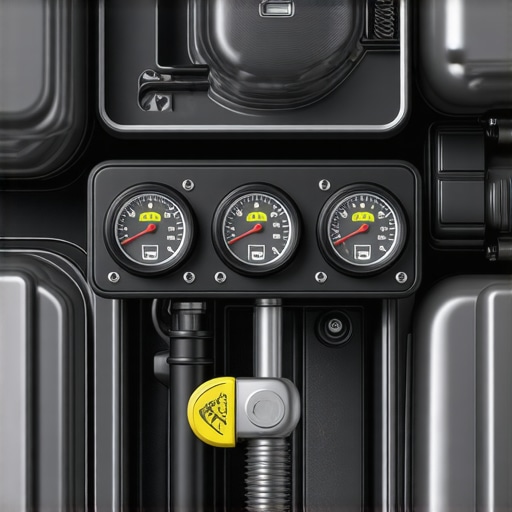
This is a definitive method. Connect a fuel pressure gauge to the test port on your fuel rail, following safety guidelines. Turn the ignition on (engine off) and check the pressure reading against your vehicle’s specifications—usually found in the repair manual or manufacturer’s website. I once borrowed a gauge from a local auto parts store and, after following the steps, discovered my pump pressure was half of what it should be, saving me from a roadside breakdown. Regular testing helps catch issues early.
Secure the Gauge Properly
Ensure the pressure gauge is firmly attached and the engine is off during setup to prevent leaks. Once connected, turn on the ignition and note the reading. If the pressure drops immediately or stays low, your fuel pump may be faulty. This step is crucial for verifying your suspicions and avoiding unnecessary replacements.
Check for Fuel Pump Relay and Fuse Integrity
Sometimes, the problem isn’t the pump itself but an electrical issue. Locate the relay and fuse related to the fuel pump, often in the fuse box. Remove the fuse and inspect for cracks or corrosion. Swap the relay with a similar one from the box to test if the relay is causing the fault. I replaced a suspect relay in my vehicle, which instantaneously restored proper fuel delivery, illustrating how electrical components can mimic pump failures.
Inspect Electrical Wiring for Damage
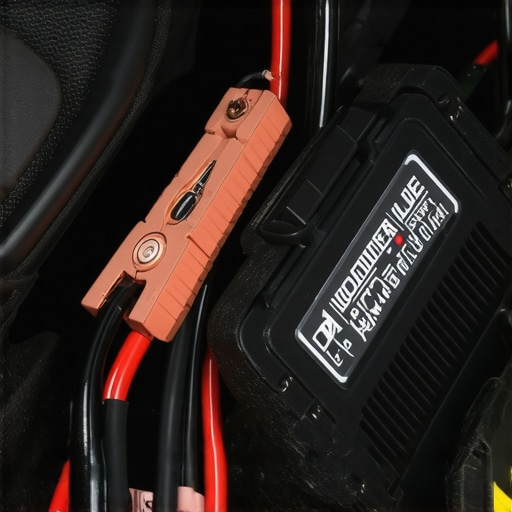
Physically examine wires connecting to the fuel pump for tears, corrosion, or loose connections. Use a multimeter to test for voltage reaching the pump when the ignition is on. If no voltage arrives despite a good relay, the issue might be with your vehicle’s wiring or the ECU. I once jump-started a friend’s car, found loose wiring, and fixed it on the spot, saving hours of troubleshooting.
Consider Professional Assistance if Unsure
If your tests point toward a failing pump but you’re not comfortable replacing it yourself, consult an ASE-certified mechanic. They’ll perform diagnostic scans and safely replace the pump. Check out [what does an ASE certification mean for your car’s maintenance](https://autofixclinic.com/what-does-an-ase-certification-mean-for-your-cars-maintenance), ensuring you’re working with qualified professionals. My experience of trusting expert diagnosis led to a longer-lasting repair and peace of mind.
Gather Necessary Tools and Safety Equipment
Before starting, make sure you have safety goggles, gloves, a fuel pressure gauge, screwdrivers, and possibly a replacement relay or fuse. Don’t forget to work in a well-ventilated area away from ignition sources. Proper preparation prevents accidents and ensures smooth diagnostics.
Document Your Findings
Keep a record of pressure readings, sounds, and visual checks. This documentation helps if you need to consult a professional or consider replacing the pump later. It’s a smart step that can save time and clarify issues for both you and mechanics.
Review Your Vehicle’s Maintenance History
Check how long ago your last fuel filter change was—clogged filters can mimic pump failure symptoms. Regular maintenance, like oil changes (remember, [why regular oil changes extend your car’s lifespan](https://autofixclinic.com/why-regular-oil-changes-extend-your-cars-lifespan)), ensures the entire fuel system functions optimally. I found that replacing the filter in my SUV improved fuel efficiency significantly.
Evaluate the Cost and Decide
Compare the diagnostic findings with replacement costs. Fuel pump replacement can range from simple DIY if you’re handy to a professional job. If your tests confirm the pump’s failure, weigh the repair cost against potential roadside breakdowns. Being proactive can prevent costly future repairs.
While many assume that transmission repairs are straightforward and that ASE certification guarantees flawless service, the reality is more complex. A common misconception is that all transmission issues stem solely from fluid problems or worn-out components, but in fact, many advanced issues involve subtle electrical or software glitches that only experienced technicians can diagnose properly. Relying solely on routine oil changes without understanding the significance of specific transmission fluids or the latest diagnostic tools risks falling into a costly trap.
Another overlooked aspect is the importance of regular, detailed diagnostic checks beyond just replacing parts on a schedule. Modern vehicles heavily depend on electronic systems; neglecting to verify these systems’ health can lead to unexpected failures. For example, a tailored transmission fluid analysis can reveal contaminants or degradation signs long before shifting problems manifest, saving you money and stress.
On the topic of car service, many drivers believe that visiting a dealership is always superior to independent shops. However, studies indicate that many ASE-certified technicians at specialized repair shops often provide more personalized, detailed, and cost-effective care, especially when focusing on the precise needs of your vehicle model. Authentic ASE certification, as explained here, signifies a technician’s commitment to ongoing training and competence, but it doesn’t automatically guarantee attention to nuances specific to your vehicle.
Don’t overlook the significance of proper oil change practices. While the standard advice is to change oil every 3,000 to 5,000 miles, advanced cars with synthetic oils or turbocharged engines might need more specialized procedures. Using high-quality synthetic oils like those discussed here can extend engine life and maintain smoother transmission operation. Moreover, some oils contain additives designed specifically to protect transmission hydraulic systems, an often underappreciated factor that keeps your vehicle shifting seamlessly.
Consider the nuance in diagnosing transmission problems: a harsh 2-3 shift may seem like a simple fluid issue, but it could be an indication of a sensor malfunction or a software calibration problem. In such cases, reprogramming the transmission control module (TCM) might resolve the issue without the need for costly repairs. This advanced approach highlights why trusting a shop with both diagnostic expertise and up-to-date technology is vital.
Have you ever judged a car service shop solely on their sticker and reputation, only to experience ongoing problems afterward? Or assumed an oil change is just a quick oil swap? Let me know in the comments. Remember, understanding these hidden nuances ensures you’re not just maintaining your vehicle but truly optimizing its performance and longevity.Maintaining a vehicle’s performance requires not only understanding its components but also investing in reliable tools and adopting best practices. Personally, I rely on a few key pieces of equipment to diagnose and maintain my cars effectively. For instance, a high-quality electronic multimeter is indispensable for tracing electrical issues, like checking voltage at the fuel pump or sensor connections. I prefer a digital multimeter with auto-ranging capabilities, as it speeds up diagnosis and reduces errors. Additionally, I use a dedicated fuel pressure gauge designed specifically for automotive testing, which helps me verify fuel delivery without guesswork and prevents roadside breakdowns.
Beyond hardware, I integrate diagnostic software compatible with my vehicle’s OBD-II system. Devices like an Autel or BlueDriver scanner allow me to read real-time data, clear error codes, and monitor transmission health—crucial for cars with complex electronic systems. These tools help me catch issues early, long before they escalate into costly repairs. In the future, as vehicles become increasingly connected, I predict that diagnostics will shift towards cloud-based platforms enabling remote monitoring and predictive maintenance—making proactive upkeep more accessible and efficient for everyday drivers.
How do I maintain tools and systems over time?
Regular calibration of diagnostic equipment ensures accuracy, while updating software firmware keeps diagnostic databases current with the latest vehicle models. I also perform routine inspections of electrical cables and connectors to prevent data inaccuracies caused by corrosion or wear. For physical tools, applying protective coatings and storing equipment in dry, temperature-controlled environments extends their lifespan and maintains precision—saving money in the long run. These practices mean my tools remain reliable, allowing me to address issues swiftly, often before a problem manifests visibly.
Try to incorporate a high-precision multimeter into your maintenance routine, and familiarize yourself with its different testing modes—this can be a game-changer. For example, verifying voltage supply to your fuel pump or sensors can reveal hidden electrical faults affecting performance. Using professional-grade tools might seem pricey initially, but they safeguard against costly repairs and ensure your vehicle remains reliable under any circumstance. Remember, consistent tool maintenance paired with regular vehicle checkups—like oil changes, which you can learn more about here—is your best strategy for keeping your ride in top shape over the years.
Over the years, I’ve learned that automotive issues often teach us more than any manual or guide can. One of the most eye-opening lessons came when I ignored early signs of a fuel pump failure, leading to an unexpected roadside stop in a remote area. That experience underscored the importance of paying close attention to subtle performance cues and trusting my instincts over assumptions.
Lessons That Changed How I Approach Vehicle Care
- Not every hesitation is a minor hiccup: Small delays during acceleration can be early warnings of serious fuel system issues, not just bad fuel or simple wear. Recognizing this can save you from dangerous breakdowns.
- The power of simple tests: Performing a quick fuel pressure check or listening for unusual pump noises has become a routine that often reveals impending failures before they cause trouble. Investing in a quality fuel pressure gauge was a game-changer for me.
- Electrical issues masquerade as mechanical failures: Sometimes a relay or fuse causes symptoms that seem like pump failure. Learning to diagnose electrical components can save money and time, emphasizing the significance of knowing your vehicle’s electrical system.
- Hands-on diagnostics foster confidence: Regularly engaging with my vehicle through tests and inspections has made me less reliant on guesswork. It’s a valuable skill that every responsible driver should develop.
- Partnering with skilled professionals enhances outcomes: When in doubt, consulting ASE-certified technicians ensures that complex issues are addressed accurately. Their expertise in transmission and fuel systems complements my DIY efforts and extends my vehicle’s lifespan.
Tools and Resources That Keep Me Ahead
My trusted toolkit includes a high-quality digital multimeter, a dedicated fuel pressure gauge, and a reliable OBD-II scanner like BlueDriver, which allows me to monitor real-time data and catch issues early. These tools, combined with resources like ASE certification insights, have transformed my maintenance approach, making me more proactive than reactive.
Taking Charge of Your Vehicle Journey
The path to reliable driving isn’t paved solely with routine oil changes or generic advice. It’s about becoming familiar with your vehicle’s language—listening for strange sounds, understanding indicator lights, and performing simple checks. Embrace the learning process and equip yourself with the right tools; your vehicle—and your peace of mind—will thank you. Remember, ongoing maintenance and early detection are your best friends in ensuring your car performs optimally for years to come.
What early warning signs have you overlooked that led to bigger issues later? Share your stories below, and let’s learn from each other’s experiences!
;} Interestingly, I have also found that maintaining a detailed service log helps me spot patterns and anticipate future repairs. For instance, noticing that my fuel pressure readings gradually decreased over a few months prompted me to replace the fuel filter proactively, which improved performance. Tools that record and analyze these trends are valuable assets for any car owner aiming to extend their vehicle’s lifespan. Investing time in understanding these nuances can empower you to make smarter decisions and avoid costly emergencies down the road. Starting with small, informed steps today cultivates confidence and fosters a deeper connection with your vehicle’s health.