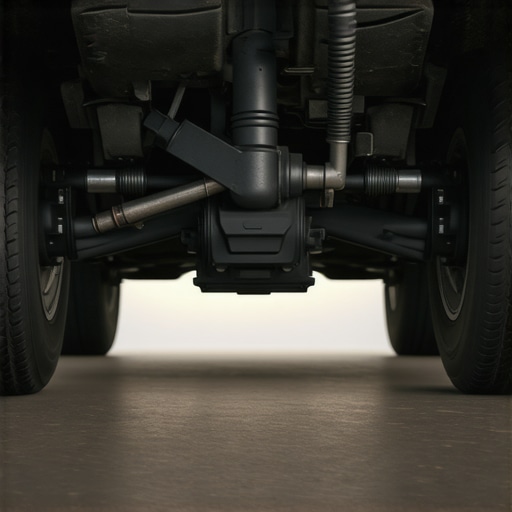
Why your car chirps when you turn the steering wheel
I remember the moment vividly. I was pulling out of my driveway, trying to turn my wheel smoothly, when suddenly—a sharp, squeaky chirp erupted from the front of my car. It caught me off guard. For a split second, I questioned whether I had just excited a nest of squeaky squirrels under the hood. That unexpected noise was more than a minor annoyance; it was a signal that something was off, and I knew I couldn’t ignore it.
The Unexpected Sound That Turns Heads (and Ears)
If your car chirps whenever you turn the steering wheel, chances are you’re wondering what’s causing that unmistakable noise. Is it something serious? A sign of impending failure? Or just a quirky quirk a car develops over time? Well, let me tell you, I’ve been there, and I understand the frustration because it’s a problem plenty of drivers face without knowing where to start.
What’s even more concerning is that this noise isn’t just a nuisance; it could be an early warning sign of worn or loose components that, if left unchecked, might lead to more costly repairs down the line. Think of that chirp like a smoke signal—acknowledging that your vehicle needs some love and attention.
But here’s the good news: that shrill, annoying chirp can usually be traced back to simple, manageable causes, often related to your vehicle’s power steering system or serpentine belt. Identifying and fixing the issue early can save you both time and money, and keep your driving experience smooth and quiet.
Before we dive into solutions, I want to ask—have you recently noticed that your steering wheel is making odd noises? If so, you’re not alone. Many drivers overlook these sounds until they become more persistent or start affecting driving performance.
In this post, I’ll walk you through why this happens, what to look for, and how to troubleshoot the root cause. By the end, you’ll be equipped with the knowledge to restore that quiet turn and avoid unnecessary visits to the shop. For a deeper understanding of vehicle maintenance that keeps your car running flawlessly, check out [why regular oil changes extend your car’s lifespan](https://autofixclinic.com/why-regular-oil-changes-extend-your-cars-lifespan). Now, let’s get to the heart of the matter—what’s causing that chirp every time you turn your wheel?
Check Your Power Steering Fluid Level
Start by locating your vehicle’s power steering fluid reservoir—usually under the hood. Remove the cap and assess the fluid level against the marked indicators. If it’s low, topping it off with the recommended fluid type can resolve the chirping sound. Remember, consistent low levels might indicate a leak that needs fixing before topping off.
Inspect and Replace the Serpentine Belt
Next, examine the condition of your serpentine belt for cracks, fraying, or glazing. To do this safely, turn off your engine, open the hood, and locate the belt. Use your fingers to check for looseness or damage. If worn or damaged, replacing the serpentine belt restores proper tension and prevents unnecessary noise.
Applying the Replacement
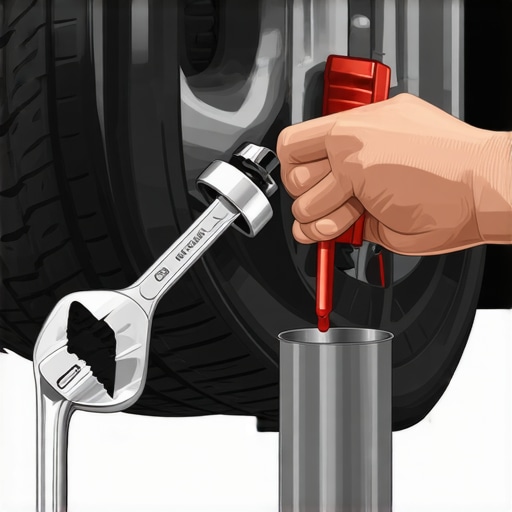
To replace, note the belt’s routing diagram—often found on a sticker under the hood—and loosen the tensioner pulley with a wrench. Carefully slip the new belt into place following the diagram, then re-tension it. This simple fix often silences those squeaks and prolongs belt lifespan. For detailed guidance, consider consulting a professional or an informational resource like transmission troubleshooting tips.
Examine the Power Steering Pump
If the fluid and belt are in good condition, the pump itself may be the culprit. Start the engine and listen for whining noises, or observe if the steering becomes difficult. A failing pump often exhibits noise and reduced assist. Replacing or repairing the pump can eliminate the chirp and improve steering performance.
Perform a Full System Diagnostic
If the issue persists, a comprehensive diagnostic might be necessary. Automotive service centers can run computer scans and physical inspections to identify hidden problems, such as worn bearings or damaged hoses. Regular maintenance like oil changes—discussed in this guide—keeps your vehicle running smoothly and prevents future issues.
Schedule a Professional Inspection
When DIY checks don’t solve the chirp, it’s best to see an ASE-certified technician. They have the expertise to accurately diagnose the root cause, whether it’s a minor adjustment or a more complex repair. Proper maintenance, including timely oil changes and transmission inspections (learn more about transmission troubles), extends your car’s lifespan and assures safe, quiet driving.
Many drivers believe that simply changing their oil regularly is enough to keep their vehicle running smoothly, but the reality is far more nuanced. A common misconception is that all maintenance procedures are interchangeable or that certifications like ASE are just cosmetic badges. Let me clarify some intricate details that often trip up even seasoned car owners.
Is ASE Certification Truly a Guarantee of Quality?
Although ASE certification signifies that a mechanic has passed rigorous testing and possesses substantial expertise, it doesn’t automatically mean their shop will perform perfect repairs every time. Some shop owners leverage the ASE badge as a marketing tool without adhering to best practices. In fact, studies like those from the Automotive Service Association highlight that ongoing training and experience matter more than a badge. So, the next time you schedule your car service, ask about the technician’s experience with your specific vehicle model, not just their ASE status.
Why Relying Solely on Oil Color Can Be Deceptive
Many assume that if their engine oil remains red or clear, their vehicle is in the clear. However, oil color alone isn’t a reliable indicator of viscosity or contamination. For instance, dark oil can still have proper lubrication properties, and milky or brown hues might indicate coolant leaks or excessive moisture. Regular oil analysis and adhering to manufacturer-recommended change intervals—detailed in this comprehensive guide—are essential to truly assess engine health. Ignoring these nuances can lead to accelerated engine wear, costing you more in repairs down the line.
The Hidden Dangers of Overlooking Transmission Care
A mistake many drivers make is neglecting their transmission maintenance until symptoms become severe. Transmissions often exhibit silent issues like slipping or delayed engagement, which are easy to overlook. Some believe that adding stop-leak products can fix internal wear, but as explained in this article, such fixes are temporary and can even cause more harm. Proper diagnosis and fluid changes—guided by expert insights—are vital for prolonging your transmission’s lifespan. Don’t wait for a complete failure; proactive servicing based on advanced diagnostics can save thousands.
Are You Falling Into the DIY Trap?
While it’s tempting to save money by performing basic maintenance yourself, this can backfire if you lack the nuanced understanding of critical systems. For example, incorrectly topping off the transmission fluid or failing to use the prescribed oil grade can accelerate wear. The key is knowing when to seek professional help, especially from certified technicians who follow stringent standards. Check out this guide to selecting reliable service providers. Remember, a small mistake here can reduce your vehicle’s lifespan significantly. Have you ever fallen into this trap? Let me know in the comments and share your experience. Ultimately, understanding these hidden nuances equips you to make better decisions, avoiding costly mistakes and ensuring your vehicle remains dependable for years to come.
Keeping It Working: Tools and Methods for Reliable Car Maintenance
Owning a vehicle isn’t just about driving; it’s about understanding the tools and techniques that ensure its longevity. For any car enthusiast or diligent owner, having the right equipment can mean the difference between a smooth ride and costly repairs down the line. Personally, I rely on a few specific tools to stay ahead of potential issues, especially when it comes to routine maintenance like oil changes and transmission care.
One indispensable item I swear by is a high-quality digital multimeter. This device allows me to routinely check battery health, alternator output, and sensor signals. Consistent voltage readings help me catch early signs of electrical issues before they escalate, saving me time and money. Additionally, a mechanic’s stethoscope in my toolbox has proven invaluable for isolating strange noises—be it in the transmission or engine area—without needing to dismantle parts prematurely.
For fluid inspections, I prefer using a transmission fluid tester. This specialized tool enables me to analyze the condition and contamination level of transmission fluid, ensuring I catch wear and tear early. Regular checks like this align with expert guidance found in this resource. Keeping transmission health optimal is vital; a neglected transmission can lead to severe, expensive failures, even if your engine seems fine.
Another critical piece of equipment is an OBD-II scanner. With this device, I quickly identify ECU codes that might not produce noticeable symptoms yet hint at underlying problems. Modern scanners can even clear error codes and provide live data streams, helping me monitor vehicle performance over time.
What tools will help you keep your car running longer?
Investing in quality diagnostic and inspection tools isn’t just about fixing problems; it’s about proactively preventing them. Regular use of these tools allows you to spot anomalies early and schedule maintenance accordingly. For example, a good oil analysis kit can give insights into engine wear particles and contamination, guiding you on when to perform oil changes before engine damage occurs.
Predicted trends point toward greater integration of software diagnostics with hardware tools, making remote monitoring and data logging more accessible for everyday drivers. This evolution will empower owners to make informed decisions, much like professional mechanics do.
How do I maintain transmission health over time?
Beyond routine oil changes, paying attention to transmission fluid quality and ensuring the correct fill levels are paramount. Regularly checking the transmission fluid condition—using tools designed for quick testing—can reveal early signs of degradation. This proactive approach prevents slipping, shuddering, or more severe transmission failures. For comprehensive insights, refer to transmission troubleshooting tips.
My advice? Equip yourself with a reliable OBD-II scanner and a transmission fluid tester, and commit to periodic inspections. These tools are your best defense against unexpected breakdowns and expensive repairs. As advancements continue, expect smarter, more integrated tools that further simplify proactive vehicle maintenance. Start today by testing your transmission fluid with a dedicated analyzer—they’re more affordable than you think—and see firsthand how early detection can save you thousands. Remember, consistent maintenance isn’t just about fixing what’s broken; it’s about keeping everything running smoothly for the long haul.
The Unexpected Lessons That Shaped My Approach to Transmission and Oil Maintenance
One of the most valuable insights I gained is that real-world experience often teaches us more than textbooks. For example, I once ignored subtle signs of a trans fluid leak, dismissing them as harmless. Later, that oversight led to costly repairs, reinforcing the importance of regular oil change and fluid inspection. Now, I make it a point to address minor anomalies early, saving myself time and money.
Another lesson was understanding the limits of certification. While an ASE certification signifies expertise, it’s no substitute for hands-on experience. The best mechanics mix formal training with practical knowledge, especially with complex transmissions. Never hesitate to ask your technician about their specific experience with your vehicle model or issue.
I also learned that trusting only surface appearances, like oil color, can be deceptive. Dark oil may still protect your engine if it’s been changed on schedule, but milky or contaminated fluids are warning signs. Deep analysis, such as using a transmission fluid tester, provides clearer insights into your vehicle’s health.
Tools That Transformed My Maintenance Routine
Investing in quality tools changed my approach to car care. A reliable OBD-II scanner helps identify issues before they escalate, while a transmission fluid tester allows me to monitor fluid quality regularly. These tools empower me to perform proactive maintenance, extending the lifespan of critical components like the transmission and engine.
Beyond gadgets, I recommend reading materials that deepen your understanding. Books on automotive diagnostics and maintenance, especially those emphasizing practical insights, can be transformative. For example, ongoing education about the latest in oil change tips for 2025 ensures you stay ahead of manufacturing innovations and maintenance best practices.
Car Care Is a Journey, Not a Destination
The journey to reliable, safe driving starts with awareness and proactive actions. Small investments in tools, continuous learning, and attentive observation can prevent big accidents and expensive repairs. Building habits like routine fluid checks, scheduled transmission fluid analysis, and seeking expert advice creates a foundation for long-term vehicle health.
Remember, your car is an extension of yourself. Giving it proper maintenance and understanding its needs isn’t just about avoiding breakdowns; it’s about enjoying peace of mind every time you turn the key. With knowledge, patience, and the right tools, you can become the proactive owner who keeps their vehicle performing at its best for years to come.