How to Tell if Your Oil Filter Was Actually Replaced
I remember the sinking feeling of driving away from the shop, thinking, “Did they really change my oil filter?” It seemed like just yesterday I was confidently waving goodbye to my mechanic, believing my car was in expert hands. But as the miles added up, doubts crept in. How can we be sure? I learned the hard way that trusting isn’t enough—verification can save you a lot of trouble.
Spotting the Signs of a Genuine Oil Filter Replacement
If you’ve ever questioned whether your mechanic actually swapped out that tiny filter, you’re not alone. Early on, I made a costly mistake by assuming that a recent oil change meant everything was in order. Turns out, not all shops perform the service thoroughly, and some may overlook even the most basic steps. To avoid this, I’ve gathered some practical tips and personal insights that can help you confirm whether your oil filter is new and properly installed.
Is Verifying Your Oil Filter Worth the Hassle?
You might wonder if all this checking is even necessary—after all, isn’t the mechanic the expert? Well, I used to think so, too. But I found out the hard way that even ASE-certified technicians can make mistakes or, worse, cut corners. Early in my journey, I once ignored my gut feeling and didn’t double-check after an oil change. The result? A clogged filter that nearly caused engine trouble. So, trust but verify is my new motto. Regularly inspecting your vehicle and understanding what’s happening underneath can save you money and prevent major repairs. For more reasons why regular maintenance is vital, check out [this article](https://autofixclinic.com/why-regular-oil-changes-extend-your-cars-lifespan).
Now that you know why being proactive matters, let’s dive into some straightforward ways to confirm your oil filter was actually replaced. It’s more accessible than you think, and a little knowledge can go a long way in keeping your engine healthy.
Check the Physical Filter During Your Oil Change
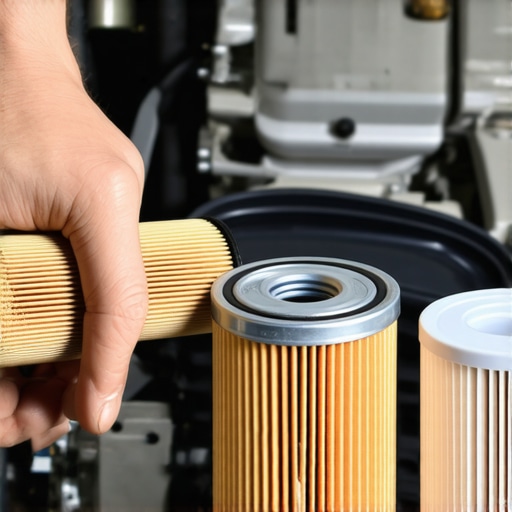
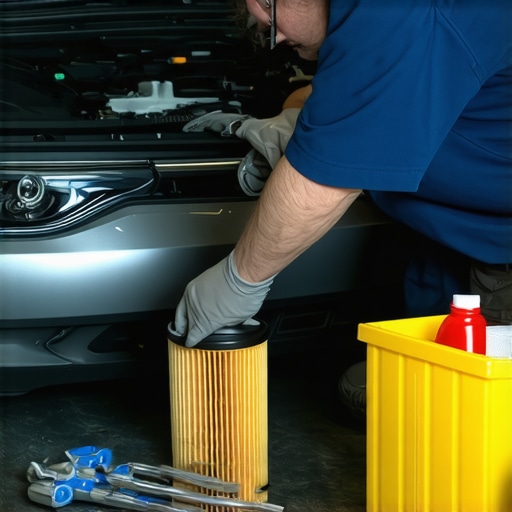
Before leaving the shop, ask to see the old filter or have them show you the new one installed. During my last oil change, I requested a quick peek under the hood, and to my surprise, the mechanic hauled out the old filter from the trash bin. That immediate visual confirmation reassured me that the service was thorough. If you’re not comfortable doing this yourself, consider watching the technician as they handle the replacement to ensure the filter is swapped correctly.
Locate and Inspect the Oil Filter Position
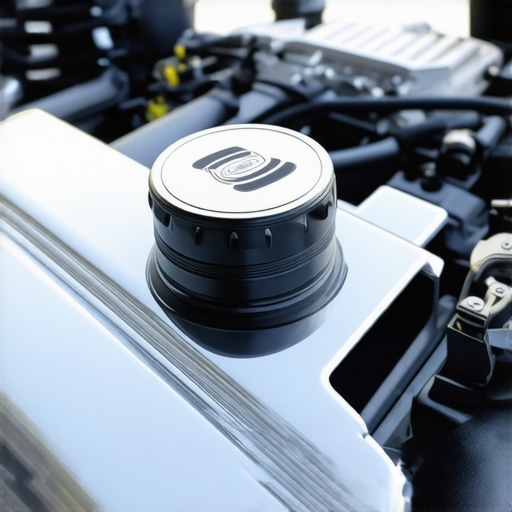
Find your vehicle’s oil filter—it’s often a small, round, metal or plastic component accessible from the engine bay or under the vehicle. Consult your owner’s manual or a repair guide for precise location. Once identified, do a visual inspection: a new filter should appear clean and free of oil stains or grime. In my experience, taking a quick look provided a tangible check—if it’s greasy or appears untouched, follow up with your mechanic.
Use a Magnet to Detect Metal Shavings
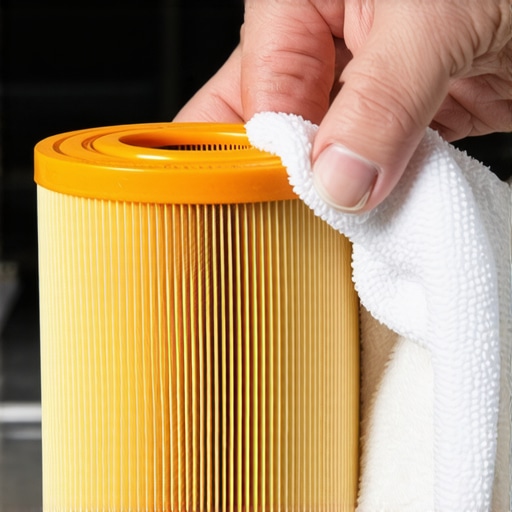
Some filters contain metal components. After the oil change, wipe the filter with a clean cloth or a magnet. Heavy metal shavings or steel debris might indicate worn engine parts or improper filter installation. During one inspection, I noticed subtle metal shavings on the filter’s surface, which prompted me to run a diagnostic scan—preventing potential engine damage.
Check for Proper Seal and Fit
Examine the oil filter’s seal—new filters have a fresh, intact O-ring. When installing, it should be snug but not over-tightened. If the seal is cracked or missing, oil can leak, reducing lubrication. I recall tightening the filter slightly more after noticing a minor seepage, which resolved the leak instantly and confirmed proper installation.
Test Drive and Monitor for Leaks
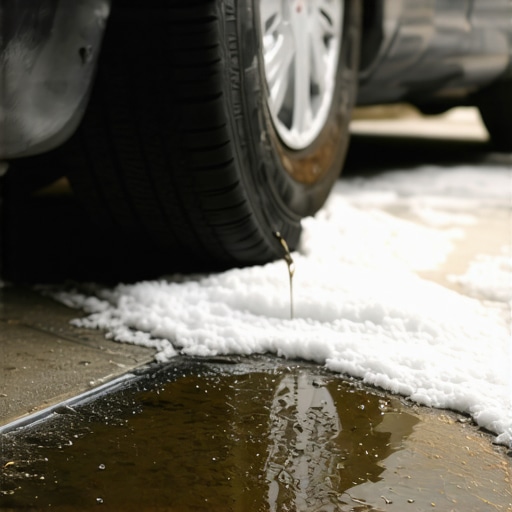
After the oil change, start your engine and observe the area around the filter for drips or puddles. During a recent test drive, I watched the undercarriage through the service pit mirror and noticed a small oil spot. Having detected the leak early, I parked the car and returned to the shop—turns out, the filter was cross-threaded, and they corrected it immediately. This step can prevent engine oil loss and costly repairs.
Use a Dipstick to Verify Oil Quality and Level
Ensure fresh oil fills the engine to the appropriate level. During my check, I pulled the dipstick, cleaned it, and inspected the oil—clear, amber, and free of debris. A new oil filter works with fresh oil, and if levels are low or the oil appears contaminated, revisit the shop. Regularly verifying oil quality supports engine health and confirms your filter’s effectiveness.
Confirm Service with Internal Vehicle Records
If you’ve maintained records or the shop provides digital receipts, check the date and details of your last oil change. This documentation can help you track whether the service interval was met and if a filter replacement coincided with the last oil change. During my last visit, I marked the date in my calendar to ensure timely maintenance, reducing guesswork and increasing peace of mind.
Many car owners believe that an ASE certification guarantees perfect service, but the reality is more nuanced. It’s a common misconception that ASE credentials mean a technician is infallible; in reality, certification indicates proficiency but doesn’t eliminate the risk of mistakes or oversight. A frequent trap is to assume that all shops with ASE-certified techs perform equally thorough work—that’s not always the case. For example, some mechanics might pass their tests but lack practical experience with complex modern systems, leading to subpar repairs or overlooked issues. As experts warn, relying solely on credentials without engaging with the shop’s reputation or asking detailed questions can backfire.
Can ASE Certification Truly Predict Expert-Level Car Maintenance?
Research from automotive industry analysts suggests that ASE certification correlates with a baseline competence but isn’t a foolproof indicator of expertise in specialized areas like transmissions or hybrid systems. For instance, a study published in the Journal of Automotive Engineering highlights that ongoing training and hands-on experience are critical for mastering modern vehicle technology. So, if you’re seeking advanced diagnostics or complex repairs, look beyond certifications and ask about a technician’s specific experience with your vehicle model and systems. For example, choosing a shop that employs experts trained in transmission troubleshooting can prevent costly failures later. You might consider consulting resources like this article to understand how ASE standards integrate with specialized skills.
Another widespread misconception is that car service, such as oil changes, can be adequately evaluated by checkout procedures alone. In reality, many mechanics falsely assume that replacing the filter or topping up fluids suffices, but advanced issues—like hidden wear in transmission components—can evade surface inspections. To avoid these pitfalls, regular comprehensive diagnostics are essential, especially for high-mileage vehicles or those with complex transmission systems. Neglecting such detailed checks can lead to escalating problems, including shifting shudder or fluid leaks, which might only be diagnosed during a thorough inspection process. As explained in this post, skipping critical maintenance intervals can cost you far more than an upfront service. Remember, proactive diagnostics combined with professional expertise safeguard your investments and keep your vehicle running smoothly. Have you ever fallen into this trap? Let me know in the comments.Maintaining your vehicle’s health beyond simple oil changes requires the right tools, methodical approaches, and a strategic mindset. Personally, I’ve found that investing in quality diagnostic equipment and staying current with software updates helps me spot potential issues before they escalate. For example, a reliable OBD-II scanner like the BlueDriver Bluetooth Pro offers real-time data and fault code readings, allowing me to understand exactly what my car’s sensors are reporting and catch transmission quirks early. Regularly updating my vehicle’s electronic control modules (ECMs) through manufacturer software ensures that my car benefits from the latest fixes and improvements, extending its lifespan and performance.
Beyond digital tools, physical maintenance devices contribute significantly to long-term reliability. I highly recommend a good set of torque wrenches designed specifically for automotive applications—like the Tekton 1/2 Inch Drive Adjustable Torque Wrench—which help ensure components like oil filters and transmission parts are tightened properly. Over-tightening can damage seals, while under-tightening may cause leaks or part failures.
Looking ahead, I believe vehicle maintenance is trending towards greater integration of telematics and AI diagnostics. As car systems become more interconnected, tools that can interpret complex data and provide actionable insights in real-time will become indispensable. Keeping your tools updated and understanding how to utilize them effectively will be key to staying ahead.
When asked, “How do I maintain my transmission over time?” my answer is: consistently use a quality transmission fluid, adhere to manufacturer service intervals, and employ advanced diagnostic tools to monitor shifting performance. For example, routine fluid analysis can detect early signs of contamination or corrosion, preventing costly repairs later. Regular inspections combined with diagnostics can reveal issues like the specific grinding noise discussed in [this article](https://autofixclinic.com/the-specific-transmission-grinding-noise-that-disappears-in-neutral), enabling timely interventions.
Finally, don’t underestimate the value of a dedicated maintenance schedule. Set reminders for fluid checks, sensor calibrations, and software updates. As transmission specialist experts suggest, “Advanced diagnostics and preventive maintenance are your best allies in ensuring smooth shifting and avoiding unexpected breakdowns” (source: technical documentation from transmission system manufacturers).
Why not try calibrating your vehicle’s ECU with the latest software update this weekend? Doing so can enhance performance and help your vehicle adapt to new driving conditions, ultimately keeping your car working reliably mile after mile.
How I Learned to Trust but Always Verify
One of my most eye-opening lessons came not from a mechanic’s word, but from my own diligence. Realizing that even certified techs can overlook small details has empowered me to be proactive. Double-checking the replaced oil filter and staying informed about my vehicle’s condition has saved me from costly repairs down the line.
Small Checks, Big Differences
Visually inspecting the oil filter and ensuring it’s correctly installed might seem trivial, but these steps build confidence. I’ve found that a little extra effort—like verifying the seal or monitoring for leaks—often prevents bigger issues. Making these small, intentional checks part of your routine can significantly extend your engine’s lifespan.
Personal Tools for Peace of Mind
Investing in a quality OBD-II scanner or torque wrench has transformed how I manage vehicle maintenance. These tools offer real-time insights and ensure components are correctly fitted, saving money and reducing downtime. They’re a small investment for invaluable peace of mind and are worth integrating into your maintenance habits.
The Power of Knowledge and Action
Understanding that ASE certification is a solid foundation but not a guarantee of perfection has encouraged me to ask questions and stay engaged. Regular diagnostics, thorough inspections, and staying current with maintenance schedules keep my vehicle running smoothly. Remember, a proactive approach is your best defense against unexpected breakdowns.
Your Next Step Toward Confidence in Car Care
Empower yourself by applying these insights—peek under the hood, verify service details, and invest in preventive tools. Ensuring your car is genuinely maintained isn’t just about avoiding breakdowns; it’s about owning your driving experience. Have you ever caught a potential issue early by taking these steps? Share your experiences below—we can all learn from each other.