Why your transmission fluid is turning dark brown
I remember the moment vividly—jolting into my driveway after a long drive, only to notice a strange, burnt smell and a strange color on my driveway where I parked. When I checked under the hood, my transmission fluid looked darker than I remembered, almost like used motor oil. That lightbulb moment hit me hard: I had neglected transmission maintenance longer than I should have. It’s a common mistake many car owners make, thinking transmission fluid can last forever. But the truth is, dark brown transmission fluid signals trouble, and ignoring it can lead to costly repairs or even breakdowns.
Why Transmission Fluid Changes Color and Why It Matters
In my early days as a car enthusiast, I assumed that transmission fluid would stay clear or pink forever. That misconception cost me a lot of money. Over time, I learned that several factors cause your transmission fluid to darken—from heat, contamination, to wear and tear of internal components. When transmission fluid turns from pinkish or red to dark brown, it’s a sign that the fluid is breaking down and losing its lubricating properties. This deterioration can cause sluggish shifting, gear slippage, and even damage to transmission parts.
Research shows that contaminated or degraded transmission fluid is a leading cause of transmission failure, which can be prevented with regular maintenance. In fact, failing to change your transmission fluid can significantly shorten the lifespan of your transmission, costing thousands in repairs. So, how do you know when it’s time to replace it? Stay tuned—next, I’ll guide you through the signs and what steps to take to keep your transmission shifting smoothly.
Gather the Right Tools and Supplies
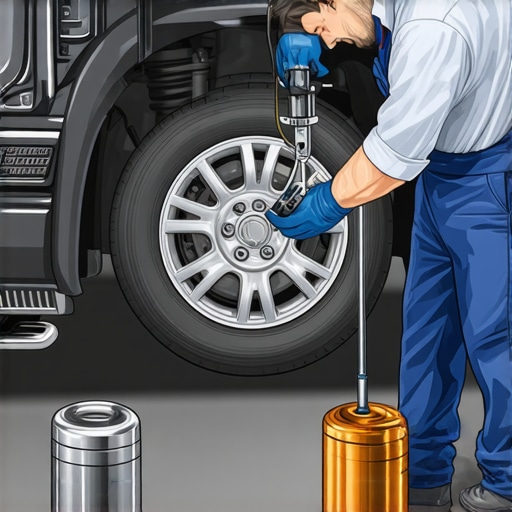
Start by assembling all necessary tools: a socket set, a transmission fluid pump, a drain pan, new transmission fluid as specified by your vehicle manufacturer, and a new transmission filter if your vehicle requires one. Double-check your owner’s manual or consult a trusted mechanic to ensure you have the correct type of fluid. I once attempted a quick DIY fluid change with the wrong fluid type, which caused shifting issues—learning from that mistake, I now always verify the specifications beforehand.
Prepare the Vehicle for Fluid Drain
Park your car on a level surface and engage the parking brake. If needed, raise the vehicle using jack stands for better access, but ensure it is securely supported. Then, locate the transmission pan underneath the car—usually at the center, connected to the engine. Wearing gloves, loosen the drain plug with a socket wrench and allow the old fluid to fully drain into your pan. Remember, transmission fluid can be hot; handle with caution to avoid burns. I once forgot to let the fluid cool, and the hot splash surprised me—so always wait until it’s safe to work.
Remove and Replace the Transmission Filter
Next, detach the transmission pan bolts carefully and lower the pan. If your vehicle has a filter, replace it with a new one by disconnecting it from the transmission’s internal assembly. Clean the pan thoroughly to remove sludge and debris that can impair transmission performance. During my last replacement, I used a rag to wipe away grime, but ensuring a spotless pan and new gasket prevents leaks. Proper sealing is vital—your ASE-certified mechanic emphasizes that even a small misalignment can cause significant issues down the line.
Refill with Fresh Transmission Fluid
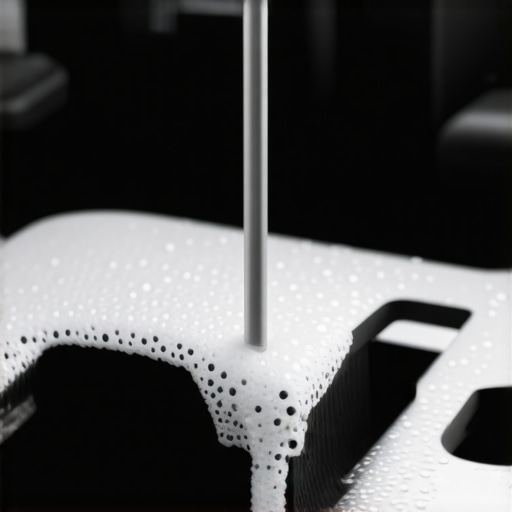
Reattach the pan with a new gasket and tighten bolts to manufacturer specifications. Use a transmission fluid pump to refill through the designated fill port—do not overfill, as excess fluid can cause foaming and shifting problems. Check the level with the dipstick, adding fluid gradually until it reaches the correct mark. I learned this step the hard way: overfilling led to foamy fluid, causing erratic shifts. Regularly checking fluid level during the process ensures optimal performance.
Test and Verify the Repair
Start your engine and shift through all gears, including reverse and drive, to circulate the new fluid. With the vehicle idling on a level surface, recheck the fluid level and top off if necessary. Pay attention to how the transmission shifts—smoothly and without hesitation is the goal. I once drove off immediately after a fluid change, noticing a slight slipping, which I resolved by rechecking levels. For longer-term maintenance, refer to trusted resources like why regular oil changes extend your car’s lifespan. Properly maintained transmission fluid can vastly improve your vehicle’s performance and longevity.Many car owners believe that regular oil changes and basic servicing are enough to keep their vehicle in prime condition. However, there’s a lot more beneath the surface that often goes unnoticed. For example, a popular myth is that as long as the oil looks clean, it’s good to go. In reality, oil can appear clear but still have degraded properties that compromise engine performance, especially if it hasn’t been changed within recommended intervals. Advanced vehicle diagnostics reveal that even small, overlooked issues—like subtle transmission shudder or engine hesitation—can hint at deeper problems only detectable through specialized diagnostic tools.
Should Modern Cars Require Less Frequent Maintenance?
The automotive industry has long touted longer oil change intervals, especially with synthetic oils. Yet, recent studies suggest that longer intervals don’t always equate to better long-term health. In fact, extending oil change intervals beyond manufacturer recommendations can lead to sludge buildup and accelerated wear, contradicting some of the marketing messages. An ASE-certified technician emphasizes that understanding your vehicle’s specific needs and consulting trusted resources like why regular oil changes extend your car’s lifespan is crucial for optimal maintenance. Moreover, many owners underestimate the importance of transmission care, assuming that if shifting feels smooth, all is well. The silent damage that occurs behind the scenes can cause costly repairs unless proactively addressed. Common mistakes include neglecting transmission fluid changes or misjudging the significance of subtle shifting inconsistencies. This is where a thorough understanding of the vehicle’s nuances becomes invaluable. For those curious about the technical details, exploring how internal transmission components wear or how fluid degradation affects shifting can offer insights that prevent premature failure.Maintaining your vehicle’s transmission system requires not just knowledge but also the right equipment to ensure every service is thorough and effective. One of my go-to tools is the transmission fluid tester kit, which allows me to assess the fluid’s condition accurately before initiating any maintenance. I particularly rely on the COLORpH Test Kit, a simple yet precise device that detects contamination and breakdown in transmission fluid, saving time and preventing costly repairs. Using such tools has revolutionized my approach, allowing early detection of issues that could escalate if left unchecked.
Another essential piece of equipment is a reliable transmission pan gasket scraper, which I use to remove sludge and debris thoroughly. This step is crucial because residual grime can impair seal integrity and lead to leaks. I prefer the heavy-duty, stainless-steel scrapers made by OEMTOOLS, which are sturdy, ergonomic, and provide a clean surface for proper gasket sealing. Investing in quality tools not only makes the task easier but also prolongs the lifespan of your transmission components.
When it comes to software, I recommend diagnostic scan tools like the Autel MaxiSys series. These devices connect to your vehicle’s OBD-II port and provide real-time data, including transmission temperature, pressure readings, and error codes. They enable a technician or an experienced DIYer to pinpoint issues precisely. With advancements in vehicle diagnostics, future tools are expected to incorporate AI-driven insights, making preventive maintenance even more predictive and personalized.
A critical aspect of ongoing maintenance is establishing a routine check using these tools and techniques. For example, regularly testing your transmission fluid’s condition can help monitor your transmission’s health over time, catching problems early. I suggest incorporating this check every 30,000 miles, aligning with manufacturer recommendations but adjusting based on driving conditions. Consistent care can dramatically extend the life of your transmission, providing smoother shifts and preventing unexpected breakdowns.
Moreover, adopting a proactive maintenance schedule based on data from diagnostic tools shows your commitment to vehicle longevity. It’s worth noting that many ASE-certified technicians emphasize the importance of regular, detailed inspections—something I’ve seen greatly reduce repair costs and downtime. For a comprehensive approach, refer to this resource about the benefits of routine oil and fluid changes.
Looking ahead, the trend in transmission maintenance points toward greater automation and integration with vehicle telematics. Vehicles will increasingly monitor their own fluid conditions, notifying owners of impending issues via smartphone apps or onboard displays. Keeping abreast of these innovations allows you to plan timely interventions, ultimately saving money and avoiding inconvenience.
**How do I maintain my transmission system over time?** Regularly inspect and test your transmission fluid with tools designed for accuracy and ease of use. Incorporate diagnostic checks every 30,000 miles or when noticing shifting irregularities. Embrace new technologies like AI-driven diagnostic systems as they become available, and work with certified professionals to implement a preventive approach. Remember, consistent attention today will ensure your transmission remains reliable for miles to come. For detailed insights into long-term transmission care, explore this article.
What I Wish I Knew Before Jumpstarting My Transmission Care Routine
Discovering that dark, burnt-smelling transmission fluid signals more than just a simple maintenance need—I learned that neglecting these signs can lead to costly, irreversible damage. It’s easy to assume that transmission fluid lasts forever, but my early oversight taught me that proactive attention is key to longevity. A deeper understanding of how fluid degradation affects internal components transformed my approach to car care, saving me from unexpected breakdowns.
Tools and Resources That Gave Me Confidence in DIY Transmission Work
From the best-quality transmission gauges to trusted diagnostic apps, assembling the right toolkit has been a game-changer. I rely on tools like the COLORpH Test Kit for precise fluid analysis and the Autel MaxiSys series for diagnostics. These resources empower me to identify issues early and perform maintenance with confidence, ultimately extending my vehicle’s lifespan. Investing in quality equipment is an underrated secret to successful DIY transmission care.
Final Thoughts: Embrace Continuous Learning and Preventive Actions
The future of vehicle maintenance is moving toward smarter, data-driven systems, but the foundation remains the same: awareness, routine checks, and timely intervention. Start by routinely inspecting your transmission fluid, understanding your vehicle’s unique needs, and trusting certified professionals when necessary. Remember, maintaining your car’s transmission isn’t just about avoiding repairs—it’s about ensuring safety, comfort, and value over the years. Your dedication today pays dividends in miles ahead.