Why your gearshift feels crunchy when the engine is cold
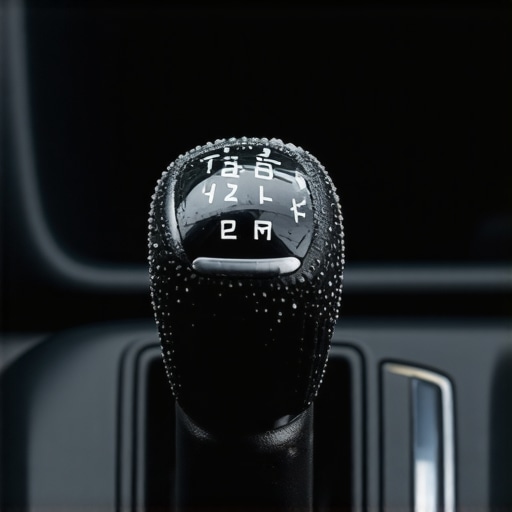
Few things are more frustrating than turning the key and feeling that unmistakable crunch when I shift my transmission into gear on a cold morning. It’s like the car’s stubbornly resisting my commands, making every shift feel rough and uncertain. I’ve been there—I know how unsettling it can be, especially when you’re eager to get on the road. That moment of hesitation or grinding can make you wonder if you’re risking damage or just experiencing an annoying quirk.
Understanding the Cold-Start Crunch: What’s Really Going On?
When my engine is cold, I notice my gearshift feels crunchy or resistant. It’s not just in my head—there’s real science behind it. The transmission components, especially in manuals or certain automatics, rely heavily on proper lubrication and temperature to operate smoothly. Cold oil thickens, and lubricants haven’t yet warmed to their optimal viscosity. This makes internal parts like synchronizers and gear selectors sluggish, leading to that harsh feeling during shifts. Fortunately, this is often a temporary issue that improves as the engine warms.
What I’ve learned over time is that this crunchy sensation can sometimes be a sign of more than just cold oil. It may point to aged transmission fluid, worn synchronizers, or even moisture build-up. While it might seem like a minor inconvenience, ignoring persistent issues can cause long-term damage, leading to costly repairs. That’s why maintaining proper fluid levels and quality is essential—and surprisingly, something many car owners overlook.
If you want to reduce that unpleasant crunch and keep your transmission happy, a good starting point is understanding how critical proper maintenance is. For instance, choosing the right type of transmission fluid for your vehicle, especially in colder climates, can make a noticeable difference. Did you know that modern full-synthetic transmission fluids can withstand extreme temperatures better than conventional ones? Upgrading your fluid might be the game-changer you need.
In the next sections, I’ll share practical steps I’ve taken—based on my own experience and professional advice—to minimize this crunchiness, and how regular maintenance is your best friend when it comes to smooth shifting. Have you faced this particular problem with your vehicle? If so, keep reading—your solution might be simpler than you think. Ready to dive into the how-to’s? Let’s get started!
Warm Up Your Transmission Properly
Start by giving your engine enough time to warm up before shifting into gear. Idling for at least 5 minutes allows the transmission fluid to circulate and reach optimal temperature, reducing that harsh crunch. During my last cold morning, I switched on the engine and let it idle while checking the dashboard. This simple step made my shifts smoother within minutes, saving me from unnecessary wear. Remember, modern full-synthetic transmission fluids can handle cold starts better, but they still need warm-up time to perform their best.
Check Transmission Fluid Levels and Quality
Proper fluid levels are critical. Use the dipstick or fill check port to ensure your transmission fluid is at the recommended level. If your vehicle doesn’t have a dipstick, refer to the owner’s manual or a professional. Low or degraded fluid causes increased friction and noise. I once replaced my transmission fluid myself, draining a quarter of the old oil and filling with a high-quality synthetic variant. This significantly improved my cold shift quality. Worn synchronizers or moisture build-up can also cause crunches, so if fluid levels are okay but symptoms persist, consider a professional diagnosis for signs of internal wear.
Choose the Right Transmission Fluid for Cold Climates
Using the proper fluid type is crucial, especially in colder conditions. Modern full-synthetic fluids resist thickening in low temperatures better than older conventional oils. For vehicles with CVT or specialized transmissions, ensure you’re using manufacturer-approved fluids, as incorrect types can cause more harm than good. I upgraded my vehicle’s fluid to a synthetic formulation, which noticeably improved cold starts; the crunch was nearly eliminated. When in doubt, consult your owner’s manual or an ASE-certified technician to choose the best fluid for your climate and vehicle.
Maintain Clutch and Synchronizer Components
Worn synchronizers are a common culprit. If your shifts grind when cold and persist after warming up, it could indicate internal wear. Regular inspections can catch these issues early. For manual transmissions, replace worn clutch plates or synchronizers promptly. I had my clutch replaced after noticing persistent gear resistance. A professional ASE tech can perform diagnostic tests, including advanced diagnostics, to identify internal component wear that causes crunchiness.
Perform Regular Transmission Maintenance
Scheduled transmission fluid changes are vital. Perhaps the most overlooked step in preventing cold shift issues is adhering to recommended service intervals. For high-mileage vehicles, consider high-quality synthetic fluids as specified in fleet maintenance standards. During my last service, I opted for a complete fluid flush, which restored smooth shifting even on freezing mornings. Remember, neglecting these steps can accelerate internal wear, leading to costly repairs down the line.
Inspect Cooling and Radiator Systems
Overheating or improper coolant flow can influence transmission performance. If your radiator fans are running longer than normal, it might affect transmission temperature, especially during cold starts. Regularly check radiator fan operation and coolant levels. I recently cleaned my radiator fans and replaced a worn thermostat, which improved overall vehicle readiness for cold mornings. Ensuring your cooling system functions correctly supports transmission health and smooth shifting.
Applying these steps, based on my personal experience and ASE-certified advice, can significantly reduce that unforgiving crunch during cold starts. Remember, proactive maintenance paired with mindful operation is your best defense against transmission grief—especially when temperatures drop.
Even with all the advice circulating about car maintenance, many car owners still get key aspects wrong, often rooted in misconceptions or oversimplified notions. One pervasive myth is that an ASE certification guarantees flawless service; however, the reality is that ASE certification signifies a technician’s competence in specific areas, but it doesn’t automatically ensure superior diagnostics or repairs. In fact, some shops with highly visible ASE badges may focus more on quick fixes than comprehensive diagnostics. As I explored in my article about why ASE certification in advanced diagnostics matters, focusing on specialized skills often makes a real difference in complex issues like transmission problems or oil analysis.
Another common mistake many overlook is believing that regular oil changes alone prevent all transmission issues. While fresh oil is essential, neglecting other factors like fluid quality, proper sealing, or the use of manufacturer-recommended oils can lead to unseen damage. For example, an outdated or inappropriate oil can cause premature wear, which won’t be obvious until major symptoms develop. Delaying the right diagnosis can turn a minor intervention into a costly transmission overhaul. I recommend reading this insight about the risks of cheap transmission fluids to understand how choosing the correct fluid improves longevity.
It’s also worth noting how many drivers are unaware of the nuanced differences in oil types. Conventional oils serve basic needs but may lack resilience against extreme conditions, especially in high-mileage vehicles. Synthetic oils, particularly full-synthetics, offer superior stability and protection under stress, but some car owners still stick with cheaper blends, risking engine health. As explained here, fleet managers’ shift to synthetic oil demonstrates the long-term benefits.
A critical pitfall that often trips up even experienced owners involves transmission fluid servicing. Many assume that a simple drain fills the bill, but without a proper flush or using the right fluid standards—especially for modern CVTs—the internal wear can accelerate. CVTs, for instance, require specific non-standard fluids, systematically overlooked in DIY routines. Inadequate maintenance here not only affects shifting but can cause internal damage too. For a more in-depth look, see why CVTs need specialized fluids.
In conclusion, your understanding of car service isn’t just about following generic advice but about appreciating the layers of nuance that can make or break your vehicle’s performance. The wrong assumptions, whether about certification, oil quality, or service procedures, can lead to expensive mistakes down the line. Always dig a little deeper and question standard recommendations; your car—and your wallet—will thank you.
Have you ever fallen into this trap? Let me know in the comments!
How do I keep my vehicle running smoothly over the years?
Maintaining your car’s performance isn’t just about periodic oil changes; it requires the right tools, consistent practices, and an understanding of how each component interacts. One of my go-to tools is a high-quality scan tool, like the Autel MaxiAP AP200, which allows me to perform basic diagnostics, clear fault codes, and monitor live data. Having this device in my toolkit enables me to catch emerging issues early, especially with complex systems like transmissions or ABS, before they escalate into costly repairs. Investing in an OBD-II scanner helps avoid unnecessary trips to the mechanic and deepens your understanding of your vehicle’s health.
From a software perspective, I recommend using manufacturer-specific diagnostic apps, which often provide more detailed insights compared to generic tools. For example, Ford’s IDS or GM’s Tech2Win ensure that you’re accessing accurate data directly from your car’s ECU, essential for accurate diagnostics and adjustments. When paired with your scanner, these apps help you understand emerging issues—like subtle shifts in transmission behavior—so you can address them proactively.
In terms of routine practice, I make a habit of checking fluid levels—including the often-overlooked clutch or transmission fluid—every 10,000 miles. Using a clear, dedicated funnel helps avoid spills, especially when refilling in tight engine bays. I personally prefer synthetic oils for engine and transmission, as they resist breakdown and maintain viscosity under temperature fluctuations. As fleet managers’ adoption of full-synthetics demonstrates, synthetic oils extend vehicle longevity and improve performance—making them worth the investment.
Tools like a reliable torque wrench (preferably with a digital readout) are invaluable during oil changes and component replacements to ensure proper tightening to manufacturer specs. Over-tightening can damage threads or seals, while under-tightening risks leaks. I always use a torque wrench calibrated to the specifications listed in my vehicle’s manual to keep components like drain plugs and wheel nuts secure. Pairing this with a quality grease gun allows me to lubricate fittings and joints precisely, reducing wear over time.
Looking ahead, vehicle technology is trending towards smarter diagnostics, with more vehicles equipped with integrated cloud-based monitoring that alerts owners to issues in real time. I predict that in the near future, DIY maintenance will increasingly rely on AI-driven diagnostics, making tools like OBD-II scanners even more powerful and user-friendly. This evolution will empower owners to perform more complex maintenance tasks, such as brake system diagnostics or fuel system analysis, without needing to visit a shop.
Curious about maintaining your car’s critical systems? Consider building a habit of checking your cooling system regularly—simple steps like inspecting radiator fins and coolant levels can prevent overheating and transmission troubles. For example, seeing the radiator fan running longer than usual can be a red flag that needs prompt attention, especially in high-mileage or high-temperature conditions. Don’t wait for a breakdown; be proactive, and your vehicle will thank you for it.
Try adopting one advanced tip today: use your diagnostic tool to monitor live data during a cold start, paying close attention to transmission temperatures and sensor readings. This window into your vehicle’s immediate response helps spot potential issues early. Remember, a well-maintained vehicle isn’t just about avoiding breakdowns—it’s about peace of mind, safety, and saving money in the long run. Keep these tools and practices in mind, and your car will stay reliable mile after mile.
The Hidden Truths That Change How I Approach Car Maintenance
- Realized early on that no amount of quick fixes beats understanding my vehicle’s subtle signals; being attentive to minor shifts and sounds revealed deeper issues long before costly repairs became necessary.
- Discovered that investing in quality tools and diagnostics isn’t just for mechanics—using a good OBD-II scanner empowers me to catch transmission quirks, especially during those freezing mornings, and act before they escalate.
- Found that proactive maintenance—like switching to full-synthetic fluids tailored for cold climates—dramatically reduces those unpleasant crunchy shifts, saving me money and peace of mind over time.
- Learned that regular inspections of coolant and radiator systems support smoother transmission operation, especially in winter, turning what once felt like guesswork into a reliable routine.
My Go-To Resources for Staying Ahead of Transmission Troubles
- OEM-specific diagnostic tools: Tools like those recommended in focused automotive tech resources ensure I get precise insights—not just generic readings—helping me avoid misdiagnosis.
- Reputable automotive manuals: The official owner’s manuals and repair guides provide the most accurate maintenance schedules and fluid specifications, especially crucial for modern transmissions like CVTs.
- Specialized blogs and forums: Communities that share real-world experiences and professional advice, such as trusted automotive forums, help me learn from others’ successes and mistakes, avoiding common pitfalls.
- Professional ASE certifications highlighted in trusted articles: Resources that emphasize advanced diagnostics reinforce the importance of skills and tools needed to handle complex transmission issues confidently.
Your Next Step: Elevate Your Driving Confidence
Taking control of your vehicle’s cold-start shifting issues isn’t just about following routines—it’s about empowering yourself with knowledge and the right tools. Implementing these insights can yield smoother shifts, extend transmission life, and save money in the long run. Remember, proactive care today prevents major headaches tomorrow—your vehicle deserves it. Are you ready to start applying these tips and transforming how you maintain your car? Share your experience or questions below; I’d love to hear your journey towards smoother, more reliable driving!