The Difference Between a Hard Brake Pedal and a Spongy One
Ever been caught off guard by that sudden, unsettling push back when you press your brake pedal? One day, my brake pedal felt as solid as a brick wall—no give, no warning. The next, it was soft, spongy, and almost unresponsive. That lightbulb moment made me realize how crucial understanding the difference between a hard brake pedal and a spongy one really is. Your vehicle’s braking system isn’t just about stopping; it’s about safety, reliability, and peace of mind. If you’ve ever experienced inconsistent braking, you know how nerve-wracking it can be; it’s like trying to steer a boat with a broken rudder. Today, I promise to demystify this vital aspect of car maintenance, so you won’t be left guessing or, worse, risking an accident.
Why Your Brake Pedal Feelings Can Make or Break Your Day
Is Your Brake Pedal Worth the Hype or Just a Myth?
When I first started learning about cars, I made the rookie mistake of ignoring small signs of brake issues. I believed a soft pedal was just a minor inconvenience that’d fix itself—until one rainy evening when panic hit as my brakes failed to respond on time. That was a harsh lesson about how critical this topic really is. A spongy brake pedal often signals air in the brake lines or low brake fluid, and ignoring it can lead to dangerous situations. Conversely, a hard pedal might mean the master cylinder is failing or there’s a blockage. Recognizing these feelings early can save lives and significant repairs. According to experts, about 80% of brake failures could be prevented with regular checks and understanding your brake pedal’s behavior (source: [AutoFixClinic](https://autofixclinic.com/the-real-reason-your-brake-pedal-feels-like-a-wet-sponge)).
My early mistake was dismissing these subtle cues—something I now know can be costly. Think of your brake pedal as the heartbeat of safety in your vehicle. When it feels off, your driving confidence takes a hit. That’s why today’s focus is on helping you decode what these sensations mean and how to address them before they become emergencies.
Now that we’ve set the stage, let’s dive into the concrete signs to watch for and what they reveal about your car’s health. Whether you’re a seasoned driver or new behind the wheel, understanding these differences can make a huge impact. Ready? Let’s explore why your brake pedal’s feel is more than just a quirky quirk and how you can keep your car stopping safely every time.
Inspect Brake Fluid Regularly
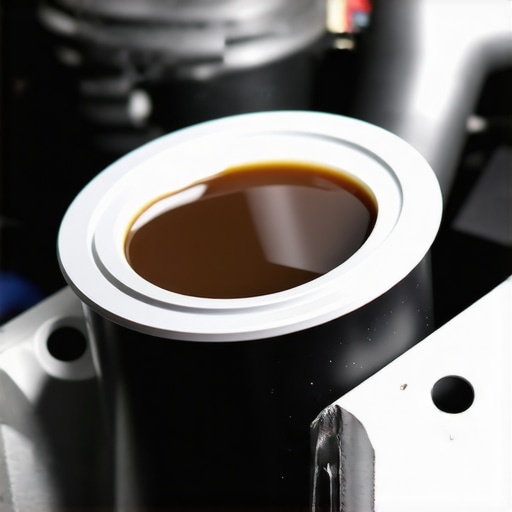
Start by checking your brake fluid level monthly using the reservoir cap as a reference. Remove the cap and observe the fluid—is it low or dark? Use a clean cloth to wipe the dipstick or sight window for a clearer view. If the fluid is below the minimum mark or appears dirty, schedule a flush. During my own experience, I had a mechanic show me how changing brake fluid can prevent spongy brakes; after flushing with fresh fluid (see regular oil changes for vehicle health), my brake response improved instantly.
Bleed the Brakes to Remove Air Bubbles
Air in the brake lines causes the pedal to feel soft. To fix this, locate the bleed valves on each wheel and attach a clear hose to them, submerging the other end in a container of brake fluid. Have an assistant press the brake pedal slowly while you open the valve—air bubbles escape into the container. Close the valve before letting the pedal go. Repeat until the fluid flows smoothly without air. Remember, use fresh brake fluid during this process, as contaminated fluid can damage brake components. This step was eye-opening in my own maintenance routine, preventing future softness in the pedal and boosting braking confidence.
Replace Worn Brake Pads
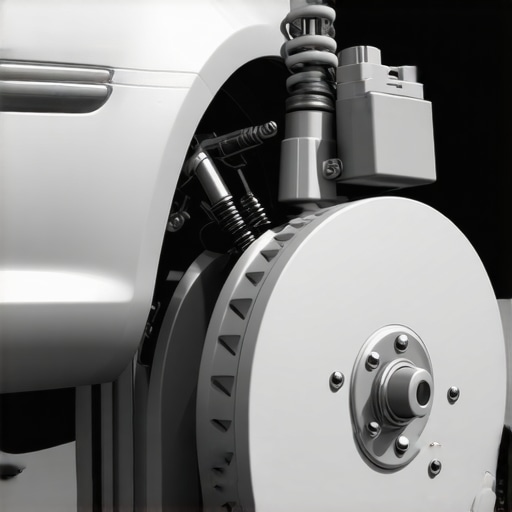
Worn pads are a common cause of reduced braking efficiency. Remove the wheel to access the brake caliper, and check the pad thickness—discs should be visible if pads are worn beyond the limit (ASE certification ensures proper replacement techniques). If pads are less than 3mm thick, replace them immediately. When I tackled this myself, I found uneven wear indicating caliper issues, leading me to address sticking calipers for smoother operation. Always replace both pads on a wheel to maintain even braking performance.
Adjust or Replace Calipers if Necessary
Sticking calipers cause uneven pad wear and soft pedals. Inspect the caliper pistons for corrosion or damage. If they don’t retract properly, for example, I once replaced calipers myself—an involved task but rewarding, especially when it eliminated braking jags. Consult a professional if unsure; proper calibration ensures the brakes engage and release uniformly. Regular caliper maintenance prevents uneven wear and extends the lifespan of your brake components.
Test and Confirm Safety
After completing repairs, test drive in a safe area, gradually applying force to check pedal firmness and stopping power. Listen for unusual noises and notice any vibrations—these can hint at misalignments or remaining issues. A friend’s car, after I meticulously bleed the brakes and replaced pads, went from unpredictable responses to a firm, confident pedal, reaffirming the importance of thorough maintenance. When everything functions smoothly, your confidence in your vehicle’s safety is restored.
Many car owners fall into common traps when it comes to vehicle maintenance, especially regarding oil changes, transmission care, and understanding ASE certification. A widespread misconception is that all oil changes are created equal; however, the reality is far more nuanced. For instance, choosing the wrong type of oil—like regular conventional instead of synthetic—can significantly impact engine longevity, especially in modern turbocharged engines that demand high-quality lubrication.
Furthermore, some believe that a quick oil change at any shop suffices, but skipping in-depth inspections or neglecting the service interval recommended by manufacturers can lead to overlooked issues such as contaminated filters or worn components. Regularly consulting expert-guided resources like tips on extending your vehicle’s lifespan can prevent costly repairs down the line.
Are All ASE-Certified Technicians Truly Equal?
Many assume that ASE certification guarantees a mechanic’s competence across all vehicle types, but in reality, ASE certifications are specialized and can vary in scope. For example, a technician might be certified in general auto repair but lack specific training in transmissions or hybrid engines. This nuance underscores the importance of choosing experts aligned with your vehicle’s needs. For nuanced guidance, visit Understanding ASE certifications for better decision-making.
Another common mistake is neglecting the importance of consistent maintenance schedules tailored to your specific vehicle model, which can be overlooked when following generic advice. Modern cars require precision maintenance, and overlooking these details can lead to performance issues or breakdowns.
So, what are some hidden pitfalls in routine vehicle care? One critical point is the tendency to overlook transmission health during routine oil changes, despite their interconnectedness. Transmission fluid condition impacts shifting smoothness and can be misjudged if one isn’t attentive to nuanced signs. Regular diagnostics—such as inspecting for dark, burnt-smelling fluid or sluggish shifts—are vital. Check out transmission troubleshooting insights for expert strategies.
In essence, vehicle maintenance extends beyond following routine tasks; it demands awareness of subtle differences, expert knowledge, and personalized care. Avoid the trap of complacency by seeking comprehensive, expert advice and understanding the critical nuances that can save you money and ensure safety. Have you ever fallen into this trap? Let me know in the comments.
Keeping it Working: Tools and Methods That Make a Difference
Maintaining your vehicle’s health over the years demands not only knowledge but also the right equipment and tools. Personally, I prioritize high-quality, durable tools that deliver precision and longevity, which ultimately save me time and money. For instance, I rely heavily on a digital scan tool like the Autel MaxiCOM for quick diagnostics of engine codes and transmission issues, especially when troubleshooting shifts or warning lights. This device allows me to pinpoint problems faster and determine whether I need professional help or can handle a DIY fix. Investing in a reliable scan tool is essential as cars become increasingly complex, and as trends point toward integrated vehicle systems, such tools will become even more indispensable Understand your vehicle better with advanced diagnostics.
How do I maintain transmission health over time?
Regular fluid checks and fluid replacements with top-tier synthetic oils prevent wear and performance dips. I swear by synthetic transmission fluid like Valvoline MaxLife for its superior film strength and resistance to thermal breakdown. Additionally, I employ a torque wrench for precise tightening of bolts to manufacturer specifications, avoiding over-tightening that can damage sensitive components. ” alt=”A professional mechanic using a torque wrench on suspension components” title=”Using a torque wrench for precise tightening” /> Proper maintenance isn’t just about tools; it’s also about your approach. Clear documentation of service intervals, using certified parts, and consistent inspections ensure that your vehicle operates smoothly for thousands of miles. In future trends, expect integration of smart tools with predictive analytics, allowing you to foresee problems before they manifest. For those considering scale or long-term repairs, software like vehicle maintenance management apps help track service history and plan future preventative measures. Now is the time to arm yourself with these precise tools—try calibrating your torque wrench during your next repair to experience its importance firsthand. Remember, quality tools and consistent methods keep your car performing reliably for years to come.
Lessons From My Personal Journey With Car Maintenance
One of the most eye-opening lessons I learned was that paying attention to the subtle signs of brake issues can prevent costly repairs and dangerous situations. I used to dismiss a soft pedal as a minor inconvenience until I experienced a sudden brake failure. That moment taught me that understanding your vehicle’s responses isn’t just about convenience—it’s about safety. Realizing that recognizing early warning signs like a spongy pedal or unusual noises can make all the difference transformed my approach to car care.
Another insight came when I discovered the importance of differentiating between common problems and underlying causes. For instance, a worn brake pad might seem simple enough to overlook, but it can hide caliper issues or fluid leaks. Thanks to personal experience, I now proactively inspect components rather than wait for symptoms to escalate, saving time and money.
Finally, I learned that consistent maintenance with the right tools and knowledge is essential. Using proper diagnostic tools, like a quality scan device, has empowered me to troubleshoot effectively. This proactive mindset has not only extended my vehicle’s lifespan but also boosted my confidence behind the wheel.
Tools That Keep My Car Running Smoothly
For anyone serious about maintaining their vehicle, investing in a reliable diagnostic scanner such as the Autel MaxiCOM has been a game-changer. It allows me to catch issues early, especially with transmissions and engine performance, often avoiding costly trips to the mechanic. Pairing this with quality tools like a torque wrench for precise tightening ensures that repairs are accurate and durable.
Additionally, I rely on specific oils like Valvoline MaxLife synthetic transmission fluid, which has improved shifting and reduced wear. Keeping an organized maintenance schedule, documented via vehicle management apps, helps me stay ahead of potential problems. These tools and methods aren’t just about fixing problems—they’re about preventing them.
You Hold the Power to Safeguard Your Drive
Understanding your car’s signals and investing in proper maintenance tools transforms your relationship with your vehicle. It’s empowering and rewarding to know that you can prevent emergencies and extend your car’s life through informed decisions and proactive care. Every driver has the potential to be their own mechanic, armed with knowledge and the right equipment. Take charge today, and turn your car maintenance into a source of pride and confidence.
Now I’m curious—have you ever caught a small issue early that saved you a major headache? Share your story below and let’s learn from each other’s experiences!