What to Do When Your Steering Wheel Shakes While Braking
Have you ever hit the brakes and felt that unsettling shudder through the steering wheel, catching you off guard? I remember one especially bright Saturday morning, I was just cruising to run errands when suddenly, my steering wheel started jittering, almost as if my car was protesting. It was a lightbulb moment for me—something wasn’t right, and ignoring it could have led to bigger, more expensive issues. That experience made me realize how common, yet how overlooked, this problem is.
In today’s post, I’ll share everything I’ve learned about what causes your steering wheel to shake during braking and, more importantly, how you can address it without getting ripped off by shady repair shops. Whether you’re a seasoned car owner or just someone trying to stay safe on the road, understanding this issue can save you time, money, and maybe even your life.
Why Your Steering Isn’t Supposed to Shudder During Braking
When I first experienced that trembling, my first thought was, “Is this just a minor thing, or should I panic?” Turns out, it’s a pretty clear sign that something needs attention, and ignoring it can lead to uneven tire wear, brake failure, or worse, a dangerous situation on the road. Typically, the culprit behind this phenomenon is warped brake rotors—a common issue that can develop from frequent braking, especially if you tend to brake hard or ride the brakes downhill.
Warped rotors cause the brake pads to contact uneven surfaces, which translates into vibrations that you feel through the steering wheel. But here’s the kicker: this symptom might also be caused by unbalanced wheels, worn-out suspension components, or even tire issues. That’s why it’s so important to get a professional diagnosis before jumping to conclusions.
Now, I’d be lying if I said I mastered this on my first try. Early on, I made the mistake of assuming it was just a misaligned wheel or dirt on the brakes. I didn’t consider that uneven brake rotors could be the root cause—I thought a simple brake pad change might do the trick. That was a mistake that could have cost me much more down the line. To learn more about how to tell if your mechanic is truly qualified for your specific vehicle, check out [how to tell if your ASE tech is specialized in your vehicle type](https://autofixclinic.com/how-to-tell-if-your-ase-tech-is-specialized-in-your-vehicle-type).
If this sounds familiar, don’t worry—I’ve got you covered. In this post, I’ll walk you through practical steps to identify whether warped rotors are the villain, how to address them, and what to avoid to keep your car running smoothly and safely. Ready to take control of that shaky steering? Let’s dive into the first steps with confidence.
Secure Your Vehicle and Gather Necessary Tools
Start by parking your car on a level surface, engaging the parking brake, and turning off the ignition. Collect essential tools: a jack, jack stands, lug wrench, socket set, brake caliper tool, and a torque wrench. Safely elevating your car ensures stability during the repair process. I remember the first time I did this myself—using a sturdy jack and watching my car lift smoothly was empowering, even if I got a bit greasy in the process.
Remove the Wheel and Access the Brakes
Loosen the lug nuts slightly while the tire remains on the ground to prevent it from spinning. Then, lift the car with the jack, secure it with jack stands, and fully remove the lug nuts to take off the wheel. This exposes the brake components. I once struggled a bit here when my lug nuts were overly tight—using a breaker bar made a big difference, saving me from unnecessary frustration. Check the brake caliper and rotor for signs of warping or uneven wear.
Inspect and Measure the Rotor Thickness
Examine the rotor surface for grooves, rust, or cracks. Use a micrometer to measure rotor thickness and compare it to your vehicle’s specifications, which can typically be found in the owner’s manual or repair guide. If the rotor is below the minimum thickness, replacing it is crucial. I learned this the hard way when I ignored minor grooves, leading to a more costly rotor replacement later. Proper measurement prevents over- or under-replacement, maintaining safe braking performance.
Resurface or Replace the Rotor
Resurfacing (if applicable)
If your rotor is moderately warped but still within thickness specs, machining might restore its smooth surface. This requires specialized equipment at a brake shop. When I had my rotors machined, I made sure the shop was ASE-certified for brake work—reading their credentials online reassured me of their expertise, which is a smart move before handing over your car.
Replacing the Rotor
For severely warped or worn rotors, installing new ones is the safest choice. Remove the caliper and old rotor, then install the new rotor onto the hub, ensuring it sits flush. Torque the rotor retaining screws if present, following manufacturer specs. Reinstall the caliper and secure all bolts tightly. I once rushed through this step and faced a squealing noise afterward—double-checking torque settings and following your vehicle’s manual ensures a proper fit. Proper installation prevents future issues and guarantees safety.
Reattach the Wheel and Test Drive
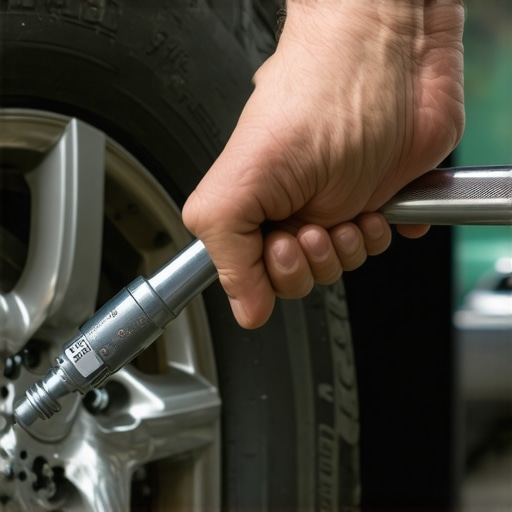
Put the wheel back on, tighten lug nuts finger-tight, then lower the vehicle and fully tighten the nuts in a criss-cross pattern with a torque wrench. This pattern ensures even pressure distribution. Afterward, test drive your car to confirm the shaking has stopped. I remembered feeling a significant improvement after my first rotor replacement, with smoother stops and no vibrations—proof that proper execution makes all the difference. Regular maintenance and inspections keep your braking system in top shape and prevent future warping.
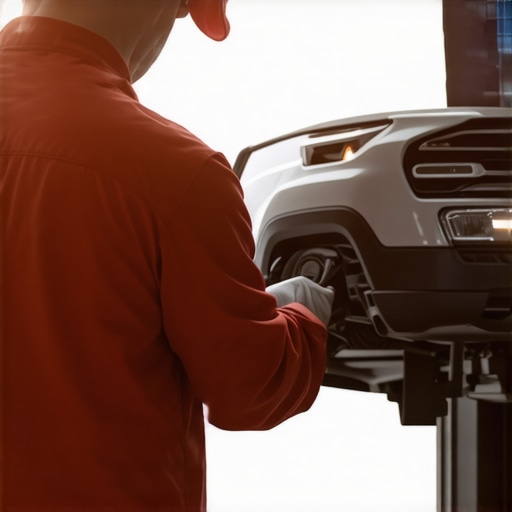
Remember, if you’re not comfortable performing these steps yourself, visiting a professional mechanic with ASE certification can save you time and ensure safety. Find out more about what an ASE badge really means for your vehicle’s care here. Proper diagnosis and professional service keep your car running smoothly and safely, avoiding costly repairs down the line.
Many car owners believe that following basic maintenance routines, like regular oil changes or visiting any nearby service shop, is enough to keep their vehicle in top shape. However, beneath this straightforward advice lie numerous misconceptions and overlooked details that can significantly impact your car’s performance and longevity.
Are ASE Certifications Always a Guarantee of Quality?
It’s a common assumption that an ASE-certified technician guarantees superior service. While ASE certification signifies a technician’s competence, it doesn’t automatically mean they’ll deliver the best maintenance for your specific vehicle. A study by the National Institute for Automotive Service Excellence reveals that specialization matters—certified techs who focus on particular makes or models tend to perform repairs more accurately. Always ask whether your mechanic has specific expertise related to your car’s brand or problem; knowing this nuance can save you from costly misdiagnoses and improper repairs.
Furthermore, many overlook the importance of understanding transmission service nuances. For example, a transmission flush isn’t always necessary or beneficial; in some cases, a simple drain-and-fill suffices. An automatic transmission’s internal components can be damaged by aggressive flushing if not performed correctly, especially in vehicles with high mileage. Educating yourself on when and how to service your transmission, rather than blindly trusting what shops suggest, is crucial. Dive into transmission maintenance insights to make informed decisions.
Similarly, many believe that regular oil changes are all their vehicle needs. But the type of oil (synthetic vs. conventional), the oil filter’s quality, and the change interval’s alignment with driving habits matter immensely. A false myth persists that newer engines require less frequent oil changes; in reality, manufacturers often recommend shorter intervals for turbocharged or direct-injection engines to prevent carbon buildup or oil degradation. Recognizing these specifics, as explained in why regular oil changes extend your car’s lifespan, can dramatically improve engine health.
One common trap is the assumption that all car services are interchangeable. For instance, many skip professional inspections, trusting DIY solutions that overlook hidden issues like small leaks or worn-out bushings. This oversight accumulates, leading to expensive repairs down the line. What makes matters worse is when shop technicians fail to tailor services to your vehicle’s unique needs—like using the wrong type of brake fluid or neglecting specific manufacturer recommendations. So, always choose a service provider that understands the nuances of your vehicle. Find out how to select the right car service that truly cares.
Finally, an advanced tip for the seasoned driver: paying attention to subtle signals can prevent major failures. For example, differences in shifting behavior or unusual noises might indicate worn control arms or transmission issues. Recognizing these signs early, with the help of trusted diagnostics, prevents costly breakdowns. Have you ever fallen into this trap? Let me know in the comments.Maintaining your vehicle over time requires more than just occasional visits to the shop; it involves investing in the right tools and adopting consistent routines. Personally, I rely on a high-quality digital torque wrench, such as the Lyle 22000, which offers precise torque settings crucial for ensuring lug nuts and critical components are tightened to manufacturer specifications. This prevents uneven wear and potential safety hazards, especially after performing wheel rotations or brake work. For examining transmission fluid levels and conditions, I use a sealed, long-reach dipstick and a infrared temp gun to assess operating temperatures accurately—tools that help me catch early signs of overheating before costly damage occurs.
Lessons I Wish I Learned About Car Servicing Early On
One of my biggest lightbulb moments was realizing that a shuddering steering wheel isn’t just a minor annoyance but a sign of underlying issues like warped rotors or unbalanced wheels. I used to think such vibrations were normal after heavy braking, but now I understand they can signal impending safety hazards. Over time, I learned that trusting just any mechanic can lead to unnecessary expenses—certified, specialized technicians can make a world of difference, as highlighted in what ASE certification really means. The biggest lesson? Regular, tailored maintenance, especially for brake systems, extends beyond simple swaps—it’s about understanding your vehicle’s unique needs and acting proactively.
Tools and Resources I Swear By for Car Care
Investing in quality tools like a digital torque wrench ensures lug nuts are tightened precisely, preventing future issues. For diagnostics, I rely on trusted sources such as transmission maintenance guides and online certification verifications to confirm my mechanic’s expertise. Books like why regular oil changes matter have deepened my understanding of engine health, motivating me to stay ahead of potential problems. These resources aren’t just tools—they’ve transformed the way I care for my vehicle, making sure every part runs with purpose and precision.
Embrace the Journey to Safer Driving
Maintaining your vehicle, especially actions like addressing steering shuddering during braking, taps into your ownership confidence and safety. It’s about recognizing small signs before they escalate, trusting certified professionals, and using reliable tools and information. Your car is more than a means to get around—it’s a vital part of your life that deserves your attention and care. So, take that next step today—schedule a diagnostics session, explore trustworthy guides, and invest in quality tools. Your journey toward safer, smoother drives starts now.
What’s one small maintenance task you’ve hesitated to do but now wish you’d tackled earlier? Drop your story below—I’d love to hear it!