How to Clean Battery Corrosion Without Damaging Your Engine Bay
Ever reached under the hood only to be greeted by a greenish, crusty mess around your battery terminals? I recall my own frustration when I first saw that stubborn corrosion buildup. It looked harmless at first—just some white or greenish deposits—but I learned the hard way that neglecting it can lead to starting issues, reduced battery life, and even damage to other engine components. That lightbulb moment hit me hard. I realized I was risking both my time and money just because I wasn’t aware of simple, safe cleaning methods.
Why Battery Corrosion Deserves Your Attention Now
Battery corrosion may seem like a minor problem at first glance, but it’s a sneaky culprit behind many avoidable car troubles. Corrosion occurs when sulfuric acid leakage from the battery reacts with moisture in the air, forming deposits that can impede electrical flow. If ignored, these deposits can cause poor engine starts, flickering lights, or even a dead battery—sometimes right when you’re in the middle of your busy day. In fact, a neglected battery terminal can reduce the battery’s efficiency by up to 50%, according to experts at AutoFix Clinic.
Now, the question is: how can you clean away this corrosion without risking damage to your engine bay? I’ve been there—thinking that a harsh scrape or pouring chemicals might do the trick but ending up with more problems. Early on, I made the mistake of using abrasive tools that marred the battery casing and the nearby wiring. That was a costly lesson in why knowing the right method is crucial. Fortunately, over time, I discovered that a gentle approach combined with proper tools and materials can effectively restore your battery terminals without harm.
Is Safe Battery Cleaning Really Worth the Effort?
Absolutely. Not only does it prevent costly repairs down the line, but it also keeps your vehicle running smoothly and safely. Regular maintenance, including cleaning battery terminals, can extend your car’s lifespan—just like choosing the right oil change schedule for optimal performance. I used to think that a quick wipe was enough, but I learned that proper technique makes all the difference. Trust me, taking a few minutes to do it right today saves headaches tomorrow. Let’s walk through how to clean your battery without risking damage, so you can keep your engine bay healthy and reliable.
Gather Your Tools and Prepare the Area
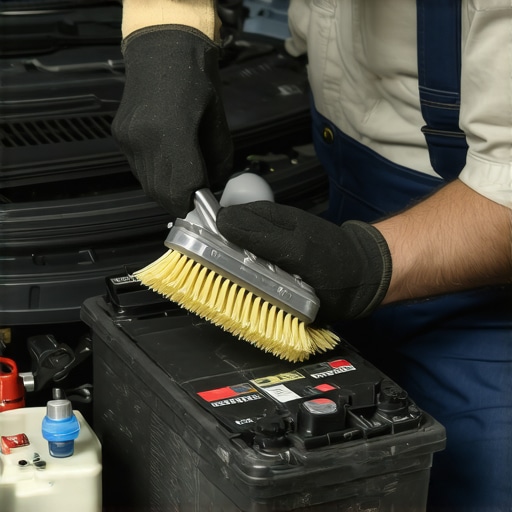
Start by assembling your cleaning supplies: a mixture of baking soda and water, a wire brush or toothbrush, rubber gloves, protective eyewear, and a clean cloth. Park your vehicle on a flat surface, turn off the engine, and disconnect the negative terminal first to prevent any short circuits. Remember, safety first—wear gloves and eye protection to avoid chemical splashes or debris contact. I once skipped gloves, and a splash of the baking soda solution got into my eyes; it stung badly, emphasizing the importance of proper safety gear.
Disconnect the Battery Terminals Properly
Loosen the nut on the negative (black) terminal and gently lift the cable away from the post. Repeat the process for the positive (red) terminal. Keeping the negative disconnected minimizes the risk of sparks or electrocution if a tool touches the chassis. I recommend labeling the cables if they are not color-coded, preventing confusion during reassembly. This step is crucial—improper disconnection can cause damage or incomplete cleaning. Think of it as turning off the main power before fixing your home’s wiring.
Apply the Baking Soda Solution to the Corroded Areas
Mix a tablespoon of baking soda with a cup of water until it fizzes. Dip your brush into the solution and carefully apply it to the corroded terminals and the surrounding areas. The bubbling action neutralizes the acid deposits and begins breaking down the corrosion. I once tried using vinegar, but the baking soda mixture is safer for battery components and less likely to cause damage. Let the solution sit for 5-10 minutes, giving it time to work through the buildup.
Scrub Away with Care
Using your brush or toothbrush, gently scrub the terminals and the inner parts of the cable ends. Be thorough but gentle—harsh scrubbing can damage the terminals or leave scratches that may trap moisture later. When I cleaned my battery, I found that a soft-bristled toothbrush cleaned the tight spots more effectively and prevented accidental damage. Avoid using metal tools which can cause sparks or short-circuits; instead, opt for plastic or wooden tools if needed.
Rinse and Dry Completely
Dampen a clean cloth with water and wipe down all cleaned surfaces to remove residual debris and baking soda. Then, thoroughly dry everything with a dry cloth or compressed air to prevent moisture from causing further corrosion. Moisture left behind is a common mistake that leads to quick re-corrosion. I learned this lesson after my first attempt—taking the time to dry thoroughly made my cleaning last longer. Once dry, inspect the terminals for any damage needing professional attention.
Reconnect Terminals and Test the Battery
Attach the positive cable first, tightening the nut firmly, then reconnect the negative cable. Ensure the connections are tight and secure—loose connections can cause starting problems. Before starting your vehicle, consider applying a thin layer of petroleum jelly or commercial terminal protectant to guard against future corrosion. I once neglected this step, and the corrosion returned within weeks, highlighting its importance. Restart your engine and verify proper operation—if issues persist, consulting a professional might be necessary.
Maintain Regular Checks to Prevent Future Buildup
Adding a dab of terminal protectant during regular maintenance helps keep corrosion at bay. Schedule visual inspections every few months if you live in humid or salty environments. As part of your vehicle routine, understanding the importance of preventive care minimizes emergency repairs. For tailored advice and professional assistance, reaching out to a trusted mechanic via AutoFix Clinic can ensure your vehicle remains in top shape, avoiding corrosion-induced failures and extending battery life.While many car owners believe they understand basic vehicle upkeep, several misconceptions persist, especially regarding ASE certification, transmission health, and oil changes. Let’s clarify some of these nuanced truths that can make a significant difference in your car’s longevity and performance. Contrary to popular belief, ASE certification doesn’t always guarantee a technician’s expertise in every vehicle aspect; it’s a baseline, not a comprehensive indicator. Many assume that a certified mechanic will automatically diagnose complex issues accurately, but without specific experience—like with transmission systems—mistakes can occur.
Why Do Some Oil Changes Sabotage Your Engine? Its Nuances
Regular oil changes are vital, but applying the wrong type of oil or neglecting oil filter quality can accelerate engine wear. Synthetic oils, for example, offer better protection in high-temperature conditions—but using the wrong viscosity or skipping the proper oil filter can lead to sludge buildup. Experts emphasize adhering to manufacturer specifications—not just relying on the interval, but understanding the oil’s chemistry and compatibility. Skipping or delaying oil changes isn’t just about engine noise; it risks oil breakdown, leading to increased friction and eventual engine failure. Learn more on transmission issues that can stem from improper maintenance. Advance notice and correct procedures prevent costly repairs.
Advanced Thinkers Question How Transmission Service Affects Overall Vehicle Performance
Many drivers overlook the critical nature of transmission health, thinking only about gearbox fluids. Yet, neglected transmission fluid can cause slipping, harsh shifts, or even complete failure, impacting overall vehicle efficiency. Proper service—such as fluid flushes performed by ASE-certified technicians—ensures smooth operation and extends component life, as supported by industry studies. Remember, transmission problems don’t always manifest immediately; subtle shifts and noises are often warning signs. Regular expert checks and understanding the nuances protect your investment. Don’t forget, the secret to prolonged transmission life involves not just flushing fluids but also inspecting solenoids and internal sensors for wear—an area many overlook. For tailored advice, reach out through our contact page. Have you ever fallen into this trap? Let me know in the comments.
Investing in Quality Tools for Longevity
Maintaining your vehicle’s health requires more than just basic supplies; it demands precision instruments that stand the test of time. My go-to is the Fluke 115 True RMS Multimeter. This device provides accurate electrical readings, helping me troubleshoot battery connections, fuses, and wiring issues efficiently. Unlike cheaper multimeters, the Fluke ensures reliability, which is crucial when diagnosing complex electrical faults in modern vehicles. Investing in a high-quality multimeter isn’t just about accuracy—it’s about preventing costly repairs caused by misdiagnosis.
Utilizing Smart Diagnostic Software
Technology has revolutionized car maintenance, making professional-grade diagnostics accessible to enthusiasts. I recommend OBDLink MX+ for its speedy connectivity and broad compatibility with various vehicles. Paired with the automotive diagnostic apps, it enables you to scan, read codes, and clear error messages effectively. Regularly updating your software ensures you’re equipped to handle evolving vehicle systems, especially as manufacturers incorporate more electronic control modules. In the future, AI-powered diagnostics might make such tools even smarter, enabling predictive maintenance before issues manifest.
Practice Proper Battery Maintenance Techniques
One underrated tool in my arsenal is a battery terminal cleaning kit. It includes insulated tools and specialized brushes that allow safe and thorough cleaning, extending battery life significantly. From my own experience, a simple $20 kit saved me hundreds by avoiding premature replacements. Remember, disconnecting the terminals correctly and inspecting for corrosion can prevent failures—especially vital if your car is frequently in stop-and-go traffic or exposed to harsh weather conditions.
Streamlining Long-Term Results with Routine Checks
Implementing a scheduled maintenance plan leverages these tools for effective results. Setting reminders on software like vehicle maintenance apps helps you stay proactive. Additionally, keeping a detailed service log ensures you monitor frequencies for oil changes, transmission flushes, and battery checks—avoiding neglect that leads to expensive repairs down the road. By using these tools consistently, you build a tailored approach that reduces breakdowns and enhances your vehicle’s lifespan.
Scale Your Maintenance Efforts Over Time
As your confidence grows, consider investing in diagnostic scanners capable of **reading live data streams**, like the Autel MaxiCOM MK808. This allows real-time monitoring of critical parameters, enabling you to spot issues like fluctuating transmission fluid temperature or irregular engine sensor readings early. Such proactive measures are especially vital for fleet owners or enthusiasts managing multiple vehicles. Over time, these advanced diagnostics can evolve into predictive analytics, helping you schedule repairs before problems escalate, saving time and money.
How do I maintain my vehicle’s performance regularly?
The key is consistency. Schedule routine inspections—think of it as a health check-up for your car. Use quality tools like a reliable multimeter to troubleshoot electrical issues, and pair it with smart software that alerts you to potential problems. Regularly check and clean your battery terminals—this simple step can prevent dead batteries and starting issues—especially in extreme weather. Incorporate these practices into your maintenance routine, and you’ll enjoy a smoother, safer drive while extending your vehicle’s lifespan. Remember, a little effort today pays off in long-term reliability—so why not try cleaning your battery terminals with a specialized kit this weekend? For personalized advice on your vehicle, contact us via our support page.
Throughout this journey, I’ve realized that maintaining a vehicle is much more than just routine checks—it’s about understanding the subtle signs and mastering the small practices that prevent big problems. The first lesson I learned is that many car owners overlook the importance of regular, proper battery terminal cleaning, which can stave off sudden breakdowns. Neglecting this vital step not only risks your vehicle’s starting ability but can also damage delicate electronic components. Another insight is that investing in quality diagnostic tools, like a trusted multimeter or an advanced OBD scanner, pays off tenfold by catching issues before they escalate, saving both time and money. Perhaps most unexpectedly, I found that a simple habit—scheduling preventative maintenance—can transform vehicle longevity from a matter of luck into a reliable routine, giving me peace of mind on every drive. These personal revelations reinforced that proactive, informed care is the cornerstone of vehicle health, and sharing them with fellow enthusiasts can make a real difference in how we approach car maintenance every day.