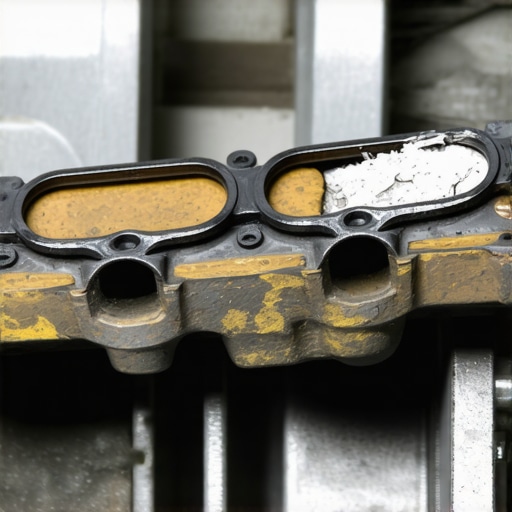
The Specific Gasket Failure That Mimics a Blown Head
Ever been halfway through a quiet drive when suddenly your engine starts to sputter, and you can’t help but wonder if the head gasket finally gave up? I remember the exact moment I realized something was off. It was a chilly Saturday morning, and I had just pulled into the driveway after a routine oil change. Out of nowhere, my engine started to overheat, and the dreaded white steam billowed from under the hood. That sudden surge of panic, mixed with frustration, made me question everything I knew about my car’s health.
The Hidden Minefield in Engine Repairs
What if it’s not the Head Gasket?
Many car owners, myself included back then, assume that blowing a head gasket is the worst-case scenario. But what if I told you there’s a sneaky little culprit that can hide in plain sight—often mistaken for a blown head gasket but actually being a different gasket failure altogether? This misdiagnosis can lead to costly repairs, unnecessary part replacements, and even drive you into a dead end of despair. In my quest to solve this mystery, I came across countless forums and expert advice, only to realize I had made a crucial early mistake—assuming the worst without thorough investigation.
Understanding the nuances of these gasket failures is vital. It’s not just about fixing what’s broken but knowing what you’re really dealing with. A specific failure, sometimes called a “failed intake gasket” or other gasket issues, can mimic a blown head gasket in symptoms and appearance. The key is to recognize the subtle differences before jumping into full head gasket replacement.
If you’ve ever faced that sudden overheating or a mysterious coolant loss, you’re not alone. And yes, it can be confusing. But fret not. This post will walk you through how to identify whether your gasket is truly blown or if it’s a different gasket failure masquerading as the big one.
Before diving into the how-to, I want to share a little insight I wish I knew earlier. Early on, I made the mistake of only checking the coolant levels and assuming a blown gasket from the milky oil sign. But that’s only part of the story. In reality, a thorough inspection engine diagnosis is your best bet — much like how ASE-certified technicians recommend a comprehensive approach to diagnosing complex engine issues. For a deeper understanding of engine seals and their vulnerabilities, check out [this detailed guide](https://autofixclinic.com/what-an-ase-certification-actually-guarantees-for-your-engine).
Now, let’s move past the guesswork and get to the actual steps to accurately identify gasket issues. Because when you know exactly what’s wrong, you can save yourself a lot of money and stress—and get your car back on the road faster.
Pull Out Your Inspection Tools and Prepare
Start by gathering essential diagnostic tools: a flashlight, a clean rag, a mirror, and a coolant pressure tester. This kit will help you peek into hard-to-see engine areas safely. Remember, be cautious around hot engine components to avoid burns. I once ignored the cooling system’s pressure cap during a chilly morning, which led to a minor scald—lesson learned. Ensuring safety first sets the tone for an effective diagnosis.
Check for Coolant Leaks and Signs of Overheating
Locate visible coolant leaks—these often manifest as puddles or stains beneath the engine. Use the flashlight and mirror to inspect around the cylinder head and intake manifold. Keep an eye out for white sludge or milkshake-like consistency in the oil; these indicate possible internal gasket issues. I once noticed a faint sweet smell near the engine bay, prompting me to verify coolant levels—discovered an almost-dripping gasket seal that was soon replaced.
Perform a Compression Test
This step assesses the sealing efficiency of your engine’s cylinders. Attach a compression gauge to each spark plug hole and crank the engine. Record the readings; significant variation suggests a failing head gasket or intake gasket. I vividly recall a Saturday afternoon spent in the driveway, nervously cranking while my son handed me the gauge—finding uneven compression that pointed me toward a faulty gasket, saving unnecessary parts replacement.
Interpreting Compression Results for Gasket Failures
If compression in one cylinder drops drastically compared to others, it indicates a leak—often from a blown gasket. To rule out other issues, perform a leak-down test, which involves introducing compressed air into the cylinder and listening for leaks. This step parallels how ASE-certified technicians diagnose complex engine problems, emphasizing thoroughness over guesswork.
Conduct a Cooling System Pressure Test
Use the coolant pressure tester to pressurize the system beyond normal operating pressure. Watch for pressure drops or witness bubbles escaping from the radiator or inside the radiator cap. These signs can point to a gasket leak allowing combustion gases into the cooling system, a telltale sign of gasket failure. I had a tense moment during one test when the pressure rapidly dropped, revealing a tiny crack in the gasket that could have led to engine overheating if left unchecked.
Examine the Oil Quality and Appearance
Remove the oil fill cap and inspect the oil’s appearance. A milky or frothy layer on the oil suggests coolant mixing—a clear indicator of a compromised gasket seal. Alternatively, a decrease in oil level without visible leaks can also signal internal gasket failure. Once, I caught this early after noticing a suspicious film on my oil cap, which unfortunately confirmed my gasket was on its last legs.
Cross-Reference Symptoms and Findings
Compile all findings: coolant leaks, compression results, pressure test outcomes, and oil appearance. Consistent signs across these diagnostics strengthen the case for gasket failure. Be systematic; missing a step like checking for white exhaust smoke can lead you astray. Remember, diagnosing correctly can save you thousands and prevent unnecessary parts replacement, much like reliable ASE certification ensures expert repair quality—see this guide for more insights into engine diagnostics.
Many car owners believe they have a solid grasp on vehicle maintenance, but the reality is that some of the most widespread beliefs are actually misconceptions. Let’s challenge some of these common ideas and shed light on hidden nuances that can make a significant difference in your car’s longevity and performance.
Dispelling the Myth That All ASE Certifications Guarantee Expert Service
It’s a common assumption that an ASE certification equates to flawless expertise. While ASE certification indicates a mechanic has passed certain tests, it doesn’t necessarily guarantee superior skill or experience in every area. In fact, some technicians might hold the certification but lack specialized training in complex systems like modern transmissions or hybrid engines. According to a study by the National Institute for Automotive Service Excellence, ongoing education is crucial for technicians to stay current with evolving technology. Relying solely on ASE credentials can be a trap; always look for a technician’s experience with your specific vehicle model. To ensure quality, consider seeking recommendations or reviews from trusted sources, and verify whether the shop invests in continuous training.
Why Routine Oil Changes Might Not Be Enough
Many believe that changing oil every 3,000 miles is a blanket rule that applies universally, but modern oils and engines often don’t need such frequent attention. Overly conservative intervals can lead to unnecessary expenses and environmental waste. Recent advancements in synthetic oils have extended oil change intervals to 7,500 or even 10,000 miles, provided other maintenance tasks are up to date. The real secret is tailoring oil change frequency to your driving habits and vehicle specifications, which can often be found in your owner’s manual. Ignoring this can lead to either premature oil changes or neglected maintenance—both costly mistakes.
Could Car Service Oversimplify Your Vehicle’s Needs
Many owners fall into the trap of thinking that routine maintenance is just about oil and filter changes. However, neglecting critical components like the transmission fluid, brake system, or alignment can cause problems down the line. For instance, automatic transmissions often require specific fluid types to function correctly, and using the wrong type can lead to slipping or costly repairs. Letting a mechanic perform a comprehensive vehicle health check can reveal hidden issues before they escalate. If you want to extend the life of your car, prioritize a full-service inspection rather than just basic oil changes.
Make yourself visible to your car’s needs: regular diagnostics can prevent unexpected breakdowns and costly repairs. For advanced insights, check out this guide on diagnosing engine vibrations, or explore tips for maintaining transmission health. Have you ever fallen into this trap? Let me know in the comments.Maintaining your vehicle’s performance over time requires more than just basic knowledge; it demands the right tools, consistent procedures, and an understanding of evolving automotive technology. As vehicles become more complex, so do the maintenance methods needed to keep them running smoothly. One essential approach is investing in diagnostic tools that provide accurate insights without relying solely on guesswork. For example, a high-quality scan tool like the Autel MaxiSYS series allows you to read complex ECM codes and even reset adaptives, reducing the risk of misdiagnosis. I personally use this tool because it covers a wide range of makes and models, making troubleshooting quicker and more precise. Additionally, software subscriptions such as OEM-specific diagnostic programs ensure you’re always up-to-date with the latest repair updates, which an ASE-certified technician would recommend for consistent results.
Long-Term Results Require Consistent Practices
Beyond tools, adhering to a scheduled maintenance routine is vital. Regular oil changes with high-quality synthetic oils can extend engine life, but knowing the right oil to use is critical. Industry trends are moving towards feature-specific formulations, like those compatible with CVT transmissions, which require special attention—particularly if you want to avoid that dreaded slipping sensation when the engine is warm. For instance, the secret to preventing transmission slipping involves using designated fluid and proper flushing procedures.
Scaling Up Maintenance for Growing Fleets
Fleet managers are increasingly turning to cloud-based diagnostic platforms that aggregate data from multiple vehicles, allowing proactive maintenance observations. This trend is expected to grow, offering real-time alerts for issues like uneven tire wear or impending brake failure, based on sensor data analysis. As this advance continues, individual owners can benefit from adopting some digital monitoring practices, like regular data logging with OBD-II devices that pair with mobile apps. These tools, combined with expert advice, help extend the lifespan of critical components, ultimately saving money and reducing downtime.
How Do I Maintain Diagnostics Over Time?
Regularly updating your diagnostic software is crucial to ensure compatibility with new vehicle models. Additionally, investing in a reliable multimeter and oscilloscope can help you verify electrical signals precisely, whether troubleshooting sensors or testing wiring harnesses. For example, monitoring voltage fluctuations in your alternator circuit can prevent sudden breakdowns—an issue I faced firsthand and mitigated through thorough electrical testing. As vehicle systems become increasingly integrated, mastering these tools becomes indispensable. Don’t hesitate to implement a simple schedule for software updates or learn basic voltage measurement techniques—these small steps can significantly enhance your car’s reliability. For detailed guidance on diagnosing engine vibrations, check out this expert advice and start honing your diagnostic skills today. Getting familiar with such advanced tools and methods today prepares you for a more reliable ride tomorrow.
The Unexpected Truths I Discovered About Gasket Failures
One of the most valuable lessons I learned was that not all gasket issues are as straightforward as they seem. A simple coolant leak can mask a much deeper problem, and jumping to conclusions often leads to unnecessary repairs. Recognizing the subtle signs and understanding the differences between gasket types transformed my approach to vehicle maintenance, saving me time and money.
Another insight was the importance of patience and thoroughness. Rushing into a head gasket replacement without proper diagnostics can be like treating a cold with surgery—you might fix the symptom but miss the root cause. Embracing a methodical inspection process proved to be the game-changer in ensuring accurate repairs and lasting results.
Lastly, I realized that investing in the right tools and knowledge makes all the difference. Each diagnostic step, from compression testing to pressure checks, offers a piece of the puzzle. Gaining this insider wisdom has empowered me to troubleshoot confidently, turning car trouble into a manageable DIY challenge rather than a costly mechanic’s mystery.