How to Tell if Your Oil Pump is Failing Before It Kills Your Engine
Have you ever been halfway through a long drive when your engine suddenly sputters, you notice strange noises, or the warning light flickers on unexpectedly? That heart-stopping moment when your car stalls or shakes uncontrollably can make anyone panic. I remember my own experience vividly—the helpless feeling when my engine started to hesitate just as I was merging onto the highway. It turns out, that scare could have been the warning sign of a failing oil pump, a component many overlook but is crucial for your engine’s health.
Why Preventing Oil Pump Failure Matters More Than You Think
The oil pump acts as the heart of your engine’s lubrication system, circulating oil to keep everything running smoothly. If it begins to fail, it can lead to insufficient oil flow, which quickly results in increased friction, overheating, and ultimately, catastrophic engine damage. I used to dismiss odd noises and warning lights, assuming they were minor hiccups. But I learned the hard way—early detection can save you thousands and keep your car running reliably for years.
What’s at Stake? The Real Cost of Ignoring Your Oil Pump
Ignoring signs of a dying oil pump can lead to complete engine failure, often requiring an expensive overhaul or replacement. According to industry experts, neglecting routine checks increases the risk of severe damage, which could have been easily prevented. Don’t just take my word for it—regular maintenance and vigilance are proven to extend your engine’s lifespan. Find out more about the importance of consistent oil changes and how they keep vital components in check.
Now, if you’ve ever faced a strange engine stall or sudden loss of power, you’re not alone. Many drivers stumble upon this problem unexpectedly because they miss early warning signs. Have you noticed unusual noises when your engine is running, or does your dashboard flicker with warning lights? These could be clues hinting at a failing oil pump, and recognizing them early can prevent a total breakdown. In the sections ahead, I’ll walk you through simple, effective ways to tell if your oil pump is on the fritz—so you can address the issue before it kills your engine.
Accessing Your Engine for Inspection
Start by parking your vehicle on a level surface, turning off the engine, and allowing it to cool for at least 30 minutes. Open the hood securely; securing the hood with the prop rod prevents sudden falls. Locate the oil pan underneath your engine—it’s usually a flat metal container with a drain plug. This is where your inspection begins. During my own inspection, I used a creeper to slide under comfortably, making the process more manageable and preventing strain.
Checking Oil Pump Operation
Test the Oil Pressure
Connect a mechanical oil pressure gauge to the engine’s test port or oil sender unit. Turn on the ignition without starting the engine; observe the gauge. A healthy oil pump generates immediate pressure—typically between 20-60 psi depending on your vehicle’s specifications. If pressure remains low or drops quickly, it indicates a possible failure. I once performed this test on my friend’s car, and seeing the pressure fail to build up prompted an immediate visit to the mechanic—saving the engine from severe damage.
Evaluate Oil Flow During Startup
While the engine is running at idle, observe the oil flow from the oil filler cap or the dipstick tube. A steady, light mist of oil indicates proper circulation. If you notice no movement or inconsistent flow, it might mean the pump isn’t circulating oil effectively. Remember, in some vehicles, a sluggish oil flow can be caused by clogged filters or blocked passages, which require cleaning or replacement.
Performing Routine Maintenance Checks
Regularly verify the oil level using the dipstick—consult your owner’s manual for proper procedure. If the oil appears dirty or gritty, it’s time for an oil change. Additionally, inspect the oil filter; a clogged filter hampers oil flow, putting extra strain on the pump. I recommend using top oil change tips to ensure full protection on the road. Remember, scheduled oil and filter changes prevent debris from impairing pump functionality and extend the lifespan of your engine components.
Addressing Suspected Oil Pump Issues
If these tests reveal abnormal pressure or flow, consult a professional ASE-certified technician—these experts have the skills to diagnose advanced issues like worn-out gears or internal pump seal failures. They might perform a more detailed inspection using specialized tools. In my case, I once brought my car to a shop after noticing engine hesitation; their diagnostic revealed a failing oil pump, allowing me to replace it before any severe engine damage occurred.
When to Seek Professional Repairs
Signs such as persistent low oil pressure, warning lights, or unusual engine noises require prompt professional attention. Do not attempt complex repairs yourself unless you have the proper tools and certification. Learning more about what ASE certification entails can help you select qualified mechanics—see here. Proper maintenance and early intervention are your best defenses against costly repair bills and engine failure.
Many car owners operate under misconceptions about car maintenance, often trusting myths rather than facts. For instance, a widespread belief is that an ASE certification guarantees a mechanic’s expertise across all vehicle types. In reality, while ASE certification indicates a certain level of proficiency, it doesn’t necessarily mean the technician specializes in your specific car model or issue. To ensure thorough, tailored service, consider checking if your mechanic has experience with your vehicle type; more about how ASE accreditation influences repair quality can be found here. Falling into this trap can lead to subpar repairs and unnecessary expenses.
Why do so many people risk ignoring transmission concerns?
It’s common to dismiss slipping gears or strange noises as minor issues or just aging components. However, overlooking early transmission symptoms can escalate into costly failures. Advanced mechanics warn that delays in diagnosing transmission problems reduce repair options and longevity. Recognizing signs early, such as unusual shifting patterns or warning lights, and consulting experts experienced in transmission troubleshooting here, can save you money and safeguard your vehicle’s performance.
Is an oil change as simple as it seems? Not quite.
A common misconception is that oil changes are just about swapping old oil for new. But modern synthetic oils demand precise service procedures, including correct oil type, filter compatibility, and controlled fill levels. Skipping these nuances can cause engine wear or leaks. Furthermore, many overlook the importance of inspecting related components like valve seals and oil pumps during the process. For advanced guidance, check out this article on maximizing oil change benefits. Cutting corners or neglecting specifics, thinking any oil change suffices, might end up costing you more in preventable repairs.
Have you ever fallen into this trap? Let me know in the comments. Remember, understanding these nuances elevates your car care from basic to expert—keeping your vehicle reliable and your wallet happy.
Keep It Working: Tools I Trust for Ongoing Car Care
Maintaining your vehicle over the years demands not just knowledge but the right equipment to ensure precision and efficiency. As someone who has turned wrenches and navigated complex diagnostics, I can attest that investing in quality tools is essential for proactive maintenance. One cornerstone in my toolkit is a digital automotive scan tool like the Bluetooth-enabled Autel MaxiScan. Its ability to quickly read and clear error codes, especially those related to transmission or engine sensors, saves me time and money. For example, when my check engine light flickered unexpectedly, a quick scan revealed an oxygen sensor issue before it translated into costly repairs.
Another indispensable device is a high-quality infrared temperature gun. Checking engine components for overheating—particularly around the oil pump or transmission—is vital. I personally prefer a Fluke 59 MAX because its accuracy and durability withstand a professional shop’s environment. It’s especially useful for diagnosing overheating symptoms during oil or transmission fluid service, preventing potential failures down the line.
Utilizing Software to Extend Your Vehicle’s Life
Beyond physical tools, software diagnostics apps have revolutionized car maintenance. Apps like Torque Pro or OBDeleven connect via Bluetooth to your vehicle’s OBD-II port, providing real-time data on vital parameters like oil pressure, coolant temperature, and transmission fluid condition. I routinely use these apps during routine oil changes or when I suspect a transmission slipping. They allow me to monitor trends over time, much like a health tracker, ensuring issues are caught early. As the platform capabilities grow, I predict a future where these tools will incorporate predictive analytics, giving drivers an even greater edge in avoiding breakdowns.
How do I maintain these tools over time?
To keep your diagnostic equipment and tools in top condition, regular calibration and cleaning are key. For electronic devices, I recommend storing them in protective cases and avoiding exposure to extreme temperatures. For instance, calibration of a scan tool ensures consistent readings, especially critical when diagnosing transmission issues or oil pump performance. Additionally, updating your software regularly ensures compatibility with the latest vehicle models and diagnostic codes. This proactive approach prevents misdiagnoses and keeps your maintenance plan on track.
Scaling Up Your Maintenance Routine
As your car ages, consider investing in advanced diagnostics and specialized tools tailored to your vehicle’s complexity. For example, a professional-grade transmission fluid testing kit allows you to assess fluid condition without taking the car to a mechanic, helping determine whether a simple drain-and-fill suffices or a full flush is necessary. This level of control empowers you to extend component lifespan, especially when combined with scheduled oil and transmission fluid checks as recommended in this guide. Consistency in maintenance, supported by reliable tools, transforms your vehicle from a potential headache into a long-term asset.
Looking ahead, the integration of AI-driven diagnostics may soon provide even more precise insights into vehicle health, reducing the need for guesswork or unnecessary repairs. Embracing these innovations now positions you as a proactive car owner, capable of keeping your vehicle reliable for many miles to come. Try adopting a digital scan tool with real-time monitoring today, and experience firsthand how it elevates your maintenance game—because in the world of vehicle longevity, knowledge is everything.
What I Wish Someone Told Me About Routine Car Checks
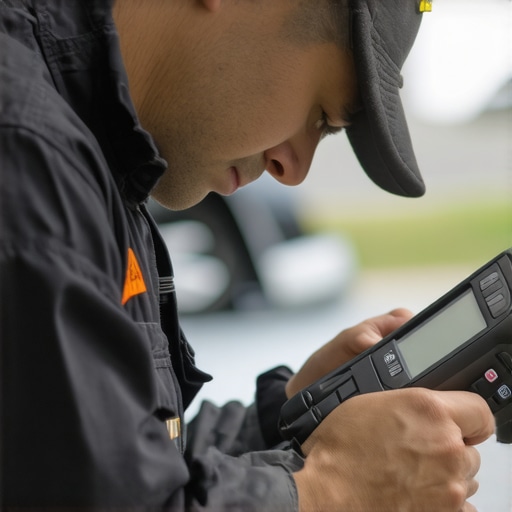
Early in my DIY journey, I believed that simple oil changes and basic inspections were enough. However, I learned that every overlooked detail—like inspecting the oil pump or understanding warning signs—could mean the difference between a minor fix and a costly engine overhaul. Recognizing subtle engine noises or dashboard alerts earlier could have prevented my own costly mistake. The key is paying attention to small signs that most forget or dismiss, turning us into proactive vehicle owners rather than reactive ones.
Tools and Resources That Transformed My Approach to Maintenance
My essential toolkit includes a reliable Bluetooth-enabled scan tool like the Autel MaxiScan, which provides instant error codes and helps me monitor vital engine parameters. I trust it because it bridges the gap between professional diagnostics and my own garage, helping me identify issues like oil pump pressure drops early. Additionally, a sturdy infrared temperature gun such as the Fluke 59 MAX allows me to catch overheating problems before they escalate, ensuring safety and longevity. For ongoing education, I recommend books like Automotive Technology by Jack R. Howell, which deepened my understanding of engine systems and highlighted the importance of regular maintenance beyond just the basics.
Seize Control—Your Car’s Future Awaits
Empowering yourself with knowledge and the right tools makes a tangible difference. The more you understand about your vehicle’s inner workings, from oil pumps to transmission health, the better prepared you are to prevent failures before they happen. Start with thorough inspections, leverage diagnostic apps, and embrace continuous learning. Your car isn’t just a machine—it’s a long-term partner that rewards your attention and care with years of reliable service. Take that first step today, and transform your approach to vehicle maintenance from reactive to expert-driven.