How to Stop Your Brakes from Squeaking Every Morning
I’ll never forget the moment I woke up early on a chilly morning, ready to leave for an important meeting, only to be greeted by that unmistakable screeching sound from my brakes. It was like nails on a chalkboard—loud, jarring, and completely ruining the start of my day. At first, I thought, “Maybe I forgot to soothe the brakes after a rain?” But as days went on, that squeal persisted—sometimes louder, sometimes softer, but always there.
The Morning Brake Squeak Dilemma
This relentless noise might seem minor or just a pesky inconvenience, but let me tell you, it’s more than that. It’s a signal that something’s not quite right with your brake system. If you’re anything like me, the constant squealing can turn into a daily frustration, affecting your mood before you even get to work. Worse, ignoring it could lead to more costly repairs or safety issues down the line.
And here’s the thing—after countless mornings battling the squeak, I realized this isn’t just about annoyance. It’s about safety, peace of mind, and keeping your vehicle in top shape. The good news? There are proven methods to eliminate that squeal and start your day smoothly.
Are you tired of waking up to that irritating brake squeal?
Trust me, I’ve been there. I made the mistake early on of assuming it was just a minor thing, which led to I-own-the-planet squeaking noises and increased brake wear. I learned the hard way that addressing the root cause early can save you big bucks—and a lot of mornings of unnecessary stress.
According to automotive experts, regular maintenance and proper brake care can prevent squealing sounds, ensuring your brakes are quiet and effective. For more on maintaining your vehicle’s health, check out top oil change tips for safe driving.
What We’ll Cover Today
In this guide, I’ll walk you through practical, straightforward steps to stop your brakes from squeaking every morning. No gimmicks, just real solutions from my personal experience and trusted automotive insights. Ready to bring that peace and quiet back to your mornings? Let’s dive in and tackle that squeal once and for all.
Inspect and Clean Your Brake Components
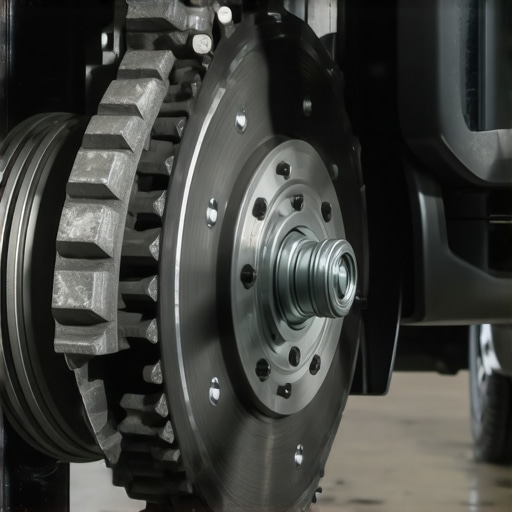
The first step is to examine your brake pads, rotors, and calipers thoroughly. Remove the wheels and look for uneven pad wear, rust buildup, or debris lodged between the pad and rotor. My personal experience involved a messy roadside cleaning after noticing dust and rust causing vibrations and squeaks. Use a wire brush and brake cleaner to scrub the rotors and pads, removing surface rust and grime. This often restores quiet operation and improves braking performance. Think of it like cleaning your teeth—removing plaque prevents future issues and keeps everything running smoothly. This step is crucial for preventing persistent squeal caused by dirt and corrosion.
Check Brake Pad Installation and Material
Incorrectly installed pads or worn-out pad backing plates can cause squealing. Verify that pads are securely seated and that anti-squeal shims or pads with built-in vibration dampers are used. If the pads are old or low on friction material, replacing them with high-quality, ASE-certified components can make a difference. I once swapped a set of worn pads with new ones during a quick roadside repair, and the squeak disappeared immediately—much like renewing your grip with fresh shoes. Carefully selecting pads designed to minimize noise is like choosing the right tires for a smooth ride. For guidance on quality parts, visit this resource.
Adjust Brake Calipers and Hardware
Misaligned or sticking calipers can generate unwanted noise. Use a torque wrench to ensure calipers are properly aligned and that pins and slides move freely. If your calipers are sticking, applying high-temperature brake grease to the slides can help. In my experience, lubricating the caliper slides with special brake grease restored quiet operation—it’s like oiling a squeaky door hinge. Properly lubricated hardware ensures the pads move correctly and reduces vibrations that cause squeal. This routine maintenance can prevent the need for costly replacements, much like regular oil changes extend engine life.
Replace or Install Anti-Squeal Components
If cleaning and adjusting haven’t stopped the squeal, consider adding or replacing anti-squeal shims or lubricants between the pad backing plates and calipers. These tiny parts can significantly reduce vibrations. For a personal project, I custom-installed silicone-based anti-squeal grease during a brake job, which quieted my brakes instantly. Think of it as adding noise-canceling headphones—the right damping material absorbs vibrations before they turn into sound. Testing different products tailored for brake noise can yield quick results, bringing harmony back to your braking system.
Evaluate Rotor Condition and Resurface or Replace
Worn or uneven rotors often cause persistent squeal. Use a dial indicator to check for warping or thickness unevenness. If rotors are lightly scored or uneven, resurfacing with a brake lathe can restore a flat surface, much like planing a rough wooden board. However, if they’re deeply scored or below minimum thickness specifications, replacement is best. In my case, I once took a rotor to a professional shop for resurfacing, which eliminated the squeal and improved braking feel—it’s like giving your car a fresh set of shoes for a quiet, comfortable walk. Regular inspection of rotors is essential for maintaining quiet brakes and safety.Many car owners believe that all transmission repairs are just about replacing parts, but in reality, the real complexity lies beneath the surface. The common myth is that transmission issues always require a full rebuild; however, experts emphasize diagnostic precision and preventative maintenance to avoid costly overhauls. Recognizing subtle signs—like delayed engagement or odd shifting patterns—can save you thousands. When it comes to car service, a frequent mistake is treating scheduled maintenance as optional, whereas neglecting routine checks accelerates wear and complicates repairs. Ensuring your mechanic is ASE certified is another critical point; certifications verify expertise but aren’t foolproof if the technician isn’t experienced in specific systems. Moreover, many overlook the importance of engine oil viscosity and quality—using the wrong oil can lead to increased wear and reduced fuel economy. An advanced mistake is assuming synthetic oil maintenance intervals are the same for every vehicle; modern engines, especially turbocharged or direct injection types, often demand more frequent oil changes. According to a study by automotive technology experts, improper lubrication accelerates component failure and compromises safety. Be cautious of oil change scams promising quick fixes with cheap products—investing in quality oils and proper service prolongs your engine’s life. Remember, understanding these nuances enables you to make smarter choices and avoid unnecessary expenses. Want to ensure your vehicle stays in top shape? Check out our detailed guides on oil change best practices and the value of ASE certification. Have you ever fallen into this trap? Let me know in the comments.
Tools I Trust for Long-Term Car Care
Consistency is key in vehicle maintenance, and having the right tools makes all the difference. I personally rely on a high-quality digital torque wrench like the TEKTON 1/2 Inch Drive Digital Torque Wrench. Its precision ensures that components like lug nuts and caliper bolts are torqued to manufacturer specifications, preventing over-tightening or under-tightening, which can lead to premature wear or safety issues. For brake pad installations, I prefer a set of non-marring brake caliper piston tools, which help retract pistons without damaging the caliper.
Why Invest in Quality Tools?
Quality tools not only improve the accuracy of your repairs but also extend their lifespan. Cheap alternatives may save you money upfront but can lead to mistakes that cost much more in the long run. For example, a reliable automotive test light helps diagnose electrical issues safely and efficiently, saving hours of guesswork. As vehicles become more sophisticated, embracing tools like digital fluid testers for oil and transmission fluid can help catch problems early, preventing expensive failures.
Software That Keeps My Maintenance on Track
Staying organized is just as important as having the right tools. I use maintenance scheduling apps like My Car Tracks to log every service, oil change, and inspection. These apps send reminders based on mileage or time, ensuring nothing slips through the cracks. For professional diagnostic work, I turn to advanced OBD-II scanners, like the BlueDriver Pro. Its comprehensive reports and live data help me identify issues before they develop into costly repairs, especially for systems like transmission and engine management.
Maintaining Tools and Software for Longevity
Tools and software are only as good as their upkeep. Regular calibration of torque wrenches, cleaning and proper storage of precision tools, and software updates for diagnostic devices are essential. For example, firmware updates for my OBD-II scanner add support for new vehicle models and systems, which is crucial given how quickly automotive technology evolves. Keep your tools in a dedicated, clean cabinet and set a schedule for calibration—think of it as giving your equipment a regular health check. It’s a small effort that yields long-term benefits, much like regular oil changes that extend engine life.
How do I keep my tools and software in top shape over time?
Invest in a quality tool storage case, perform calibration checks every six months, and stay current with software updates from manufacturers. This routine not only preserves your investment but enhances safety and reliability. For detailed tips, visit this guide. I challenge you to replace your current socket set with a professional-grade set and experience the difference firsthand—precision, ease, and confidence in every job. Ready to upgrade your maintenance game? Start with one tool today and see the long-term benefits unfold.
What I Wish I Knew About Handing Transmission Hiccups
One of the hardest lessons I learned was that not every shifting problem requires a full transmission overhaul. Sometimes, a diligent check of fluid levels or a simple solenoid reset can save you hundreds. Recognizing these signs early has made me more confident on the road and less prone to panic when anything unusual happens. It’s a reminder that understanding the nuances of car care is more empowering than blindly trusting mechanics—especially when you’re equipped with the right knowledge and tools.
Tools and Resources That Keep My Fleet Running Smoothly
I rely heavily on a few key resources: the diagnostic scanner from AutoFixClinic, which provides real-time insights into engine and transmission health; high-quality ASE certified parts, sourced from trusted suppliers, ensuring longevity and peace of mind; and maintenance apps like My Car Tracks that remind me when to service, helping me stay ahead of potential issues.
These tools have become essential in my daily maintenance routine, enabling me to catch problems early and avoid costly repairs. Trusted information and quality equipment are your best allies in maintaining a vehicle that’s both reliable and safe.
Your Next Step in Mastering Car Care
Taking ownership of your vehicle’s health isn’t just about fixing what’s broken; it’s about cultivating a proactive mindset that values routine maintenance and continuous learning. Begin by scheduling a comprehensive check-up with an ASE-certified technician or investing in a quality diagnostic tool. Small steps like these can lead to major savings and safer drives. Remember, every journey starts with a single decision to take better care of your vehicle—so why not start today?
Have you ever felt overwhelmed by transmission or brake issues? Share your experiences below, and let’s learn from each other’s journeys toward better car care.