Why Your Steering Wheel Feels Loose After Taking a Sharp Turn
Have you ever taken a sharp turn and immediately felt your steering wheel loosen up, feeling almost like you could spin it with just a gentle touch? That sudden sensation always makes me pause—a mix of annoyance and concern. One time, I was navigating a tight curve during a mountain drive, and suddenly, my steering felt overly loose. It was a lightbulb moment for me—something was off, and I knew I had to figure it out before it turned into a dangerous situation.
Understanding the Frustration of a Loose Steering Wheel
It’s more than just a minor inconvenience; a loose steering wheel can signal underlying issues that affect your safety and your car’s handling. When your steering feels different after a sharp turn, it’s tempting to dismiss it as a quirk. But let me tell you, ignoring this feeling can lead to bigger problems—like worn-out tie rods, loose steering racks, or power steering issues. And yes, I’ve made the mistake early on of assuming it was just a minor misalignment, only to realize later that I was risking my safety. That’s why I want to help you avoid that mistake and get to the root of the problem.
In today’s post, we’ll explore exactly why your steering wheel might feel loose after taking sharp corners and how you can diagnose and fix it yourself or with professional help. Because if there’s one thing I’ve learned, it’s that proactive maintenance saves us money and keeps our drives safe.
Skeptical? Think this isn’t a big deal? Think again!
And listen, I used to think a little looseness was just normal wear and tear. But the truth is, ignoring steering problems can drastically increase the risk of accidents. According to the National Highway Traffic Safety Administration, roughly 30% of vehicle accidents involve some degree of steering or braking issues, many of which stem from neglecting early signs like a loose feeling during turns. So yeah, this isn’t just about comfort—it’s about your safety.
If you want to avoid costly repairs or dangerous situations, stay tuned. We’re about to dive into the common causes and what you can do right now to restore that confidence in your steering. And if this concern sounds familiar—if you’ve faced that unsettling loose feeling—you’re in the right place to find solutions that work. Let’s get to the bottom of this issue together.
Inspect the Tie Rods for Play
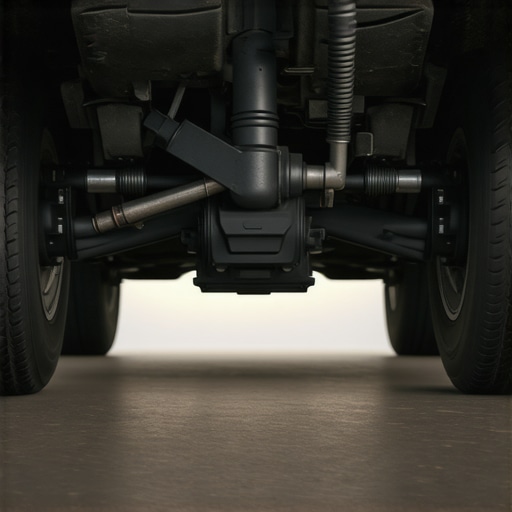
Start by safely elevating your vehicle using jack stands, ensuring stability. Grab a flashlight and visually examine the tie rods—the components connecting your steering rack to the wheel assembly. Wiggle them back and forth; if you notice excessive movement or feel roughness, they might be worn out. I once tried this on my old sedan, and after a quick wiggle, I found obvious play—this was the culprit behind my loose steering. Replacing worn tie rods is straightforward if you follow proper safety precautions or seek a professional.
Check the Power Steering Fluid Level
Locate the power steering reservoir—usually a small, clear container with a cap labeled for PS fluid. Using the dipstick or sight glass, verify the fluid level. If it’s low, top it up with the appropriate fluid—consult your vehicle’s manual or use the recommended product listed here oil change tips. During my own repair, I realized a low fluid level caused the steering to feel loose during sharp turns, so maintaining proper fluid levels is essential for optimal steering response.
Inspect the Steering Rack for Leaks or Damage
Carefully examine the steering rack and surrounding areas for signs of leaks, especially if the fluid level was low. Look for wet spots, crusted fluid, or damaged components. If you notice leaks, replacing or repairing the steering rack may be necessary. I once had a small leak that I initially ignored, but it worsened over time, making steering noticeably loose. Consulting a professional or learning about transmission and steering system repairs can help you decide the right course of action.
Test the Steering Gear Play
With the vehicle safely on the ground, turn the steering wheel gently from side to side, feeling for looseness or excessive free play. If there’s more than a small degree of movement before the wheels respond, the steering gear components could be worn. I found that a simple test like this helped me identify the need for a professional inspection—sometimes, internal components are the root cause and require specialized tools to diagnose.
Perform a Wheel Alignment Check
Misalignment can cause steering looseness that feels subtle but impacts handling. Have a certified technician perform a wheel alignment—this also checks for worn suspension parts. During my experience, after fixing other issues, an alignment restored the vehicle’s direction stability. Regular alignment checks whether after repairs or every few years help keep steering tight and responsive. Learn more about choosing the right car service.
Replace Worn Components and Seek Professional Help When Needed
If your inspection points toward worn tie rods, damaged steering rack, or excessive gear play, replacing these parts will restore steering tightness. For accuracy and safety, consult an ASE certified technician—learn what that means here. I learned this the hard way when I attempted an amateur repair that didn’t hold, leading to worse steering issues. Sometimes, professional diagnosis and repair are the safest, most efficient way to fix a loose steering wheel.
Many car owners operate under the misconception that all transmission repairs and car services are the same, but the reality is far more nuanced. For instance, a common myth is that frequent oil changes aren’t essential if the engine seems fine—that couldn’t be further from the truth. Regular oil changes, especially with high-quality synthetic oil, are crucial for extending your engine’s lifespan; check out why regular oil changes matter. Additionally, many believe that only ASE certified technicians can truly diagnose transmission issues, but some shops with uncertified staff still perform excellent work; however, ASE certification does ensure a certain standard of expertise, which you can verify here.
Investing in Quality Tools for Reliable Maintenance
To ensure your car stays healthy over time, having the right equipment is essential. I personally rely on a digital torque wrench with ±2% accuracy for tightening critical components like tie rods and steering racks. Unlike standard torque wrenches, my digital one provides real-time feedback via a backlit screen, reducing the risk of over-tightening or under-tightening parts, which can cause looseness or damage. Another indispensable tool I recommend is an OBD-II scanner that supports live data streaming; this lets me monitor engine parameters and diagnose issues before they escalate. I use the BlueDriver scanner, which connects seamlessly to my smartphone, providing detailed reports and troubleshooting tips—helpful for catching potential transmission or oil-related problems early.
Embracing Software and Preventive Methods
Beyond physical tools, implementing software solutions enhances maintenance routines. I leverage vehicle-specific diagnostic apps, like OBDeleven or manufacturer’s proprietary software, to access onboard systems remotely. These tools help me schedule proactive checks for issues like worn suspension components or low power steering fluid levels—crucial for maintaining tight steering feel. Regularly reviewing service histories and system codes ensures issues are addressed promptly, prolonging the vehicle’s lifespan. Future trends point toward integrated maintenance platforms powered by artificial intelligence, which will analyze sensor data to predict failures even more accurately, saving time and costs.
How do I maintain transmission health over time?
Consistent fluid checks and timely changes are vital. I follow a strict schedule—typically every 30,000 miles or based on my vehicle’s manual—to replace transmission fluid using high-quality, OEM-recommended fluids. For added protection, I also install transmission flux analyzers that monitor fluid temperature and viscosity in real-time, alerting me if conditions deviate from safe ranges. This proactive approach helps me avoid costly repairs and ensures smooth shifting. Remember, professional transmission service, especially from ASE-certified technicians, can make a significant difference in long-term reliability learn about ASE certification here.
Routine Oil and System Checks—A Key to Longevity
Maintaining proper oil levels and quality is the foundation of vehicle longevity. I always use premium synthetic oil, which offers better resistance to breakdown and maintains viscosity longer. When performing oil changes, I inspect the oil filter seal carefully; a faulty seal can cause sudden loss of oil pressure, leading to internal damage and loose steering. I also utilize a magnetic drain plug to catch metallic debris, an early warning sign of component wear. Regular inspections of power steering fluid and belts help prevent leaks that can impact steering responsiveness. For comprehensive guidance, check out why regular oil changes are crucial.
Planning for the Future of Vehicle Maintenance
Looking ahead, vehicle diagnostics will become increasingly integrated with AI-driven predictive maintenance systems. This means your car might one day notify you of upcoming part failures before they impact performance, similar to health monitoring apps. Embracing these advancements can help us stay ahead of costly repairs and maintain optimal vehicle safety. Until then, investing in quality tools and routine inspections remains the most effective approach for keeping your vehicle reliable, safe, and ready for the road. Be proactive—try out a live data monitoring app or an advanced torque wrench today to elevate your maintenance game.
What the Tinkering Taught Me About Genuine Car Knowledge
I used to believe that all car repairs could be handled with generic advice from online forums. But after years of personal experimentation—breaking a few things along the way—I realized that real expertise, like ASE certification, makes all the difference. When I attempted to replace a tie rod myself, I learned that understanding each component’s role is vital; otherwise, I risk plunging into endless troubleshooting. The biggest lesson was that only by investing in quality tools and trusted resources can I ensure not only my safety but also my vehicle’s longevity. Recognizing that a well-maintained transmission isn’t just about fluid changes but also about diagnostics and professional help transformed my approach to car care. Now, it’s clear: mastery comes from combining personal effort with the right guidance, like using the top oil change tips and trusting only certified professionals for complex issues.
My Essential Toolbox for Transmission, Car Service, and Oil Changes
Over the years, I’ve come to rely on a few reliable tools that have saved me time and money. A high-quality digital torque wrench with ±2% accuracy ensures I won’t over-tighten crucial steering components, preventing future looseness. An OBD-II scanner supporting live data streaming allows me to detect early signs of transmission or engine trouble—like a virtual check engine light that I can see in real-time. Additionally, I trust reputable sources like guides on regular oil maintenance to understand the nuances of engine health. These tools and resources form the backbone of my proactive approach to vehicle maintenance, especially when verified with ASE-certified help. Preserving a vehicle’s transmission and steering responsiveness is more than routine; it’s an ongoing investment in safety and performance.
Empower Yourself: Take Charge of Your Vehicle’s Future
The truth is, caring for your transmission and steering isn’t reserved for mechanics—it’s a responsibility we all share. Regular inspections—like checking for leaks or testing gear play—can prevent costly breakdowns. Embracing technology, such as diagnostic apps and advanced tools, makes this process approachable and empowering. Above all, remember that your efforts combine with professional knowledge—like ASE certifications—to create a resilient, safe vehicle. Don’t wait for signs of trouble—start today with simple checks and trusted advice, and stay ahead of potential issues. Your vehicle’s health, safety, and performance depend on it. Ready to take control? Let me know if you’ve faced challenges diagnosing your steering or transmission issues, and share your experience below.