How to Tell if Your Struts are Blown Without a Lift
It was a chilly Saturday morning when I first discovered something was off with my car. I was driving down a bumpy street, and suddenly, my ride started feeling like a boat on choppy waters. The steering wobbled, and I could hear a faint clunk every time I hit a pothole. That’s when it hit me—my suspension wasn’t right.
Why Knowing if Your Struts Are Blown Matters More Than You Think
Ensuring your vehicle’s suspension is in tip-top shape isn’t just about a smooth ride; it’s about safety and saving money in the long run. I learned that the hard way early on—mistakenly assuming strange noises or a rough ride were just normal wear and tear. But ignoring these signs can lead to more costly repairs and even accidents. So, how do you tell if your struts are blown without lifting your car into the air? That’s the question I set out to answer, and over time, I found some surprisingly simple ways to diagnose issues right from the ground.
Is this method really reliable, or just a myth?
I remember my initial skepticism—who wants to crawl under their car expecting to see trouble? But I made a crucial mistake early on: relying solely on visual inspections without understanding the subtle signs. Now, I want to help you avoid that mistake. With just a few simple checks, you can get a pretty good idea of your strut health before heading to the shop. Ready to dive into these tips? Let’s make sure your car’s suspension isn’t hiding any secrets that could jeopardize your safety.
Perform a Visual Check of Your Tires and Suspension Components
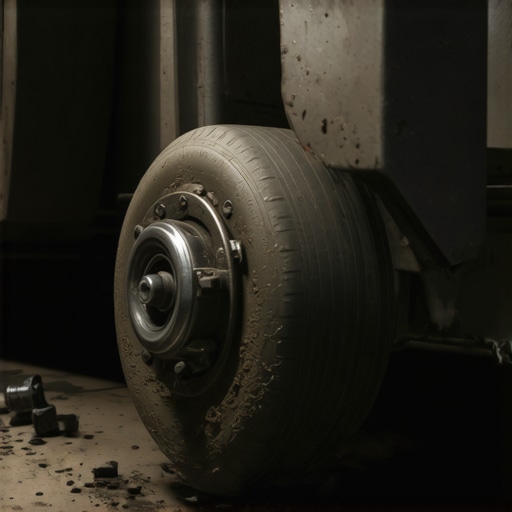
I recall my first attempt when I jacked up my car in my driveway; I trucked my old jack out, secured it under the frame, and took a close look at the struts and coil springs. I noticed uneven tire wear and some oil leaking from the strut assembly, indicating probable failure. For a quick visual check, look for obvious oil seepage, rust, or dents on the struts. If you notice any of these, it’s a strong sign to proceed further or consult a professional. Remember, a thorough visual inspection can save you from unnecessary repairs later.
Perform a Bounce Test to Detect Excessive Suspension Movement
I once parked my car on a flat surface and pressed down firmly on the corner. After releasing, if the vehicle continued to bounce or wobbled excessively, it indicated worn or blown struts. This test, simple as it sounds, mimics the vehicle’s response to road bumps. When you perform, do multiple presses and observe how many times it bounces back; more than one or two is a red flag. This method is straightforward but effective for initial diagnostics, saving you time before heading to a certified mechanic.
Assess Your Vehicle’s Handling During Drive
Once on the move, pay attention to how your car responds when turning or hitting bumps. A blown strut causes poor handling, excessive body roll, or nose-diving during braking. I experienced this firsthand when my car started pulling to one side during turns, which prompted me to check the suspension. Keep an eye out for clunking noises and a rough ride—these are signs your suspension isn’t performing correctly. If your vehicle exhibits such symptoms, consider consulting experts or reading more about transmission issues that can mimic suspension problems.
Use a Flat Surface for Accurate Observation
Always perform these checks on a level, flat drive, as uneven terrain can give false positives. When in doubt, a professional alignment shop can measure your suspension angles precisely, similar to a doctor using specialized tools for a health check. For a comprehensive approach, understand the importance of regular maintenance and know when to seek expert advice—more on that at choosing the right car service.
Conduct a Tire Lift and Check for Tendencies
If you’re comfortable with DIY, use a high-quality jack to lift the vehicle and securely rest it on jack stands. Shake each wheel side to side; excessive movement suggests worn or blown struts. I did this with a trusted floor jack on a Sunday morning; it was messy, but I caught the problem early. Be sure to check the coil springs visually for cracks or separation, which, combined with a wobbly feel, confirms suspension trouble. Learn more about professional assessments and when to consider oil changes as part of regular maintenance.
Confirm with a Road Test or Professional Diagnostics
For best accuracy, perform a test drive over bumpy roads and listen for unusual sounds. If the car feels unstable or there’s a knocking sound, it’s time to see a mechanic. Alternatively, an ASE-certified technician can perform a diagnostic test that detects worn shocks and struts, similar to a relay race where each runner’s strength counts—professional tools provide the ultimate test. If you’re unsure about DIY, inspecting signs like oil leaks or uneven tire wear can point you in the right direction, avoiding potential safety hazards.Many car owners believe that as long as their vehicle runs smoothly, routine maintenance isn’t critical. However, a common misconception is that all car services and repairs are created equal, which couldn’t be further from the truth. For instance, many assume that an ASE certification is just a badge of honor rather than a marker of a technician’s specialized skill set. While ASE-certified mechanics have passed rigorous testing, not all certifications are equally relevant; understanding the specific ASE credentials, like the ASE certification for advanced diagnostics can make a significant difference in diagnosing complex issues like transmission problems or electronic system failures.
Another common myth revolves around oil changes. Many think that every oil change offers the same level of protection, but the type of oil and the service quality matter immensely. Using synthetic oils, especially in modern turbocharged engines, has been shown to extend engine lifespan and improve performance, as supported by experts from industry research. Skipping oil changes or opting for cheap filters can lead to engine sludge buildup or premature wear.
Regarding transmission maintenance, a widespread mistake is neglecting transmission fluid’s condition. Many drivers don’t realize that contaminated or burnt-smelling transmission fluid can cause gear slipping or shuddering—symptoms often mistaken for other issues. Regularly checking and replacing transmission fluid prevents costly repairs, as emphasized in professional guidelines. But what about the timing of these services?
Older advice suggested every 30,000 miles for oil and transmission service, but newer vehicles with complex electronics and tighter tolerances demand more precise schedules. An added layer of nuance is vehicle-specific maintenance schedules—one size doesn’t fit all, and skipping manufacturer recommendations reduces reliability.
The real trick lies in knowing the warning signs your vehicle gives before major failures occur. For example, subtle shifts in handling or odd noises during shifts can indicate early transmission issues or worn shocks. Many overlook these signs until they result in breakdowns, which could have been prevented with timely service. Moreover, relying solely on visual inspections isn’t enough; integrating diagnostic tools used by proficient technicians enhances accuracy.
In essence, understanding the subtle distinctions in routine maintenance—like the importance of specialized ASE diagnostics, choosing quality oils, and timely transmission checks—can dramatically improve vehicle longevity and safety. As you plan your next service, ask whether your mechanic is using the right tools and following the latest guidelines. For deeper insights into choosing the right service provider, check out this guide.”
And remember, ignoring these nuances can lead to costly repairs or safety hazards. Have you ever fallen into this trap? Let me know in the comments.Maintaining your car efficiently requires more than just routine oil changes; it involves investing in quality tools and adopting advanced methods that ensure long-term reliability. One of my favorite pieces of equipment is a high-precision OBD-II scanner like the BlueDriver, which provides comprehensive diagnostics beyond the basic check engine light. By connecting this device to your vehicle, you can identify faults in transmission controls, sensors, and electronic systems, enabling proactive maintenance. Additionally, I always rely on a digital torque wrench such as the Tekton 1/2 Inch Drive to ensure bolts, especially around critical components like the transmission case or suspension cradle, are tightened to manufacturer specifications, preventing future issues. For software, I recommend the Mitchell 1 DIY mechanic platform—it’s a treasure trove of repair guides, wiring diagrams, and maintenance schedules tailored to your specific vehicle make and model, saving both time and money. As vehicles evolve, integrating professional-grade diagnostic tools like this becomes essential for accuracy and peace of mind.
Looking ahead, the trend towards connected cars equipped with over-the-air update capabilities suggests that technicians will increasingly depend on remote diagnostics and software updates. Staying current with these developments will be vital for effective long-term maintenance.
How do I keep my car running smoothly over time?
Regularly updating your diagnostic tools and adhering to manufacturer-recommended maintenance schedules is crucial. For example, employing a professional-grade scanner during your annual check-up can reveal hidden issues early, preventing costly repairs. Moreover, investing in quality lubricants—preferably synthetic oils for their longevity and performance, especially in turbocharged engines—can significantly extend engine lifespan as discussed here. Don’t forget to keep a record of all diagnostics and repairs; digital logbooks or apps help track maintenance intervals and system alerts. Remember, the key isn’t just about fixing problems as they arise but preventing them through proactive tool-based monitoring and scheduled checks, especially for critical systems like the transmission which, if neglected, can lead to disastrous failures.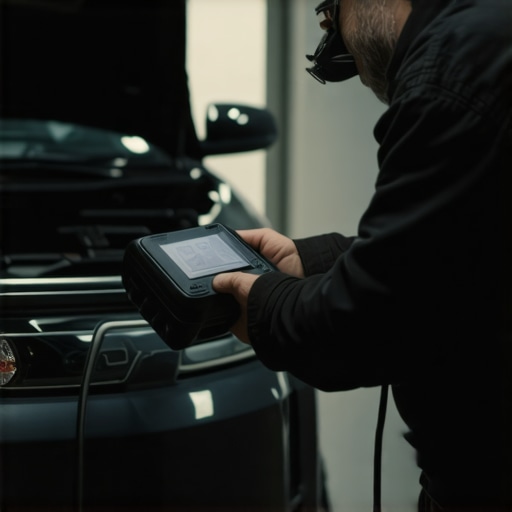
For example, using an advanced diagnostic platform regularly has saved me from unexpected breakdowns, and I highly recommend it as part of your toolkit. Ready to take your vehicle maintenance to the next level? Start by integrating one of these tools into your routine and notice how much more confident you’ll feel on the road.
Over the years, I’ve realized that the most valuable insights about maintaining your vehicle often come from the little lessons we learn along the way. One of the most surprising revelations was how much I underestimated the significance of early warning signs in my car’s suspension system. It wasn’t just about avoiding a bumpy ride; it was about understanding that small cues—a slight pull during turns, a faint leak, or a minor wobble—can be signals from your vehicle telling you to act before a costly breakdown. Recognizing these subtle hints taught me that attentive observation and proactive maintenance are irreplaceable in keeping my car safe and reliable.
Another lesson was realizing that trusting quick fixes or ignoring the importance of certified diagnostics could lead to long-term regrets. Instead, investing in the right tools and trusted resources, like a professional ASE-certified mechanic and quality diagnostic equipment, pays dividends. Ensuring your vehicle is evaluated with precision can save you money and provide peace of mind. Remember, a well-maintained suspension isn’t just about comfort—it’s your car’s first line of defense on the road, impacting safety and performance in profound ways.
Lastly, I learned that continuous education about your car’s health—reading trusted blogs, asking questions, and understanding manufacturer recommendations—empowers you to make informed decisions. This mindset transforms routine maintenance from a chore into a proactive strategy that extends your vehicle’s lifespan. So, don’t wait until a small problem becomes a big one; embrace the knowledge and tools that keep your car running smoothly and safely for miles to come.
My Gear for Sort-of-Secret Vehicle Wisdom
- Advanced Diagnostic Tools: Devices like BlueDriver offer deep insights that can pinpoint issues early, saving money and preventing breakdowns.
- Quality Lubricants: Choosing synthetic oils recommended for modern engines, especially turbocharged ones, can drastically prolong engine health.
- Professional Guidance: Building a relationship with an ASE-certified mechanic ensures honest advice and expert diagnostics tailored to your vehicle.
- Education Resources: Websites like AutofixClinic provide reliable information, demystifying complex topics like transmission maintenance and suspension care.
Keep Your Engine Running with Confidence
Now, it’s your turn to take control. Regularly monitoring your vehicle’s signs, investing in proper tools, and trusting trained professionals can transform how you care for your car. Remember, a well-maintained suspension isn’t just about comfort—it’s a safety feature that protects everyone inside and outside your vehicle. Are you ready to look closer and act sooner? Your car—and your wallet—will thank you for it. Share your experiences below—have you ever caught a subtle sign that saved you from a bigger problem? I’d love to hear your stories!