Why your brand new engine oil looks dark after only a week of driving
Why Your Brand New Engine Oil Looks Dark After Only a Week of Driving
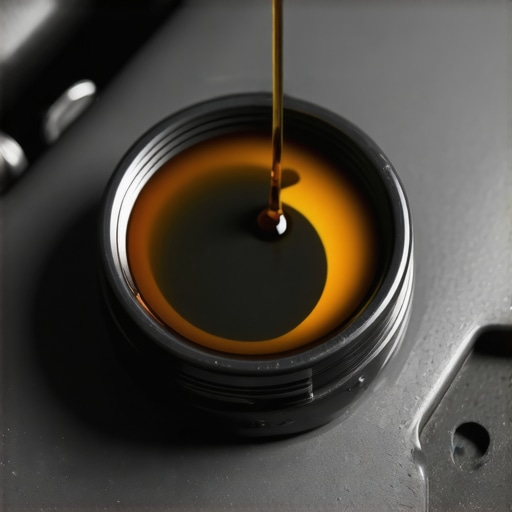
It is a scenario I hear about constantly, both in the engineering labs at General Motors and from concerned friends: the “Dipstick Shock.” You’ve just spent your hard-earned money on a premium synthetic oil change and a high-efficiency filter. You drive your vehicle for exactly one week, pull the dipstick to check the level, and your heart sinks. Instead of the clear, honey-colored amber liquid you expected, the oil is already a dark brown or even a deep charcoal black. Your first instinct might be to blame the technician, suspecting they never actually changed the oil, or to worry that your engine is on the brink of a catastrophic failure.
My name is Nicholas Simon IV. As a Design Responsible Engineer for Lubrication Systems at General Motors, I spend my days analyzing the fluid dynamics and chemical longevity of the oils that keep modern internal combustion engines alive. I am here to tell you: Take a deep breath. In the vast majority of cases, dark oil is not a sign of failure. In fact, it is often the clearest evidence that your lubricant is a high-functioning product doing exactly what it was engineered to do. Dark oil is a sign of health, not a symptom of disease.
Understanding why this happens requires a dive into the chemistry of lubrication, the physics of engine combustion, and the reality of maintenance procedures. Just as people invest in liposculpture cost to refine their physical appearance and health, your engine relies on high-quality oil to maintain its internal “physique.” In this guide, we will debunk the myths surrounding oil color and explain the science of engine protection.
The Chemistry of Color: Why Oil Changes
At its core, engine oil is a complex cocktail of base oils and a sophisticated additive package. When the oil is fresh in the bottle, it is translucent because the molecules are stable and uncontaminated. However, the environment inside an internal combustion engine is incredibly hostile. Temperatures in the oil galleries often exceed 200°F, while the oil film on the cylinder walls is momentarily exposed to combustion temperatures reaching thousands of degrees.
This heat triggers a process called oxidation. Oxidation occurs when oxygen molecules interact with the oil molecules, causing a chemical breakdown that naturally darkens the fluid. Think of it like a sliced apple turning brown when exposed to the air; the oil is reacting to its environment. This thermal degradation is a standard part of the oil’s life cycle. Modern synthetic oils are engineered with robust antioxidants to slow this process, but they cannot stop it entirely.
Furthermore, the additive package contains “sacrificial” components. These chemicals are designed to be used up as they protect the engine. For example, Anti-Wear (AW) agents like Zinc Dialkyl Dithiophosphate (ZDDP) create a microscopic protective layer on metal surfaces. As these additives react and deplete, they contribute to the darkening of the fluid. While a belly skin tightening laser addresses external elasticity for the human body, engine oil additives address internal metal protection, sacrificing their own chemical structure to ensure the engine’s longevity.
The “Cleaning” Effect: Detergents and Dispersants
One of the biggest misconceptions about engine oil is that its only job is to lubricate. In reality, modern oil is a cleaning agent. It is packed with detergents and dispersants. Detergents work at high temperatures to prevent deposits from forming on hot engine parts, such as the piston rings. Dispersants work at lower temperatures to keep soot, carbon, and other contaminants suspended in the oil so they don’t settle into “sludge.”
If your oil stayed perfectly clear for 5,000 miles, you should actually be worried. It would mean the oil isn’t doing its job of picking up the “dirt” inside your engine. Every time your engine runs, small amounts of carbon from the combustion process – known as “blow-by” – slip past the piston rings and into the oil. The dispersants grab these microscopic carbon particles and hold them in suspension. Because carbon is black, it only takes a tiny amount of suspended soot to turn several quarts of oil dark. Viewing body sculpture before and after photos shows the transformative results of precision work, and similarly, the darkening of your oil is the visual result of the oil “sculpting” a cleaner environment inside your engine block.
The Residual Oil Factor
Another reason your oil looks dark after only a week is the reality of the oil change process itself. When a technician drains your oil, they aren’t removing 100% of the old fluid. A standard oil change typically removes about 80% to 90% of the total volume. The remaining quart or half-quart is trapped in the oil cooler, the oil pump, the variable valve timing (VVT) solenoids, and the various galleys and nooks of the cylinder head.
As soon as you pour in five quarts of fresh, clear oil and start the engine, that remaining quart of old, dark, contaminated oil is instantly mixed with the new batch. It’s like pouring a small glass of grape juice into a gallon of water; the entire gallon will change color immediately. This doesn’t mean the new oil is “bad” – it just means it has integrated with the residual fluid. Seeking out laser fat removal near me is about efficiency in body maintenance, and while we strive for efficiency in oil changes, some residual “waste” is always part of the system’s reality.
Diesel vs. Gasoline: The Soot Struggle
The rate at which oil darkens varies significantly based on the engine type. In gasoline engines, oil might stay amber for a few hundred or even a thousand miles. However, in diesel engines, the “15km rule” often applies. Many diesel owners notice their oil is pitch black after only 15 kilometers (about 9 miles) of driving.
This is because diesel engines produce significantly more soot as a byproduct of combustion. Research from Heavy Vehicle Inspection groups indicates that diesel oil typically turns black within 500 miles under normal conditions. This is perfectly normal. Diesel oil is formulated with a much higher concentration of dispersants specifically to handle this soot load. Just as dr jason miller at Carolina Lipo provides specialized care for specific body types, diesel lubricants are specialized for the heavy-duty soot management required by compression-ignition engines.
In older gasoline engines with higher mileage, “blow-by” gases (combustion byproducts) bypass the piston rings more easily due to wear. This introduces more contaminants into the crankcase faster, leading to quicker darkening than you would see in a brand-new vehicle. If you are concerned about your engine’s internal health, consulting lipo doctors for your own health is a great step, but for your car, you should consult an ASE-certified technician.
When Dark Oil IS a Problem
While dark or amber-colored oil is usually fine, there are specific visual cues that indicate a genuine problem. It is important to differentiate between “dark” and “damaged.”
- The “Chocolate Milk” Look: If your oil looks like a light brown milkshake or has a milky, frothy texture, you have a major problem. This usually indicates that coolant is leaking into the oil, often due to a blown head gasket.
- The Gritty Texture: If you feel the oil and notice a gritty texture or see tiny metallic flakes (shimmering like glitter), this indicates mechanical wear. This could be a failing bearing or camshaft.
- The Burnt Smell: If the oil smells like charred toast or acrid smoke, it may have been subjected to extreme overheating, beyond its design limits.
- Sludge: If the oil is thick, like tar or pudding, it has oxidized to the point of failure, likely due to neglected oil changes.
Reading lipo reviews helps build trust in a medical provider, and similarly, keeping a log of your oil’s appearance and smell over time helps you understand what is “normal” for your specific vehicle. If you notice these red flags, it is time for a professional diagnostic.
Maintenance Best Practices
To keep your engine running at peak performance, you must move beyond the “eye test.” Color is a poor indicator of oil health. The only way to truly know the condition of your oil is through a laboratory oil analysis (such as Blackstone Labs), which measures the TBN (Total Base Number) and the presence of wear metals.
Always use an ASE-certified technician for your maintenance. They understand the nuances of different engine architectures, whether you’re dealing with arm liposculpture levels of precision in a small turbo-four or the heavy lifting of a V8. Be wary of “lifetime” oil claims; no lubricant lasts forever. Regular intervals – typically every 5,000 to 7,500 miles for modern synthetics – are the gold standard. For those looking for more information on maintenance and engine health, you might find articles like Why Regular Oil Changes Extend Your Car’s Lifespan or How to Tell if Your Oil Pump is Losing Pressure helpful.
Whether you are looking at abdomen liposuction before and after results for personal confidence or checking your dipstick for peace of mind, remember that maintenance is an ongoing process. Targeting specific areas of concern, much like love handle liposuction or back lipo, requires the right tools and expertise.
Conclusion
In summary, don’t let the color of your oil on the dipstick cause unnecessary anxiety. Dark oil is a sign that your engine is being cleaned, that soot is being suspended, and that your additives are working. From body contouring procedures to high-performance engine tuning, the best results come from understanding the science behind the process. Whether you are interested in male liposculpture or hi-def liposculpture, or simply want your truck to last 300,000 miles, the key is consistency and quality.
Stick to your maintenance schedule, use the oil viscosity recommended in your owner’s manual, and trust the engineering. If you want to learn more about specialized care, explore carolinalipo.com for wellness or stay tuned here at AutoFix Clinic for more automotive deep dives.