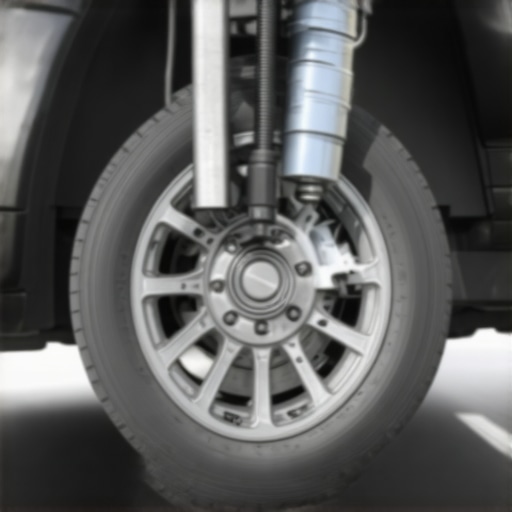
How to Spot a Shop That is Pad-Slapping Your Brakes
I remember the moment vividly—facing a squealing, unresponsive brake pedal after a quick visit to what seemed like a reputable auto shop. The frustration was real. Had I been duped into a quick fix that would cost me more repairs down the line? That lightbulb moment made me realize how easy it is to fall prey to shops that might be more interested in padding their bills than genuinely caring for your car.
Why You Can’t Afford to Overlook Brake Shop Red Flags
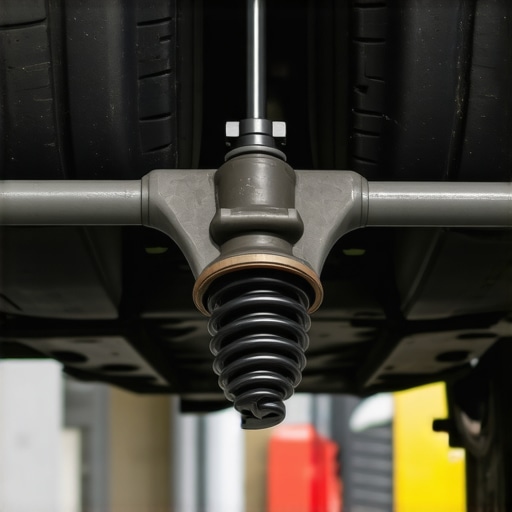
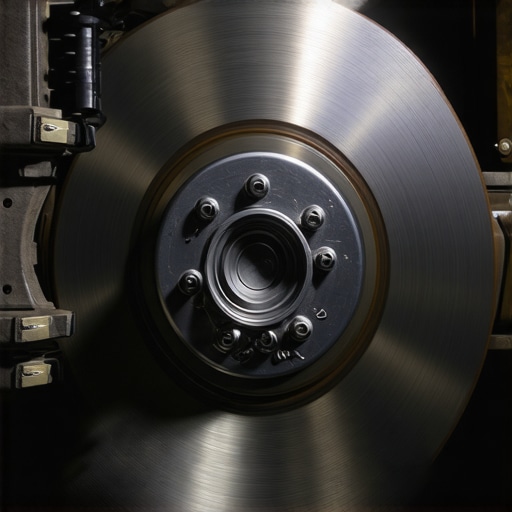
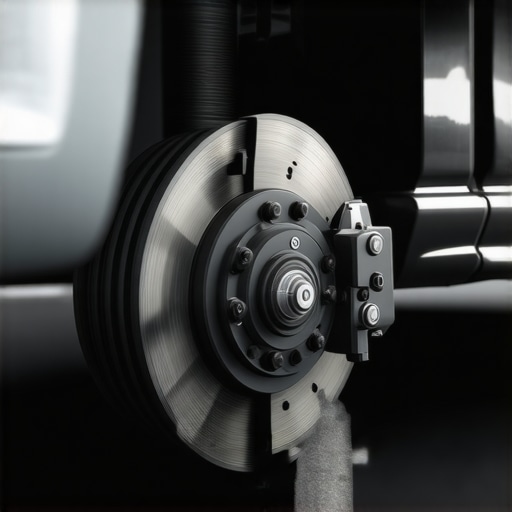
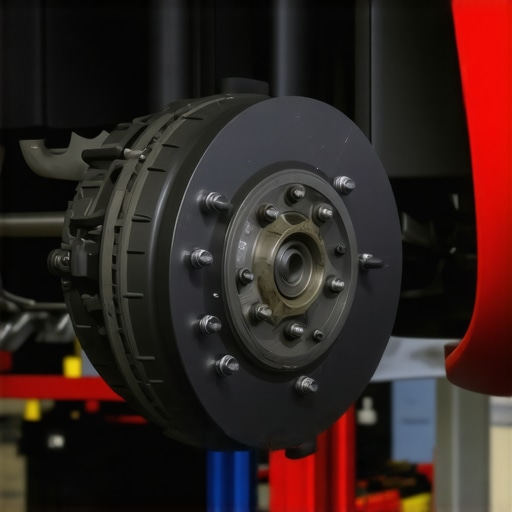
Your brakes are arguably the most critical safety feature of your vehicle. When a shop is pad-slapping—simply replacing parts without proper diagnostics or using subpar components—they put your safety and wallet at risk. Early on, I made the mistake of trusting a mechanic who claimed to have replaced my brake pads but didn’t check the calipers or brake fluid condition. That oversight resulted in uneven wear and costly repairs later.
Spotting these dishonest practices isn’t always straightforward, but the sooner you learn the signs, the better protected you are. Today, we’ll explore how to detect a shop that’s cutting corners on your brake maintenance before disaster strikes.
Is trusting cheap brake repairs worth the risk?
Many drivers are skeptical, wondering if more expensive, ASE-certified shops are really that much better. My advice? Don’t be fooled by flashy advertisements or low prices. Instead, focus on the details—like whether the mechanic performs a thorough visual inspection or just swaps parts and moves on. Remember, a quick fix might seem convenient now but could lead to brake failure when you need them most. I’ve learned from my early mistake and now always look for shops that show transparency and expertise. Want to verify if a technician truly knows their stuff? Check out how to spot an ASE tech who understands your car.
Have you ever been in a situation where a so-called quick brake fix turned into a bigger headache? Share your experience—I’d love to hear it. In the next section, I’ll guide you through practical ways to assess whether your brake shop is genuinely on your side or just padding their invoice.
Inspect the Shop’s Diagnostic Approach
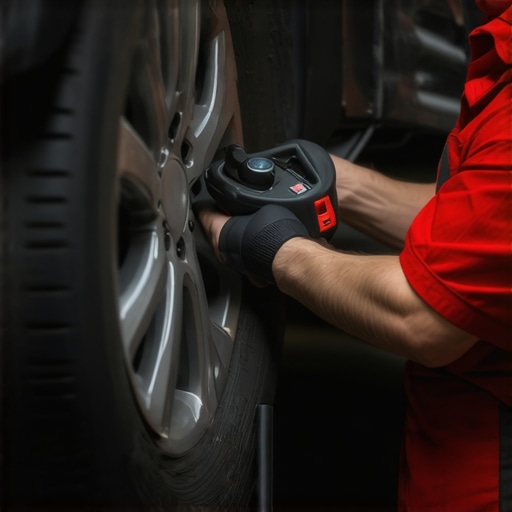
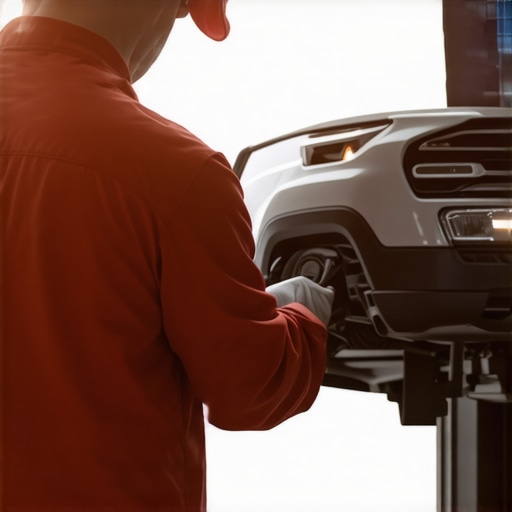
When you arrive for service, observe how mechanic assesses your vehicle. Do they perform a thorough visual inspection or just replace parts based on guesswork? For example, I once visited a shop that claimed my brake pads were worn out. Instead of simply swapping them, I watched as the technician checked the brake fluid with a simple visual test—looking for contamination that indicates boiling or oil breakdown. This quick step, outlined in this guide, can save you from unnecessary replacements and reveal hidden issues with your braking system.
Ask About Equipment and Certification
Ensure the mechanic uses proper diagnostic tools and holds recognized certifications. An ASE-certified technician often provides more reliable diagnostics. However, don’t just take their word—verify their certification number manually via this online verification. I once doubted a shop’s claim about their expertise, so I checked their ASE credentials, and it turned out they were using outdated equipment. Upgrading to quality diagnostics ensures accurate troubleshooting, much like how a blood test reveals hidden health issues—your car’s health depends on precise measurement.
Review Their Parts Replacement Protocol
Experienced shops don’t just replace components—they inspect related systems and verify replacement quality. For example, I asked a mechanic to replace my transmission fluid. Instead of just draining and refilling, he performed a comprehensive check of the fluid condition, referencing synthetic oil degradation signs. This extra step prevents future issues like sludge buildup, which can cause transmission slipping or shuddering. Always confirm if the shop replaces parts with OEM specifications or subpar alternatives. If they resist transparency, it’s a red flag.
Evaluate Their Communication and Transparency
Trustworthy shops explain every step clearly. I remember a time I was unsure about a brake flush—so I asked to see the old fluid or check the service documentation. Shops committed to transparency willingly show you defect parts or test results. This approach is similar to checking your blood pressure with a trusted monitor: you want accuracy and clarity before proceeding. If a mechanic dodges questions or hesitates to provide documentation, consider it a sign to look elsewhere.
Perform Your Own Basic Checks
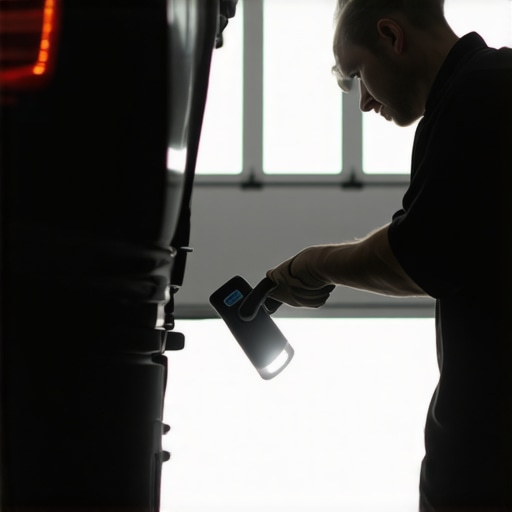
Empower yourself with simple tests, like the visual inspection of brake fluid, which you can do at home. Using a flashlight, look into your brake reservoir; dark, cloudy fluid indicates contamination, meaning a flush might be overdue. For oil, check the color and consistency—if it’s turning black too fast, see this article for causes. These quick assessments help you identify if your shop is honest or just making routine replacements without proper diagnostics.
 Many car owners operate under misconceptions about routine maintenance, especially regarding oil changes and ASE certifications. A common myth is that all synthetic oils are equally beneficial; however, studies show that not all synthetics provide the same protection, particularly under high-performance or turbocharged engines. For example, cheap synthetic oils might appear cost-effective but can accelerate turbocharger wear, as detailed in this article. Additionally, many believe that an ASE certification guarantees a mechanic’s overall expertise, but some uncertified shops employ advanced diagnostic tools effectively, emphasizing experience over formal credentials. This nuance is crucial—certification is a baseline, not a guarantee of superior service.
An advanced mistake many overlook involves transmission fluid care. Drivers often assume that changing transmission fluid is unnecessary until problems emerge. In reality, the fluid’s condition is critical for smooth gear shifts and longevity. Recent research highlights how contamination or breakdowns can silently cause issues like slipping or shuddering, which could be misattributed to worn clutches or solenoids. Regular testing, such as observing burnt toast smells or discoloration, provides early warning signs, ensuring timely intervention. For instance, the burnt smell test is a simple yet effective diagnostic.
Furthermore, many underestimate the importance of verified diagnostics. Relying solely on oil change or fluid top-off without thorough checks can mask underlying issues like sludge buildup or degraded seals. Modern engines are sensitive to improper maintenance; neglecting these nuances shortens vehicle lifespan and increases repair costs. A recent study corroborates that vehicles with proactive diagnostic practices see a 20% reduction in breakdowns. Make sure your mechanic uses reputable diagnostic tools and is transparent about their findings—many shops avoid this to upsell unnecessary repairs.
Have you ever fallen into this trap? Let me know in the comments. Remember, routine maintenance isn’t just about swapping parts—it’s about understanding what’s happening inside your engine and transmission. Paying attention to these details can save you thousands and extend your vehicle’s life. For more insights on proper car care, visit how to verify ASE credentials or explore tips on monitoring synthetic oil health. Being an informed car owner ensures your ride remains safe, reliable, and cost-effective.
Tools I Recommend for Keeping Your Vehicle in Prime Condition
Maintaining a vehicle efficiently over time requires more than just knowledge; it calls for the right tools and methods. One staple in my toolkit is a high-quality scan tool like the Autel MaxiSys. Unlike generic code readers, this device offers advanced diagnostics, allowing me to identify issues before they escalate—saving time and money. I personally use it for checking engine codes, reading live data, and verifying sensor outputs, which helps when diagnosing transmission irregularities or warning lights.
A reliable automotive multimeter is also indispensable. I prefer a digital Fluke model, which provides precise voltage and resistance measurements essential for troubleshooting wiring and sensors, especially in complex systems. Having a good multimeter helps verify whether an issue is electrical or mechanical without unnecessary disassembly.
For fluid analysis, I recommend a hydrometer for engine coolant and a visual brake fluid tester. The latter is particularly useful for quick onsite assessments; contamination in brake fluid can cause unsafe braking performance, as detailed in this guide. Regular checks with these tools provide early warnings that can prevent costly repairs.
A precise torque wrench ensures your fasteners are tightened to manufacturer specifications, which is critical for components like transmission pan bolts or wheel lug nuts. I use a calibrated digital torque wrench that allows me to set exact torques, reducing the risk of over-tightening or stripping threads—a common mistake during DIY maintenance.
Tools like a stethoscope for listening to engine noises have helped me detect issues like worn bearings or failing CV joints early. By listening carefully, I can pinpoint problems without invasive procedures, saving time and money.
Predicting where automotive technology is heading, there’s a clear trend towards integrated diagnostics and AI-assisted repairs. I foresee a future where even more advanced, portable diagnostic tools will interpret complex data in real time, making vehicle maintenance more accessible and reliable.
How do I maintain transmission health over time?
Consistent inspection of transmission fluid is vital. I recommend using a high-quality pyrometer or a dedicated transmission temperature sensor to monitor real-time temperatures during driving. Elevated temperatures accelerate fluid breakdown, leading to shifts that shudder or lag, as explained here. Flushing the fluid at manufacturer-recommended intervals, combined with these monitoring tools, can extend transmission life significantly. Additionally, verifying the quality of transmission fluid with test strips allows you to assess contamination or degradation without costly test labs.
For example, I do a visual test—checking for burnt smell or darkened fluid—monthly, especially if I drive often or in harsh conditions. This simple habit catches early signs of transmission stress. Investing in a digital transmission fluid tester can make this process quicker and more accurate. Stay ahead of trouble by pairing these checks with professional diagnostics, ensuring your transmission remains smooth and reliable for years to come.
Getting familiar with these tools might seem daunting at first, but with consistent use, they become second nature. I invite you to try a visual brake fluid test next time you perform routine maintenance—it’s easy, quick, and helps prevent issues that could compromise safety. As automotive technology continues advancing, embracing precise tools will be more crucial than ever for achieving durable, long-term results.
Lessons That Changed How I See Routine Service
- Never Assume That a Low Price Means Quality—I’ve learned that cutting corners on oil and transmission services often leads to costly headaches later. Investing in trusted shops and proper diagnostics saves money and extends your vehicle’s life.
- Transparency Is Priceless—Mechanics who willingly show me test results or explain repairs have earned my loyalty. Genuine communication uncovers hidden issues before they become serious problems.
- Certifications Matter, but Experience Counts Even More—While ASE certification is a good indicator, hands-on expertise with modern diagnostics and systems truly makes the difference in accurate repairs and maintenance.
- Routine Checks Empower You—Performing simple inspections like verifying brake fluid cleanliness or checking for oil darkening has caught potential failures early, preventing unsafe driving conditions.
- Tools Are Your Allies—Having a quality scan tool or a visual brake fluid tester in my kit has made me more confident in assessing my vehicle’s health and avoiding scams or unnecessary repairs.
Cutting-Edge Resources That Keep Me Ahead
- Autel MaxiSys: This advanced diagnostic tool provides insights that go beyond basic code reading, helping me identify issues quickly and accurately, saving me time and money.
- High-Quality Multimeter: For electrical troubleshooting, I trust a Fluke digital multimeter—precision is key when diagnosing sensors, wiring, or electrical faults that could impact transmission or engine performance.
- Brake Fluid Visual Tester: An inexpensive yet effective device that reveals contamination, ensuring my braking system remains safe and responsive without guesswork.
- Reliable Torque Wrench: Ensuring components are tightened to manufacturer specs prevents leaks or damage, extending the lifespan of vital parts like the transmission pan or wheel lugs.
There’s Power in Taking Control
Empower yourself to understand your vehicle better and recognize genuine maintenance versus quick fixes. The knowledge and tools I’ve shared have transformed my relationship with my car, making roadside surprises less intimidating. You can do the same—take charge, stay informed, and keep your car running smoothly for miles ahead. What’s one simple inspection or tool you plan to start using today? Let me know below.