Why Your Car Pulls to the Left Even After an Alignment
I remember the exact moment it hit me. I was confidently cruising after a professional alignment, only to find my car tugging stubbornly to the left within a week. Frustration mixed with embarrassment—had I wasted my money? That lightbulb moment made me realize: sometimes, even the best alignments aren’t the full story. If your car pulls to one side despite recent adjustments, you’re not alone. Many drivers face this perplexing issue, and it can feel like chasing a ghost. But here’s the truth: understanding the hidden reasons behind this problem can save you time, money, and a lot of stress.
How Can Your Car Still Pull Despite a Recent Alignment?
Even after a visit to a reputable shop, your vehicle might refuse to stay centered. The problem isn’t necessarily with your wheels—it’s often something deeper. Factors like worn suspension components, uneven tire wear, or even subtle issues with your steering system can cause persistent pulling. I’ve learned from personal experience that a proper diagnosis involves more than just checking the alignment angles. It’s about digging into what’s underneath, and that’s where many overlook crucial clues.
Is a misdiagnosis the real culprit behind your pull?
Trust me, early on, I made the mistake of assuming that a simple alignment fix would solve everything. I was wrong. The real cause was a slightly worn tie rod that I brushed off, thinking it was minor. That oversight cost me more in the long run—a lesson I wish I’d learned sooner. If you’re wondering whether your problem is just the alignment or something more complex, consider this: even a tiny worn part can throw off the whole system. For example, issues with your suspension or steering components can be subtle yet significant. For a thorough check, I recommend consulting with experts who know what to look for beyond the typical services. Curious about what else might be affecting your car’s alignment? Check out [these common signs of a failing hybrid brake actuator](https://autofixclinic.com/4-signs-your-2026-hybrid-brake-actuator-is-failing-ase-fix).
What’s clear is that solving this puzzle requires patience and a willingness to go beyond surface-level fixes. In the following sections, I’ll guide you through practical steps to identify and address the root causes of your car’s pulling tendency. Because, trust me, once you understand the real issues, you can save yourself from recurring headaches and hefty repair bills.
Start with a Visual Inspection of Suspension and Steering Components
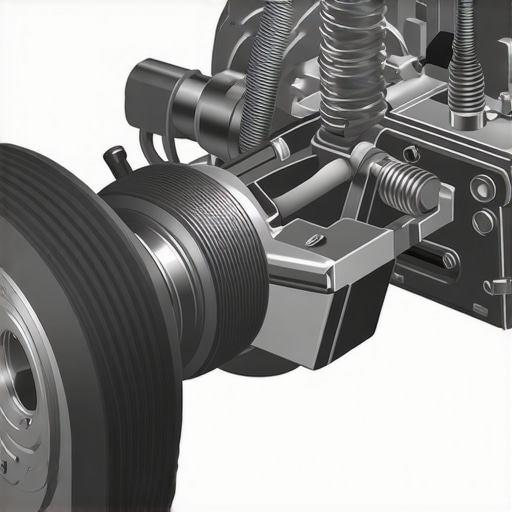
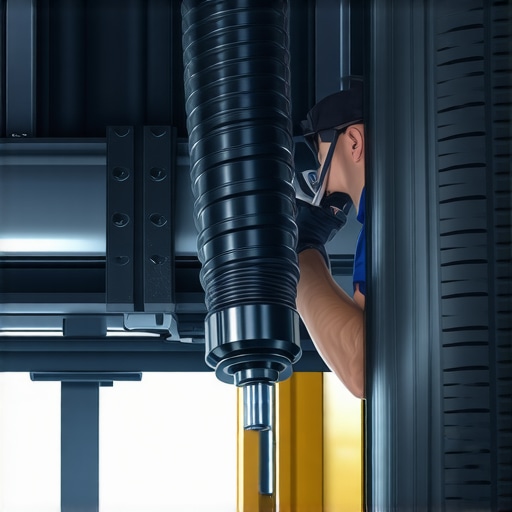
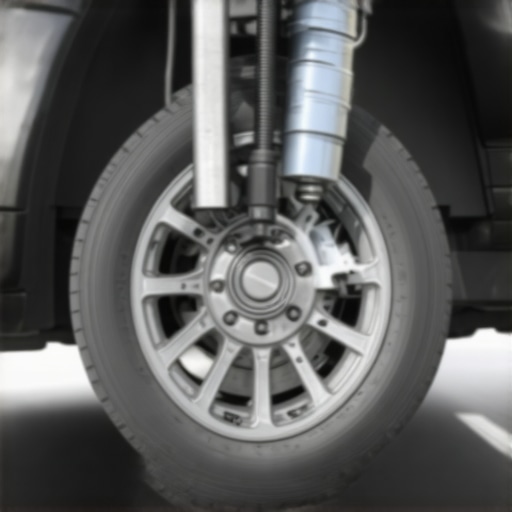
Begin by examining your suspension and steering parts for signs of wear or damage. Look for cracked bushings, leaking shocks, or bent tie rods. I once caught a worn outer tie rod by inspecting under the car with a flashlight, which revealed excessive play and explained the persistent pull. Addressing these issues early prevents further damage and improves steering stability. For detailed guidelines, check out this guide on identifying worn suspension parts.
Test for Play and Waus
Lift your vehicle safely and grasp the wheels at 3 and 9 o’clock to check for lateral movement. Excessive movement indicates worn ball joints or tie rods, which are common culprits. I recall testing my front wheels and discovering 0.25-inch movement, leading me to replace the problematic tie rod. This step is crucial because even minor play can cause significant pull, despite a recent alignment.
Consider Tire Condition and Alignment Angles
Inspect the tires for uneven wear or damage. Uneven tread can steer your car unexpectedly, especially if one tire is more worn. Use a tread depth gauge and look for cupping or feathering. I once neglected this and replaced alignment settings, but the pull persisted until I replaced a tire with irregular wear patterns. Remember, proper tire pressure is vital—under- or over-inflated tires affect steering responsiveness. To learn more about tire health, visit this article on tire wear signs.
Check for Uneven or Worn-Out Tires
Uneven tire wear can be caused by misaligned or worn suspension parts. Rotate your tires regularly and replace any that show abnormal wear patterns. After changing my tires, I immediately noticed improved handling and a centered steering wheel. It’s like balancing a spinning top—if one side is heavier or uneven, the entire thing wobbles. Properly balanced tires contribute greatly to steering precision.
Evaluate Your Power Steering System
Listen for whining noises or stiffness during turns. Low power steering fluid or failing components can cause pulling. I once ignored a slight squeal when turning, which turned out to be a pump failure. Regularly check fluid levels and top off with the correct fluid. Also, inspect for leaks—small puddles under your vehicle signal pump issues. For detailed maintenance, refer to this resource on proper fluid choices.
Test the Power Steering Fluid and Pump
Check the fluid level and quality; dark or gritty fluid indicates contamination. Use a clean cloth to wipe the reservoir dipstick and compare levels. If fluid is low, top it up with manufacturer-approved fluid. If the pump whines over time, consider replacement, especially if flushing doesn’t resolve the noise. Regular maintenance saves money and keeps steering smooth.
Perform a Road Test to Confirm Findings
Drive on various surfaces and note if the pull occurs under specific conditions. Accelerate, brake, and turn during the test. Recall my experience where the pull worsened on rough roads, revealing uneven tire pressure. Adjusting pressure and tightening loose components during the test phase provided immediate relief. Using this method helps pinpoint issues that static inspections might miss, ensuring you target the true cause.
Document Your Observations
Keep a note of when and how the pull manifests. This record helps troubleshoot with a mechanic or during further inspections. I found that the pull intensified after long highway drives, indicating heat-related expansion in components. Accurate documentation streamlines repairs and saves time.
Consult with a Certified Technician if Unsure
If after these steps the problem persists, seek an ASE-certified professional. They have the expertise to perform comprehensive diagnostics, including checking for underlying issues like hidden transmission problems or faulty steering racks. Passing on proper diagnostics prevents unnecessary repairs and ensures your vehicle’s safety and performance.
When it comes to automotive care, many believe they’ve got the basics down—changing oil regularly, trusting their mechanic, and following manufacturer recommendations. But behind these popular beliefs lie nuanced truths that can make or break your vehicle’s longevity. Let’s dig deeper into what most people get wrong about oil changes, car service, transmissions, and the importance of ASE certification.
Myth: All Oil Changes Are Equal
One widespread misconception is that any oil change will suffice, regardless of the type or quality of oil used. In reality, synthetic oils like those discussed in bio-synthetic oils provide superior protection, especially for high-performance or hybrid engines. Additionally, the frequency of oil changes isn’t solely determined by miles but by your driving habits and engine requirements. Falling for the ‘one-size-fits-all’ approach can lead to accelerated engine wear and, ultimately, costly repairs.
What Most Overlook in Routine Maintenance
Many drivers neglect the subtle signs of transmission wear or fail to recognize that regular service isn’t just about replacing filters or fluids. An advanced mistake is relying solely on your mechanic’s visual inspection without understanding the underlying diagnostics. For example, issues like slipping transmissions or delayed engagement often stem from internal components that require specific tests outlined in these comprehensive checks. Not addressing these nuances early can result in irreversible damage.
Why Do I Still Experience Problems After Service?
This question is common among seasoned car enthusiasts. The answer lies in the hidden factors—like incorrect fluid levels, contaminated oils, or overlooked part wear. For instance, replacing the transmission fluid without considering metal shavings or the condition of the torque converter can be a futile effort. Understanding the complexity requires knowledge that goes beyond typical service checklists.
Beware the ASE Certification Trap
While ASE certification is a marker of professionalism, it’s a misconception that all certified technicians are equally equipped for every issue. Some shops may have superficial certifications or focus on volume. Real expertise involves familiarity with advanced diagnostics, like identifying signs of a failing hybrid brake actuator or turbo engine issues, as detailed in this guide. Ask specific questions about your vehicle’s history and the technician’s experience with your make and model to avoid subpar service.
Engine and Transmission: What’s the Real Difference in Maintenance?
The advanced understanding here is that while engine oil is often treated as the core of vehicle health, transmission fluid plays an equally crucial role. Neglecting transmission care, especially in modern vehicles with complex gearboxes, can lead to slipping, shuddering, or complete failure. Regularly checking for signs like unusual noises or gear hunting—detailed in this article—can save you thousands. Remember, proper diagnostics backed by ASE expertise are key to preventive maintenance.
In summary, avoiding common myths requires a deeper understanding of automotive nuances. Always question general advice, focus on data-driven diagnostics, and recognize that quality maintenance is an ongoing process—not a one-time fix. Have you ever fallen into this trap? Let me know in the comments.
Keeping It Running: Tools I Trust for Automotive Care
Maintaining your vehicle over the years requires precision, patience, and the right equipment. I’ve found that investing in quality tools not only simplifies routine maintenance but also helps catch issues early, saving you money and breakdowns down the line. One of my go-to items is a professional-grade OBD-II scanner. Unlike generic code readers, a diagnostic tool like the Autel MaxiCOM MK808 ensures I can access advanced live data, freeze frames, and complete system tests, like those needed to diagnose complex hybrid brake actuator issues (see here). Having this at home means I can verify system health before heading to the mechanic, ensuring I don’t pay for unnecessary repairs.
Another essential is a high-quality torque wrench. When dealing with lug nuts or suspension components, precise torque application prevents future problems like uneven tire wear or loose parts. My preferred model is a digital torque wrench because it provides clear, consistent readings and helps me adhere to manufacturer specs, especially when reassembling critical parts following an ASE-certified repair protocol.
And for DIY fluid changes, I always use a quality oil pump and funnel set. This allows me to avoid spills and ensure accurate oil placement. For example, when I performed my last transmission fluid change, I utilized a pump that connected directly to the drain port, which expedited the process and minimized air pockets. Proper tools like this are crucial—especially since modern transmissions, like those discussed here, require exact fluid levels and gentle handling to prevent costly damage.
Leveraging Software to Maintain Peak Performance
Beyond physical tools, software plays a critical role. Using manufacturer-specific diagnostic software, such as ODIS for VW or IDS for Ford, grants me access to detailed parameters and calibration options that generic tools can’t provide. This capability is vital for fine-tuning systems and performing resets or adaptations after repairs, ensuring my car maintains optimal efficiency and longevity.
Looking into the future, I foresee an increasing convergence between hardware and software diagnostics, making it even easier for enthusiasts to monitor vehicle health remotely. Imagine integrating vehicle data with mobile apps, receiving alerts for critical issues before they become severe—something I’m excited to see develop in automotive technology.
How do I maintain my car’s longevity over time?
The key is regular, proactive checks combined with the right tools. For instance, I recommend scheduling routine scans with an advanced OBD-II device to identify small anomalies early. Paying attention to oil condition and using filters like those validated by ASE standards (see here) helps prevent engine sludge and wear. Additionally, keep your suspension components, steering linkages, and transmission fluid levels in check, using tools designed for precision. Practicing these habits consistently can significantly extend your vehicle’s life, protect your investment, and provide peace of mind during long-term ownership.
Through my journey of diagnosing and fixing car pulling issues despite recent alignments, I’ve learned that real automotive wisdom goes beyond standard checks. The most valuable lessons are often surprises—like discovering a worn tie rod or a subtle suspension crack—that taught me to look deeper and trust my instincts. Avoiding the comfort of surface fixes by embracing comprehensive diagnostics and persistent curiosity saved me money and ensured my vehicle’s longevity. These experiences remind me that expertise is a continuous pursuit, and keeping an open mind makes all the difference.