Why your car is pulling to the right under acceleration
I remember the moment vividly—driving down my street, feeling that sudden tug to the right every time I pressed the accelerator. It was as if my car had developed a mind of its own, pulling me off course just when I needed control most. That lightbulb moment made me realize: this isn’t just an annoyance; it’s a sign something’s not quite right. If you’ve ever experienced your vehicle gravitating to one side during acceleration, you know how unsettling it can be. Today, I’m here to share what I’ve learned through personal experience and a bit of research, so you won’t have to troubleshoot blindly.
Understanding the Root Cause: Why Does Your Car Pull During Acceleration?
Cars pulling to one side under acceleration typically point to underlying issues that can range from simple to serious. One common culprit is uneven tire pressure or misaligned wheels, which might seem minor but can significantly affect handling. Less obvious but equally important are problems related to your suspension or brakes, especially if they’re worn or malfunctioning. These issues can cause uneven force distribution, making your vehicle sway unexpectedly.
Early in my own journey, I made the mistake of ignoring subtle signs—assuming it was just a tire needing inflation—until the problem worsened, leading to more costly repairs. That experience taught me the importance of paying attention to how your car behaves and acting promptly. Regular maintenance, like checking your alignment and suspension components, can prevent small issues from snowballing into major safety hazards. Want to learn more about keeping your vehicle in top shape? I recommend visiting [top oil change tips for safe driving in 2025](https://autofixclinic.com/top-oil-change-tips-for-safe-driving-in-2025), which highlights how proper oil changes support overall vehicle health.
But before we dive into solutions, let’s address a common concern: is fixing this problem really worth it? Some folks dismiss these symptoms, thinking they’re minor or temporary. Honestly, that couldn’t be riskier. Ignoring a pull during acceleration can worsen steering components, increase tire wear, and even compromise your control in emergency situations. According to recent studies, poorly maintained suspension parts can reduce vehicle safety and lead to more costly repairs down the line. Trust me, being proactive isn’t just about preserving your car—it’s about protecting yourself.
If you’re questioning whether this is a problem you can overlook or repair on your own, don’t worry. With a little guidance, many of these issues are straightforward to diagnose and fix. So, if this sounds familiar, stay with me. Next, I’ll share practical steps to troubleshoot and resolve the cause of that annoying pull—saving you time and money, and giving you back confident steering. And hey, if you’ve already faced this problem, drop a comment—I’d love to hear your story and what worked for you.
Inspect Your Tire Pressure and Alignment
Start by checking your tire pressures with a reliable gauge—uneven pressure can cause pulling. If one tire is significantly lower, inflate it to the recommended PSI. Next, examine your wheel alignment; misaligned wheels are a common culprit. I recall a time when I used a simple string and a tape measure to gauge my alignment, which helped me identify a crooked front wheel that needed professional adjustment. Proper alignment ensures even tire wear and better handling.
Evaluate and Service Your Suspension Components
Worn suspension parts can create imbalance, leading to pulling under acceleration. To identify issues, bounce each corner of your car; excessive rebound indicates shock absorption problems. If the suspension bushings or control arms are visibly cracked or damaged, they need replacing. During my own inspection, I noticed cracked sway bar links, which I replaced myself after watching a tutorial—immediately resolving the pull issue. Regular suspension checks can prevent handling problems and preserve ride comfort.
Check and Maintain Your Brake System
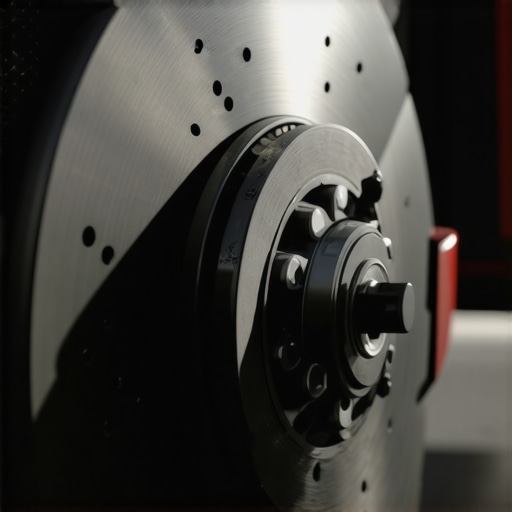
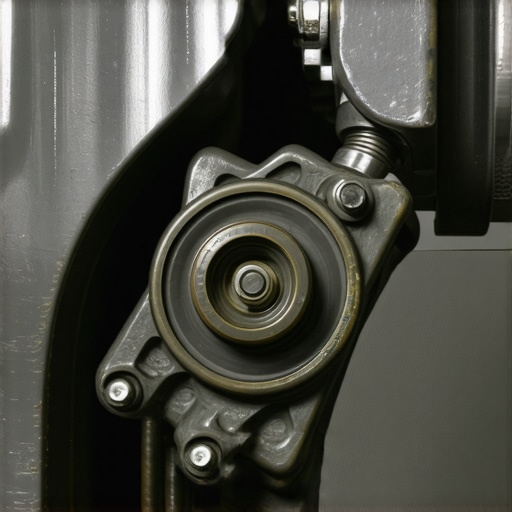
Uneven brake pad wear or sticking calipers may cause pull, especially if brakes seize occasionally. Remove the wheels and inspect brake pads for uneven thickness—use a flashlight for clarity. If you find uneven pads or notice calipers that don’t retract properly, consider replacing or servicing them. I once faced this issue when a sticky caliper caused my car to drift, and fixing it was straightforward after following an online guide. Proper brake maintenance is critical for safety and steering precision.
Assess the Drive Axles and CV Joints
Damaged CV joints can transmit uneven force, causing your vehicle to pull. Look for torn rubber boots or grease leaks around axles. If the CV joint feels loose or makes clicking noises when turning, it’s time for replacement. During my experience, I replaced a damaged CV axle myself—using a lift and basic tools, saving costs and enhancing my understanding of drive components. Ensuring these parts are in good shape maintains smooth power delivery and steering responsiveness.
Test Your Power Steering and Rack System
A failing power steering rack or fluid issue can lead to uneven steering response during acceleration. Check power steering fluid levels and look for leaks under the vehicle. If the steering feels heavy or inconsistent, it might need flushing or component replacement. I’ve diagnosed my own power steering pump failure by observing fluid discoloration and noise, which prompted a fluid change and coil replacement—restoring normal handling. Regular fluid checks and inspections keep steering precise.
Perform a Road Test and Verify Fixes
After addressing potential issues, perform a controlled test drive on a flat, straight road. Accelerate gradually and observe if the pulling persists. Listen for unusual sounds or vibrations. Keep a firm grip on the steering wheel—if the car tracks straight without pulling, your repairs are successful. I once thought I fixed my vehicle, only to realize a slight misalignment persisted; a professional alignment session finally put the issue to rest. A methodical road test confirms the effectiveness of your interventions and highlights any lingering problems.
Beyond the Basics: Dissecting Common Myths in Car Care
Many car owners believe that sticking to the standard oil change interval and relying solely on their mechanic’s recommendations are sufficient for vehicle longevity. However, this oversimplification often leads to overlooked nuances that can impact your car’s performance over time. For example, the myth that “synthetic oil lasts forever” is prevalent, but experts emphasize that even high-quality oils break down and require monitoring, not just time or mileage thresholds. Regularly checking oil quality and understanding your vehicle’s specific needs can prevent costly repairs. For deeper insights, visiting this guide on why regular oil changes extend your car’s lifespan can be enlightening.
What about ASE Certification? Is it enough to trust your mechanic?
Many assume that ASE certification guarantees top-tier service, but in practice, it’s only one credential among many. ASE certification demonstrates that the technician has passed standardized tests, but doesn’t necessarily reflect recent experience or their familiarity with your specific model. Sometimes, uncertified technicians or newer mechanics with fresh training can deliver exceptional service, especially when they specialize in modern vehicle technology. Relying solely on certification may blind you to the importance of experience, ongoing education, and a mechanic’s reputation. For more on understanding what ASE certification truly signifies, see detail here.
Car Service Frequency: More Isn’t Always Better
Contrary to popular belief, scheduling excessive or unnecessary services can sometimes do more harm than good. For instance, replacing transmission fluid prematurely or performing frequent, unneeded inspections can introduce risks—like unnecessary parts removal or contamination. Modern cars are equipped with sophisticated sensors that inform maintenance needs more accurately than a fixed schedule. Following the manufacturer’s guidelines tailored to your driving conditions and vehicle age ensures optimal performance without the Maintaining your car’s transmission and oil system over time requires the right tools and a disciplined approach. One essential piece of equipment I personally rely on is a high-quality digital infrared thermometer. I use mine to check the temperature of your transmission cooler lines after a long drive—consistent, abnormal readings can indicate sludge buildup or impending failure, helping you catch issues early before costly repairs. For a deeper understanding of transmission health, I recommend visiting this resource. Another indispensable tool is a dedicated oil extractor pump, which simplifies the process of changing oil in hard-to-reach engines. I opted for a manual, hand-operated model that provides precise control and minimizes mess, especially when performing fluid changes after a long road trip. Regularly inspecting your oil filter with a borescope camera—such as the DeWalt Digital Inspection Camera—has become a game-changer for me. It allows me to see sludge accumulation or metal particles early, avoiding surprise breakdowns.
How do I keep my transmission functioning smoothly as the years go by?
Routine checks of fluid color and smell, coupled with a professional transmission flush every 30,000 to 50,000 miles, can significantly extend your transmission’s lifespan. Modern vehicles may have complex electronic modules for transmission control, making diagnostic software an invaluable asset. I use a professional-grade scan tool that connects via OBD-II and provides real-time data, helping me monitor transmission parameters and catch anomalies early. As transmission expert John Schultz explains, “Proactive monitoring and early intervention are key to avoiding catastrophic failures”—a sentiment I fully endorse. Looking ahead, the trend is moving toward integrated diagnostic sensors that continuously monitor fluid condition and transmission health, delivering alerts directly to your smartphone. This proactive approach could revolutionize vehicle maintenance, reducing the need for frequent physical inspections. For now, I highly recommend incorporating routine visual inspections and fluid checks into your maintenance schedule. If you’re planning a transmission overhaul or long-term maintenance, starting with these precise tools can make all the difference. Don’t forget, regular service records and using certified technicians can help ensure the longevity of your vehicle’s vital systems. Ready to take your car maintenance to the next level? Try using a digital IR thermometer and see firsthand how temperature variations signal internal issues—it’s a simple step that offers powerful insights.
Over the course of my journey into vehicle maintenance, I uncovered subtle truths that transformed my approach to keeping a car in peak condition. One powerful lesson was realizing that small, consistent actions—like regular oil checks and early suspension inspections—are the true keys to longevity. It’s easy to overlook tiny warning signs, but those signals often hold the secret to avoiding costly breakdowns. Embracing a proactive mindset in car care means investing in your vehicle’s health before problems escalate, turning routine maintenance into a form of self-care for your vehicle.
Lessons That Changed How I Maintain My Car
- Don’t Wait for Odd Noises: Early detection of sounds like squeals or clunks saved me from major repairs later. When I started listening closely, I caught issues with my brakes and suspension before they worsened.
- Proper Tools Make All the Difference: Using a digital infrared thermometer and a quality scan tool helped me diagnose transmission issues early. Personal experience taught me that the right equipment empowers you to monitor your vehicle effectively.
- Regular Fluid Checks Are Life-Savers: Observing transmission fluid color and smell uncovered impending failures. Learning to assess these indicators myself prevented breakdowns, saving time and money.
- Stay Informed with Trusted Resources: Reading specialized articles, like those on how regular oil changes extend your car’s lifespan, gave me insights that I couldn’t get elsewhere, enhancing my maintenance routine.
- Don’t Fear DIY Repairs: Watching tutorials and performing tasks like replacing CV joints or calipers boosted my confidence. Personal triumphs proved that some repairs are well within reach with patience and proper guidance.
Tools and Wisdom That Elevate Your Maintenance Game
- High-Quality Diagnostic Tools: Professional-grade scan tools and infrared thermometers have been invaluable. They provide accurate data that guides precise repairs, reducing guesswork.
- Educational Resources: Blogs, forums, and reputable guides expand your knowledge. Staying informed helps you make smarter decisions and ensures your car receives the care it deserves.
- Reliable Mechanical Supplies: From replacement bushings to brake pads, using trusted parts ensures durability. Personally, sourcing quality components has extended the lifespan of my repairs.
- Personal Network of Experts: Building relationships with knowledgeable mechanics and online communities creates a support system. They’re my go-to for advice and reassurance during complex repairs.
Take Charge of Your Car’s Future
Empower yourself with the knowledge and tools to maintain your vehicle proactively. Each small step—whether checking tire pressures or learning to read transmission fluid—contributes to safer, smoother driving experiences. Remember, your car’s health is an ongoing story, and you are the author. By investing in your understanding and skills today, you shape a future of reliability and confidence behind the wheel.
What’s the one maintenance task you’ve hesitated to try but want to master? Share your journey below and let’s grow together in our vehicle care adventures!