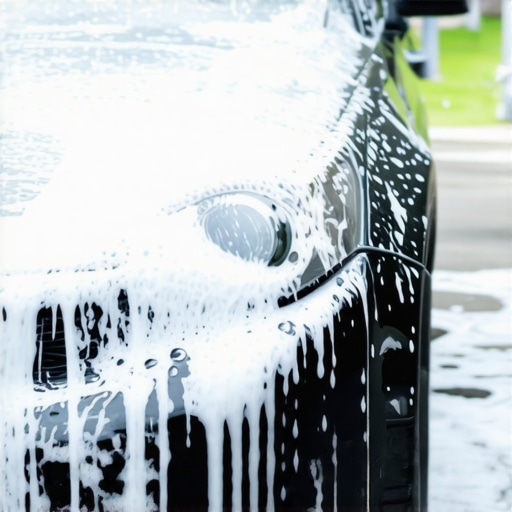
The Danger of Using Dish Soap to Clean Your Car’s Paint
I remember the first time I tried to give my car a quick wash using dish soap. The bright, bubbly suds looked satisfying, and I thought, ‘This will do the trick.’ But shortly after, I noticed a dull sheen replacing the glossy finish I loved. That lightbulb moment hit me hard—dish soap isn’t meant for car paint, and I had just sabotaged my vehicle’s appearance.
Why Your Car Deserves Better Than Dish Soap
**Cleaning your car might seem straightforward, but the products you choose can make or break the paint’s health.** Dish soap, abundant in most kitchens, is designed to cut through grease on your dishes, not to protect a delicate paint job. Its harsh detergents strip away the natural oils that keep your car’s surface shiny and protected. Over time, this can lead to etching, fading, and an increased risk of rust. Speaking from personal experience, I learned this the hard way after noticing tiny scratches and a lackluster finish where there once was a glass-like shine.
But don’t worry, there’s good news. I’ll guide you through the *why* and *how* of maintaining that showroom glow without risking damage. Trust me, your car’s paint will thank you.
Is Skipping the Right Products Actually Worth the Risk?
Many car owners wonder if the extra effort to find specialized cleaners is justified, or if certain common household items could suffice. Early on, I made the mistake of thinking that any soap would do, which led to more harm than good. It’s a mistake many inexperienced car enthusiasts make, but it’s easily avoided.
Did you know that regular use of proper car wash products can extend the lifespan of your vehicle’s paint? Check out [this article](https://autofixclinic.com/why-regular-oil-changes-extend-your-cars-lifespan) to see how routine maintenance can protect your investment.
Next up, I’ll share some practical tips on choosing products that keep your car looking brand new—without breaking the bank or risking a botched wash. If you’ve ever struggled with dull paint or wondered if your cleaning routine is harming your vehicle, keep reading. I’ve been there, and I know how to help you avoid the same pitfalls.
Select Quality Cleaners and Tools
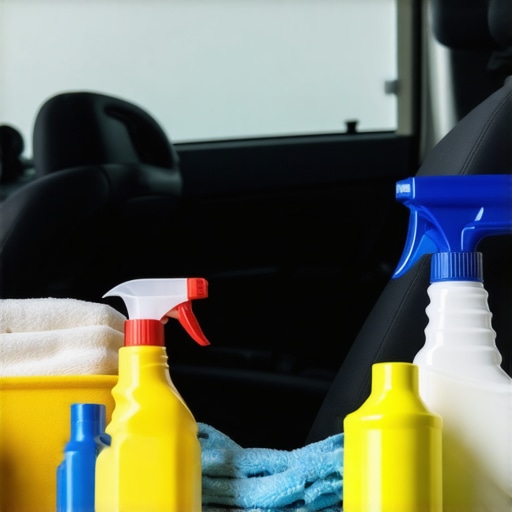
Start by choosing the right car-specific cleaning products. Avoid household cleaners like dish soap, which can damage your paint. Instead, opt for dedicated car shampoos and microfiber cloths to prevent scratches. When I first switched to a proper car wash soap, I noticed my vehicle’s paint looked much shinier and remained protected longer. Investing in quality tools saves time and money in the long run.
Prepare Your Vehicle for a Safe Wash
Park your car in a shaded area to prevent rapid evaporation and water spots. Ensure the vehicle is cool to the touch. Then, gather all your supplies: bucket, sponge, hose, microfiber towels, and cleaning solutions. I once started washing in direct sunlight, which caused the soap to dry too quickly, leaving streaks and spots. Preparing correctly ensures an efficient and safe cleaning process.
Implement Proper Washing Techniques
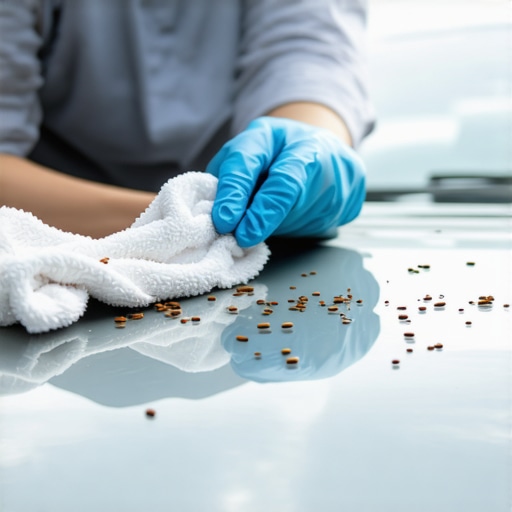
Begin from the top, working downward to avoid recontaminating cleaned areas. Use a two-bucket method: one with soapy water, and one with clean water for rinsing your sponge, reducing dirt transfer. Apply gentle pressure; aggressive scrubbing can harm the clear coat. I remember the first time I used this method, my car’s surface stayed spotless and streak-free, unlike before when stubborn dirt caused scratches.
Dealing with Difficult Spots
For grime or bug stains, pre-soak with a dedicated cleaner or vinegar solution. Let it sit for a few minutes, then gently scrub. Rinse thoroughly to prevent residue buildup. My success with this approach eliminated the stubborn spots I once thought would require harsh chemicals.
Dry and Finish
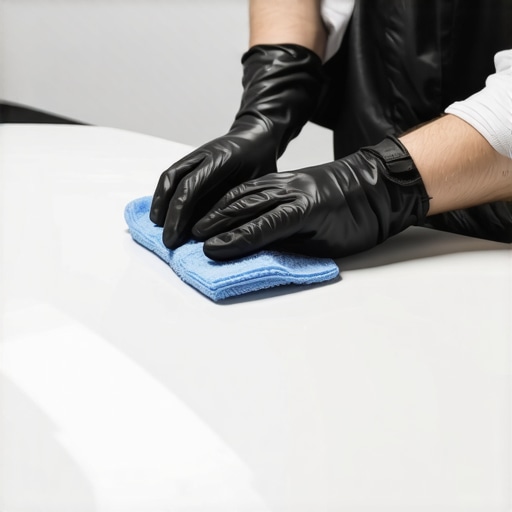
Use soft microfiber towels to dry the vehicle completely. Pat rather than drag to avoid scratching. Apply a wax or protectant if desired—this closes the pores and enhances shine. Proper drying prevents water spots, maintaining a glossy look for longer. I learned that neglecting this step led to dullness, which was disappointing after all the effort.
Regular Maintenance Ensures Longevity
Consistent washing and careful product selection extend your car’s paint life. Consider routine inspections for other vital components, like oil and transmission fluids. For instance, scheduling regular oil changes with quality oils can prevent engine wear, which I detailed in this guide. Staying proactive keeps your vehicle performing reliably and looking great.
When it comes to maintaining your vehicle, many enthusiasts and car owners operate under misconceptions that can secretly harm their car’s longevity. Let’s dig deeper into these nuanced pitfalls that often go unnoticed by even seasoned drivers.
**Myth of the ‘One-Size-Fits-All’ Service Interval**: A widespread belief is that following the manufacturer’s recommended service schedule guarantees optimal performance. However, many overlook that driving conditions, climate, and even the vehicle model’s specifics mean some cars need more frequent checks. For instance, aggressive driving or high-temperature environments accelerate wear, especially for transmission components. Regularly consulting expert insights, such as those found here, can help customize maintenance schedules.
**The Overlooked Importance of ASE Certification**: It’s common to think that all mechanics are equally qualified, but this is far from the truth. ASE certification is a reliable marker of expertise; however, many owners assume certification guarantees perfect service. In reality, even ASE-certified techs can vary in specialization. For advanced issues like slipping transmissions, knowing how to identify and vet specialists is crucial. Learn more about what ASE certification truly signifies by visiting this detailed explanation.
**The Trap of Ignoring Transmission Nuances**: Many drivers neglect transmission health until noticeable problems emerge—like shifting hesitation or whining noises. But the transmission is a complex, delicate system where small issues, if caught early, can prevent costly repairs. For example, low or contaminated transmission fluid can accelerate wear and cause shift issues, especially in cold weather. Recognizing early signals requires understanding the subtleties, as discussed here.
**The Real Cost of Skipping Small Maintenance Tasks**: There’s a dangerous misconception that minor services are optional. In truth, neglecting small tasks like fluid top-offs or filter replacements often leads to bigger failures. For example, failing to replace a contaminated oil filter can cause oil starvation, leading to engine damage over time. This oversight frequently results in ‘dry starts’—where oil circulation is compromised during initial engine startup—causing metal-on-metal contact. Stay ahead by understanding the importance of routine checks, as outlined here.
**Advanced Questions Car Owners Should Ask**: How can I tell if my transmission is subtly slipping before it completely fails? This involves observing engine RPM inconsistencies, delayed acceleration, or unusual noises—indicators that require expert diagnostics. Recognizing these early signs can save you thousands. For a comprehensive guide, check this resource.
Understanding these nuanced aspects of vehicle care often separates advice from actual best practices. Avoid common pitfalls by staying informed and proactive. Have you ever fallen into this trap? Let me know in the comments and share your experiences. After all, mastery begins with awareness.
Keep It Running: Tools and Techniques for Reliable Vehicle Care
Maintaining a vehicle’s longevity requires more than just routine oil changes; it involves investing in the right tools and adopting precise methods. Personally, I rely on an advanced automotive scan tool called the OBDLink MX+. This compact device connects to your vehicle’s OBD-II port and pairs with your smartphone via Bluetooth, giving real-time diagnostics, fuel efficiency data, and even live graphs of sensor readings. I use it regularly to monitor transmission health and catch potential issues before they escalate, especially in high-mileage vehicles.
Pairing the scan tool with diagnostic software such as OBDLink’s app allows me to perform quick engine health checks and reset warning lights without rushing to a mechanic. This proactive approach saves money and keeps the vehicle performing optimally. As vehicle technology advances, having diagnostic equipment at home becomes an essential part of
Uncovering Hidden Truths About Car Maintenance That Changed My Approach
One of the most eye-opening lessons I learned was that not all car issues are immediately obvious. Small signs, like a slight hesitation during shifts or a faint whining sound, often hint at underlying transmission problems. Recognizing these subtle cues before they escalate can save hundreds, even thousands, of dollars. This insight taught me to pay closer attention and consult resources like expert insights on early detection.
Another revelation was the importance of trusting certified professionals over generalists. An ASE-certified mechanic isn’t just a credential—it’s a guarantee of my vehicle’s health. I discovered that seeking out shops with certified technicians who specialize in transmissions not only provided peace of mind but also kept my car running smoothly longer. To understand what this certification truly signifies, I recommend reading this explanation.
Tools That Empower Me to Keep My Car in Top Shape
Investing in a quality diagnostic scanner, like the OBDLink MX+, has revolutionized how I maintain my vehicle. With real-time data, I can monitor transmission performance and catch issues early, reducing reliance on costly repairs. Using diagnostic software, I’ve learned to interpret sensor readings and even reset warning lights myself, which fosters confidence and saves time. These tools serve as my digital car doctor, and I highly recommend them for any car enthusiast serious about proactive maintenance.
Reading about routine oil changes and how they affect transmission longevity has further inspired me to stay consistent. Regular maintenance isn’t just a chore—it’s an investment in your vehicle’s future.
Your next moves in vehicle care can lead to lasting performance
Remember, treating your car with care and insight transforms mere ownership into a partnership. By understanding the subtle signals your vehicle gives, trusting qualified professionals, and equipping yourself with the right tools, you extend its life and improve its performance. The journey to reliable, smooth driving begins with awareness and action. Are you ready to take the next step in your car maintenance routine? Share your experiences below—I’d love to hear what’s worked for you or what challenges you’ve faced along the way.