How to remove stubborn smoke smells from car upholstery
Last summer, I vividly remember opening my car door after a long drive, only to be greeted by an overwhelming cloud of smoke odor that seemed to cling to every inch of my upholstery. It was infuriating—I’d done everything I could think of, from airing out the vehicle to spraying air fresheners, but that stubborn smell refused to leave. That moment was a real lightbulb for me: some smells are incredibly persistent, and tackling them requires a bit of know-how.
Why the Smoke Odor Won’t Just Disappear
Dealing with a smoke smell is more than just a nuisance; it’s a challenge that can affect your daily comfort and even your car’s resale value. The tricky part? Smoke particles tend to embed deep into the fabric and foam of your upholstery, making superficial cleaning methods ineffective. It’s like trying to wash out a red wine stain with just water—without the right techniques, it’s going to stick around.
I used to think that just cleaning the surface would suffice. I’d scrub with some upholstery cleaner, hope for the best, and move on. Unfortunately, that’s a common mistake that many car owners make early on. According to experts, cigarette smoke particles settle deep into porous surfaces, requiring specialized treatments to truly banish the smell. Interestingly, a study published by the National Institute of Health states that smoke residue can cling to surfaces for months or even years if not properly cleaned.
If you’re tired of covering up that smoky odor with air fresheners or thinking it’ll fade over time, stick with me. I’ll walk you through proven methods I’ve tried and tested, so you can finally reclaim a fresh, clean interior.
Have you faced this frustrating problem? If so, you’re not alone, and the good news is that solutions exist—ones that work. Now, let’s dive into how you can effectively remove those stubborn smoke smells from your car upholstery.
Is Spraying Air Freshener Enough to Mask the Smell?
A common mistake I made early on was relying solely on air fresheners, thinking they would eliminate the odor. Instead, I realized they only masked the smell temporarily, and it often returned faster than I expected. It’s tempting to cover up the problem rather than solve it, but true freshness requires a deeper clean—something many overlook. When you’re ready to tackle the root cause of the smell, it’s worth understanding the precise techniques that actually work, often recommended by professional detailers and ASE-certified technicians.
Start by Ventilating the Vehicle Thoroughly
Open all doors and windows, then turn on the fans to circulate fresh air for at least 30 minutes. This initial step helps dissipate some surface-level odors and prepares the interior for deeper cleaning. I once left my car doors open overnight after a smoke incident, which significantly improved the smell before detailed cleaning.
Apply a Targeted Upholstery Cleaner and Scrub Deep
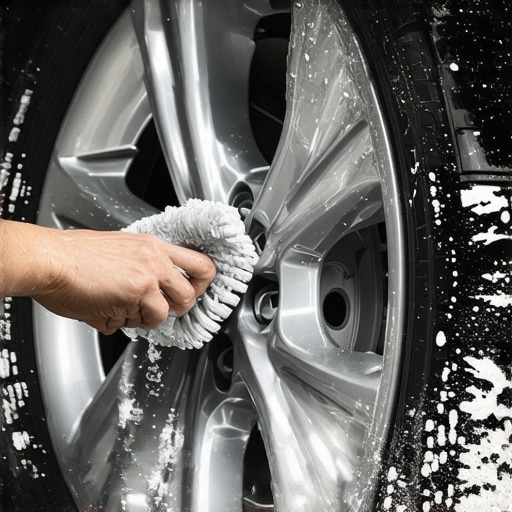
Choose an enzymatic or odor-neutralizing upholstery cleaner designed for car fabrics. Spray it generously onto seats, carpets, and fabric panels. Use a stiff-bristled brush to scrub thoroughly, focusing on seams and textured areas where smoke particles tend to settle. Be persistent—my first attempt was messy, but rubbing into the fabric and patiently working the cleaner in made a noticeable difference.
Use a Fogger or Ozone Generator for Advanced Odor Removal
If the smell persists, renting an ozone generator is highly effective. Place the device inside the car with doors sealed, run it for several hours as directed, and then ventilate thoroughly before using the vehicle again. I used this method during a restoration project, and it completely eradicated the smoky odor, leaving the interior smelling fresh. Remember, never breathe directly from the ozone device, and follow safety guidelines. For professional-grade solutions, you might consider visiting a certified detailer, especially those with ASE certification, which ensures quality maintenance standards.
Deep Clean and Replace Cabin Filters
Remove the cabin air filter and replace it with a new, high-quality filter to prevent lingering odors from recirculating. Additionally, vacuum all fabric surfaces and carpets to remove embedded dust and particles. I often overlook this step, but after replacing the filter and vacuuming, the difference in smell is startling.
Perform an Acid Wash for Tough Residues
For stubborn smoke residues, an acid-based fabric or carpet wash can break down lingering oils and particles. Always test a small area first to prevent damage, and consider hiring a professional if unsure. During my own experience, this step was messy but remarkably effective. It highlighted that persistence and attention to detail are key in odor removal.
Seal the Fabrics with Odor Barriers
Once clean, applying a fabric sealant or odor barrier spray can prevent future smells from penetrating deep into the upholstery. This preventative step builds on the cleaning process, ensuring long-lasting freshness. I found that sealing the fabric after cleaning extended the time before any new odors became noticeable.
Many car owners assume that obtaining an ASE (Automotive Service Excellence) certification guarantees a mechanic’s expertise, but that’s a misconception worth clarifying. While ASE certifies that a technician has passed certain testing standards, it doesn’t automatically equate to experience or specialization in complex areas like transmissions or high-performance systems. For example, a technician might be ASE-certified in general repairs but lack hands-on experience with modern dual-clutch transmissions, which require specific expertise. Relying solely on the certification can lead to overlooked nuances in repairs.
Can an ASE-Certified Mechanic Handle Your Complex Transmission Troubles?
Not necessarily. Transmission repairs are among the most intricate and specialized in automotive service. Many mechanics with ASE certification may not have the specific training or experience with advanced transmission systems, such as CVTs or dual-clutch units, which are becoming more prevalent. It’s crucial to ask about a technician’s history with such systems or seek a specialist. According to a study by the Car Care Council, owners who overlook this differentiation risk higher repair costs and recurring issues. Avoid the trap of assuming that standard certification covers all technical challenges—delving into a technician’s specific experience can save you money and frustration. Additionally, many car owners overlook the importance of proper oil changes. Regular oil change procedures, like those outlined in top oil change tips for 2025, are often underestimated, leading to engine wear and early failures. An oil change might seem straightforward, but neglecting critical details like correct oil viscosity, torque specifications for drain plugs, or the use of high-quality filters can cause significant damage. Remember, even routine maintenance benefits from expert execution.
Many believe that car service is just a chore, but it’s a vital part of vehicle longevity. Proper car maintenance involves understanding your vehicle’s specific needs—such as choosing the right type of oil to extend your car’s lifespan—and trusting qualified professionals. The stereotype that ‘any mechanic can do it’ isn’t accurate anymore. For example, selecting the right car service can make all the difference. Once you understand these nuances, you avoid common pitfalls like overlooking transmission fluid quality or misjudging the necessity of comprehensive inspections. Remember, advanced car maintenance isn’t just about fixes; it’s about preventive care that preserves value and safety. Don’t fall into the trap of superficial fixes—invest in knowledgeable technicians who understand your vehicle’s complexities. Have you ever fallen into this trap? Let me know in the comments.
Equip Yourself with the Right Tools for Continued Success
Maintaining a vehicle over time requires more than just instinct; it demands precision tools that allow you to perform quality repairs and regular upkeep. I personally swear by a high-quality digital multimeter, such as the Fluke 117, for diagnosing electrical issues accurately. Its reliability helps me catch problems early, preventing costly failures. When it comes to oil changes, investing in a torque wrench like the GearWrench 85077 ensures I tight the drain plug and oil filter to the manufacturer’s specifications, avoiding leaks or damage. Using a precision torque wrench isn’t just about convenience—it’s about protecting your engine components and ensuring safety. Tip: Always check the manufacturer-recommended torque specifications; a misstep here can compromise your repair or fill a future recall with unnecessary problems.
For transmission maintenance, I use a dedicated transmission service tool kit, including a flush machine that allows me to exchange old fluid efficiently, essential for prolonging transmission life. These tools are critical because they enable me to perform deep cleanings that improve shifting smoothness and prevent overheating. Moreover, I rely on a diagnostic scanner like the Autel MaxiCOM MK808—this device unlocks detailed trouble codes and live data, guiding me towards precise fixes and avoiding guesswork. Since modern vehicles are complex, such diagnostic tools are invaluable for maintaining compliance with OEM standards and avoiding costly misdiagnoses.
What about software and ongoing education?
Staying ahead in car maintenance means continuously updating my knowledge. I subscribe to technical bulletins and online forums from ASE-certified groups, like those available through trusted sources. These platforms provide insights into new vehicle systems, such as hybrid and electric powertrains, and the software updates needed to keep diagnostic tools current. Also, I use service manuals from the manufacturer, which are often downloadable as PDFs, giving me step-by-step procedures that are critical for complex tasks like transmission replacements or advanced oil analysis.
Future of Vehicle Maintenance Tools
As vehicle technology advances, I predict more integration between software diagnostics and physical repair tools. AI-powered diagnostic systems could soon pinpoint issues as soon as they arise, reducing downtime and preventing catastrophic failures. Embracing these innovations will be essential for independent technicians and enthusiasts alike, keeping maintenance accurate, efficient, and cost-effective.
How do I keep my tools sharp over time?
Regular calibration is vital. For instance, I send my torque wrenches to external calibration services every six months to ensure accuracy, referencing standards outlined by organizations like the International Organization for Standardization (ISO). Additionally, maintaining your diagnostic scanners with the latest firmware updates ensures compatibility with new vehicle models and systems. Proper storage—such as keeping tools in a dry, organized toolbox—prevents unnecessary wear, ensuring your equipment performs flawlessly when needed. Taking these steps guarantees your tools remain reliable so your vehicle receives the best long-term care. Want to see how a professional performs a complete transmission flush? Try using a dedicated transmission service tool kit and follow manufacturer specifications for torque and fluid exchange—it’s a game-changer for durable, smooth operation.
What I Wish I Knew Before Relying Solely on Certifications
One of my biggest revelations was realizing that an ASE certification, while valuable, doesn’t cover all the nuances of vehicle maintenance. I once trusted a technician’s badge without digging into their specific expertise, especially with complex transmissions. It taught me to ask targeted questions about their hands-on experience with advanced systems, like dual-clutch transmissions, to ensure my car’s health.
Why Cutting Corners in Oil Changes Can Cost You Dearly
I learned the hard way that overlooking proper oil change procedures—like ensuring correct oil viscosity or torque specs—can lead to premature engine wear. Regular, professionally executed oil changes aren’t just routine; they’re preventive medicine that extends your engine’s lifespan. For insights on doing it right, check out top oil change tips for safe driving in 2025.
Gear Up with Tools That Make a Difference
Investing in quality tools, such as a reliable digital multimeter or a precision torque wrench, transformed my approach. These tools empower me to perform accurate diagnostics and safe repairs, especially when handling tasks like torqueing lug nuts or diagnosing electrical issues. Their importance can’t be overstated—keeping them calibrated ensures ongoing reliability.
How I Learned to Detect Hidden Transmission Problems
Early signs of transmission issues can be subtle—shifting roughness, slipping, or strange noises. Using diagnostic scanners like the Autel MaxiCOM MK808 helped me identify trouble codes early, preventing costly repairs. Coupling this with experience and proper transmission service tools allowed me to tackle problems before they escalated.
Eyes on the Future of Car Care
With tech advancing rapidly, staying updated is crucial. Subscribing to ASE-certified forums and manufacturer bulletins keeps me informed about new vehicle systems and diagnostic procedures. Embracing emerging tools, like AI-driven diagnostics, promises more accurate and efficient maintenance down the road.
Bringing It All Together for Better Car Care
My journey has shown me that expert certs, quality tools, and ongoing education form the backbone of reliable vehicle maintenance. By investing in these areas and asking the right questions, you can ensure your car receives the best care possible. Don’t just rely on certifications—delve into your vehicle’s needs with curiosity and confidence.
Your Next Step in ASE-Focused Maintenance
Are you ready to take control of your vehicle’s health? Whether it’s mastering oil change procedures or understanding transmission diagnostics, the right knowledge and tools make all the difference. What’s the one maintenance step you’re planning to improve next? Share your goals below, and let’s grow together in car care mastery.