The Danger of Overfilling Your Engine with Too Much Oil
We have all been there. You are standing in the driveway, paper towel in one hand, oil bottle in the other, trying to get every last drop into the filler neck. A few years ago, I was rushing to finish a quick driveway maintenance session before a long road trip. I thought, ‘Hey, a little extra oil can only help keep things lubricated, right?’ I bypassed the dipstick limit and poured in an extra quart. Within twenty minutes on the highway, my engine started sputtering, and a thick cloud of white smoke began rolling out from under my hood. It was a terrifying, embarrassing, and incredibly expensive lesson in fluid dynamics.
The Quiet Sabotage of Too Much Engine Oil
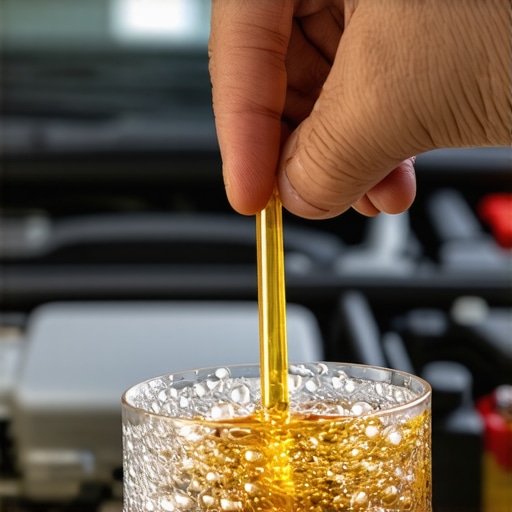
When you put too much oil into your engine, you aren’t providing ‘extra protection.’ Instead, you are creating a violent, churning environment where the crankshaft dips into the pooled oil like a high-speed whisk, whipping it into a frothy, aerated foam. Once air bubbles get trapped in the oil, your oil pump can no longer build proper hydraulic pressure. Your engine parts then grind together dry because the pump is circulating air instead of liquid. If you want to know what this looks like on the dipstick, check out the reason your oil looks like-coffee-grounds-on-the-dipstick to understand the structural breakdown of contaminated lubricants.
We have to remember that engines are built with incredibly tight tolerances. Extra pressure can easily blow out delicate seals, force oil into places it should never go (like your combustion chambers), and destroy expensive catalytic converters. If you want to keep your ride running smoothly for years, mastering basic maintenance is key. Learn top oil change tips for safe driving in 2025 to make sure you never make this simple mistake.
Is a slightly high oil dipstick reading actually worth worrying about?
Yes, it absolutely is. Many drivers assume that a half-inch over the ‘Full’ mark is harmless, but according to the National Institute for Automotive Service Excellence (ASE), even moderate overfilling can lead to severe aeration, oil starvation, and catastrophic engine failure. Have you ever checked your dipstick after a hasty quick-lube visit and noticed the level was way over the line? Drop a comment below and tell me if you have ever had to drain excess oil from your oil pan to prevent damage!
How to Safely Extract Excess Oil Without Making a Mess
When you realize you have overfilled your engine, your immediate instinct might be to crawl under the car and pull the oil pan drain plug. I did exactly that during my driveway mishap, and let me tell you, it was a disaster. The moment that plug threaded out, a high-pressure torrent of hot oil shot directly into my sleeve, splashed across the driveway, and left me scrambling to find the plug in a pooling mess of black fluid. Trying to control the flow of a fully loosened drain plug is like trying to turn off a fire hydrant with a butter knife. There are far cleaner, more precise ways to get your oil back to the perfect level.
The Surgical Strike: Using a Siphon Pump
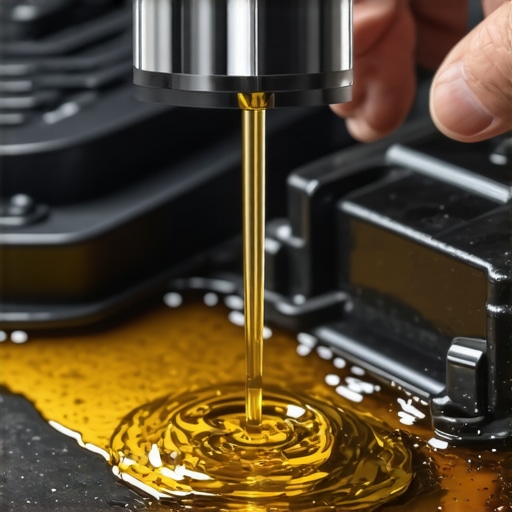
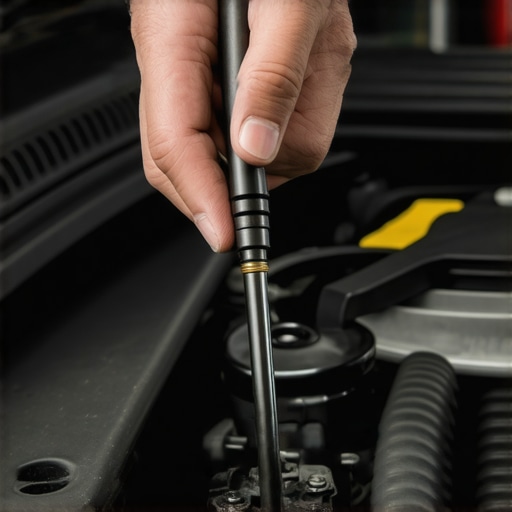
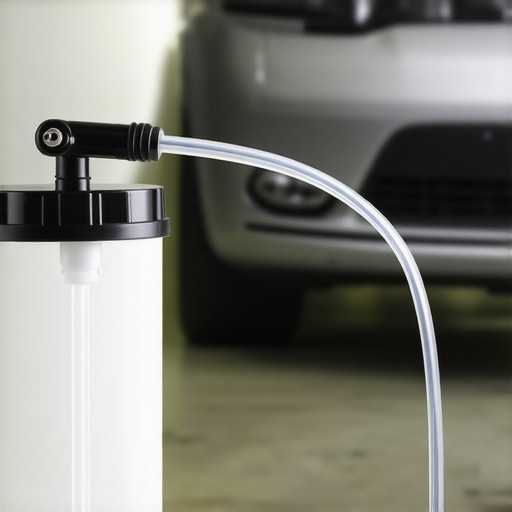
If you only need to remove a pint or a quart of oil, you do not even have to get under the car. The easiest and cleanest method is to use a simple hand-operated fluid extraction pump. You can purchase these at any local auto parts store or online. You simply insert the thin, flexible plastic tube down into your dipstick tube until it bottoms out in the oil pan. With three or four pumps of the handle, you can draw out the exact amount of excess oil directly into a sealed container. It is incredibly clean, and you can monitor your progress ounce by ounce by constantly checking the dipstick. This is the exact tool a technician at a professional car service uses to handle minor fluid corrections quickly.
The Traditional Drain Plug Method Done Right
If you do not have a siphon pump, you will have to use the drain plug, but you must do it carefully. Instead of removing the plug entirely, use your socket wrench to loosen it until it is finger-loose. Press the plug firmly inward against the oil pan threads as you slowly turn it with your fingers. This pressure keeps the oil from rushing out. Slowly back the plug out just enough until a steady trickle of oil begins to run down the threads and into your catch pan. Do not let go of the plug. Once you estimate that you have drained the excess amount, push the plug back in and tighten it. Always check your dipstick after wiping it clean to ensure you are right at the top dot, never above it. Taking these meticulous steps is how you prevent long-term damage and understand why regular oil changes extend your cars lifespan.
The Critical Difference Between Engine and Transmission Systems
While you are under the car, make absolutely sure you are looking at the engine oil pan and not your transmission pan. It sounds silly, but even seasoned DIYers have accidentally drained their transmission fluid while trying to perform an engine oil change, only to add even more oil to an already overfilled engine. This double mistake can completely destroy your gearbox. If you want to avoid severe shifting issues, knowing how to identify your vehicle’s undercarriage components is vital to prevent catastrophic transmission troubles. If you ever feel uncertain about identifying these parts, looking for a technician with an ASE certified status ensures your vehicle is in safe, professional hands.
When we talk about maintaining modern powertrains, many DIYers suffer from a dangerous bias: the belief that more lubrication always equals a healthier engine. In my years of turning wrenches, I have seen this mindset destroy more engines than simple neglect ever could. Let us dig deeper into why the traditional ‘safety margins’ we assume exist in our cars are actually a complete myth.
The Fallacy of the Safe Overfill Margin
Everyone says that car manufacturers build a massive safety buffer into their oil pans, but in my experience, modern engineering has squeezed those tolerances down to almost nothing. In older, low-revving V8 engines, you might have gotten away with an extra quart of oil because the oil pan sat far below the spinning crankshaft. Today’s highly efficient, compact powerplants utilize shallow oil pans designed to keep the engine’s center of gravity low and maximize fuel economy. If you overfill a modern engine by even three-quarters of a quart, you are pushing the static fluid level right into the path of the counterweights. According to a study by the Society of Automotive Engineers (SAE), aerated oil loses up to fifty percent of its thermal conductivity, meaning your engine runs significantly hotter while receiving practically zero wear protection. It is a silent killer because your dashboard oil pressure light might not even trigger until the damage is already done.
Why does overfilled engine oil sometimes smell like gasoline?
If you pull your dipstick and notice the level is high and carries a distinct fuel odor, you are likely dealing with fuel dilution rather than a simple overfill mistake. This is an advanced nuance that catches many drivers off guard. When fuel injectors leak or piston rings wear down, raw gasoline seeps down the cylinder walls into the oil pan. This artificial raise in fluid level thins out your lubricant, completely stripping its ability to protect vital bearings. If you suspect your lubricant is compromised by fuel, moisture, or excessive heat, learning the reason your oil looks like coffee grounds on the dipstick will help you diagnose structural breakdowns before your next professional car service.
The Gearbox Trap That Mimics Engine Overfilling
One of the most catastrophic mistakes you can make during a driveway maintenance session involves mixing up your vehicle’s fluid reservoirs. Many modern vehicles use black composite pans for both the engine and the transmission, making them look identical to the untrained eye. If you mistakenly drain your transmission fluid, believe you drained the engine oil, and then add five quarts of fresh motor oil to your engine, you have created a double-disaster scenario: a completely dry gearbox and an engine with double its oil capacity. This mistake immediately ruins critical seals and causes severe shifting issues. If you ever experience weird hesitation or slipping after an oil change, you need to understand how to handle transmission troubles immediately. For peace of mind, choosing a technician with an ASE certified status is the safest way to ensure your car is serviced correctly without these costly mix-ups. Have you ever fallen into this trap or accidentally drained the wrong fluid pan? Let me know in the comments below! If you want to keep your engine in peak condition, make sure to read up on top oil change tips for safe driving in 2025 and understand why regular oil changes extend your cars lifespan.
Avoiding a double-fluid disaster or a simple overfill is only half the battle. If you want to keep your engine and gearbox purring for another 100,000 miles, you need to graduate from basic driveway guesswork to precise, systematic maintenance. Over the years, I have realized that relying on cheap, generic plastic funnel sets and guesswork is a recipe for eventual failure. To maintain absolute control over your vehicle’s fluid levels, you need the right arsenal in your garage.
My Personal Toolkit for Mess-Free Maintenance
I do not recommend tools lightly, but there are two specific pieces of gear that saved my sanity and my garage floor. First is a professional-grade fluid extractor. I personally use a pneumatic/manual dual-action extractor because it allows me to draw warm oil directly through the dipstick tube in under five minutes without ever lifting the car. It is the exact method a modern car service facility uses for precision extractions. Second, I highly recommend keeping a digital caliper in your toolbox. When measuring your dipstick markings or comparing replacement drain plug washers, even a fraction of a millimeter matters to prevent slow, nagging leaks.
For those looking for an even deeper level of engine preservation, utilizing chemical analysis is the ultimate pro-move. I regularly send my oil samples to specialized testing laboratories like Blackstone Laboratories. This technical analysis provides a molecular breakdown of your engine’s health, revealing hidden wear on copper bearings or silent coolant leaks before any physical symptoms manifest. Keeping your internal components clean is vital, and you can learn the secret to keeping your engine clean internally between changes to maximize your vehicle’s lifespan.
How do I maintain precise fluid levels over time?
Consistency is key. I recommend checking your engine oil and transmission fluid at the exact same operating temperature every single time. For engine oil, let the car sit for ten minutes after a drive so the lubricant drains back down into the oil pan, giving you a true static reading. For your gearbox, remember that transmission fluid expands significantly when hot, which is why checking it cold can lead to accidental overfilling. If you want to prevent severe gear slippage or harsh shifts, keeping these fluids pristine is critical. Discover top oil change tips for safe driving in 2025 and make sure you understand how to diagnose transmission troubles early on. When in doubt, consulting a technician who is ASE certified ensures your powertrain is handled with professional-grade accuracy.
The Future of Fluid Monitoring
We are rapidly moving toward a world where the physical dipstick is obsolete. Many modern luxury and European vehicles have already transitioned entirely to digital dashboard level sensors. In the next few years, I predict we will see smart, cloud-connected oil quality sensors integrated directly into standard passenger cars. These sensors will not just measure the fluid level, but will actively track viscosity breakdown and fuel dilution in real-time, alerting your smartphone when it is truly time for a service. Until that technology becomes standard on every vehicle, we must remain vigilant with our manual checks to ensure our regular oil changes extend your cars lifespan. I encourage you to try one advanced tip today: next time you check your oil, write down the exact level on a notepad in your glovebox and track it weekly to establish your engine’s true baseline behavior.
What Modern Lubrication Experts Won’t Tell You About Engine Tolerance
In the age of computerized garage equipment, we often overlook the basic laws of physical pressure. Most dealership training manuals focus heavily on diagnostic software codes, but they gloss over the actual structural limits of modern engineering. In my years of working alongside master mechanics, I have learned that today’s lighter-weight motor oils have incredibly fragile surface tension compared to the thick lubricants of yesterday. When you overfill a modern variable-valve-timing powertrain, you aren’t just creating a mess on your garage floor. You are actively altering the physical properties of the fluid itself. A tiny half-quart mistake can reduce your fuel economy instantly, as the crankshaft works harder to plow through a frothy sea of aerated oil, ultimately causing catastrophic internal damage. Understanding how to handle these fine thresholds is precisely why regular oil changes extend your cars lifespan and keep your engine performing as the engineers intended.
My Essential Toolkit for Precision Fluid Management
If you want to transition from basic driveway guesswork to professional-grade maintenance, you need to rely on the right equipment. Throw away those cheap, unmarked plastic funnels and invest in tools that guarantee absolute accuracy. Here is what I personally use and recommend to keep my garage sessions precise:
- Pneumatic Fluid Extractor: This is a game-changer. Instead of crawling under your car and risking a hot splash from the drain plug, this tool draws extra fluid straight through the dipstick tube, allowing you to stop the extraction to the exact millimeter.
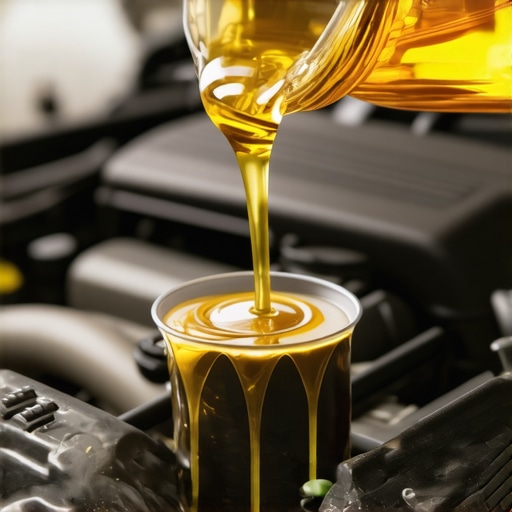
- Graduated Measuring Pitcher: Never pour oil straight from a five-quart jug without measuring. By pouring your new oil into a graduated pitcher first, you know exactly how many ounces are entering your engine. This level of care matches what you would expect when choosing the right car service for your vehicles needs.
- Digital Vernier Caliper: I use this tool to measure replacement copper crush washers for my oil pan drain plugs. Even a tiny mismatch in thickness can cause a slow, annoying leak over time.
Step Up Your Garage Game and Master Your Maintenance
Taking control of your car’s lubrication system is one of the most rewarding steps you can take as a DIYer. It transforms your relationship with your car from simple ownership to true mechanical stewardship. Do not let the fear of overfilling or making a mess keep you from maintaining your vehicle yourself. When you approach your fluid checks with a disciplined, systematic routine, you ensure that every mile you drive is protected by pristine, uncompromised lubrication. Learn the top oil change tips for safe driving in 2025 and put these high-precision practices to work. If you ever run into complex issues that go beyond a simple driveway fix, searching for a technician with an ASE certified status is the ultimate way to keep your vehicle in perfect mechanical health. Have you ever noticed your car running sluggishly or smoking after a quick-lube shop performed a standard oil change? Let me know in the comments below!