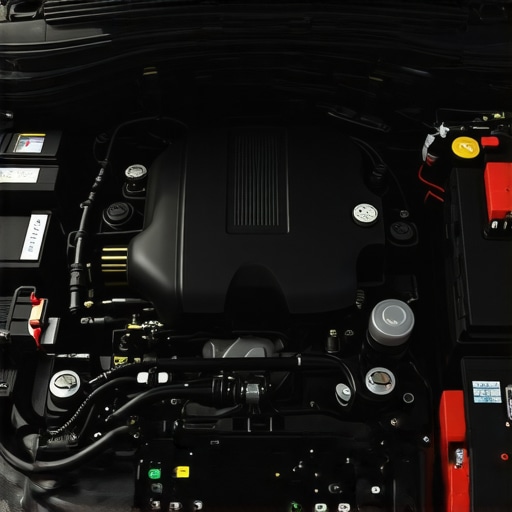
The Reason Your Engine Sputters After Filling Up the Tank
Picture this: I pulled into the gas station on a scorching summer afternoon, eager to beat the heat with a quick fill-up. As I turned the ignition to leave, my engine sputtered and hesitated—almost like it was struggling to breathe. Frustration sank in. I thought maybe it was just a bad fill-up, but the issue persisted. That lightbulb moment hit me—something wasn’t right, and I needed to figure out what was causing my car to choke after every refuel.
The Hidden Reason Your Engine Acts Up After a Tank Top-Up
If you’ve ever experienced that unsettling engine stumble right after filling your tank, you’re not alone. This isn’t just an annoyance; it could be signaling an underlying problem that, if ignored, might lead to more costly repairs down the line. The good news? Most of these issues can be diagnosed and fixed with a bit of know-how—something I had to learn the hard way. When my first mechanic told me the culprit was a clogged fuel filter, I realized how critical regular maintenance is to avoid sitting idle with a sputtering engine during busy mornings.
In this post, I’ll walk you through the common causes behind this frustrating issue and, more importantly, how to fix them yourself or with a trusted mechanic. No more guesswork or paying for unnecessary repairs. By understanding what’s happening under the hood, you can save time, money, and a whole lot of stress.
Can Your Car Be Really That Sensitive to Gas? Is It Worth the Hype?
Early in my journey, I made a rookie mistake. I ignored the signs because I thought it was just a fluke—turns out, overlooking simple issues like a loose gas cap or contaminated fuel can escalate problems. Did you know that a contaminated fuel system can cause engine hesitation and sputtering? According to automotive experts, neglecting fuel system cleanliness is one of the top reasons engines misfire after refueling. Familiarizing myself with common mistakes helped me avoid bigger headaches, and I’ll share those tips so you don’t fall into the same trap.
So, if your engine sputters or stalls shortly after filling up, don’t dismiss it as normal. Let’s explore what might be going wrong and how you can fix it before it turns into a major repair. Ready to get your engine running smoothly again? Keep reading, because the fixes are simpler than you might think—and they might just save your car’s life.
Check Your Gas Cap for a Secure Fit
During my own experience, I first examined the gas cap, which was loose after a recent top-up. A loose or faulty gas cap can cause a vacuum leak in the fuel system, leading to engine hesitation. To fix this, tighten the cap until it clicks firmly. Sometimes, replacing a worn-out gas cap is necessary—these are inexpensive and straightforward to replace. Properly securing the gas cap ensures the fuel system maintains the correct pressure, preventing sputtering issues.
Inspect the Fuel Filter for Clogs
Next, I recommended checking the fuel filter, which can become clogged over time with debris, restricting fuel flow. To do this, disconnect the fuel line carefully and examine the filter for dirt or blockages. Replacing a clogged fuel filter can be a game-changer, restoring smooth acceleration. If you’re unsure about doing this yourself, a professional ASE-certified mechanic can perform the replacement efficiently. Regularly replacing your fuel filter (preferably as part of your maintenance schedule) keeps the fuel system clean and your engine performance optimal. Learn why regular oil changes extend your car’s lifespan [here](https://autofixclinic.com/why-regular-oil-changes-extend-your-cars-lifespan).
Test for Vacuum Leaks and Intake System Integrity
I then checked for vacuum leaks—cracks or disconnected hoses can introduce unmetered air, causing hesitation after refueling. Using a smoke machine or spray carb cleaner around suspected areas can reveal leaks; the engine will idle higher when the spray reaches the leak. Seal or replace damaged hoses to restore proper air-fuel mixture. This step is crucial because unmetered air can lead to rough idling and hesitation, especially after refueling.
Address the Fuel Injectors for Better Spray Patterns
Since fuel injectors deliver fuel into the engine, clogged or faulty injectors can lead to uneven spray, affecting performance. I used a fuel injector cleaner additive in a full tank, then ran the engine to see improvements. For stubborn clogs, professional cleaning or replacement is recommended. Properly functioning injectors ensure complete combustion and smooth acceleration. For more details on transmission issues that might cause similar symptoms, visit [transmission troubleshooting](https://autofixclinic.com/transmission-troubles-expert-insights-for-smooth-shifting).
Adjust or Replace the Evaporative Emission System Components
A faulty EVAP system vent valve or charcoal canister may cause engine hesitation after refilling. If these components malfunction, they disrupt vapor recovery, affecting engine performance. Testing involves inspecting the EVAP system for leaks or obstructions. Replacing any faulty parts will stabilize engine behavior during and after refueling.
Monitor and Maintain Fuel System Regularly
To prevent future issues, schedule regular inspections of your fuel system, including filters, injectors, and hoses. Additionally, consider professional cleaning of the fuel tank and lines to remove sludge and debris. Proper maintenance minimizes the risk of fuel delivery problems that cause engine hesitations and ensures your vehicle runs smoothly longer.
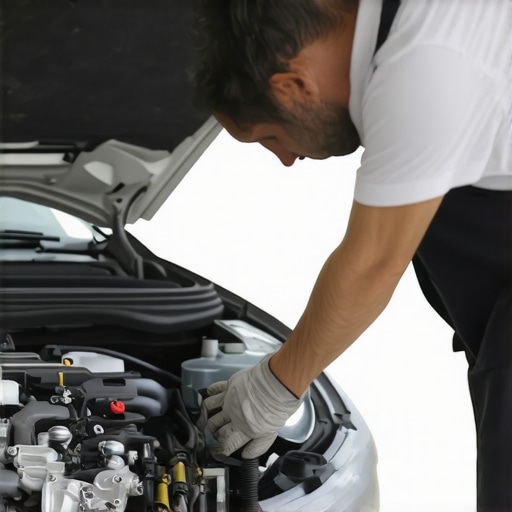
Illustration of fuel system components highlighting common leak points and filters.
,When it comes to automotive maintenance, many car owners operate under misconceptions that could cost them time and money. One widespread fallacy is that all oil changes are created equal—yet, few realize that the type of oil and the expertise of the mechanic significantly influence your vehicle’s longevity. For instance, choosing synthetic oil isn’t just a luxury; it provides superior protection against engine wear, especially in extreme temperatures, as highlighted in [top oil change tips for safe driving in 2025](https://autofixclinic.com/top-oil-change-tips-for-safe-driving-in-2025). This nuance often escapes the average driver, leading to premature engine issues. Additionally, myths about transmission repairs persist. Many believe that transmission fluid is lifetime and never needs replacing, but in reality, failing to change it can result in slippage, overheating, and ultimately, complete transmission failure, as outlined in [transmission troubleshooting insights](https://autofixclinic.com/transmission-troubles-expert-insights-for-smooth-shifting).
What Advanced Signs Indicate Your Transmission Is Failing Before It’s Too Late?
Detecting early signs of transmission trouble requires keen observation. Unusual hesitation during gear shifts, slipping out of gear, or strange noises can be subtle indicators that your transmission’s internal components are wearing out. Relying solely on warning lights isn’t enough; comprehensive diagnostics by ASE-certified mechanics can reveal issues before they escalate. Contrary to popular belief, a transmission’s health isn’t just about fluid levels but also about fluid quality, filter cleanliness, and internal component integrity. Neglecting these aspects increases the risk of sudden breakdowns, which are often more expensive than regular maintenance. Experts emphasize that routine inspections of transmission systems—similar to the way [regular oil changes extend your car’s lifespan](https://autofixclinic.com/why-regular-oil-changes-extend-your-cars-lifespan)—are essential for preventative care.
A common trap is waiting until symptoms worsen—by then, repairs can be extensive and costly. Instead, proactive service, including fluid flushes and system diagnostics, can preserve your transmission’s lifespan. Remember, a well-maintained transmission translates into smoother acceleration, better fuel efficiency, and fewer surprises on the road. Don’t fall for the myth that transmission repairs are always sudden emergencies; with expert attention, you can keep your vehicle shifting seamlessly.
Have you ever fallen into this trap? Let me know in the comments.
Build Your Maintenance Arsenal for Longevity
Maintaining a vehicle’s health over the years requires more than just a routine oil change. I personally swear by a set of specialized tools and software that elevate my maintenance game. For instance, an OBD-II scanner is indispensable for diagnosing electronic issues accurately. I recommend the BlueDriver scanner because it offers detailed diagnostics and repair reports directly to your smartphone—saving you time and money. Additionally, a digital torque wrench ensures that fasteners are tightened to manufacturer specifications, preventing over-tightening or under-tightening that could lead to future failures. I use the GearWrench digital wrench because its precision helps extend the lifespan of critical components like transmission bolts or oil drain plugs.
Software Solutions for Better Maintenance Tracking
Keeping a detailed log of your maintenance schedule can be daunting, but modern apps make it straightforward. I rely on maintenance tracking software that reminds me when the next oil change, transmission fluid flush, or ASE inspection is due. These tools typically sync with your vehicle’s ECU or allow manual entries, so nothing slips through the cracks. Regularly updating these records minimizes the risk of neglect, which can be costly and damage your vehicle’s transmission or engine in the long run.
Automated Methods for Long-Term Results
Incorporating automated practices helps maintain peak vehicle performance. For example, I schedule periodic oil analysis tests to assess oil quality over different driving conditions, especially if I tow or drive in extreme climates. These tests reveal contaminations or additive depletion before they cause engine wear. Also, using high-quality synthetic oils designed for your specific engine type—like those with appropriate zinc levels for older engines—can significantly prolong engine life. Investing in professional oil analysis and sticking with proven maintenance routines ensures your vehicle’s transmission and engine stay resilient through the years.
How do I maintain my car’s transmission over time?
Transmission health isn’t just about fluid levels; it involves regular fluid replacement, filter changes, and system diagnostics. Advanced tools like a transmission fluid tester help monitor temperature and contamination levels. I also utilize transmission diagnostic software that evaluates shift quality and detects early signs of wear. By integrating these methods, I prevent costly rebuilds and keep my transmission shifting smoothly. As automotive technology evolves, I predict more using predictive maintenance algorithms in their software, detecting issues before they become noticeable—this is where future maintenance is headed.
Don’t wait for warning lights to alert you. Implementing these tools and practices now can save your time, money, and the stress of unexpected breakdowns. Why not start with a comprehensive diagnostics scan using your smartphone-compatible OBD-II scanner today? It’s an easy step with immediate benefits for your car’s longevity.
Lessons That Changed How I Approach Car Maintenance
- Never underestimate the power of a simple check—such as ensuring your gas cap clicks securely. That small step saved me hundreds of dollars on unnecessary repairs.
- I learned that a clogged fuel filter isn’t just an annoyance; it can cause significant engine hesitation. Regular replacement as part of maintenance keeps surprises at bay.
- My lightbulb moment was realizing that vacuum leaks, often overlooked, can wreak havoc on engine performance, especially after refueling—testing hoses can uncover hidden issues.
- Understanding how fuel injectors operate pushed me to consider fuel system cleaning more seriously, preventing erratic engine behavior and extending the lifespan of components.
- A faulty EVAP system might be invisible but can cause noticeable hesitation; regular inspections can catch these issues early, saving money and stress.
Tools and Resources That Keep My Car Running Perfectly
- BlueDriver OBD-II Scanner: I trust this tool because it provides comprehensive diagnostics right on my smartphone, making troubleshooting straightforward and avoiding unnecessary trips to the mechanic.
- GearWrench Digital Torque Wrench: Ensuring bolts are tightened to specs helps prevent leaks and component failures—saving headaches and repair costs in the long run.
- Maintenance Tracking Apps: They keep me on schedule for oil changes, filter replacements, and other routine services—critical for preventing problems before they start.
- Owner’s Manual: It’s my go-to resource for understanding manufacturer-specific maintenance intervals and specifications, especially for complex systems like the transmission.
Believe in Your Ability to Keep Your Car Healthy
Taking control of your vehicle’s maintenance can be empowering and cost-effective. By understanding common issues like engine hesitation after refueling, you’re better equipped to catch problems early and prevent costly repairs. Remember, the key is proactive care—regular inspections, understanding your car’s signals, and leveraging the right tools. If you’re curious about topic-specific insights like what an ASE certification truly signifies, it’s worth exploring how certified mechanics can elevate your vehicle’s longevity. What maintenance habit has made the biggest difference for you? Drop your experiences below—I’d love to hear your story.