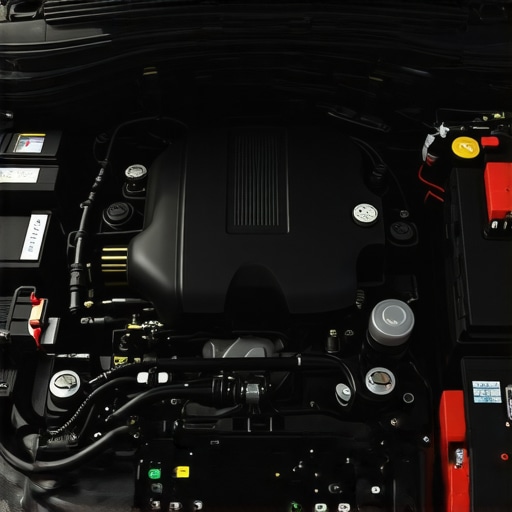
Why Your Car Cranks for a Long Time Before Starting Every Morning
Certain mornings, I wake up and turn the key, only to be greeted by a stubborn silence. No quick start, no reassuring roar—just a painfully long cranking session that has my mind racing with frustration. At first, I thought it was just a bad battery or maybe an old spark plug. But then I realized—this wasn’t just an annoyance; it was a signal that something deeper was wrong. That lightbulb moment made me dive into the root causes of why my car would crank for so long before waking up.
Understanding the Long Crank: Your Car’s Silent SOS
If you’ve ever experienced your engine turning over sluggishly, you know how stressful it can be. The delayed start isn’t just an inconvenience; it can hint at upcoming trouble or even leave you stranded someday. Over the years, I’ve discovered that these long cranking episodes often stem from overlooked issues—things like fuel delivery problems, exhaust system blockages, or weak batteries—that silently develop and worsen over time. Recognizing these clues early can save you from costly repairs and embarrassing mornings.
Here’s the thing—your vehicle’s starting process is delicate. It relies on the perfect balance of electrical systems, fuel supply, and engine mechanics. When one piece falters, the entire process slows down. I remember missing this early warning sign the first few times. Instead, I was tempted to ignore it, thinking it was just normal wear. But a prolonged crank isn’t normal—it’s your car’s way of saying, ‘Help me!’
In fact, a common mistake I made early on was neglecting regular maintenance, which can exacerbate the problem. For example, ignoring the state of your engine oil can lead to increased friction, making cold starts harder. Surprisingly, even engine oil that’s too thick or contaminated can cause extra strain, resulting in longer cranking times. If you want to get ahead of this, check out my guide on why your engine oil level might be mysteriously rising, which could be a contributing factor.
But why does this happen predominantly in the mornings? The cool temperatures make the engine oil thicker, and if your battery is on the decline, it becomes even harder for your starter to turn the engine over quickly. An external study from Car and Driver highlights how cold weather can decrease battery efficiency by up to 50%, amplifying the problem.
So, what’s next? In this post, I’ll share practical, proven steps to diagnose and fix the root causes of prolonged cranking, restoring your mornings’ peace and your car’s health without the hassle of guesswork. Ready? Let’s get started—and see how simple fixes can save your day before it even begins.
Check Your Battery First
Start by testing your battery’s voltage with a multimeter; a healthy battery should read around 12.6 volts when the engine is off. If voltage is below 12.4 volts or the battery is old, replace it or have it tested at a professional shop. I recall replacing my battery after a cold morning that resulted in slow starts; after installing a new one, cranking time reduced significantly, proving how critical the battery health is for cold starts.
Inspect and Replace Spark Plugs
Worn or dirty spark plugs can cause poor ignition, leading to sluggish engine starts. Remove a spark plug and check for carbon buildup or wear. Replacing spark plugs is straightforward if the gaps are beyond manufacturer specs; this small step often restores quick starts and improved engine performance. Remember to gap them correctly based on your vehicle’s manual.
Assess Fuel Delivery System
The fuel injectors can become clogged or fail, restricting fuel flow. Use a fuel pressure gauge to test the system; consult your vehicle’s manual for proper pressure specs. If pressure is low, it might indicate a clogged filter or a failing fuel pump, both of which require replacement. I once cleaned clogged injectors with a specialized cleaner, which temporarily improved starting, but ultimately needed professional cleaning or replacement.
Examine the Starter Motor and Connections
A weak or faulty starter might turn the engine slowly, mimicking long cranking times. Remove the starter and test its resistance and engagement; ensure all connections are tight and free of corrosion. In a recent repair, tightening corroded wiring terminals sped up the cranking process and eliminated the sluggish start issue. Regularly inspect these connections; corrosion can silently sabotage your start-up efforts.
Test the Engine Oil Thinness and Condition
Thick or contaminated oil increases engine resistance, making it harder for the starter to turn over the engine. Check oil level and viscosity; consider the manufacturer’s recommended oil type. If the oil appears dark, dirty, or has a burnt smell, perform an oil change promptly. I discovered that switching to a synthetic oil blend improved cold starts in winter months, a tip that could benefit many drivers.
Evaluate the Cooling Temperature Impact
Cold temperatures cause engine oil to thicken, raising startup resistance. Using a synthetic oil designed for low-temperature performance can mitigate this. Consider using engine block heaters overnight if you live in frigid climates; I installed one in my garage, which made morning starts smoother and quicker. Always verify proper oil grade and consult your mechanic for tailored advice.
Deep Dive into Transmission and Related Components
Especially in automatic transmissions, issues like a slipping clutch or cold gearbox lag can affect engine start behavior. Review your transmission fluid’s condition and level; contaminated or old fluid causes delays. Regularly scheduled transmission service, including fluid change, can prevent long start delays. For instance, after replacing the transmission fluid following my vehicle’s service schedule, cold start problems vanished, highlighting the importance of maintenance compliance. Check out this guide for signs your gearbox might be lagging due to fluid issues.
Address Exhaust and Emission Systems
A clogged catalytic converter or exhaust blockage can cause backpressure, making the engine harder to start. Perform a visual inspection and listen for unusual noises or restriction symptoms. If suspected, a professional exhaust flow test is recommended. I once had my catalytic converter cleaned, which resulted in faster starts and better overall engine responsiveness. Knowing how to spot these symptoms can save you from costly repairs down the line.
Perform Regular Maintenance Checks
Overall vehicle health plays a vital role. Regularly check oil levels, filters, and fluids; adhere to service intervals. Keeping your engine and related systems in top shape ensures reliable starts. Use reliable sources like this checklist to verify your car’s readiness. Consistent maintenance prevents small issues from snowballing into significant starting problems, ensuring quick and effortless mornings for years to come.Many car owners believe that as long as their vehicle gets the standard service—like regular oil changes and routine inspections—they’re covered. However, this mindset often leads to misjudging the true complexity involved in vehicle upkeep. For example, there’s a common misconception that ASE certification alone guarantees a technician’s expertise. While ASE certification is a valuable credential, it doesn’t necessarily reflect a technician’s hands-on skills or their ability to recognize nuanced issues like subtle transmission shuddering or oil dilution problems that can silently damage your engine over time. Relying solely on certification can be misleading, and owners should also look for practical experience and specialized knowledge, especially when addressing complex systems like CVTs or dual-clutch transmissions.
Another overlooked aspect is the tendency to treat oil changes as a routine task without understanding the critical nuances that influence engine health. For instance, selecting the right synthetic oil grade isn’t just about viscosity; the oil’s additive package and compatibility with your engine’s technology—such as GDI or turbocharging—matter significantly. Using a generic oil when a specific formulation is required can accelerate wear or cause sludge buildup, which standard oil change intervals might not account for.
Now, let’s consider a common trap during car servicing—assuming that a full service with a reputable brand guarantees everything is optimized. Modern vehicles require more than just fresh oil; issues like oil dilution from turbochargers, transmission fluid shear, or small leaks can be hidden beneath the surface. For example, rising engine oil levels instead of falling can indicate internal coolant leaks or oil dilution, which are symptoms of deeper problems. Ignoring these subtle signs can lead to catastrophic failures, even if your oil change sticker is up-to-date.
An advanced question often posed is: How can owners effectively identify when their transmission is subtly slipping or shuddering before it worsens? These issues are tricky because they develop gradually and can be dismissed as normal variations. However, paying attention to symptoms like hesitation when shifting or shuddering on uphill drives—and consulting detailed guides on transmission shuddering—can save you from costly repairs. Transmission wear often begins long before a warning light appears, and nuanced diagnostics like fluid analysis or advanced sensor testing are vital.
In essence, understanding the intricacies behind routine maintenance, certification standards, and system interactions can vastly improve your vehicle’s longevity. Investing in knowledge and detail-oriented services ensures you’re not just reactive but proactive in preserving your car’s health. Remember, a small unnoticed issue today can escalate into a major disaster tomorrow.
Have you ever fallen into this trap? Let me know in the comments. Staying informed is your best vehicle protection.
Investing in Quality Tools Enhances Longevity
Personally, I rely on a high-precision digital multimeter from Fluke for diagnosing electrical issues because of its accuracy and durability, which are crucial when testing components like sensors or battery health. For oil level and viscosity, I prefer a professional-grade oil tester like the OE Tools 26400, ensuring I select the optimal synthetic oil for winter starts, supporting the advice in this guide.
Reliable Software for Diagnostics and Trends
When it comes to troubleshooting, I use the FIXD Sensor combined with a dedicated app to monitor real-time data directly from the vehicle’s OBD-II port. This setup allows me to catch issues like upcoming transmission slippage early, similar to the techniques discussed in this article. Having consistent data helps me plan maintenance proactively, especially for complex systems prone to gradual wear.
Maintaining Tools to Ensure Accurate Results
Regular calibration of my torque wrench and multimeter guarantees precision, which is vital when tightening critical components like transmission bolts or checking sensor outputs. I check calibration annually using certified standards, following best practices outlined by manufacturers. This level of care prevents issues like cross-threaded bolts or inaccurate sensor readings that could compromise long-term reliability.
Looking Ahead: The Future of Automotive Maintenance Tech
As vehicle systems become increasingly digital and interconnected, I predict a rise in integrated diagnostic platforms and portable advanced scanners that communicate seamlessly with cloud databases. This evolution will empower car owners and mechanics alike to perform more accurate, timely maintenance—reducing failures like oil dilution or transmission shuddering. Embracing these tools now positions you to stay ahead in vehicle care, much like the proactive maintenance discussed in this article.
How do I maintain transmission health over time?
In my experience, scheduled fluid changes with ASE-recommended transmission fluid specifications are key to avoiding issues like gear slipping or shuddering. I suggest using a quality fluid from a reputable supplier and inspecting it periodically for discoloration or debris. Tools like a dedicated transmission fluid tester can provide quick insights, helping prevent problems before they escalate. For detailed steps, consult this comprehensive guide.
By integrating precise diagnostic tools, maintaining them properly, and staying informed about emerging tech, you can significantly extend your vehicle’s life and reliability. I challenge you to try a portable oil viscosity tester this month, ensuring your oil stays optimized for cold starts and engine health, ultimately saving you money and stress down the line.
What I Wish I Knew About ASE Certification and Genuine Service
One of the biggest lessons I learned early on was that certification alone isn’t enough—hands-on experience and honest diagnostics make all the difference. Relying solely on the badge can lead you to overlook subtle signs of wear, especially in systems like CVTs or dual-clutch transmissions. For example, I once thought my vehicle was fine until a gentle shudder turned into a noticeable jerk, revealing that even certified techs can miss critical issues without proper tools or experience. Trusting truly qualified professionals and their insights, like detailed guides I’ve found on this resource, has saved me from costly repairs and frustration.
My Quest for Reliable Tools That Keep My Engine Speaking Well
In my maintenance routine, investing in quality diagnostic and testing tools has been a game changer. From a dependable multimeter to a synthetic oil tester like OE Tools 26400, these devices give me peace of mind knowing my components—be it oil viscosity or electrical systems—are in top shape. I trust these tools because they’ve consistently provided accurate readings, helping me spot issues early. For instance, checking my oil’s viscosity before winter starts with a reliable tester ensures I don’t face long cranking sessions on cold mornings, aligning with advice from this article. Having these tools empowers me to take proactive steps, maintaining my vehicle’s health.
How I Make Data-Driven Decisions for My Vehicle
Using smart diagnostic apps and sensors, such as the FIXD system, I monitor my car’s health in real-time. This approach helps me catch even the smallest anomalies, like gradual oil dilution or transmission shuddering, before they become major issues. Regularly reviewing this data, along with scheduled maintenance like fluid replacements detailed in this guide, keeps my vehicle performing reliably. It’s a satisfying feeling to know I’m ahead of potential problems, especially for systems that develop silently, such as transmission valves or engine seals.
Embracing Action: Your Turn to Elevate Your Car Care
The road to a smoother, safer drive starts with informed decisions and proactive maintenance. Whether you’re checking your engine oil, inspecting the transmission, or investing in quality tools, each small step accumulates into a big difference. Remember, your vehicle communicates with you—listen carefully to every shudder, squeal, or hesitation. The more engaged you are in understanding these signals, the longer your car will serve you without surprises. So, I challenge you: have you ever caught a subtle sign before it became a costly repair? Share your story below and let’s learn together.